


Sun-splashed dunes. Salt on the breeze. A prickly green silhouette standing guard over the shore. Meet Opuntia dillenii (Ker Gawl.) Haw.—the beach‑loving prickly pear whose American birthright propelled it onto coastlines around the world. Its story threads through taxonomy tangles, ship routes, invasive chapters, and—ultimately—global garden fame. How did a seaside shrub turn into such a citizen of the world? Let’s walk the shoreline and find out.
Born of the Americas: a seaside original
Opuntia dillenii is a true American, rooted in a vast cactus family native to the Western Hemisphere. Within that great desert‑forged lineage, O. dillenii carved out a shoreline niche:
- Native haunts: coastal southern Atlantic states of the U.S., the Caribbean, and into northern South America, often right above the high‑tide line.
- Habitat of choice: low, sandy ground—dunes, rocky shores, and the sunny edges of maritime forests. Think wind-whipped, well-drained, and nutrient‑lean.
- Life strategy: water stored in thick, green pads (stems), leaves transformed into spines, and tiny barbed glochids that hitchhike on anything that dares brush past.
- Seasonal show: bowl‑to‑funnel‑shaped yellow flowers mostly in spring and summer, followed by reddish‑purple fruits that draw in birds and other dispersers.
How a shore‑loving cactus went global
Salt spray never scared this plant—and neither did distance. As coastal settlements expanded and trade routes multiplied, O. dillenii traveled:
- By design and by accident: grown as an ornamental in warm regions worldwide, but also moved via fruits, garden swaps, and pads that root easily after breaking off.
- With help from wildlife: seeds often germinate best after a trip through an animal’s gut; pads snag in fur or float along storm washes, rooting wherever they land.
- Across climate bands: thriving in warm, sunny belts across the tropics and subtropics, particularly near the coast where sandy soils and strong light abound.
The invasive chapters
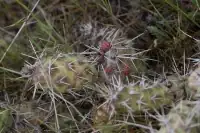
Success cut both ways. In parts of the world, O. dillenii’s coastal vigor turned into coastal takeover:
- Australia’s “pest pear” era: along with close relatives, thicket‑forming beach prickly pears built dense, spiny barricades on rangelands and dunes. Management programs and biological control campaigns followed.
- Ecological impact: spiny thickets can displace native dune flora and alter wildlife movement and nesting sites; seeds spread readily and pads root on contact with sand.
If you garden in a region where beach prickly pears are regulated or considered invasive, consult local guidelines before planting—and favor contained pots over open ground.
Taxonomy twists, names, and lookalikes
Botanists have wrangled with beach prickly pears for centuries. This one carries a tidy author line—Opuntia dillenii (Ker Gawl.) Haw., 1819—but the species has long rubbed shoulders with similar coastal forms.
- Common confusion: Opuntia stricta. Both are beach‑happy and yellow‑flowered, but O. dillenii typically brandishes heavier armature (spines and glochids), thinner, often scalloped pads, and notably fierce glochid clusters.
- Regional relatives: Opuntia anahuacensis (upper Texas coast) further muddies the picture, underlining why local expertise matters in coastal Opuntia IDs.
- Cytology note: O. dillenii is frequently tetraploid, a behind‑the‑scenes clue that helps botanists separate it from its kin.
How to recognize O. dillenii at a glance
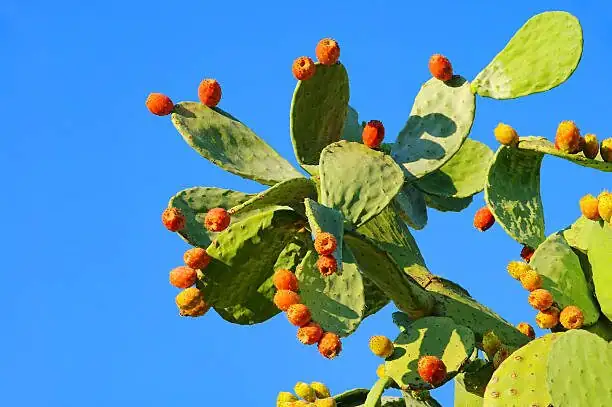
- Habit: low, spreading shrub, usually 0.5–1 m tall; older stands can mound to around 2 m; thicket‑forming on dunes and rocks.
- Pads (cladodes): ovate to obovate, comparatively thin, often flexuous with subtly scalloped margins; roughly 10 × 16 cm is common.
- Areoles: slightly raised, giving a dimpled look; glochids abundant, especially on young growth.
- Spines: usually 1–5 (sometimes more) per areole, translucent yellow to brownish‑yellow, about 2–4 cm, often slightly curved.
- Flowers: bright yellow with greenish to yellow-green filaments; spring through summer.
- Fruits: oval to subglobose, maturing reddish‑purple, often with a short neck and a shallow umbilicus.
- Setting: often on sandy, sunny, salt‑tolerant ground just inland from the surf.
Why tough made it a garden star
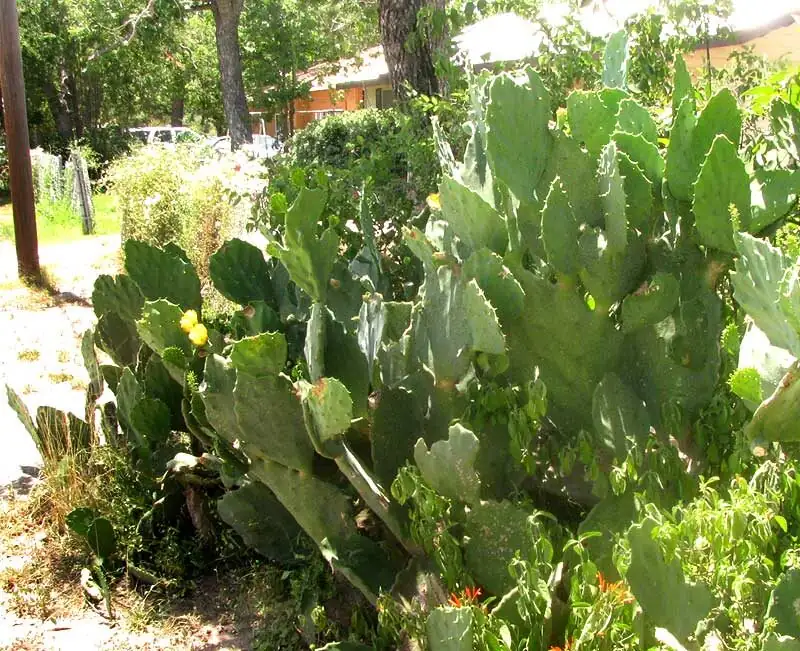
- Architecturally bold: paddle‑stacked silhouettes, luminous yellow blooms, jewel‑toned fruits—high drama on minimal water.
- Built‑in resilience: drought‑tolerant, heat‑loving, and unfazed by salt‑laden breezes—a natural for coastal xeriscapes.
- Low‑maintenance: thrives on neglect as long as the soil drains fast.
- Broader genus perks: across Opuntia, many species provide edible pads (nopales) and fruits, are woven into traditional remedies, and historically supported cochineal dye on select species.
Note: Handle with care—spines and glochids can be deceptively fine yet fiercely irritating. Thick gloves, tongs, and respect are your best tools.
Care cheat sheet (coastal beds or containers)
- Sunlight: bright, direct light—aim for 4–6+ hours daily. In extreme heat, brief afternoon shade prevents scorching.
- Soil: fast-draining, sandy/gritty cactus mix; never let water linger around the roots.
- Watering: soak‑and‑dry. Thoroughly water, then wait until the mix is bone‑dry.
- Spring/Fall: every 2–4 weeks (adjust to drying speed).
- Summer: weekly in intense heat if the mix dries fast.
- Winter: every 4–6 weeks or less—minimal sips, bright light.
- Temperature: happiest at 20–30°C (68–86°F); tolerates hotter days with cooler nights. Protect from frost; keep above ~5°C (41°F) in winter.
- Humidity: prefers dry air.
- Feeding: spring–summer, 1–2× monthly with diluted cactus fertilizer (¼–½ strength). Stop in fall/winter.
- Repotting: every 3–5 years, spring/early summer, into a pot just one size up with drainage holes.
- Pruning: rarely needed—remove only damaged or rotting sections; let wounds callus dry before watering.
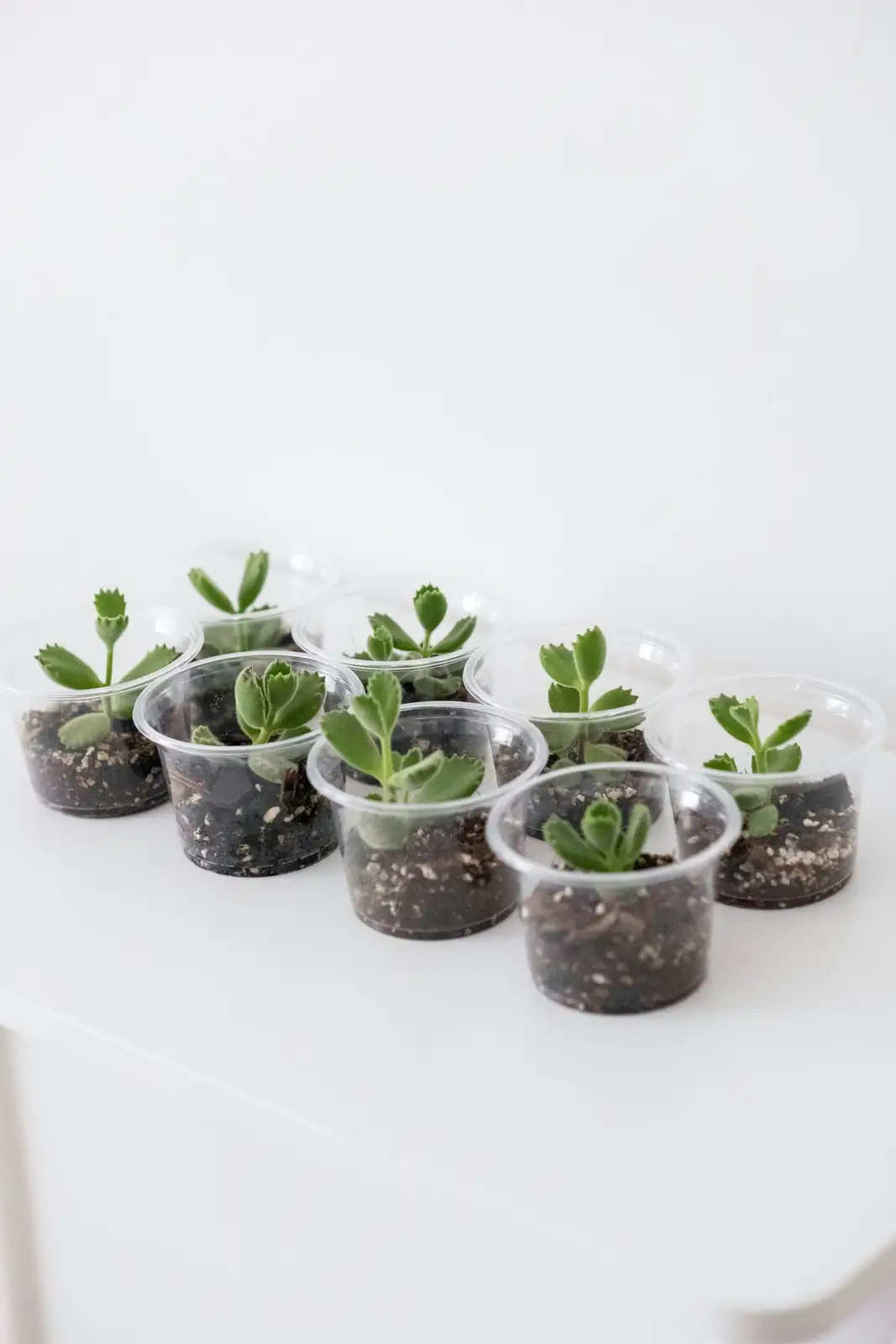
- Propagation: effortless by pads. Take a healthy pad in late spring, let callus for 2–3 days, then set into dry mix; begin light watering after 10–14 days. Seeds are slower but rewarding.
Tip for coastal landscapes: site it where spines won’t snag passersby and where wind‑blown sand won’t bury stems. Containers offer control—and help avoid unwanted spread in sensitive regions.
Bloom window, symbolism, and a deeper “flower language”
- Bloom window: spring into summer, with short‑lived, sun‑lit flowers that may last a day or two—blink and you’ll miss the glow.
- Symbolism: across cultures, cacti symbolize resilience and endurance—thriving where others fail. Spines suggest protection; the sudden burst of bloom whispers of steadfast love that reveals itself when conditions are right.
- Roots of the idea: Indigenous American traditions long recognized the cactus as life‑support in harsh places. The famed Aztec vision of an eagle on a cactus—still emblazoned on Mexico’s flag—encodes survival, destiny, and a city born from unlikely ground. In that light, O. dillenii’s dune‑defying life becomes a living metaphor: strength, patience, and bloom against the odds.
Quick answers to common questions
- How often should I water it? Only when the mix is completely dry—every 2–4 weeks in spring/fall, weekly in fast‑drying summer pots, and every 4–6 weeks (or less) in winter.
- My plant is turning soft and mushy—what happened? Likely overwatering and rot. Unpot, trim affected tissue, repot into dry, airy mix, and water sparingly until new roots take.
- Can it live indoors? Yes—if you have a very bright, sunny window. Keep it away from high‑traffic zones; glochids are tiny but tenacious.
- Will it bloom in a pot? Strong light, careful watering, and a cool, bright, low‑water winter rest encourage flowering.
- Is it invasive where I live? It can be in some warm, coastal regions. Check local regulations; consider container culture to prevent spread.
From American dunes to far‑flung shores, Opuntia dillenii earned its passport with grit: salt‑tolerant, drought‑proof, and visually captivating. Handle it wisely, and this beach‑born survivor will anchor your garden with sculptural poise—and a story as bracing as sea air.