

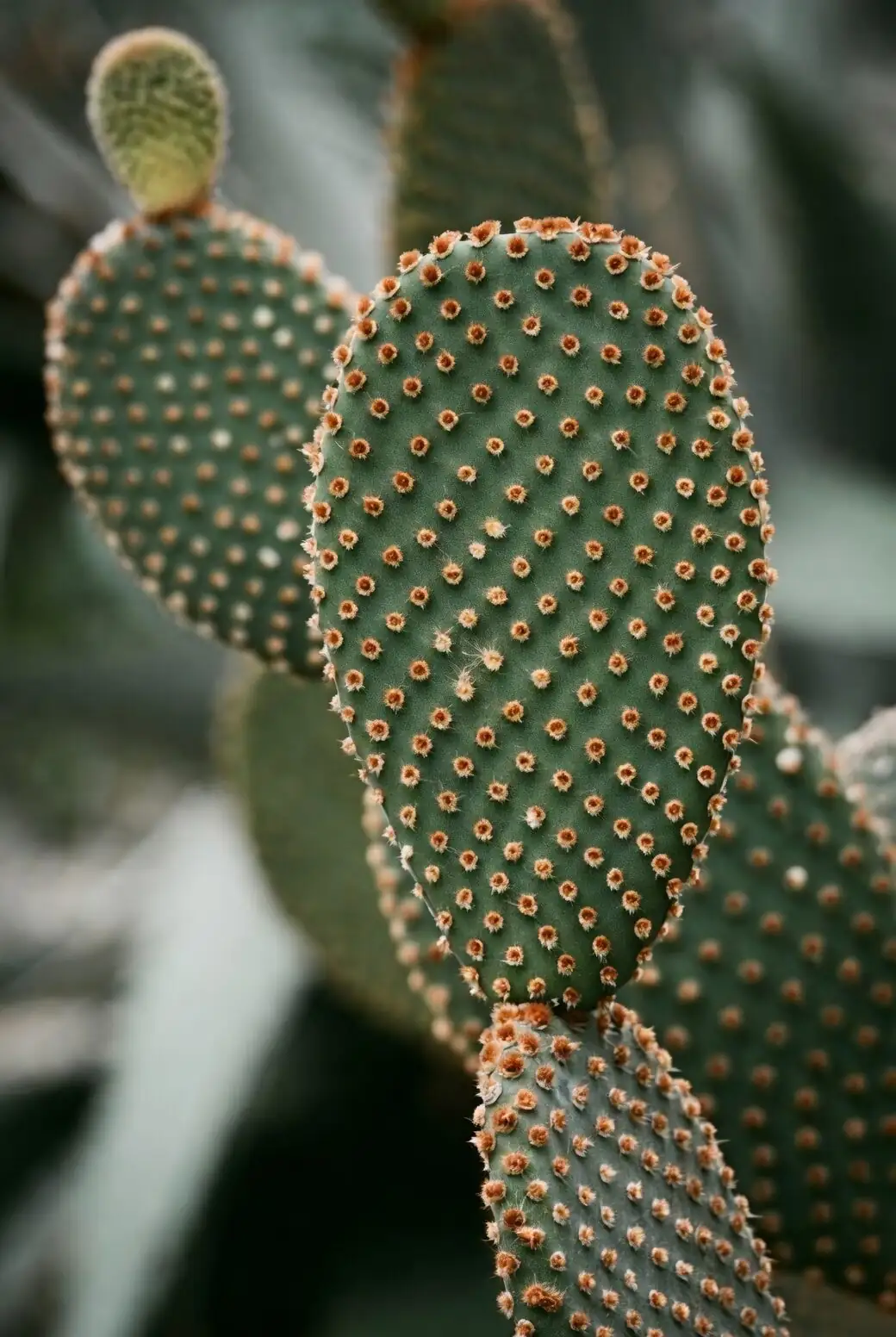
Opuntia dillenii, the paddle cactus with a punk-rock attitude and tiny, sneaky glochids, is tougher than it looks—but even desert veterans have off days. Here’s your fast, field-tested guide to spot problems in seconds, fix them the same day, and keep this resilient beauty thriving.
The 60‑Second Triage: Diagnose at a Glance
- Mushy, discolored pads or a blackening base? Think rot (root or stem).
- White “cotton” in areoles, pad joints, or around roots? Mealybugs.
- Hard, pinhead “scabs” that don’t wipe off easily? Scale.
- Dusty stippling, fine webbing, and a plant that looks tired in hot, dry conditions? Spider mites.
- Skin full of invisible cactus splinters after handling? Glochids—act fast (see First Aid below).
Keep this on a sunny sill or patio with great airflow; dryness and light are your cactus’ best armor.
Fast Fixes for the Big Four
1) Root or Stem Rot
Rot is the most serious threat—and almost always linked to excess moisture.
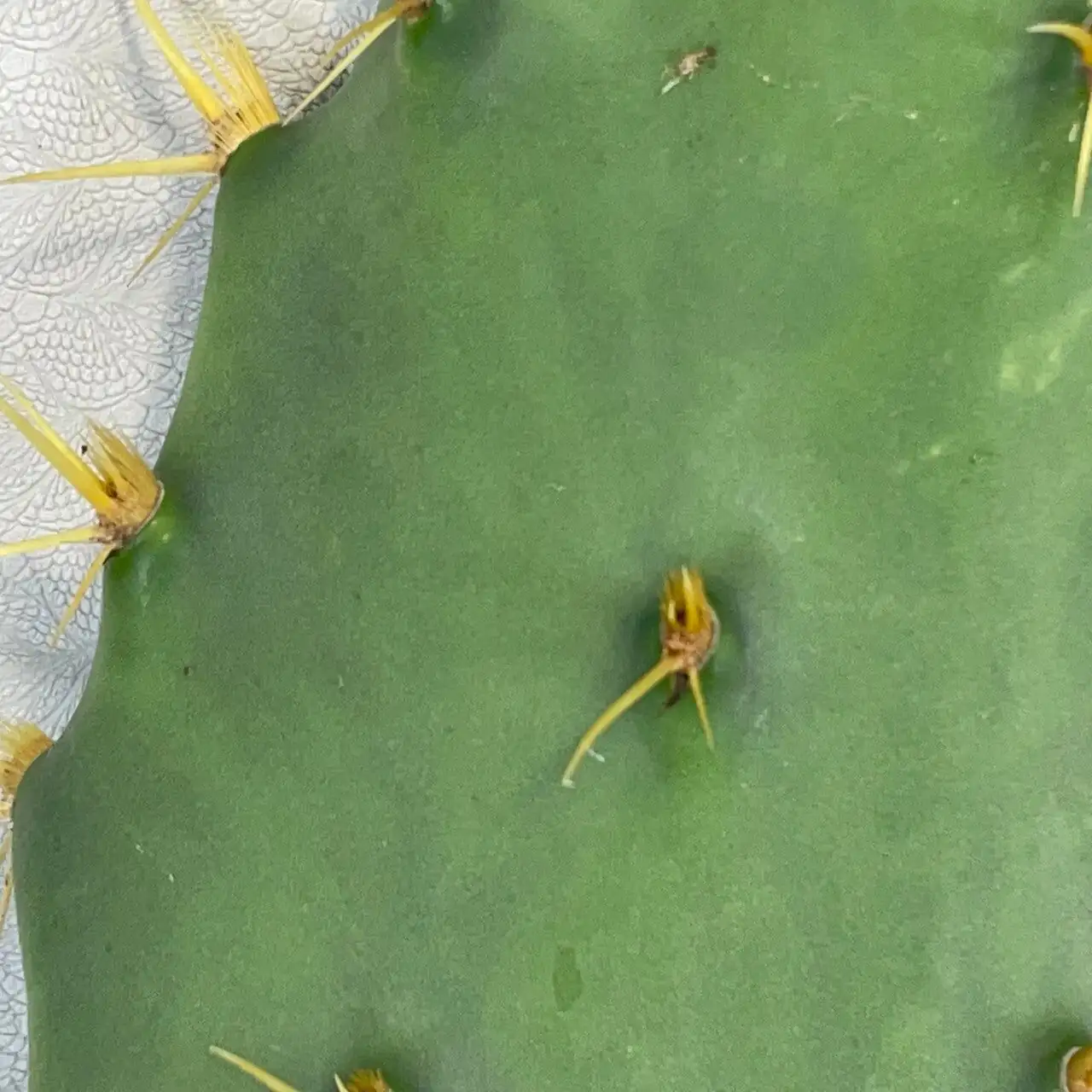
Red flags
- Pads go soft, translucent, or smell sour.
- Base blackens or collapses; pot feels heavy long after watering.
- Shriveling despite wet soil.
Immediate actions (same day)
1) Unpot gently. Shake/brush off soil to expose roots and base.
2) Cut away all brown/black mush back to firm, green-white tissue using sterilized blades.
3) Let the plant and any salvageable cuttings dry and callus in bright, indirect light with airflow:
- Small wounds: 24–48 hours.
- Large cuts/basal surgery: 3–7 days.
4) Repot into fresh, bone‑dry, fast‑draining cactus mix in a pot with drainage.
5) Do not water yet. Wait 10–14 days, then begin a light “soak and dry” schedule.
Pro tips for prevention
- Water thoroughly, then don’t water again until the mix is completely dry. In summer heat this could be weekly; spring/fall every 2–4 weeks; winter every 4–6 weeks or less.
- Provide at least 4–6 hours of direct sun and excellent airflow.
- Avoid high humidity with wet soil—this combo turbocharges rot.
Optional extras
- After cutting, dust wound edges lightly with powdered sulfur or plain cinnamon. Allow to callus fully before replanting.
2) Mealybugs (including root mealies)
Cottony tufts that hide in areoles, behind spines, and sometimes underground on roots.
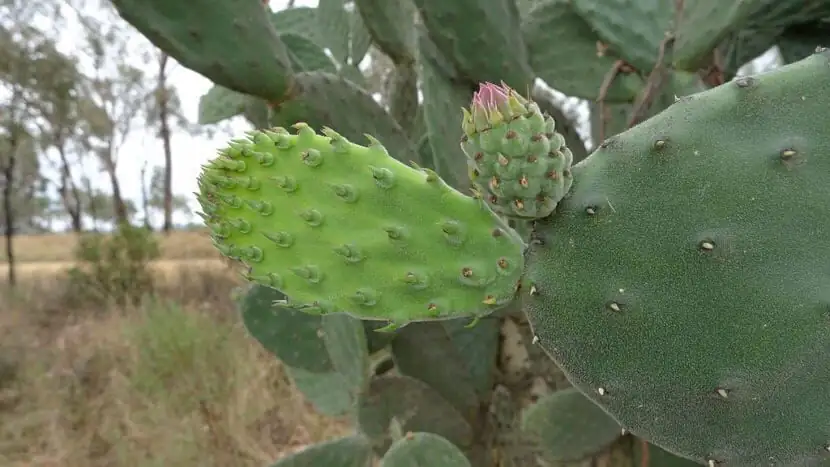
Quick confirmation
- Look for white fluff and sticky honeydew; ants often attend mealy colonies.
- For root mealies: if the top looks clean but growth stalls, unpot and inspect roots for white, linty residue.
Step‑by‑step treatment
1) Isolate the plant to stop spread.
2) Topside mealies: dab with 70% isopropyl alcohol on cotton swabs; for tight spaces, use a soft brush dipped in alcohol.
3) Rinse gently after 10–15 minutes to remove residue (avoid scorching sun during/after treatment).
4) If root mealies are present:
- Unpot, wash roots thoroughly under lukewarm water.
- Trim dead roots; let the plant air‑dry 24–48 hours.
- Repot in fresh, dry cactus mix; discard old soil.
- Wait 7–10 days before the first light watering.
5) Repeat inspections and spot treatments weekly for 3–4 weeks—new hatchlings are sneaky.
Tip
- Insecticidal soap is effective—use a ready‑to‑use product or a mild 1–2% mix, test a small area first, and keep out of full sun until dry.
3) Scale
Armored, pinhead bumps that cling hard; plants may look “frosted” or dotted on shady sides.
Quick confirmation
- Try to pry one off with a fingernail or tweezers: it pops off as a tiny shield, leaving a small mark.
- Pads may yellow or weaken with heavy infestations.
Step‑by‑step treatment
1) Isolate the plant.
2) Physically remove scale with tweezers, a soft toothbrush, or a firm water spray—work carefully around spines.
3) Follow with targeted dabs of 70% isopropyl alcohol or a gentle insecticidal soap.
4) Re‑check and repeat weekly for 3–4 weeks.
Note
- Avoid oil-based sprays on cacti in strong sun; oils can burn pads. If you try horticultural oil, do it in shade and test first—but mechanical removal + alcohol/soap is usually enough.
4) Spider Mites
Thrill-seekers of hot, dry corners; they stipple surfaces and may leave fine webbing.
Quick confirmation
- Tap a pad over white paper—moving specks are mites.
- Plant looks dusty, dull, and tired; growth may stall.
Step‑by‑step treatment
1) Move out of hot, blasting sun temporarily.
2) Give a thorough, gentle shower to dislodge mites (shield the soil if it’s winter or the mix is slow to dry).
3) After drying, spray with insecticidal soap or wipe accessible areas with diluted alcohol (50–70%)—test first.
4) Repeat every 4–7 days for 3 cycles to catch hatchlings.
5) Improve airflow and light; avoid keeping the soil wet while you treat.
Pro tip
- Mites love stale, dusty leaves—occasional rinses and strong light with air movement are your best defenses.
Glochid First Aid: Step‑by‑Step Relief
Opuntia glochids are tiny, barbed bristles that break off on contact. Act quickly—rubbing drives them deeper.
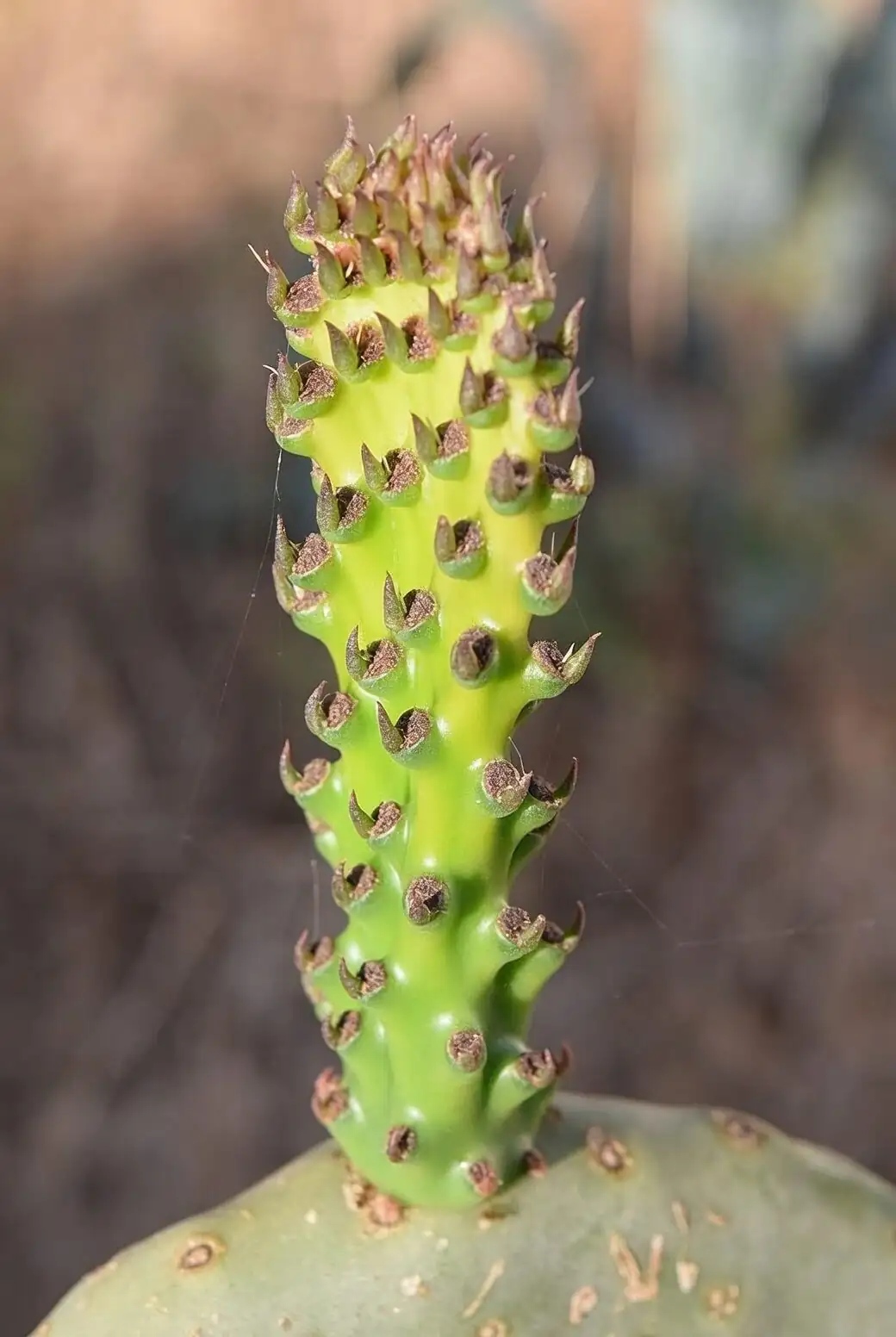
What to do immediately
1) Don’t scratch. Rinse skin with cool running water and mild soap to remove loose bristles.
2) Use adhesive:
- Press wide duct tape, packing tape, or a lint roller over the area; lift and replace several times.
- For stubborn clusters, spread a thin layer of white school glue; let dry fully, then peel off.
3) Tweezers for visible spines. Use magnification and good light; pull at the angle of entry.
4) Soothe and protect. Apply a hydrocolloid bandage overnight to draw out micro‑barbs.
5) Cleanse again and monitor. Redness and mild itching are common; use a cool compress.
When to seek help
- Glochids in eyes, nose, mouth, or deep in a joint—see a clinician immediately.
- Increasing pain, swelling, pus, or fever—possible infection.
- For puncture wounds from large spines, clean thoroughly; seek medical advice if you haven’t had a recent tetanus shot.
Handling tips to avoid repeats
- Wear snug nitrile gloves plus tongs when moving pads.
- Wrap pads with a folded towel, thick paper, or multiple layers of newspaper before gripping.
- Keep Opuntia away from high‑traffic paths indoors.
Keep It Thriving: Light, Water, Soil, and Air
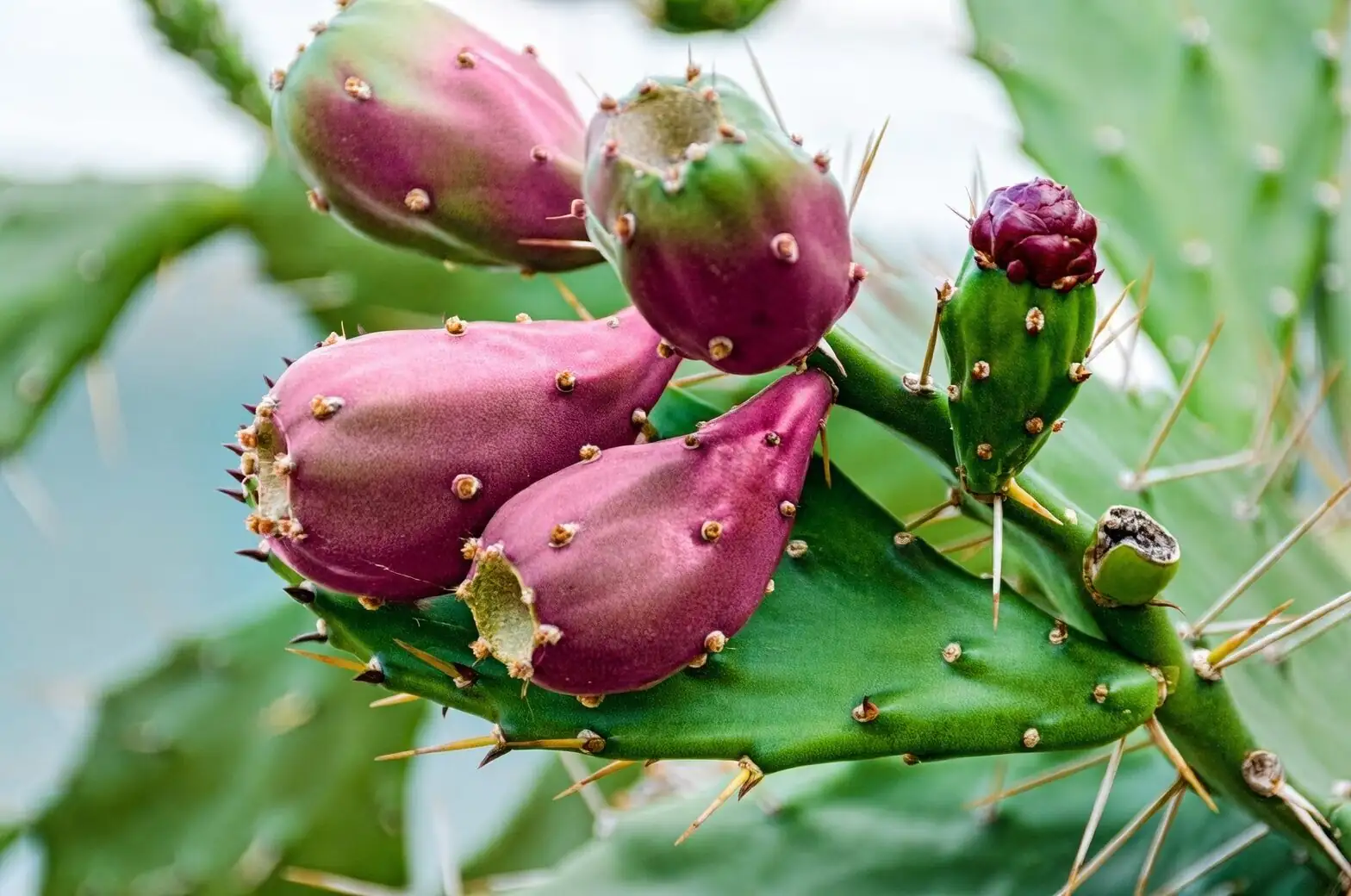
- Sunlight: Bright, direct sun is best—aim for 4–6+ hours daily. In extreme summer heat, provide brief afternoon shade to prevent sunburn.
- Temperature: Happy around 20–30°C (68–86°F); tolerates hotter days in growth. Protect from frost; keep above about 5°C (41°F) in winter.
- Humidity: Prefers dry air. High humidity plus wet soil = rot risk.
- Soil: Use a fast‑draining cactus mix with sand/perlite/pumice. The goal: water never lingers.
- Watering: Soak and dry. Frequency shifts with season—spring/fall every 2–4 weeks, summer possibly weekly if mix dries quickly, winter every 4–6 weeks or less.
- Airflow: Crucial. Stagnant air invites mites, mold, and mealybugs.
A Simple Prevention Routine
Weekly (growing season)
- Quick visual scan of areoles and pad joints.
- Lift the pot: if it’s still heavy, don’t water.
- Wipe dust with a soft brush; check for ants (they herd mealies).
Monthly
- Rotate the plant for even sun; watch for stretching.
- If you’ve had past pest issues, a careful once-over with a magnifying glass is time well spent.
Anytime you buy or swap plants
- Quarantine newcomers 2–3 weeks.
- Inspect roots during the first repot for mealies.
Smart Surgery, Repotting, and Propagation
- Pruning: Only remove dead, damaged, rotting, or severely stretched sections. Sterilize blades; let wounds dry/callus before moisture exposure.
- Repotting: Infrequent—every 3–5 years or when truly rootbound. Choose a pot just one size up, with drainage.
- Propagation (best in late spring to early summer): Take a healthy pad, let it callus 2–3 days, then set into dry cactus mix. Start light watering after 10–14 days once roots form.
Safety and Pets
- Non-toxic to people and pets, but spines and glochids can injure skin. Place thoughtfully away from kids and curious animals.
Culture, Bloom, and Symbolism
- Flowers: Spring through summer (March–July), showy bowls of color that can be fleeting—sometimes just a day of drama.
- Flower language and symbolism: Cacti are widely seen as emblems of endurance and protection—the idea that love and life can thrive with very little, and bloom brilliantly when conditions are right. This symbolism traces to their ability to survive in arid lands and to cultural histories across the Americas where cacti have long provided food, shelter, and dyes. It’s a reminder that resilience isn’t about being hard; it’s about being resourceful.
Quick Reference: Your Opuntia Toolkit
- 70% isopropyl alcohol, cotton swabs, soft toothbrush
- Tweezers, magnifying glass
- Insecticidal soap (ready-to-use), spray bottle
- Fresh cactus mix, drainage pot, perlite/pumice
- Clean, sharp knife/pruners, powdered sulfur or cinnamon
- Duct tape or lint roller, white school glue, hydrocolloid bandages
- Tongs and nitrile gloves
With strong light, a strict soak‑and‑dry rhythm, and a little vigilance, Opuntia dillenii pays you back with sculptural pads, sunlit blooms, and a personality that’s all grit and glow. And if trouble shows up? Now you’ve got the fixes to send it packing—fast.