

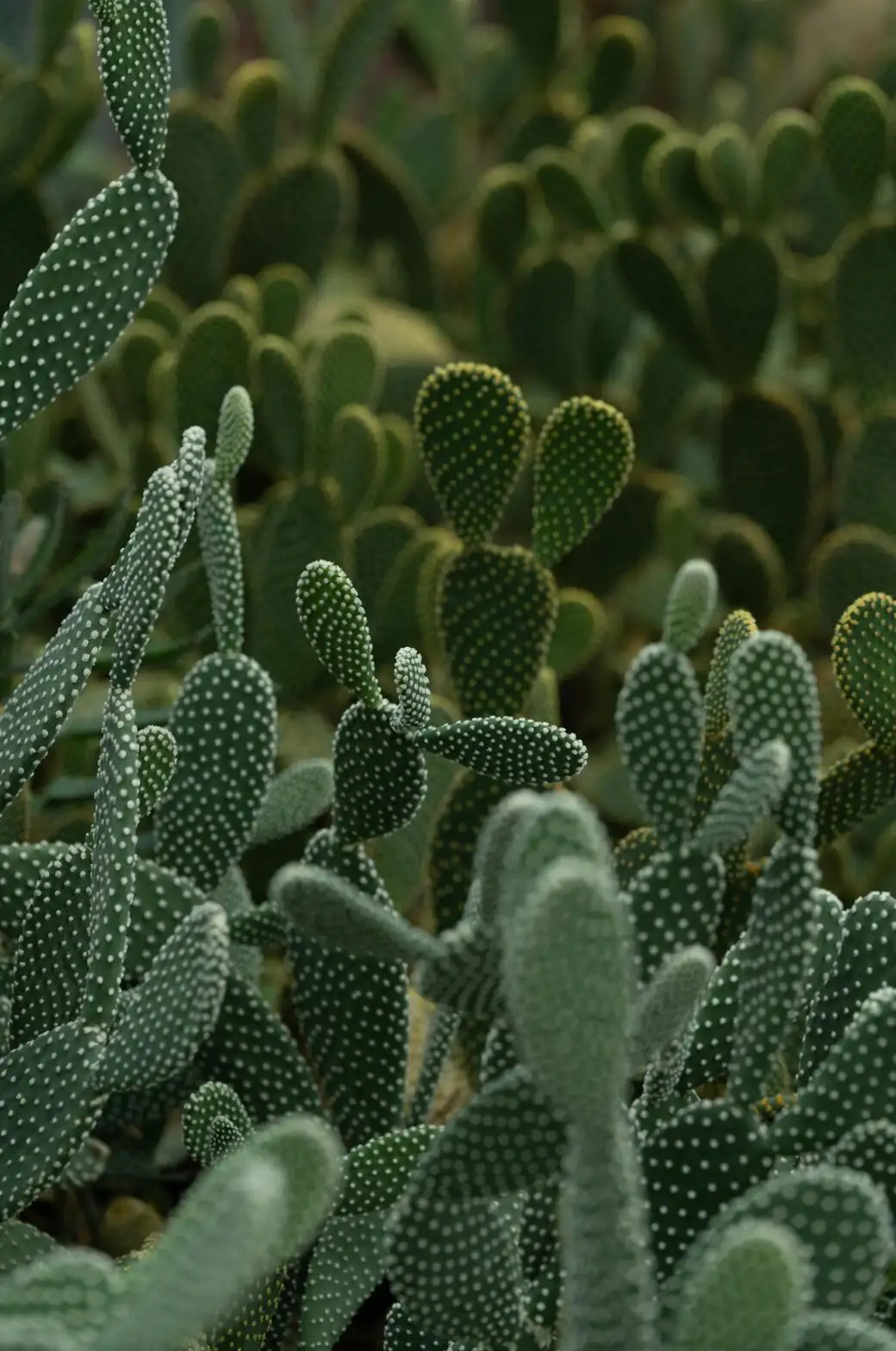
If you’ve ever admired the bold paddles of a prickly pear and dreamed of sun‑splashed flowers, Opuntia dillenii is your no‑drama ticket. Give it a simple, seasonally tuned routine for water, light, temperature, and feeding, and it will sprint into spring growth, breeze through summer heat, and set itself up in winter for a spring-to-summer bloom show.
Meet your plant (and its superpowers)
- Scientific name: Opuntia dillenii (Ker Gawl.) Haw.
- Family: Cactaceae (the cactus family)
- Also called: Prickly Pear, Paddle Cactus, Nopal, Opuntia
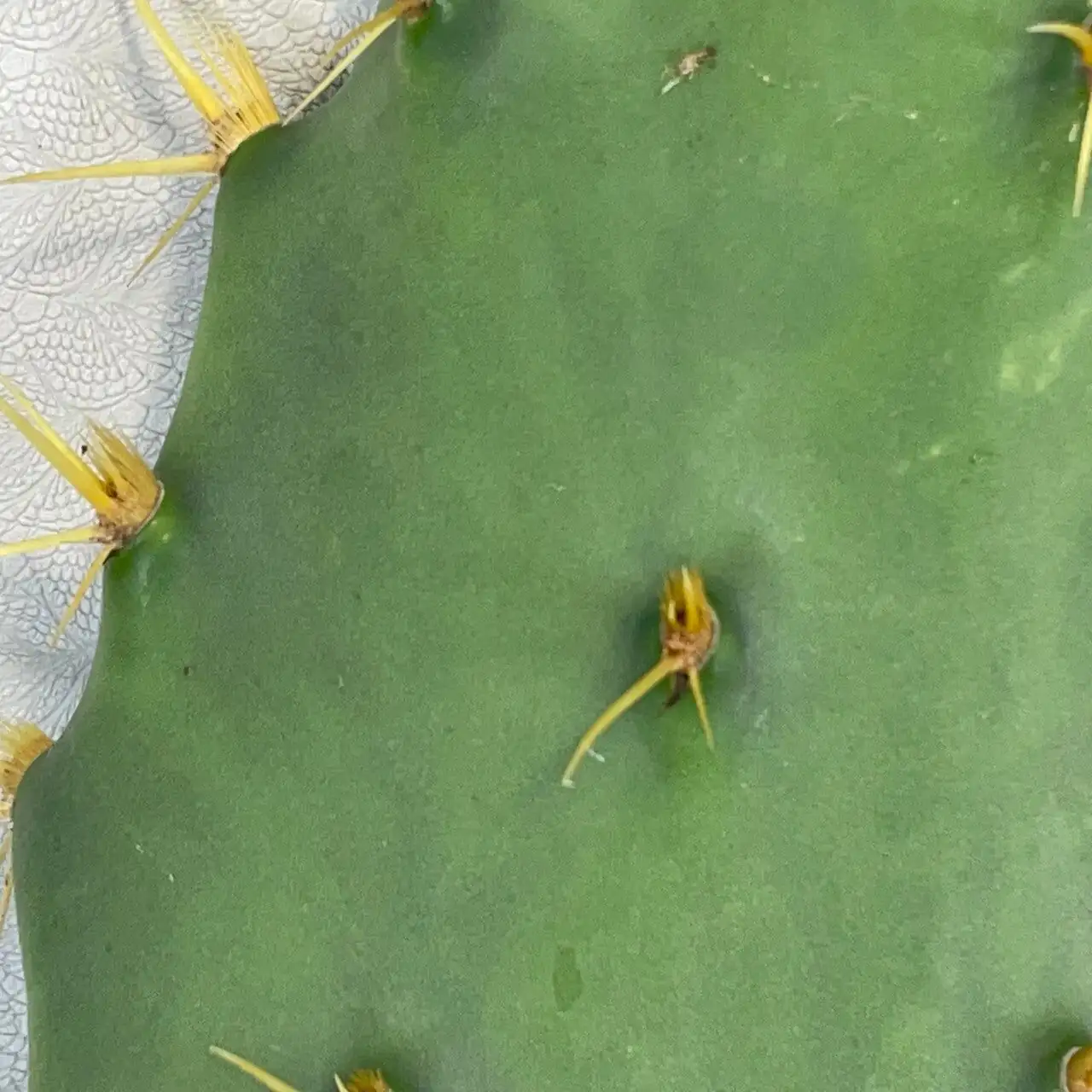
- Look and feel: Flat, fleshy green pads (they’re stems doing photosynthesis), with spines and tiny, barbed glochids at the areoles—handle with tongs or thick gloves.
- Native vibe: From the Americas’ deserts and drylands—sunny, dry, and fast‑draining is the whole brief.
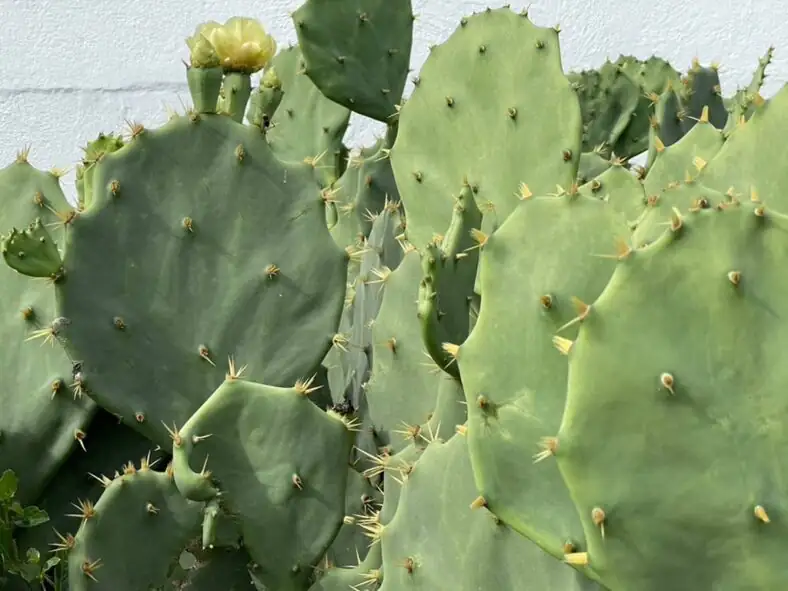
- Flowers: Typically spring through summer (March–July), with surprisingly glamorous, silky blooms.
The no‑fail, season‑by‑season routine
Spring (Mar–May): Wake-up and growth spurt
Goal: Kickstart root and pad growth safely, priming the plant for flowers.
- Light
- Aim for 4–6+ hours of direct sun, especially morning to midday.
- If moving from dimmer winter light, acclimate: add 1 hour of direct sun per week to avoid sunscald.
- Temperature
- Happy at 20–30°C (68–86°F). Cool nights around 15–25°C (59–77°F) are ideal.
- Watering
- Switch to “soak and dry”: water thoroughly until water runs from the drainage hole, then wait for the mix to dry fully before watering again.
- Typical rhythm: every 2–4 weeks, but only when bone-dry.
- Feeding
- Start light feeding once growth resumes: 1–2 times per month with cactus fertilizer at 1/4–1/2 strength.
- Prime time tasks
- Repot (only if needed) in fresh, gritty cactus mix; choose a pot just 1–2 sizes larger.
- Best window for propagation by pads/offsets: take a pad, let it callus 2–3 days, then set into dry mix. Begin light watering after 10–14 days.
Summer (Jun–Aug): Strong light, stress‑free heat
Goal: Keep photosynthesis high without scorching; growth stays steady and sturdy.
- Light
- Full sun is excellent; in very hot regions, offer brief afternoon shade to prevent sunburn on pads.
- Rotate every 2–3 weeks for even growth.
- Temperature
- Actively tolerates hot days around 30–40°C (86–104°F) with cooler nights. Ensure airflow.
- Watering
- Still soak and dry. In intense heat, a fast-draining mix may dry weekly—water only when fully dry.
- Use the “lift test” (pot feels very light) or a chopstick probe (comes out dry).
- Feeding
- Continue 1–2×/month at low strength. Pause feeding during extreme heat waves if growth stalls.
- Protection pointers
- Signs of too much sun: bleached, pale patches or bronzing. Add light afternoon shade and improve airflow.
- Avoid high humidity with wet soil—rot risk rises.
Fall (Sep–Nov): Taper and set the stage
Goal: Ease the plant toward a restful, bloom‑enabling winter.
- Light
- Keep it bright—4–6 hours of direct sun as days shorten.
- Temperature
- Enjoy day/night swings; cooler nights are helpful as long as you keep it above 5°C (41°F).
- Watering
- Lengthen intervals. Many plants shift to every 3–4 weeks or longer—always wait for complete dryness.
- Feeding
- Reduce, then stop by late fall. No fertilizer once growth slows.
- Prep
- Clean debris from the soil surface; check for mealybugs or scale in the areoles. Avoid repotting now.
Winter (Dec–Feb): Bloom‑ready rest
Goal: A cool, bright, low‑water rest that cues spring flowers.
- Light
- Brightest window you have (south-facing if possible). Keep those 4–6 hours of direct light.
- Temperature
- Keep above 5°C (41°F). A cool period around 10–15°C (50–59°F) with noticeable day/night swings helps set buds for spring–summer bloom.
- Watering
- Minimal. Typically every 4–6+ weeks—just enough to prevent shriveling. Never water cold, soggy soil.
- Feeding
- None. Let it rest.
Watering mastery: quick cheat sheet
- Always prioritize drainage. Use a pot with a large drain hole and a gritty mix so water never lingers.
- Soak thoroughly, then wait for complete dryness. Err on the side of underwatering.
- Don’t let water pool at the pad base; pour at the soil line.
- Terracotta helps the mix dry faster; plastic holds moisture longer—adjust intervals accordingly.
- Common overwatering clues: soft, mushy pads, blackened bases, or a sour smell. Act fast—unpot, remove rot, and repot into dry, fresh cactus mix.
Light like a desert (without the drama)
- Give robust, direct sunlight daily. Indoors, place within 1 ft of a sun‑drenched window and rotate for symmetry.
- Acclimate to strong sun over several weeks each spring.
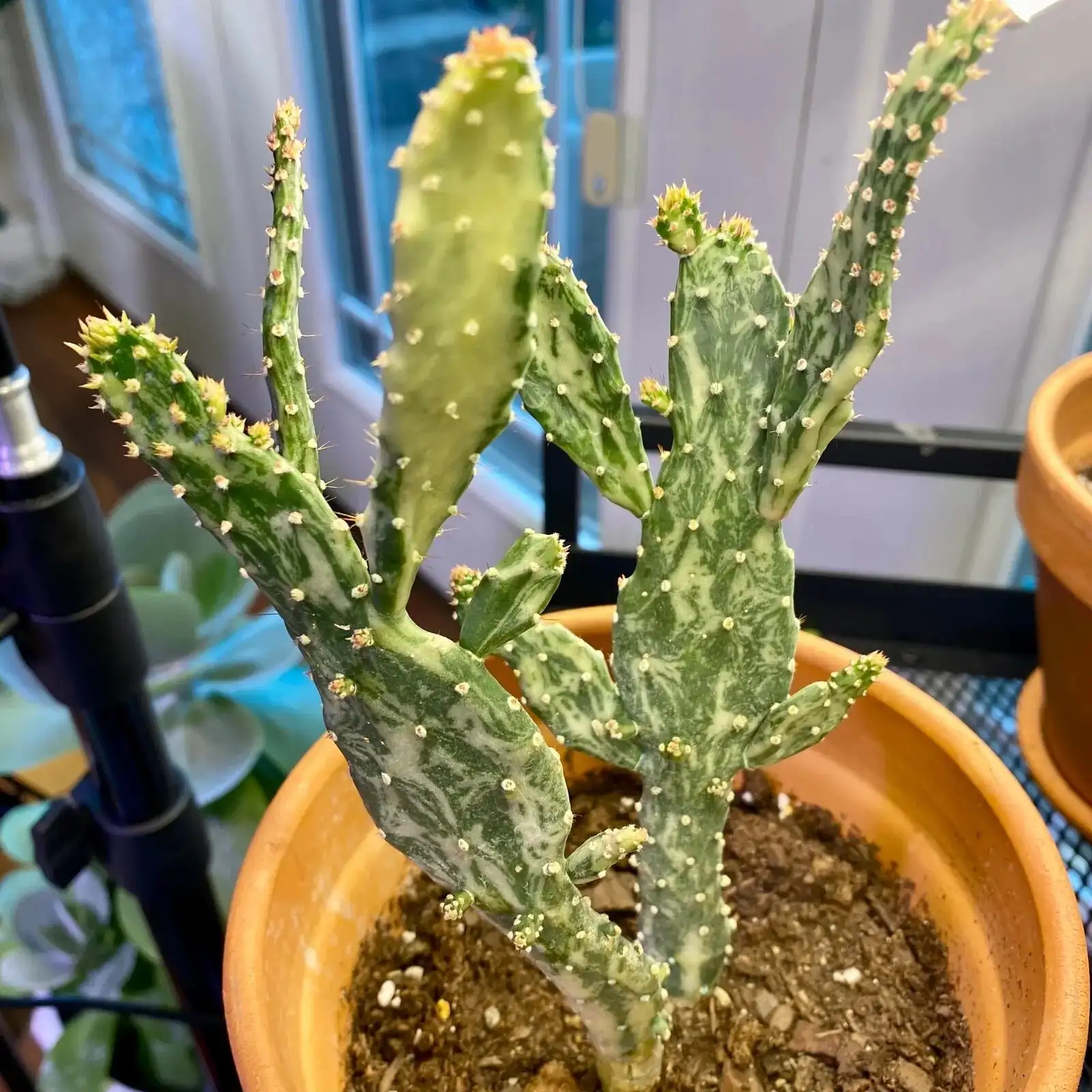
- Too little light: stretching, thin or leaning pads, and weak growth; flowering is unlikely.
- Too much, too fast: scorched, pale patches—add short afternoon shade in extreme heat.
Soil, pots, and feeding that fuel sturdy pads
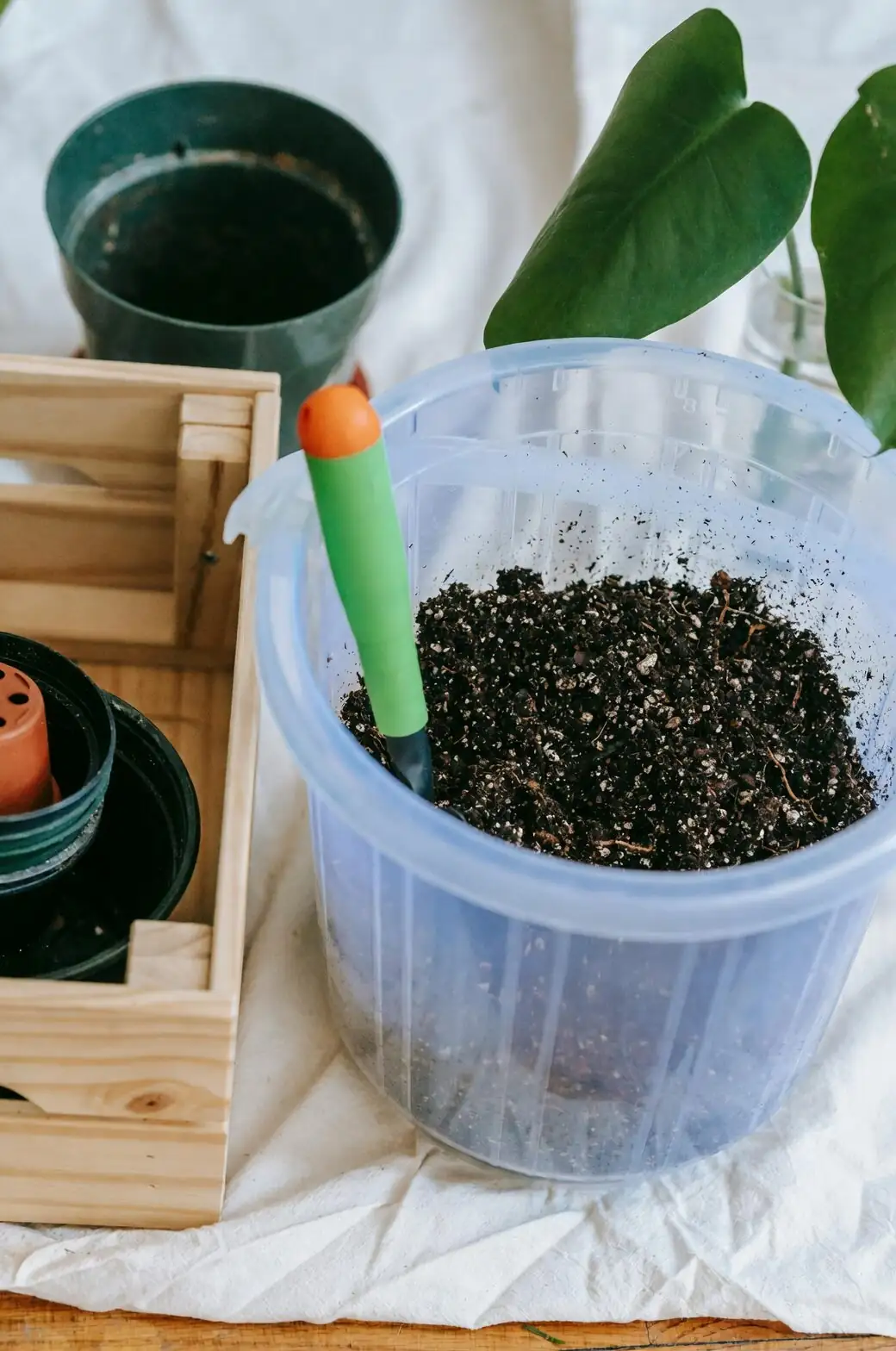
- Soil
- Use a fast‑draining cactus or sandy, gritty mix. Many growers aim for 50–70% mineral content (pumice, coarse sand, perlite) for rapid dry‑down.
- Pots
- Choose snug, shallow, well‑drained containers; avoid oversized pots that keep roots wet.
- Fertilizer
- Spring–summer only, 1–2×/month at 1/4–1/2 strength. Low‑nitrogen cactus formulas are ideal.
- Stop feeding in fall and winter to encourage a proper rest.
Temperature and humidity sweet spot
- Best growth: 20–30°C (68–86°F); tolerates hotter days in active season with cooler nights.
- Winter minimum: keep above 5°C (41°F).
- Prefers dry air. High humidity plus wet soil is a rot trap—ensure airflow and avoid steamy rooms.
Pruning, propagation, and repotting rhythm
- Pruning
- Minimal. Remove only dead, damaged, rotting, or badly stretched pads. Sterilize tools; let cuts callus before any watering.
- Propagation
- Pads/offsets in late spring or early summer: callus 2–3 days, plant in dry mix, begin light watering after 10–14 days.
- Seeds are slower but rewarding for patient growers.
- Repotting
- Every 3–5 years or when clearly root‑bound. Best in spring to align with active growth.
Pests, diseases, and quick fixes
- Usual suspects: mealybugs, scale, spider mites. Dab pests with 70% isopropyl alcohol on a cotton swab or use insecticidal soap; boost airflow and light.
- Rot is the big one: caused by overwatering or poor drainage. Remove affected tissue, allow to dry, and repot into fresh, dry mix.
Indoors vs. outdoors
- Outdoors (best in USDA Zones 9–11): full sun with brief afternoon shade in extreme heat; protect from frost.
- Indoors: a south or west window with hours of direct sun. Keep it away from high‑traffic areas—spines and glochids are unfriendly to curious hands and pets.
Getting to bloom: your mini‑playbook
- Light: abundant direct sun year‑round.
- Water: never while soil is even slightly damp; lean and dry in winter.
- Feeding: modest in spring–summer; none in winter.
- Temperature: cool, bright winter rest above 5°C (41°F), ideally 10–15°C (50–59°F) nights with day/night swings.
- Timing: Expect flowers mainly March–July when you’ve nailed the winter rest.
Safety, uses, and character
- Safety: Generally non‑toxic, but the spines and tiny glochids can penetrate skin—handle with care and keep clear of children and pets.
- Uses: Architectural ornamental; many Opuntia species are valued for edible pads and fruits, and they support wildlife in arid ecosystems.
Symbolism and flower language (花语), thoughtfully considered
Cacti like Opuntia dillenii symbolize resilience, endurance, and protection—life that thrives where others falter. Popular “flower language” assigns steadfast love and quiet strength to cactus blooms, likely inspired by their tough exteriors and short‑lived, luminous flowers. While not rooted in a single historic tradition, these meanings echo Indigenous respect for cacti across the Americas and the enduring legend of an eagle on a cactus that guided the founding of Tenochtitlan—an emblem of guidance and grit still honored today.
—
Follow this seasonal rhythm—sun‑forward, water‑wise, and rest‑respecting—and your Opuntia dillenii will answer with firm, glossy pads, stress‑free summers, and a spring–summer bloom tease that feels all the sweeter for the calm, bright winter that came before.