

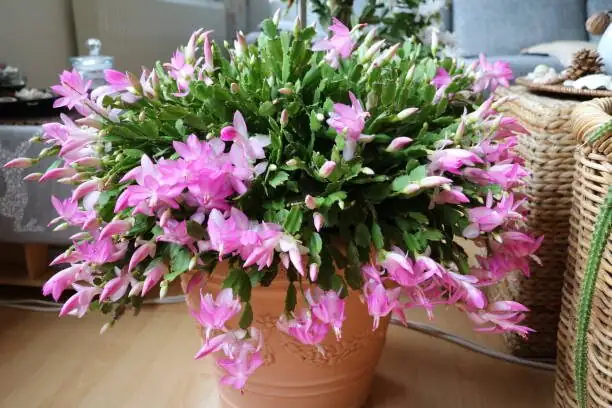
If you treat Easter Cactus like the rainforest epiphyte it is—not a desert cactus—you’ll get a cloudburst of starry blooms right when you crave spring the most. Here’s your season-by-season playbook to keep Hatiora gaertneri (syn. Rhipsalidopsis gaertneri, Schlumbergera gaertneri) thriving, blooming, and aging into a handsome, flower-loaded heirloom.
Meet your plant at a glance
- Common names: Easter Cactus, Spring Cactus, Holiday Cactus, Whitsun Cactus
- Native rhythm: Southeastern Brazil’s coastal mountains; grows on trees or rocks in tropical/subtropical rainforests
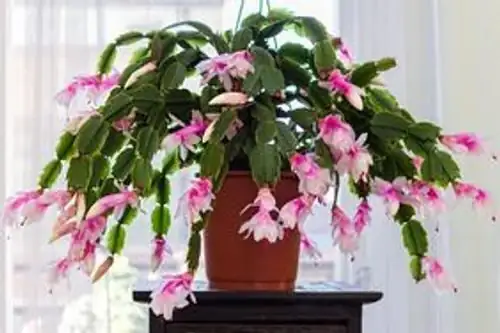
- Habit and size: Bushy, semi-trailing mound, 6–12 in tall and 1–2 ft wide; perfect in hanging baskets or on a shelf to spill gently
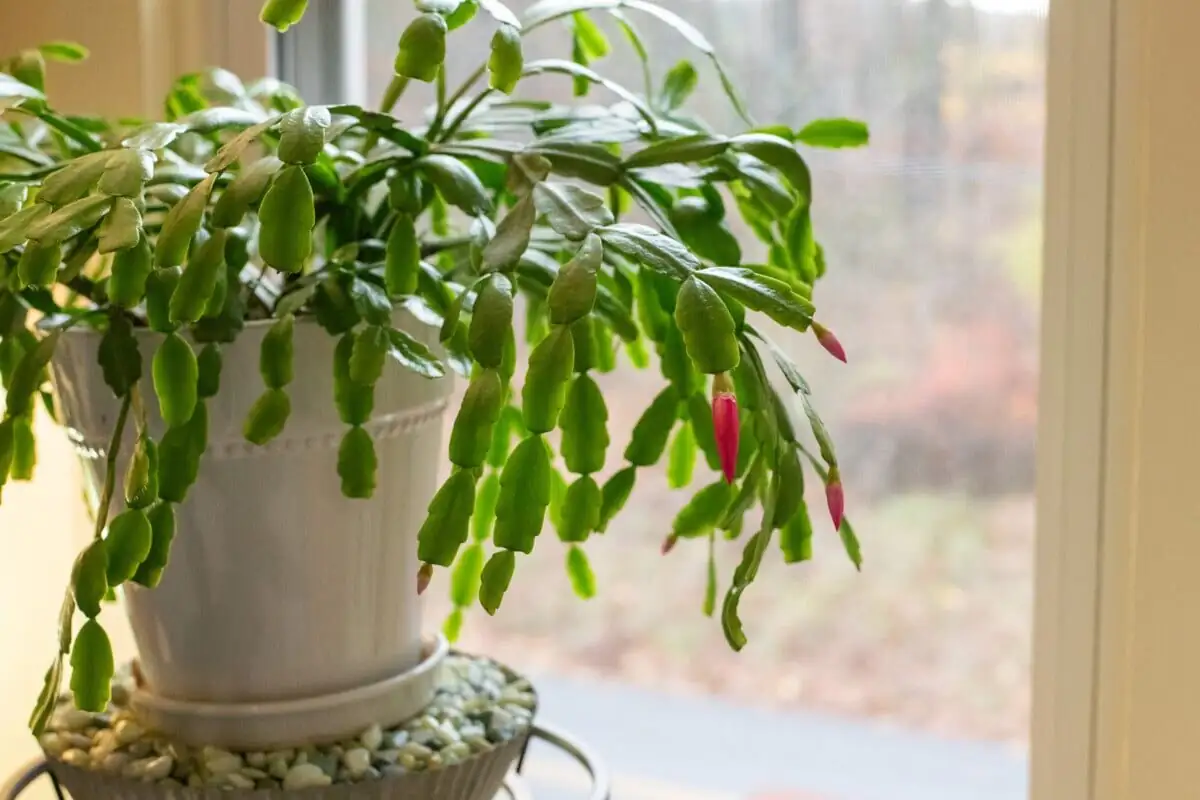
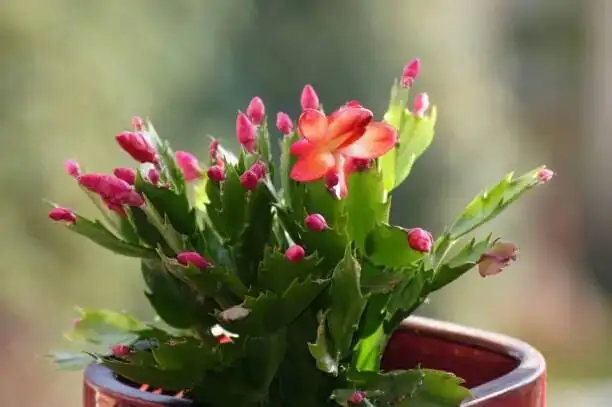
- Looks: Flat, fleshy, scalloped segments; new growth may blush purplish-red and edges tint red in good light
- Flowers: Day-opening, star-shaped blooms in red, pink, orange, purple, or white; usually March–May
- Light and air: Bright, filtered light; higher humidity (aim for ~50%+); fast-draining, airy epiphyte mix
- Temperatures: Best at 60–75°F (15–24°C); for bud set, cooler nights 50–60°F (10–15°C) and a distinct day–night drop
- Safety: Generally non-toxic to people and pets
Note: Month references assume Northern Hemisphere timing—flip by ~6 months if you’re south of the equator.
Your seasonal planner
Spring (March–May): Bloom care and the gentle reset
This is showtime—keep conditions steady so buds open and the display lasts.
- Watering
- Keep lightly and evenly moist while in bloom; never soggy.
- Let the top layer of mix dry slightly between waterings, but don’t allow the plant to go bone-dry for long—dry stress shortens the bloom.
- Always drain thoroughly; never leave the pot sitting in water.
- Feeding
- Hold fertilizer during peak bloom.
- After flowering finishes, give a short rest of 2–3 weeks with reduced water.
- Begin feeding 4–6 weeks after flowering finishes with a balanced fertilizer (10-10-10 or 15-15-15), monthly or every 2–4 weeks at half strength.
- Light and temperature
- Bright, indirect light or soft morning sun through a curtain.
- Average home temps are fine; avoid hot, direct sun that can scorch segments.
- Pruning (right after flowering)
- Optional but useful for shaping and more blooms next year.
- Twist off or clean-cut end segments at the joints to encourage branching (more tips = more flowers).
- Repotting (after bloom)
- Every 2–3 years; this plant likes to be slightly pot-bound.
- Upsize only 2–3 in (5–8 cm) wider; terracotta helps airflow and drying.
- Use an airy epiphyte mix: cactus/succulent mix + extra perlite + orchid bark; slightly acidic (pH ~6.0–6.5).
- Quick spring checklist
- Keep humidity ~50%+.
- Avoid big moves or drafts—sudden changes can cause buds to drop.
Summer (June–August): Quiet growth and easy living
Think bright shade, gentle moisture, and regular feeding.
- Watering
- Water thoroughly, then let the top portion of mix dry before the next drink.
- Typical home cadence: about every 1–2 weeks, depending on light, heat, pot size, and mix. Never let it sit in water.
- Feeding
- Continue a balanced feed monthly (or every 2–4 weeks at half strength).
- Light and placement
- Indoors: Bright, filtered light near a bright window or a few feet back from a strong south/west exposure.
- Outdoors (warm climates): Sheltered shade or bright shade; acclimate gradually and protect from hot, direct sun.
- Heat and humidity
- Ideal temps 60–75°F (15–24°C). If it’s very warm, boost humidity with a pebble tray, grouped plants, or a humidifier.
- Propagation (prime time)
- Take 2–3 segment tip cuttings about 2–3 months after bloom.
- Let cut ends callus 1–2 days; insert into lightly moist, airy mix (bury half the bottom segment).
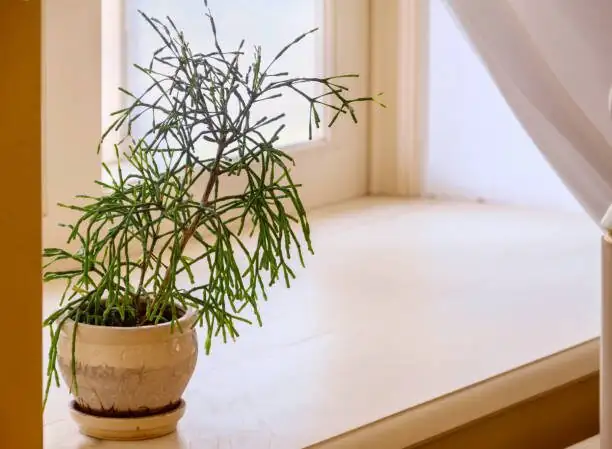
- Roots in ~2–4 weeks. Dividing an older plant also works.
- Watch-outs
- Pests such as mealybugs, scale, spider mites, and fungus gnats target stressed plants—good airflow and proper watering are your best defense.
Fall (September–November): Wind-down and set the stage
You’re easing the plant toward a short, restful period that preps it for bud initiation later.
- Watering
- Gradually reduce frequency—allow a bit more drying between waterings while avoiding total desiccation.
- Feeding
- Stop fertilizing in fall to encourage dormancy.
- Light and temperature
- Keep bright, indirect light by day.
- Begin favoring cooler nights when possible; a noticeable day–night temperature drop helps prime the plant.
- Do not
- Prune or repot now—buds are being cued and you don’t want to interrupt the cycle.
- Fall focus
- Stable placement and a calm routine build momentum for winter bud setting.
Winter to late winter (December–February): Dormancy and bud initiation
This is when you nudge the “rainforest cactus” into spring bloom mode.
- The cool + dark routine (6–8 weeks before desired bloom)
- Nights: 50–55°F (10–13°C) if you can manage it.
- Day–night difference: Aim for a clear drop at night.
- Darkness: About 12 hours of uninterrupted darkness nightly. Keep away from evening lamps or streetlights (a spare room, an unused closet at night, or a dark corner works).
- Watering
- Light watering only—keep the mix just barely on the moist side of dry. Do not let it sit wet.
- Feeding
- No fertilizer during dormancy. Once buds are visible and you start easing back to regular watering and warmer days, you can offer a very light, higher-phosphorus nudge if desired—but keep feeding modest until post-bloom.
- When buds appear
- Resume slightly more frequent watering to prevent drought stress.
- Don’t relocate the plant—changes in light, temperature, or humidity can cause bud drop (especially common in newly purchased, budded plants).
- Maintain humidity near 50%+.
Soil and potting essentials
- Mix recipe
- 2 parts quality cactus/succulent mix
- 1 part perlite or pumice
- 1 part medium orchid bark
- Optional: a pinch of horticultural charcoal
- Container
- Must have drainage; terracotta/clay improves airflow.
- Slightly pot-bound is best; upsize sparingly.
Troubleshooting by season and symptom
- Bud drop (winter/early spring)
- Common after a move or abrupt changes; keep conditions steady.
- Provide long nights + cool nights; avoid drafts and heating vents; don’t let the mix swing from soggy to bone-dry.
- Limp, shriveled segments (any season)
- Underwatering or root issues. Check moisture, then roots. If roots are healthy, water more consistently; if they’re brown/mushy, repot into a fresh, airy mix and correct watering.
- Yellowing or translucent segments
- Overwatering or poor drainage. Let the top layer dry more between waterings; ensure the pot drains freely.
- Reddish edges
- Often normal under bright light and can signal good vigor; if segments scorch or bleach, reduce direct sun.
- Pests
- Mealybugs, scale, spider mites, fungus gnats.
- Respond with a gentle shower, cotton swabs with alcohol for mealybugs/scale, and improved airflow. Let the top layer of soil dry a bit more to discourage gnats.
Easter Cactus vs. Christmas Cactus (quick ID tip)
- Easter Cactus (Hatiora gaertneri): Smoother, scalloped segment edges; star-shaped flowers in spring.
- Christmas/Thanksgiving cacti: Segments have more pointed “teeth” and flowers are more tubular/asymmetrical, blooming late fall to winter.
A note on meaning, history, and longevity
- Symbolism
- With its precisely timed spring blossoms, Easter Cactus has become a living emblem of renewal and hope—nature’s way of saying “brighter days are back.” This association grew from its bloom season aligning with spring holidays and the wider cultural themes of rebirth.
- A storied houseplant
- Delighted collectors since the early 1900s as rainforest cacti entered cultivation. Its shifting scientific names reflect botanists’ ongoing effort to untangle this fascinating group.
- Built to be a keeper
- With steady care and the seasonal cues above, plants often live 10+ years, getting fuller and more floriferous with age.
Quick reference: Watering and feeding at a glance
- Water
- Spring bloom: Evenly moist, never soggy; don’t let it dry out completely.
- Post-bloom rest (2–3 weeks): Less water.
- Summer growth: Thorough water, then allow the top portion to dry; typical cadence every 1–2 weeks.
- Fall into winter: Reduce watering; keep just lightly moist during dormancy/bud set.
- Feed
- Start 4–6 weeks after flowering finishes; balanced feed monthly (or every 2–4 weeks at half strength) spring through summer.
- Pause feeding in fall and during winter dormancy.
- Optional: Once buds are clearly set and you’re easing out of dormancy, a gentle, slightly higher-phosphorus boost can support flowering—use sparingly.
Give your Easter Cactus bright, filtered light, a breathable mix, and those crucial “cool + dark” winter nights, and it will meet you every spring with a constellation of flowers—like a celebration your plant has been planning all year.