

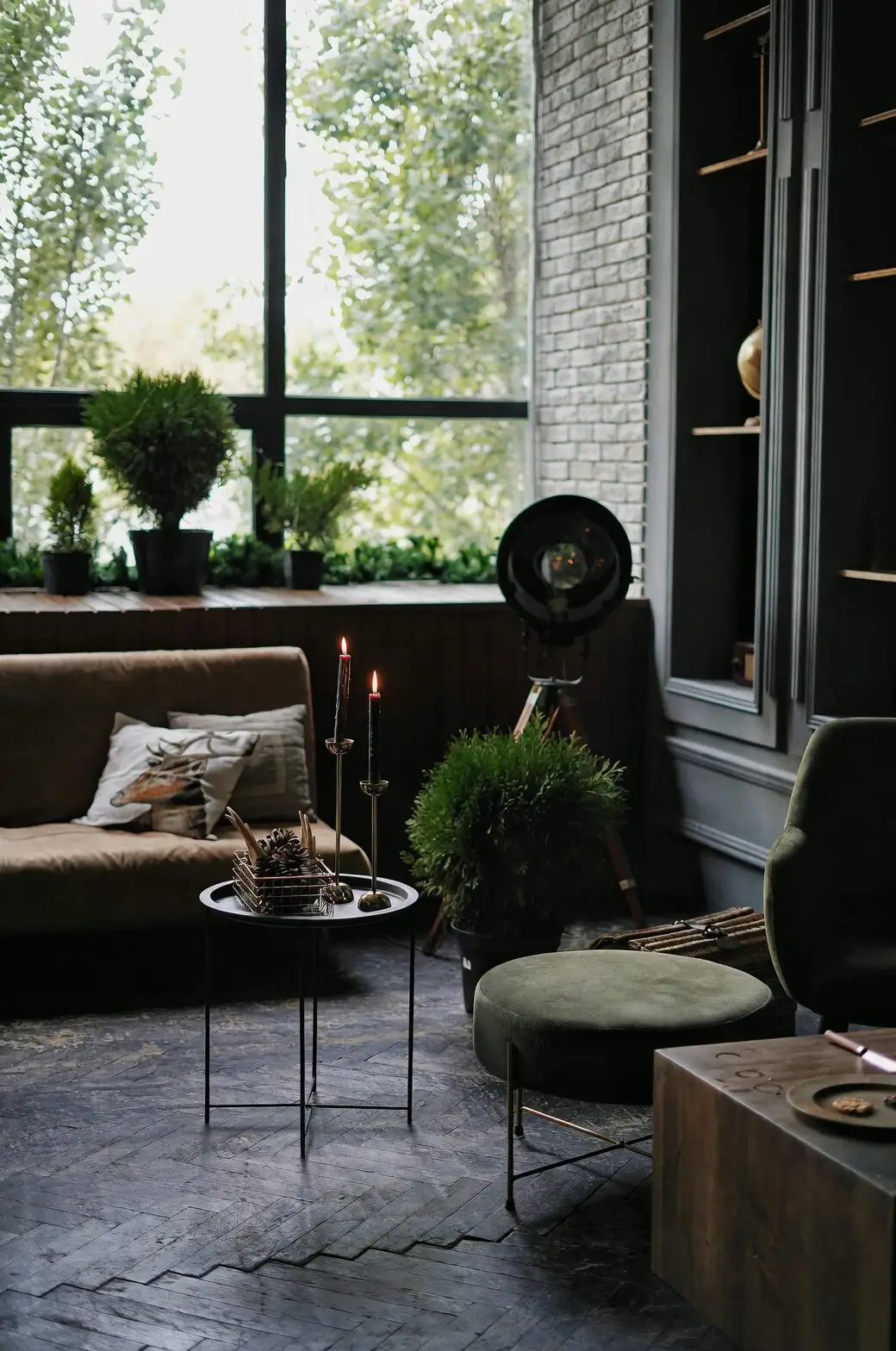
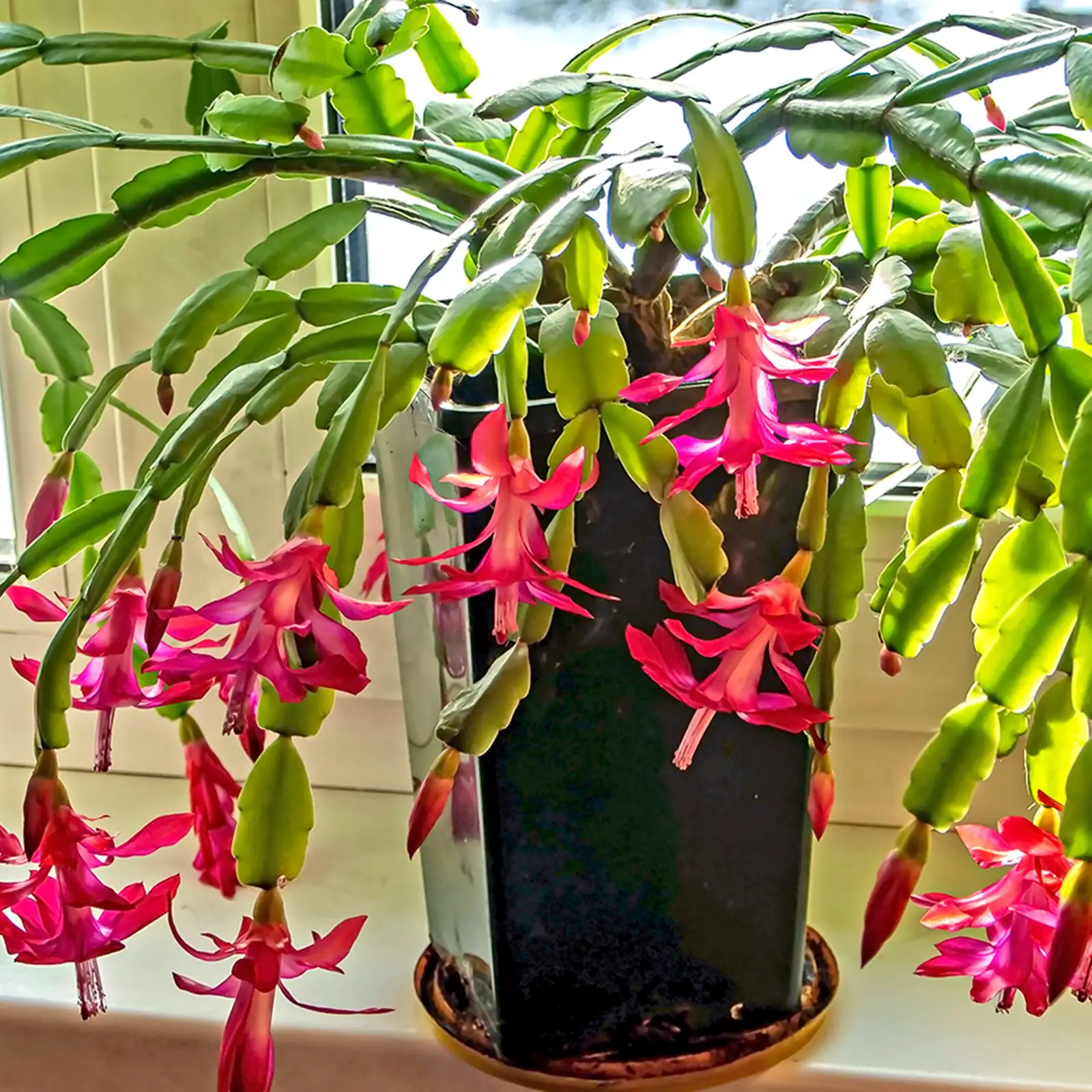
Think of Hatiora gaertneri—better known as Easter Cactus—as the soft-focus lens of the cactus world: bushy, slightly trailing, and topped with star-shaped spring blooms that read as “instant refresh” for compact interiors. Native to Brazil’s coastal rainforests, this is a tropical epiphyte, not a desert dweller, which means it thrives in bright, filtered light, a touch of humidity, and airy potting mixes. In small spaces, it’s a dream: graceful, eye-level friendly, and endlessly styleable.
Meet the plant with built-in poise
- Names you’ll see: Hatiora gaertneri (syn. Rhipsalidopsis gaertneri, Schlumbergera gaertneri)
- Habit: Bushy, semi-trailing mound—perfect for baskets and pots that let it spill slightly over the rim
- Size: About 6–12 in (15–30 cm) tall and 1–2 ft (30–60 cm) wide with time
- Texture: Flat, neatly scalloped stem segments (the “leafy” look is actually stems). New growth can blush purplish-red, then mature to green with pretty red edging in strong light
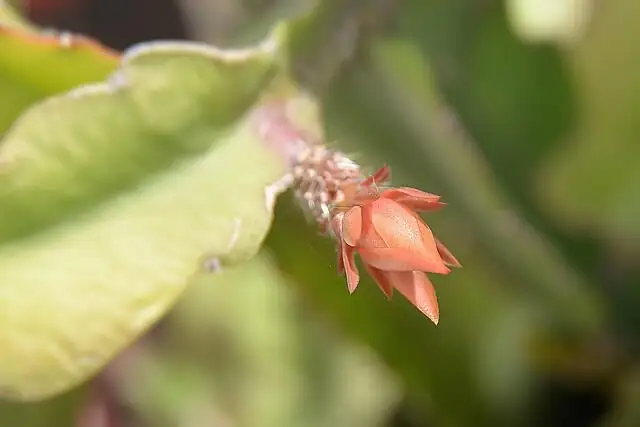
- Bloom: Star-shaped flowers in spring (March–May), in reds, pinks, oranges, purples, or white; they open by day and close at night. A happy plant can stage a many-flower encore
Design takeaway: its arching stems read as soft and sculptural—ideal in hanging planters, perched on shelves, or lifted on pedestals so the form can drape.
Placement that makes it shine (even in tight quarters)
Light sweet-spot
- Bright, indirect light or partial shade is best
- Gentle morning sun is usually fine; avoid harsh midday/afternoon direct sun that can scorch segments
- Great rule for strong south/west windows: place 5–8 ft (1.5–2.5 m) back or filter with sheers
Small-space layout ideas
- The “float and spill” shelf: Place in a low, wide pot near the front edge so segments can cascade without touching a wall. Add a small mirror behind to amplify light and double the bloom show
- East-window vignette: On a sill or console just off an east window for soft morning light and reliable spring buds
- Bright bathroom pedestal: A humid, bright bathroom can be ideal—lift it on a small stool to let the form arch gracefully
- Corner hanger: A single macramé hanger with a shallow bowl keeps floor space free and turns an underused corner into a living sculpture
- Bookcase ledge: Style at eye level on an open shelf; leave 6–8 inches of clearance to avoid rubbing the tips. Slide a thin saucer or tray under the pot to protect wood
Pro tip: Rotate the pot a quarter turn every few weeks to keep the mound balanced and full.
Pot choices that flatter form and protect roots
Think “wide and airy” over “deep and tight.” Good drainage is non-negotiable.
Best silhouettes
- Low, wide bowls with a clean rim: let the stems lightly spill; visually broadens small spaces
- Footed planters or short pedestals: add lift so the semi-trailing habit reads as intentional
- Hanging bowls or half-moon wall planters (with liners and drain holes): bring greenery up to eye level without losing floor space
Materials that help
- Terracotta/clay: breathable and great if your home runs on the humid side or you water generously
- Glazed ceramic: holds moisture a bit longer—nice for drier homes; just ensure a drainage hole
- Lightweight plastic inserts (nursery pot) + decorative cachepot: stylish and practical; remove to water, then return once fully drained
Sizing: Repot every 2–3 years in spring after flowering. It likes being slightly pot-bound; when upsizing, go just 2–3 in (5–8 cm) wider.
The right potting mix
Create an airy, epiphyte-style blend:
- Start with cactus/succulent mix
- Add perlite for drainage and orchid bark for structure
- Aim for slightly acidic (around pH 6.0–6.5)
Drainage is essential—never let the pot sit in water.
Light hacks for compact homes
- Sheer-curtain magic: A simple voile softens a south or west window into perfect, bright filtered light
- Mirror and pale walls: Bounce light deeper into the room to support plants placed further from windows
- Under-shelf grow bars: Slim LED bars turn a bookshelf into a plant gallery; keep brightness gentle and diffuse rather than harsh spotlighting
- Seasonal shuffle:
- Summer—pull it back from hot glass to avoid scorch
- Winter—slide it closer to bright windows or supplement with a low-intensity grow light
- Bloom booster routine: About 6–8 weeks before you want flowers, give cooler nights around 50–55°F (10–13°C), around 12 hours of uninterrupted darkness, and lighter watering. A distinct day–night temperature drop helps bud formation
Note: Buds can drop if the plant is moved or the environment swings suddenly. Once buds form, keep conditions steady.
Watering and humidity—styled for real life
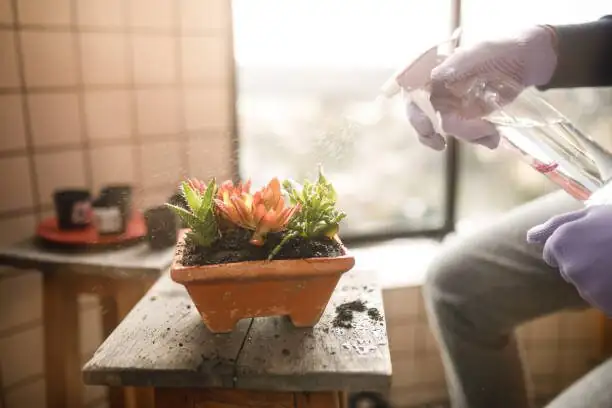
- Water thoroughly, then let excess drain; never leave standing water in saucers or cachepots
- Let the top portion of the mix dry between waterings. In many homes, that’s every 1–2 weeks; water a bit more often in bright warmth and while blooming
- During bloom, don’t allow it to go completely dry; after flowering, give a short rest (2–3 weeks) with lighter watering
- Humidity sweet spot: 50%+ is appreciated. Group with other plants, use a pebble tray, or run a small humidifier nearby
Design tip: Hide a functional nursery pot inside a sleek cachepot. Water at the sink, allow to fully drain, then return it to its “show” container.
Styling cues that elevate the look
- Eye-level bloom zone: Place where you can view flowers front-on—mantels, wall shelves, or a hanging basket set to face height
- Color pairing: Neutral or matte pots (sand, bone, charcoal) make red, pink, or white blooms feel extra vivid. Brassy or brushed-metal accents warm up orange and coral tones
- Soften hard edges: Let the plant’s curves spill over angular furniture to balance lines
- Plant partners: Pair with upright forms (snake plant, a slim sansevieria cultivar) or fine-textured ferns to contrast the flat segments
Compact-space vignettes to copy
- The bright-bath spa: A terracotta footed bowl on a window ledge; a pebble tray tucked below; a small mirror opposite the window for extra glow
- East-facing nightstand duo: Easter Cactus in a low ceramic dish with a small, tall lamp behind. The lamp acts as a visual backdrop (not a grow light), exaggerating the arching silhouette
- West-window gallery: A three-tier plant stand 5–8 ft back from the glass—top tier for the Easter Cactus to cascade, lower tiers for lush understory plants
Quick-care, designer-ready cheat sheet
- Sunlight: Bright, indirect or filtered light; gentle morning sun is okay; avoid harsh direct sun
- Temperature: 60–75°F (15–24°C). Protect from cold; avoid below ~41°F (5°C)
- Humidity: Aim for ~50%+
- Soil: Airy epiphyte mix—cactus mix + perlite + orchid bark; slightly acidic; excellent drainage
- Watering: Thorough soak, drain well; let the top dry before watering again. Keep lightly, evenly moist during active growth and bloom
- Feeding: During active growth, feed monthly (or every 2–4 weeks at half strength) with a balanced fertilizer. Start 4–6 weeks after flowering finishes; pause feeding in fall/winter
- Pruning: Right after flowering, twist or cut off end segments at the joints to encourage branching and a fuller form
- Repotting: Every 2–3 years in spring; only size up slightly
- Propagation: 2–3 segment tip cuttings after bloom; let callus 1–2 days, then pot into lightly moist, airy mix
- Pests: Watch for mealybugs, scale, spider mites, and fungus gnats (often from overly wet soil)
- Pet-friendly note: Generally considered non-toxic to cats, dogs, and humans (nibbling any plant may cause mild stomach upset)
Troubleshooting bloom and form (fast answers)
- Not blooming? Boost bright filtered light, give 6–8 weeks of cooler nights (50–55°F/10–13°C) with about 12 hours of darkness, and ease up on watering
- Buds dropping? Minimize moves and drafts; keep light and moisture steady once buds form
- Getting leggy? Provide brighter, indirect light and prune right after flowering to encourage branching
A note on origins and flower “language”
Easter Cactus has long been cherished as a spring symbol of renewal and hope—fitting for a plant that times its starry blooms to brighter days. Modern flower-language attributions often blend tradition with marketing, but here the meaning feels organic: in Brazil’s rainforests it clings to trees and rocks, then erupts with daytime-opening flowers just as seasons turn. In interiors, that sense of fresh start is palpable—especially when the first buds unfurl after your carefully timed “cool + dark” routine.
Bonus: Outdoor cameo (warm climates only)
If you garden in USDA Zones 10–12, you can let your Easter Cactus summer outdoors in sheltered shade. Everywhere else, it’s a houseplant hero—bring it inside well before temperatures approach 41°F (5°C).
Why it thrives in design-forward spaces
- It softens corners without stealing square footage
- The semi-trailing habit reads as intentional when lifted or edged
- Bright filtered light is easy to create with simple sheers and mirrors
- It rewards a thoughtful routine with weeks of color—an elegant payoff in apartments and studios
Once you treat Hatiora gaertneri like what it is—a rainforest epiphyte with a flair for eye-level drama—you’ll find it’s as dependable as it is dazzling. Give it good light, a breathable mix, and a handsome, well-drained pot, and let the spring show steal the room.