

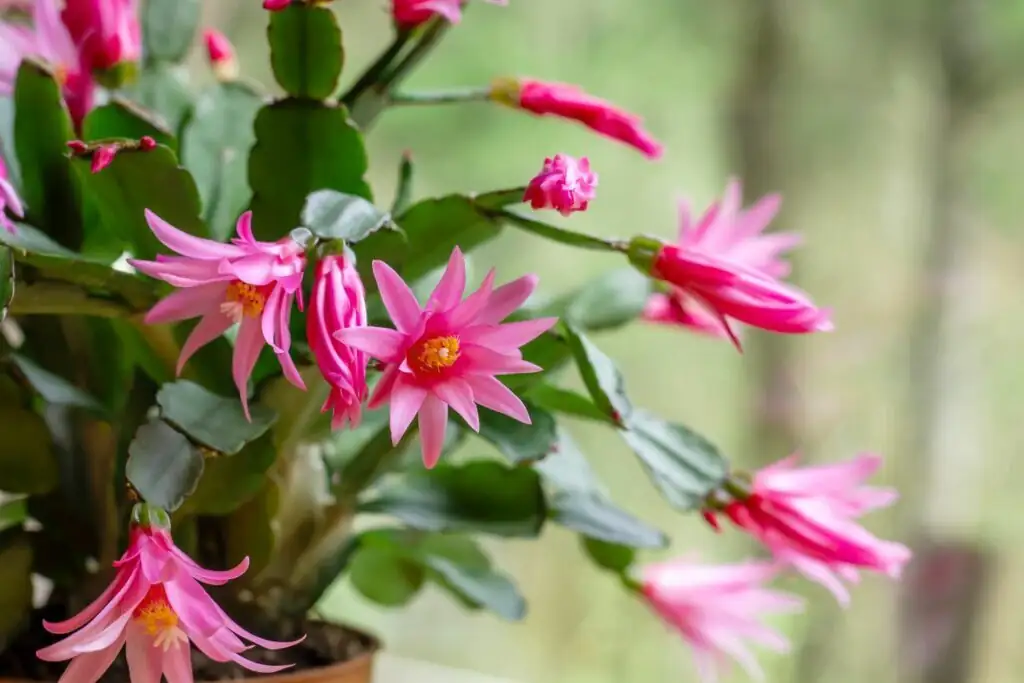
Picture a cactus that doesn’t bake under desert suns, but sways in cloud-kissed forests, perched on mossy branches with its roots tucked into leaf litter. Then, right on cue with spring’s first fanfare, it bursts into starry blooms that open by day and close at night. That is Hatiora gaertneri—better known as Easter Cactus—a rainforest original with a passport full of names and a history as twisty as the branches it calls home.
Born of mist and moss: the wild home of Easter Cactus
Hatiora gaertneri is native to the coastal mountains of southeastern Brazil, within the Atlantic rainforest (Mata Atlântica). In this evergreen world of filtered light, moving air, and frequent mists, the plant grows as:
- An epiphyte, rooted not in soil but on tree limbs and crotches rich in humus
- An occasional lithophyte, tucked into crevices on rain-washed rock
Rather than chasing water in dry sands, it sips from dew, drizzle, and the slow release of moisture held in bark and leaf litter. Its “leaves” are actually flat segments—fleshy stems—that capture light beneath the forest canopy. Like many succulents, it uses CAM photosynthesis, opening stomata at night to take in CO₂, a water-saving strategy that fits life on a branch.
Life on branches and boulders
- Substrate: loose organic debris, bits of bark, and moss rather than deep soil
- Light: bright but filtered, with brief, gentle sunbursts through moving canopy gaps
- Air: constant airflow prevents stagnation and keeps roots healthy
- Moisture: frequent wet–dry pulses instead of prolonged drought or sogginess
These rhythms imprint the plant’s indoor preferences: airy, fast-draining mixes; bright indirect light; and an appreciation for a little humidity.
Spring’s signal—and the daily bloom ritual
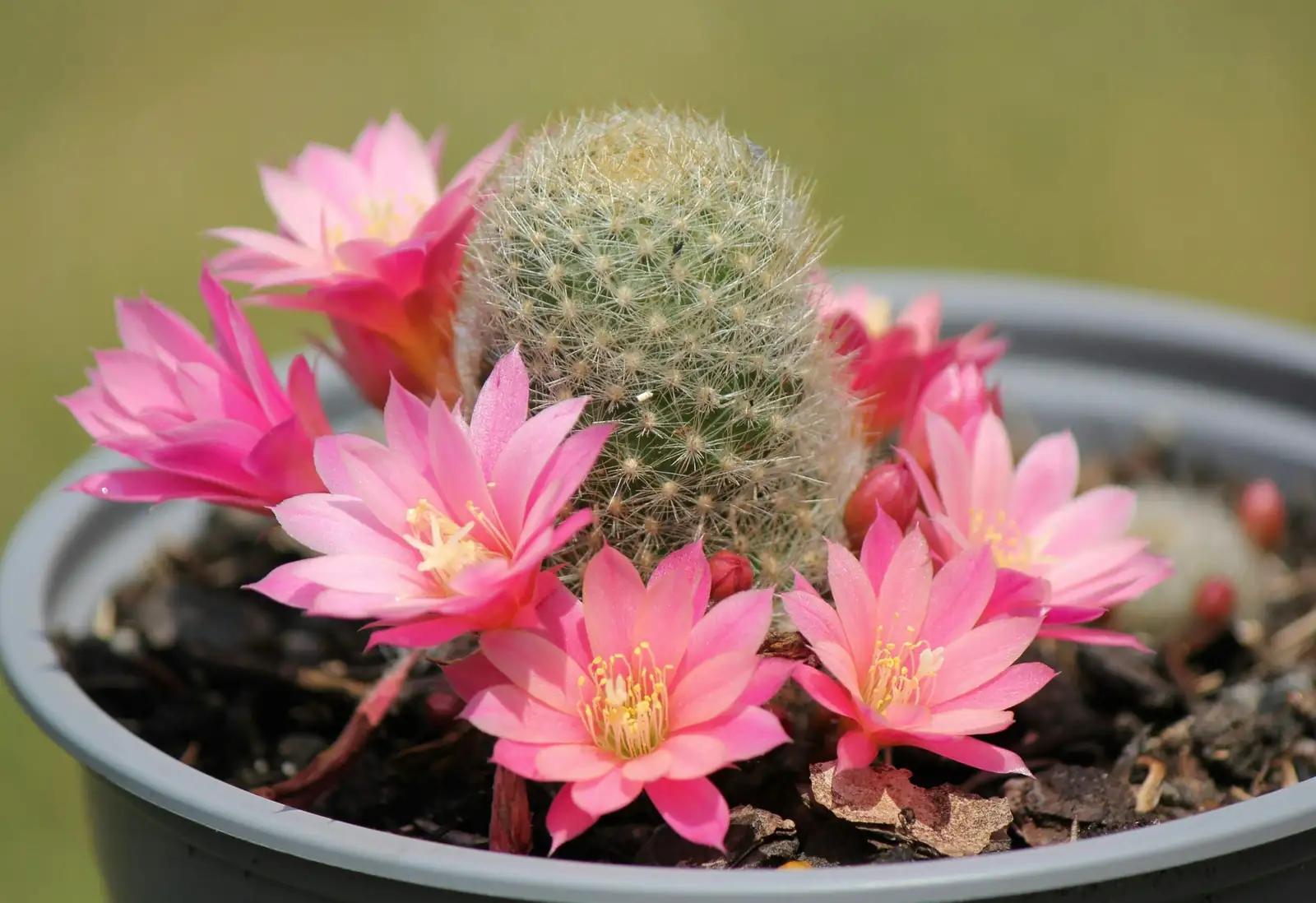
In spring (often March–May), buds swell at the tips of segments and open into decidedly star-shaped flowers. Each bloom shows off multiple petal-like segments and a short floral tube, with pale yellow stamens catching the light. True to its forest tempo, the flowers typically open in the daytime and close at night—an elegant on-off rhythm that can repeat for weeks.
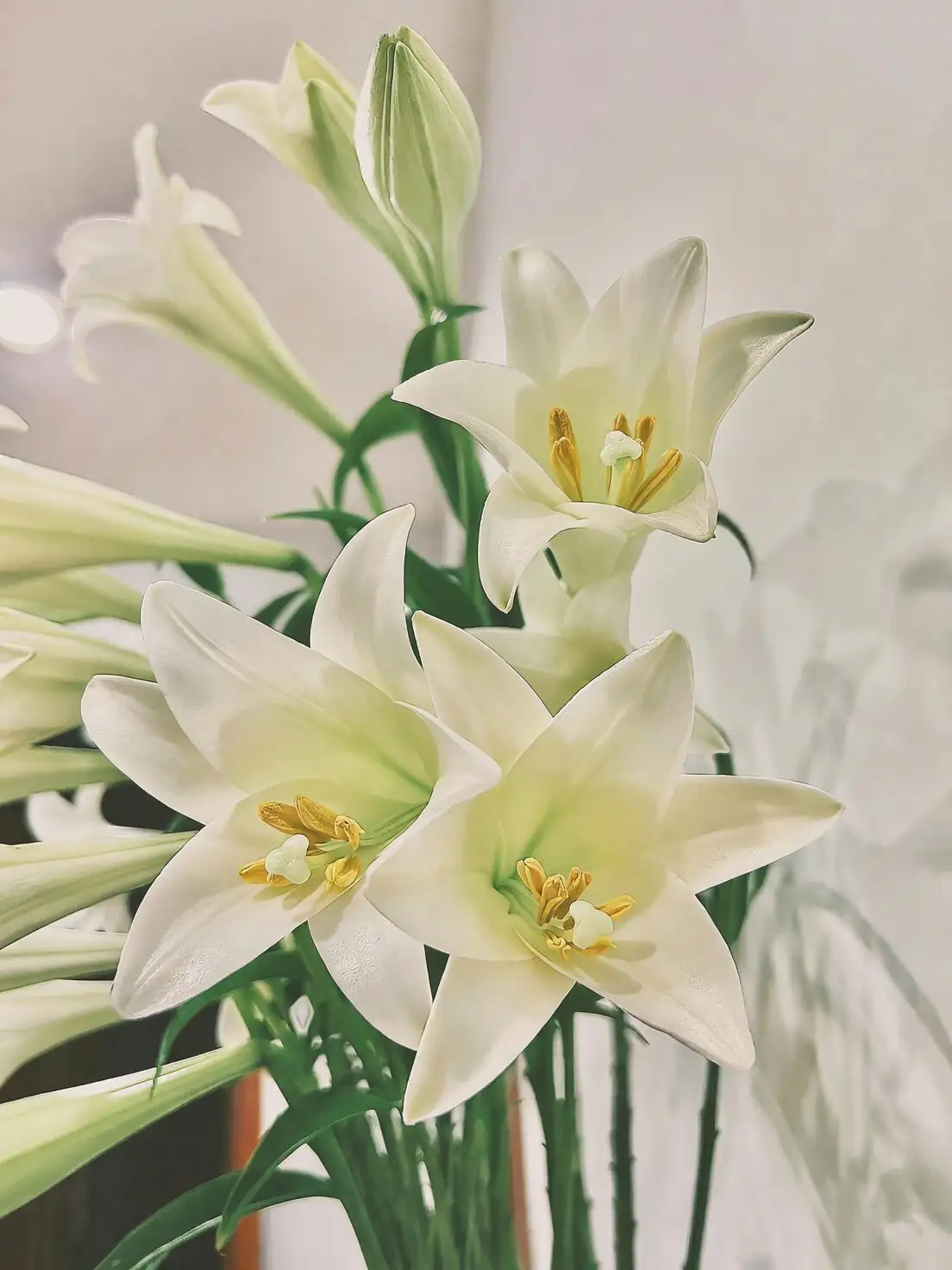
A cactus with a suitcase of names: the taxonomic journey
If Easter Cactus seems to turn up under different names at garden centers and in old books, that’s not a mistake—it’s botany in motion. Its classification has been debated for more than a century, shaped by both visible traits and, more recently, DNA data.
The early shuffle
- 1884: Eduard von Regel described it as a variety of a related species (Epiphyllum russellianum var. gaertneri).
- 1889: Raised to species level.
- 1913: Transferred to Schlumbergera by Britton & Rose—an early attempt to group the epiphytic “leaf-stem” cacti together.
- 1920s–1950s: Reassigned multiple times as botanists tried to sort out epiphytic cacti by features like flower symmetry and the look of their stem segments—appearing under Rhipsalis, Epiphyllopsis, and Rhipsalidopsis.
Modern realignment
- 1987: Wilhelm Barthlott placed the species in Hatiora, reflecting a revised view of relationships among these rainforest cacti.
- 2011 and beyond: Molecular studies probed deeper. Some researchers argued for folding several of these epiphyte groups together; others preferred to keep them distinct. The result? You’ll still see the plant labeled as Rhipsalidopsis gaertneri or even Schlumbergera gaertneri in horticulture.
- Today: In many botanical sources it is treated as Hatiora gaertneri, while the older names persist as well-known synonyms—one reason “Easter Cactus” remains the most practical tag for everyday gardeners.
Why the confusion?
Morphology once did most of the taxonomic heavy lifting:
- Schlumbergera relatives like “Christmas cactus” often have zygomorphic (bilaterally symmetrical), more tubular flowers and segments with sharper “teeth.”
- Easter Cactus shows radially symmetrical, star-shaped blooms and segments with smoother, scalloped edges.
These differences felt decisive until DNA blurred some neat boundaries. The result is a lively debate—and a species that carries its history right on the label.
From rainforest to windowsill: a houseplant star
Easter Cactus found fame with collectors in the early 1900s, when growers in Europe and North America fell for its spring-blooming habit and tidy, segmented form. Horticulturists soon developed selections (and hybrids with close kin) that expanded the color palette—reds, pinks, oranges, purples, and whites—without losing that distinctive sunburst shape.
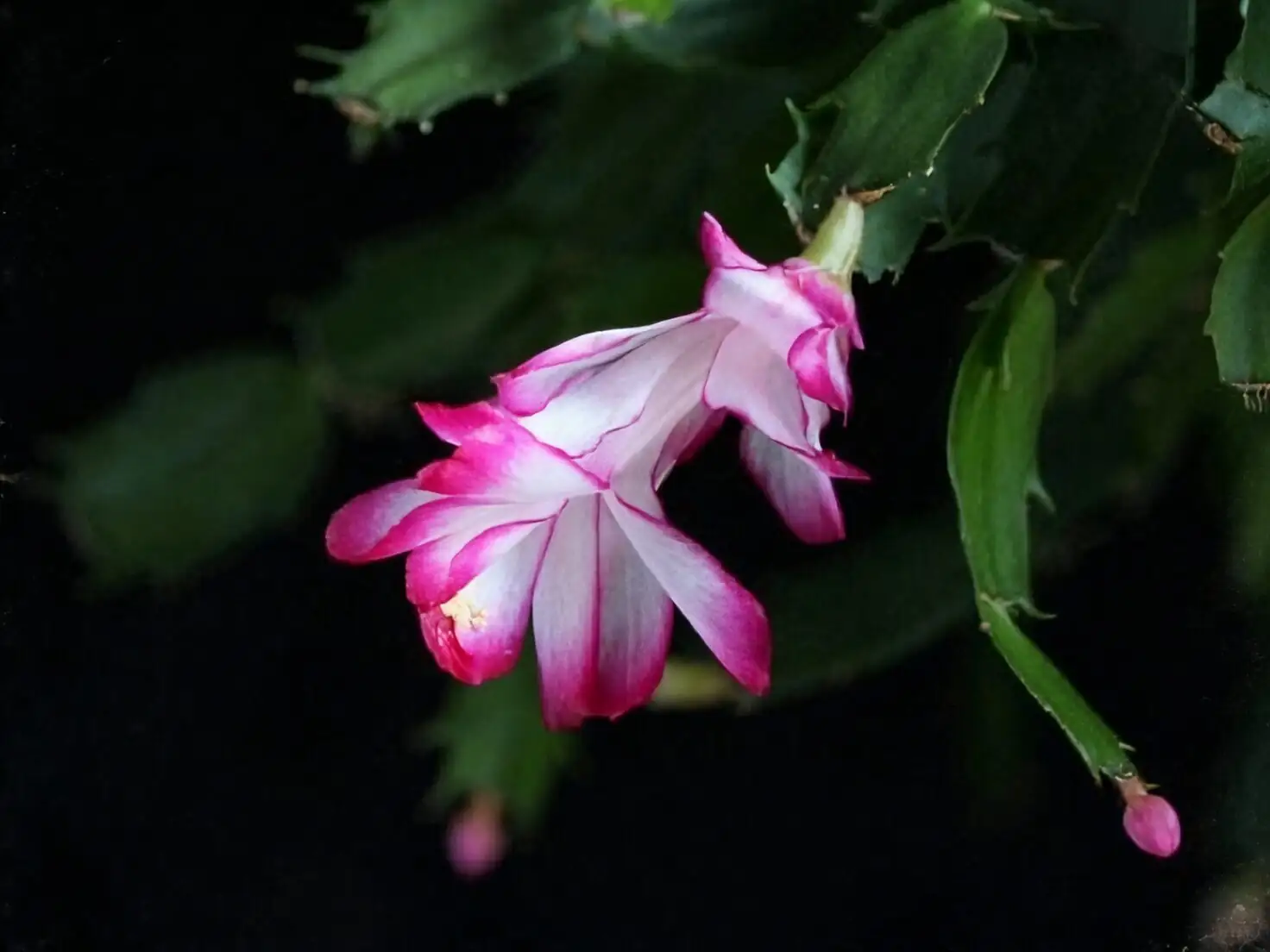
A charming quirk of history still plays out each spring: newly purchased, budded plants can drop their buds when moved from store to home because of sudden shifts in temperature, light, and humidity. Once settled into stable, forest-like conditions, home-grown plants set buds more reliably—and put on a longer show.
The “holiday cactus” family look-alikes
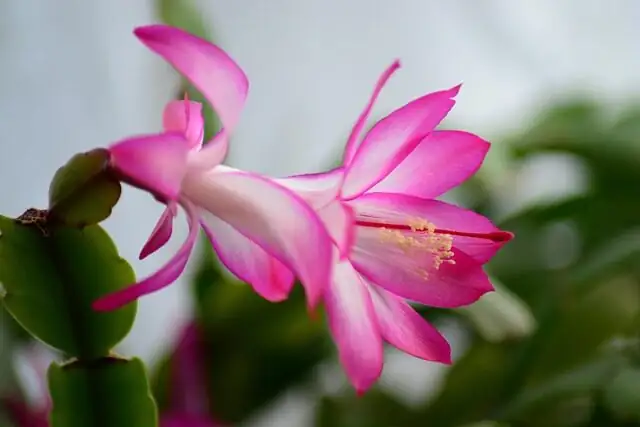
Easter Cactus is often lumped with Christmas and Thanksgiving cacti under the friendly umbrella of “holiday cacti.” Here’s the quick family snapshot:
- Easter Cactus (Hatiora gaertneri): smoother, scalloped segments; star-shaped, radially symmetrical blooms; spring flowering.
- Christmas/Thanksgiving cacti (commonly in Schlumbergera): segments with more pronounced teeth; more tubular, asymmetrical flowers; late fall to winter flowering.
Field notes for understanding (and growing) it like a native
Let the habitat be your guide:
- Light: bright, indirect; gentle morning sun is fine indoors if acclimated.
- Mix: airy and fast-draining—think cactus mix lightened with perlite and orchid bark; slightly acidic is ideal.
- Water: thorough drinks followed by good drainage; keep lightly, evenly moist in active growth—never waterlogged.
- Air and humidity: steady airflow and roughly 50%+ humidity echo its canopy cradle.
- Bloom setup: a marked day–night temperature drop with cooler nights (about 50–60°F / 10–15°C) and long, uninterrupted darkness for several weeks encourages plentiful buds.
Symbolism and the modern “flower language”
Because it blooms as winter recedes in the Northern Hemisphere, Easter Cactus has long been linked to renewal and hope—a gentle green herald of brighter days. Its daily habit of opening with light and folding with dusk reads like a meditation on rest and revival. While the formal “flower language” you might see in gift guides is a relatively modern layering, the sentiment rings true: resilience after rest, and joy returning on schedule.
A quick timeline of names
- 1884: Described as a variety (Epiphyllum russellianum var. gaertneri).
- 1889–1913: Elevated to species, then moved into Schlumbergera.
- 1925–1953: Reassigned in Rhipsalis, Epiphyllopsis, and Rhipsalidopsis as botanists refined epiphyte groupings.
- 1987: Placed in Hatiora.
- 21st century: DNA studies prompt ongoing discussion; horticulture still uses multiple synonyms alongside the widely used common name Easter Cactus.
In the end, Hatiora gaertneri is a rainforest original that brings the forest’s quiet drama indoors: a starburst of spring color, a gentle day–night pulse, and a story that arcs from Brazil’s misty mountains to living rooms around the world—no desert required.