

If your Easter Cactus is sulking instead of sparkling—dropping buds, attracting tiny freeloaders, or looking a little too limp for comfort—you’re in the right place. Hatiora gaertneri (syn. Rhipsalidopsis gaertneri, Schlumbergera gaertneri) is a rainforest cactus from southeastern Brazil, and once you treat it like the epiphyte it is, most troubles melt away. Here’s your clear, confident playbook for diagnosing and fixing bud drop, root rot, mealybugs, scale, spider mites, and fungus gnats—fast.
First, set the stage for a trouble-free plant
This is a tropical, tree-dwelling cactus, not a desert survivor. Give it:
- Light: Bright, indirect light or partial shade. A little soft morning sun is fine; avoid harsh midday rays.
- Temperature: 15–24°C (60–75°F) for growth. Keep above 5°C (41°F). For bud set: cooler nights around 10–15°C (50–60°F) and long, uninterrupted darkness (about 12 hours) for 6–8 weeks. A day–night drop of about 10°C (18°F) really helps.
- Humidity: Aim for ~50%+. Pebble trays, a nearby humidifier, or occasional misting help (especially with indoor heating).
- Soil: Airy, fast-draining, slightly acidic (pH ~6.0–6.5). Use cactus mix cut with perlite plus orchid bark.
- Watering: Thorough soak, then drain well. Let the top layer dry between waterings; keep lightly and evenly moist in active growth and bloom. Never let it sit in water.
- Pots: A snug pot is fine; repot every 2–3 years in spring after flowering. Terracotta helps airflow and drying.
Healthy culture = fewer pests, fewer problems.
—
Bud drop: why buds bail—and how to keep them
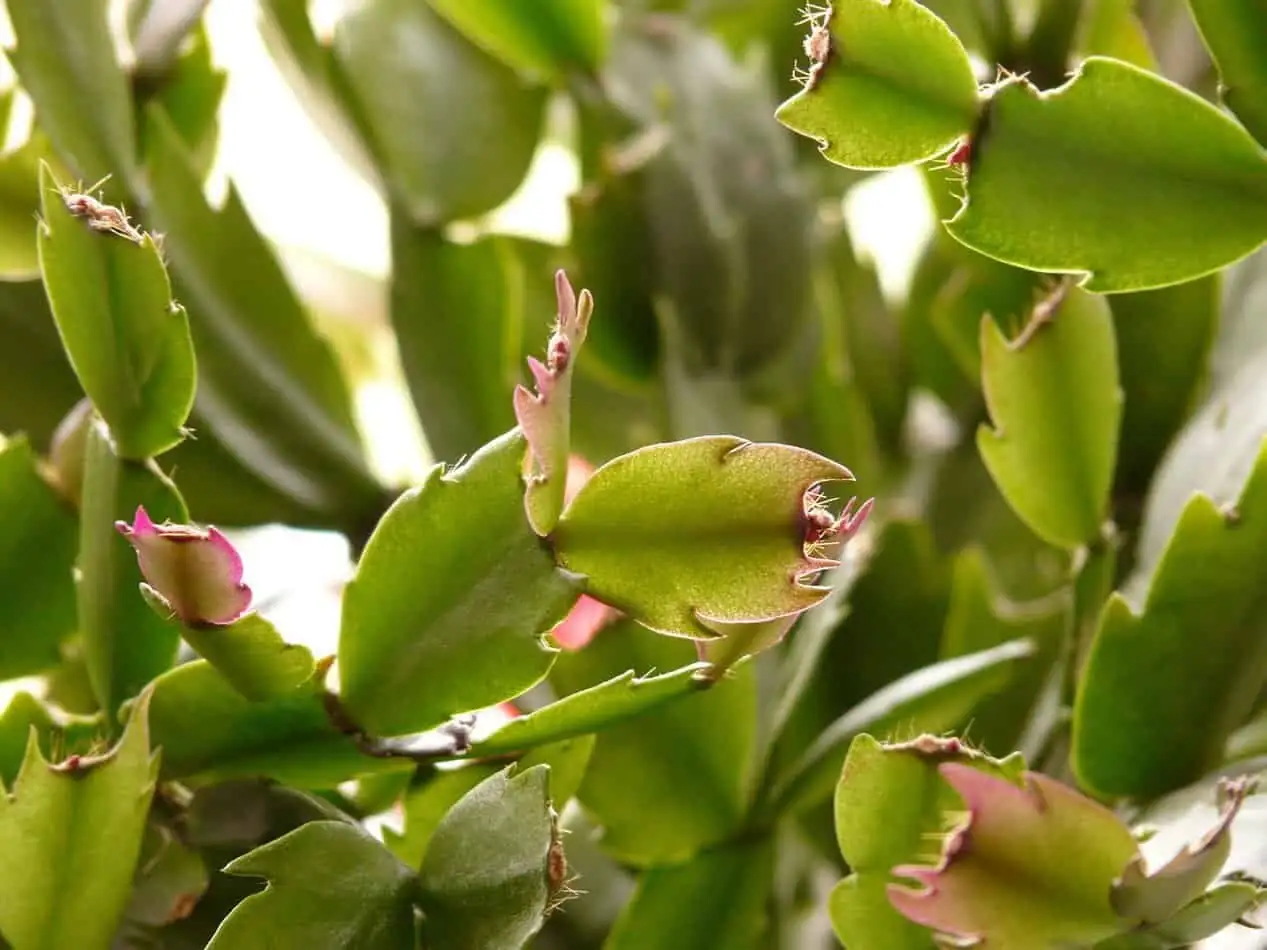
Few things are sadder than bud confetti on the table. Bud drop is common after purchase or any big change.
Common triggers
- Sudden environment shifts (store → home, moving rooms)
- Low light or too little day–night temperature contrast
- Drafts, heat vents, or hot windowsills
- Underwatering (missed drinks) or overwatering (soggy roots)
- Low humidity
- Repotting or pruning during bud initiation (fall/winter)
Quick rescue
- Park it in bright, filtered light and stop moving it.
- Keep the mix lightly and evenly moist—don’t let it go bone-dry, and never waterlog it.
- Raise humidity to ~50%+ (tray with pebbles + water or a humidifier).
- Shield from drafts and direct midday sun.
- At least 6–8 weeks before the desired bloom: give cooler nights (10–15°C / 50–60°F), ~12 hours of uninterrupted darkness, and lighter watering to help set buds.
Pro tip
Home-grown buds formed under stable conditions open more reliably than those formed at a store. If you bring home a budded plant, handle gently, keep conditions steady, and expect a little drop anyway.
—
Root rot: the big bad to beat
This is the number one killer—and totally preventable.
How to spot it
- Segments feel limp yet the soil is wet; yellowing or collapse from the base
- Sour smell from the pot
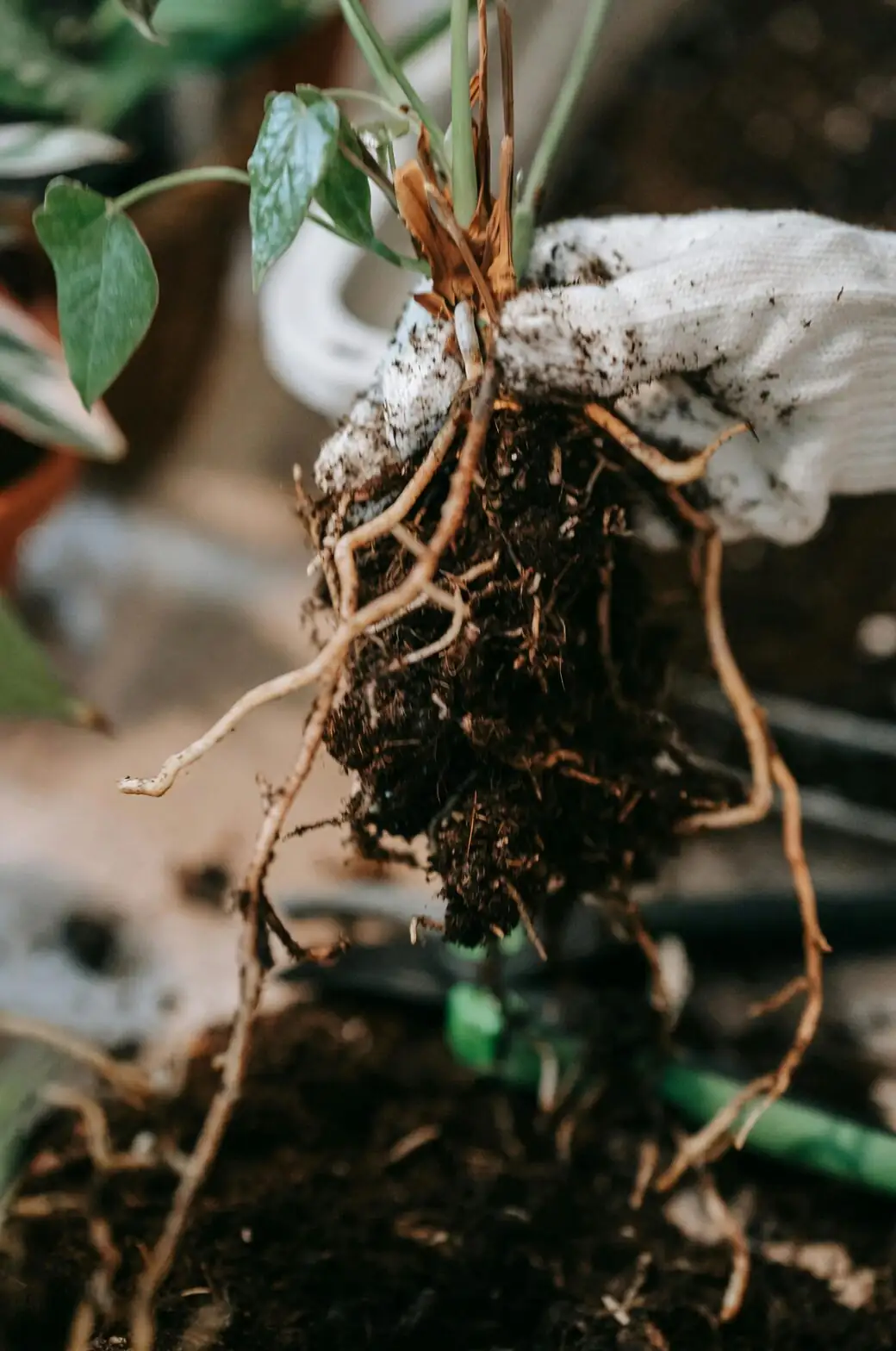
- When unpotted: roots are brown/black, mushy, or stringy; healthy roots are pale and firm
Why it happens
- Dense or compacted mix; pot without a drainage hole
- Overwatering or letting the pot sit in a saucer of water
- Cold, wet conditions
Save it step-by-step
- Unpot gently and inspect roots.
- Rinse away old mix, then trim all brown/mushy roots with sterilized shears.
- Let cut surfaces air-dry for a few hours.
- Repot in a fresh, airy epiphyte mix: cactus/succulent mix + plenty of perlite + orchid bark (slightly acidic is ideal).
- Choose a pot with a drainage hole; terracotta is a plus.
- Water lightly once to settle the mix; then allow the top to dry before the next watering.
- Resume normal watering only when you see fresh growth and the plant feels firm again.
Prevent it
- Water thoroughly, drain fully, never allow standing water.
- Let the top layer dry between drinks; go gentler after flowering for 2–3 weeks.
- Keep to 15–24°C (60–75°F) and avoid cold, wet soil.
—
Pests playbook: ID fast, act faster
Even rainforest cacti can attract sap-suckers and soil pests, especially indoors. Isolate any infested plant right away and work methodically. Re-treat every 7–10 days for 3–4 rounds to catch hatching stages.
Mealybugs
- What you’ll see: White, cottony tufts in joints/areoles, at segment tips, or along stems. Sticky residue may appear.
- Damage: Wilting, yellowing, stunted growth; buds may drop.
- Where they hide: Deep in joints; also check roots for root mealybugs (white fluff on roots).
- Fix it:
- Dab visible bugs with 70% isopropyl alcohol on cotton swabs.
- Spray with insecticidal soap or horticultural oil, coating crevices. Test a leaf first; apply in the evening and keep out of direct sun.
- For root mealies: unpot, wash roots, discard all old mix, scrub and rinse the pot, and repot in fresh airy mix. Combine with aboveground treatments.
- Prevent it:
- Quarantine new plants 3–4 weeks.
- Keep plants clean of dead leaves/flowers and avoid overcrowding.
Scale
- What you’ll see: Hard, dome-like or flat “shields” stuck to segments or stems; scrape off to reveal soft insect underneath. Honeydew/sooty mold may appear.
- Damage: Yellowing, weakened growth, bud failure in heavy infestations.
- Fix it:
- Gently pry off with a fingernail, plastic card, or cotton swab.
- Follow with horticultural oil to smother crawlers and any you missed. Repeat every 7–10 days.
- Prevent it:
- Regularly inspect segment edges and joints—scale loves hidden spots.
Spider mites
- What you’ll see: Fine webbing, stippling/bronzing, tiny “dust” that moves if tapped over white paper.
- Why now: Hot, dry air favors them.
- Fix it:
- Rinse plant with a gentle, lukewarm shower to remove mites and webs.
- Increase humidity (aim for ~50%+), improve airflow, and avoid blasting sun during recovery.
- Treat with insecticidal soap or a labeled miticide; repeat weekly 3–4 times.
- Prevent it:
- Keep humidity up and dust off segments periodically.
Fungus gnats
- What you’ll see: Tiny black flies hovering over soil; larvae in the mix nibble roots.
- Why now: Overly moist, organic-rich media.
- Fix it:
- Let the top 2–3 cm (about an inch) of mix dry between waterings; bottom-water when possible.
- Use yellow sticky traps to catch adults.
- Drench with a product containing Bacillus thuringiensis var. israelensis (BTI) per label weekly for 3–4 weeks to target larvae.
- If severe, repot into a fresher, chunkier, faster-draining mix.
- Prevent it:
- Never leave water in saucers; increase perlite/orchid bark to keep pores airy.
—
Rapid symptom decoder
- Buds dropping before opening:
- Recent move or sudden light/temperature change; missed or excessive watering; low humidity; heat vents/drafts; unstable pre-bloom routine.
- Limp segments but wet soil:
- Root rot; unpot and inspect.
- Fine webbing, bronzing, dusty specks that move:
- Spider mites.
- Cottony white bits in joints or at roots:
- Mealybugs or root mealybugs.
- Sticky residue or black sooty mold:
- Mealybugs or scale producing honeydew.
- Tiny black flies around soil:
- Fungus gnats; adjust watering and treat larvae.
—
Care habits that keep pests and problems away
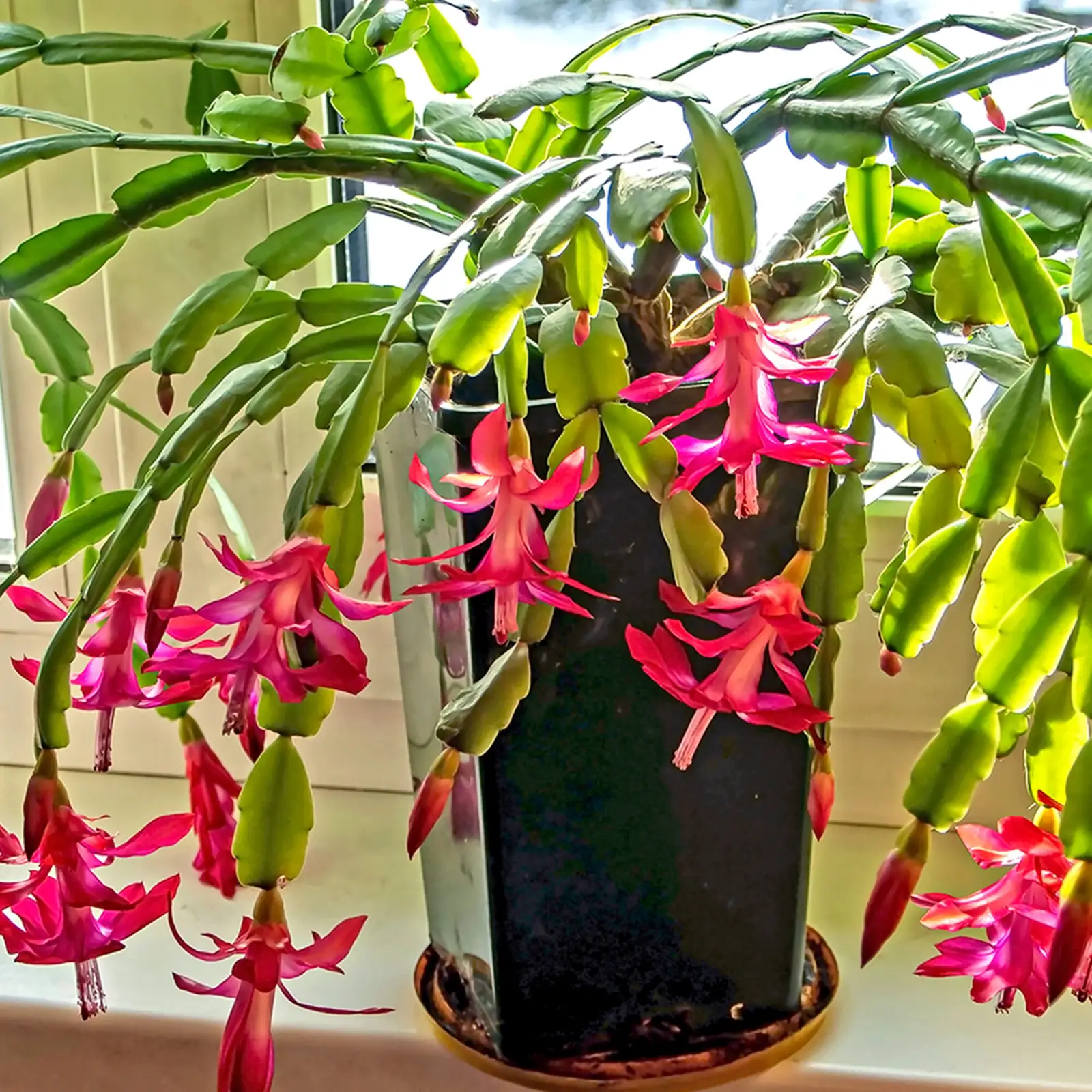
- Light: Bright, filtered light; avoid harsh direct sun.
- Watering: Thoroughly moisten then drain; let the top dry between waterings. Keep lightly and evenly moist in growth and bloom; reduce after flowering for 2–3 weeks.
- Humidity: Aim for ~50%+; pebble trays, grouped plants, or a humidifier help.
- Feeding: During active growth, feed monthly (or every 2–4 weeks at half strength) with a balanced fertilizer; pause in fall/winter. Slightly higher phosphorus helps when buds are forming.
- Pruning: Right after flowering—never in fall/winter pre-bud season. Twist or cut segments at the joints to shape and encourage branching.
- Repotting: Every 2–3 years in spring after bloom; only size up slightly (5–8 cm / 2–3 in wider).
- Hygiene: Remove spent blooms and debris; clean tools; quarantine new plants.
—
One last reassurance
Easter Cactus is generally easy-going and non-toxic to people and pets (chewing any plant may cause mild tummy upset). Treat it like the rainforest epiphyte it is—airy roots, steady moisture without sogginess, bright filtered light, and a gentle cool-and-dark pre-bloom routine—and you’ll trade pest drama and bud drop for a standout spring display of star-shaped flowers year after year.