

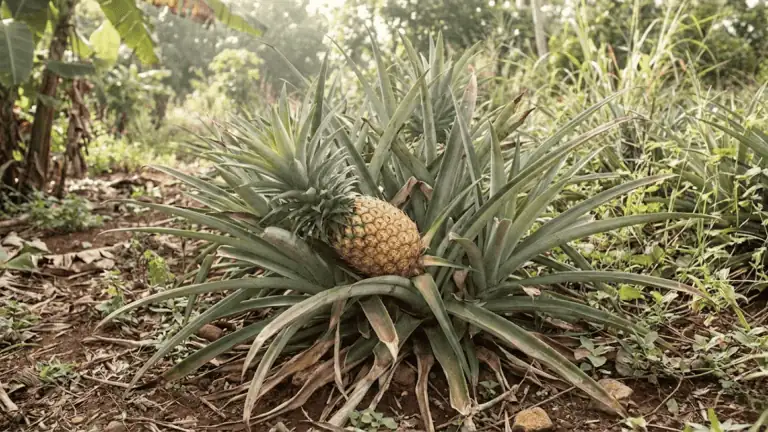
Pineapple plants have a party trick that still surprises new growers: they can make a full, juicy fruit without a single grain of pollen doing its job. With Ananas comosus, flowering and fruit set are decoupled from pollination—by design. Let’s demystify how this tropical bromeliad blossoms, why farmers go to great lengths to avoid seeds, and what hummingbirds and bats are up to in the pineapple’s native haunts.
Meet Ananas comosus at a glance
- Family and form: A sun-loving bromeliad (Bromeliaceae), pineapple is a herbaceous perennial that builds a tough, spiny rosette of waxy, sword-like leaves around a short, stocky stem.
- Origins: Native to the Paraná–Paraguay River drainages between southern Brazil and Paraguay.
- Size and fruit: Plants typically reach 1.0–1.5 m (3–5 ft) tall; fruits often stretch to 30 cm (12 in) and can be heavy hitters—up to about 6.4 kg (14 lb) in large cultivars.
- A “multiple fruit”: Dozens to hundreds of small, purple-to-red flowers fuse into one grand, golden infructescence crowned with a leafy tuft.
- Fun spiral: Look closely and you’ll often spot Fibonacci spirals in the fruit’s scales.
How a pineapple decides to bloom
Pineapple takes its time. After roughly 12–20 months of leafy, vegetative growth, a stout flower spike rises from the rosette. The inflorescence packs in many small flowers (often 50–200), each subtended by a bract, and is topped by the compact tuft that becomes the crown. While natural flowering is most common in warm seasons, growers often prefer not to leave it to chance.
The grower’s nudge: inducing bloom
Commercial operations frequently synchronize fields with a gentle hormonal push, using ethylene to cue uniform flowering. Why? Because unplanned, scattered bloom times lead to harvest headaches and uneven fruit size. With coordinated induction, fruit set becomes more predictable—and quality more consistent.
The marvel of fruit without pollination
Here’s where pineapple breaks the typical fruiting rules. Pineapple can set fruit without pollination—an ability called parthenocarpy. Once the inflorescence forms, the many individual flowers knit together into a single “multiple fruit” whether or not pollen ever arrives.
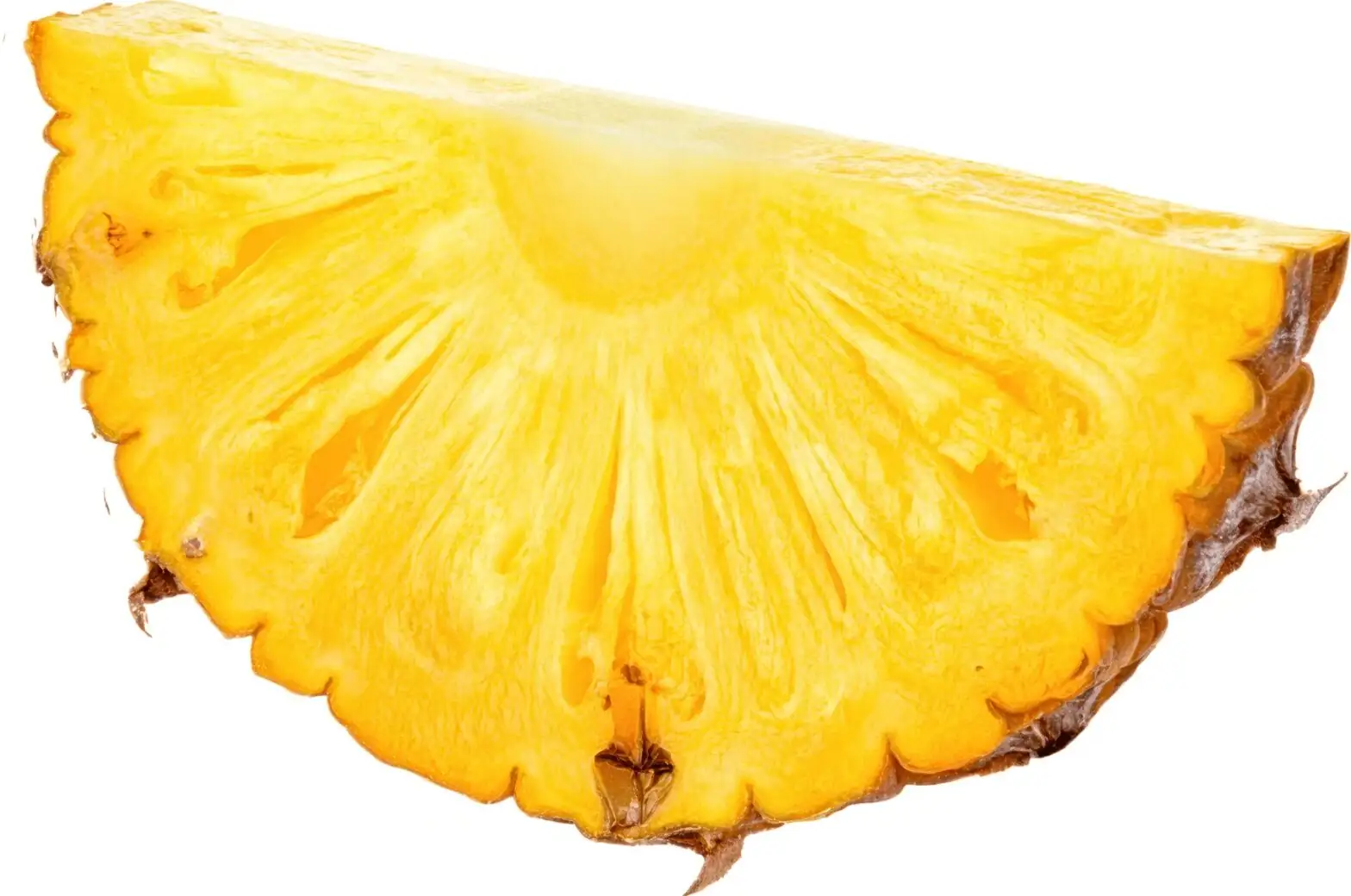
- No pollination needed: You do not need to hand-pollinate pineapple to get fruit, and indoor/container growers routinely harvest without any pollinators around.
- Why it matters: Parthenocarpy streamlines production—no waiting for pollinator visits, and no risk of seedy surprises when the goal is tender, sweet flesh.
Why growers actively avoid seeds
In pineapple, seeds aren’t a bonus—they’re a blemish.
- Texture and eating quality: Seeds interrupt that luscious, melt-in-the-mouth bite with little hard specks. Even a light seeding can lower perceived quality.
- Sugar, size, and uniformity: Energy that might have gone into juiciness or size can be diverted into seed development; seeded fruits are more variable and often less desirable on the shelf.
- Consistency from clone to cone: Growers propagate vegetatively (crowns, slips, suckers), which preserves cultivar traits. Avoiding cross-pollination helps ensure the harvest tastes exactly like the parent stock.
What does “avoiding seeds” look like in practice?
- Fields are often planted with a single cultivar to limit cross-pollination.
- Flowering is synchronized, then fruit is protected primarily through cultural practices that minimize pollen transfer.
- In regions with active wildlife pollinators, isolation from wild pollen sources may be considered.
So who pollinates in the wild?
In the pineapple’s native range, flowers do get visits—and when they do, seeds can form.
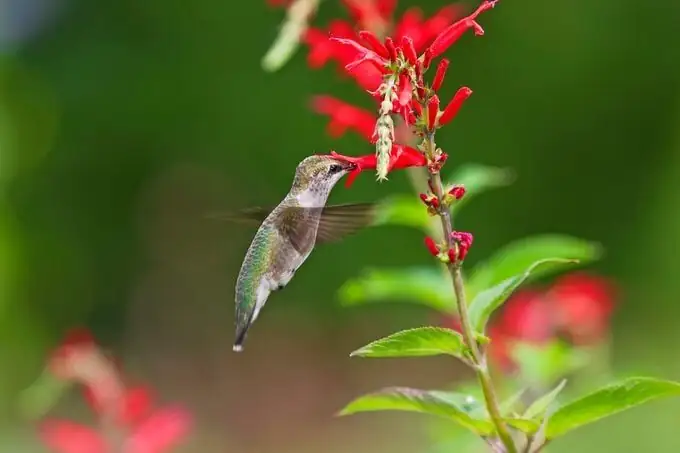
- Hummingbirds: By day, these fast-fliers sip nectar and transfer pollen from flower to flower. Their long bills and hovering flight match the tightly packed inflorescence.
- Bats: At night, nectar-feeding bats can move pollen between plants during their foraging runs. In many tropical ecosystems, bats are crucial nocturnal pollinators.
In wild populations, that pollination keeps genetic diversity flowing. In farms and home gardens focused on dessert-quality fruit, it’s usually something to steer clear of.
Seedless by choice, not by chance: how pineapples reproduce asexually
Pineapples excel at cloning themselves, and this is how nearly all cultivated plants are propagated.
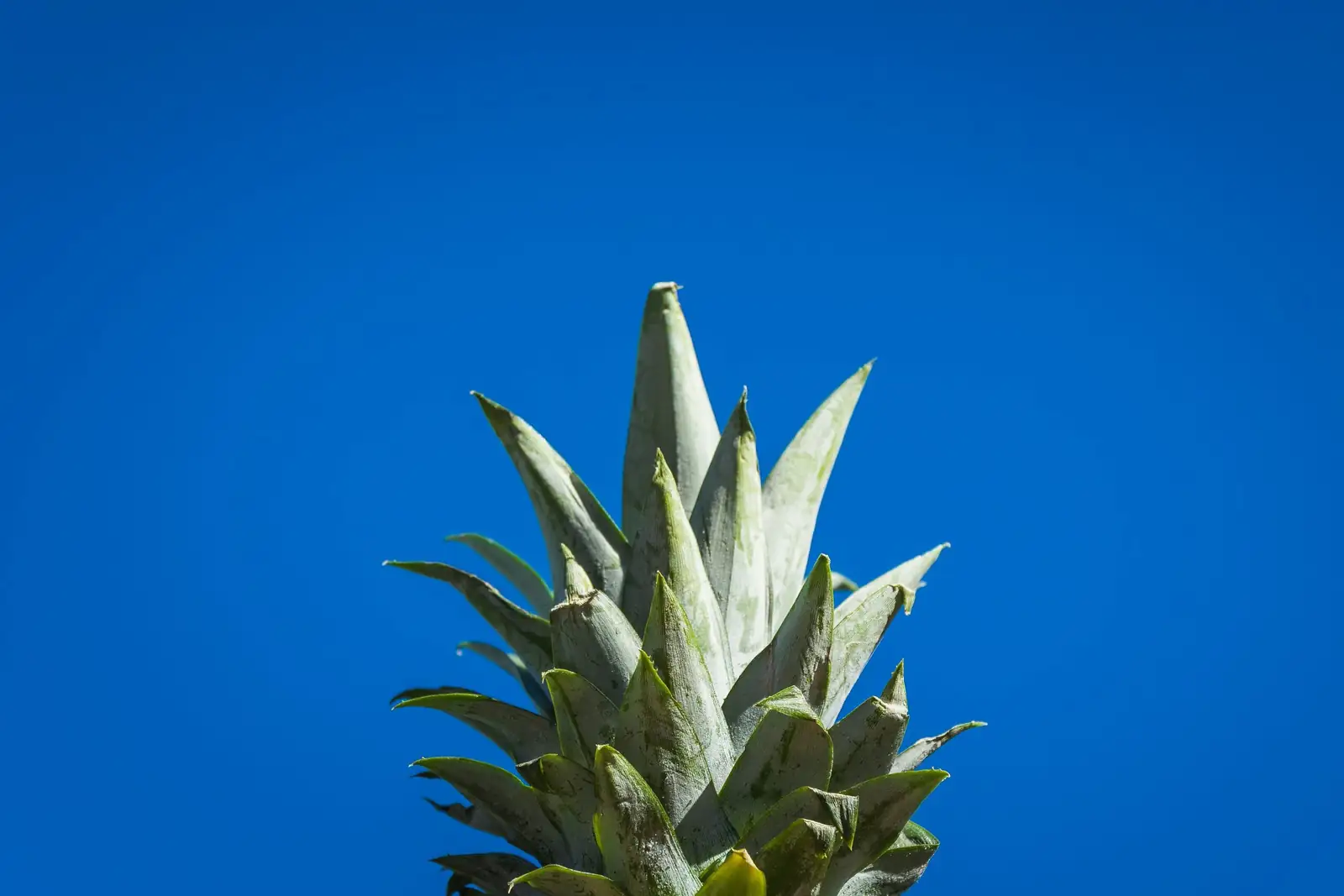
- Crowns: The leafy top of a harvested pineapple can root and grow into a new plant. Expect about 18–24 months from crown planting to ripe fruit.
- Slips: Small plantlets that form on the stalk just below the fruit—quick starters and prized by growers.
- Suckers: Offsets along the stem that take off fast and can bear another “ratoon” crop after the main harvest.
This vegetative toolbox keeps orchards uniform, productive, and delightfully seed-free.
Flowering, fruiting, and your home plant: a simple roadmap
- Light: Full sun is your ally. Indoors, think bright south-facing window; outdoors, give it a warm, sunny patio or bed in frost-free climates.
- Warmth: Best growth happens around 24–27°C (75–80°F); keep above 10–16°C (50–60°F) in cool seasons.
- Soil and water: Loose, fast-draining, slightly acidic media (pH ~4.5–6.5). Water deeply, then let the top 2.5–5 cm (1–2 in) dry. Avoid soggy roots.
- Feeding: Regular, dilute, balanced fertilizer during active growth helps power that long vegetative phase toward flowering.
- Pollination? Forget it. You’ll still get fruit. If your outdoor plant shares space with wildlife that might pollinate, you may find a few seeds—but most homegrown fruits are effectively seedless.
A closer look at the bloom-to-fruit spectacle
- The inflorescence compacts 50–200 flowers into a single spike about 15 cm (6 in) long.
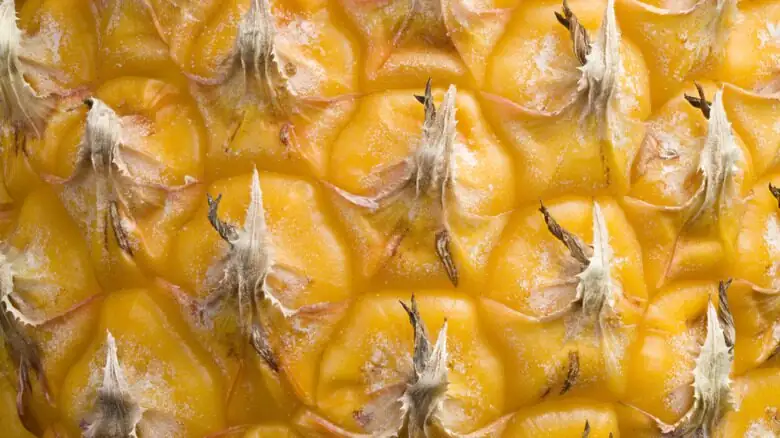
- As each floret swells and merges with its neighbors, the developing structure becomes a single composite fruit—an edible sculpture of tessellated “eyes.”
- The leafy crown on top is a living cutting, ready to continue the lineage.
Pro tip for the curious: Those spiraling eyes often run 8 in one direction and 13 in the other—classic Fibonacci numbers appearing in plant geometry.
Symbolism: from rare luxury to warm welcome
Pineapple became a global emblem of hospitality long before it was an everyday grocery staple. After its arrival in Europe via Caribbean voyages, the fruit’s rarity and exotic sweetness made it a status symbol—so prized it was sometimes rented as a party centerpiece. Over time, that extravagant welcome softened into a broader cultural symbol: the promise of generosity, warmth, and good fortune at one’s table.
- Deep meaning today: When you see a pineapple motif on a door knocker or gatepost, it nods to a host’s open-hearted welcome—an invitation to share abundance and good company.
Quick myth-busting
- “I need to hand-pollinate to get fruit.” Not with pineapple. Fruit develops without pollination.
- “Seeds mean a healthier plant.” Not here. Seeds reduce eating quality and don’t improve plant vigor in commercial cultivars. Clonal propagation is the standard.
- “One plant, one fruit forever.” Most plants bear one main fruit; keep a strong sucker and you can harvest a second (ratoon) crop later.
In awe of a tropical strategist
Ananas comosus is a master planner: it hoards sunshine in a tight rosette, practices water-wise CAM photosynthesis, and times a single, spectacular inflorescence that becomes a feast—no pollen required. In the wild, hummingbirds and bats keep genetic diversity alive; in cultivation, growers lean into parthenocarpy to deliver that iconic, seed-free sweetness. It’s a botanical balancing act that turns spiky leaves and Fibonacci spirals into one of the world’s most welcoming fruits.