

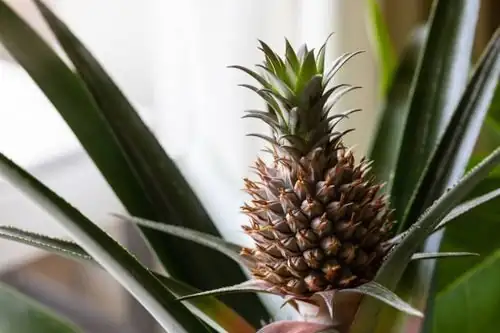
Think of a pineapple plant as living sculpture: a bold, architectural rosette that brings tropical drama to a patio, sunroom, or modern living space—and, with patience, a golden crown of fruit. With a few design-forward choices, you can show off Ananas comosus in containers, keep traffic moving safely around those spiny leaves, and even choose gentler cultivars that play nicer with pets and kids.
Design-first container styling
Choose a pot that makes a statement—and won’t tip
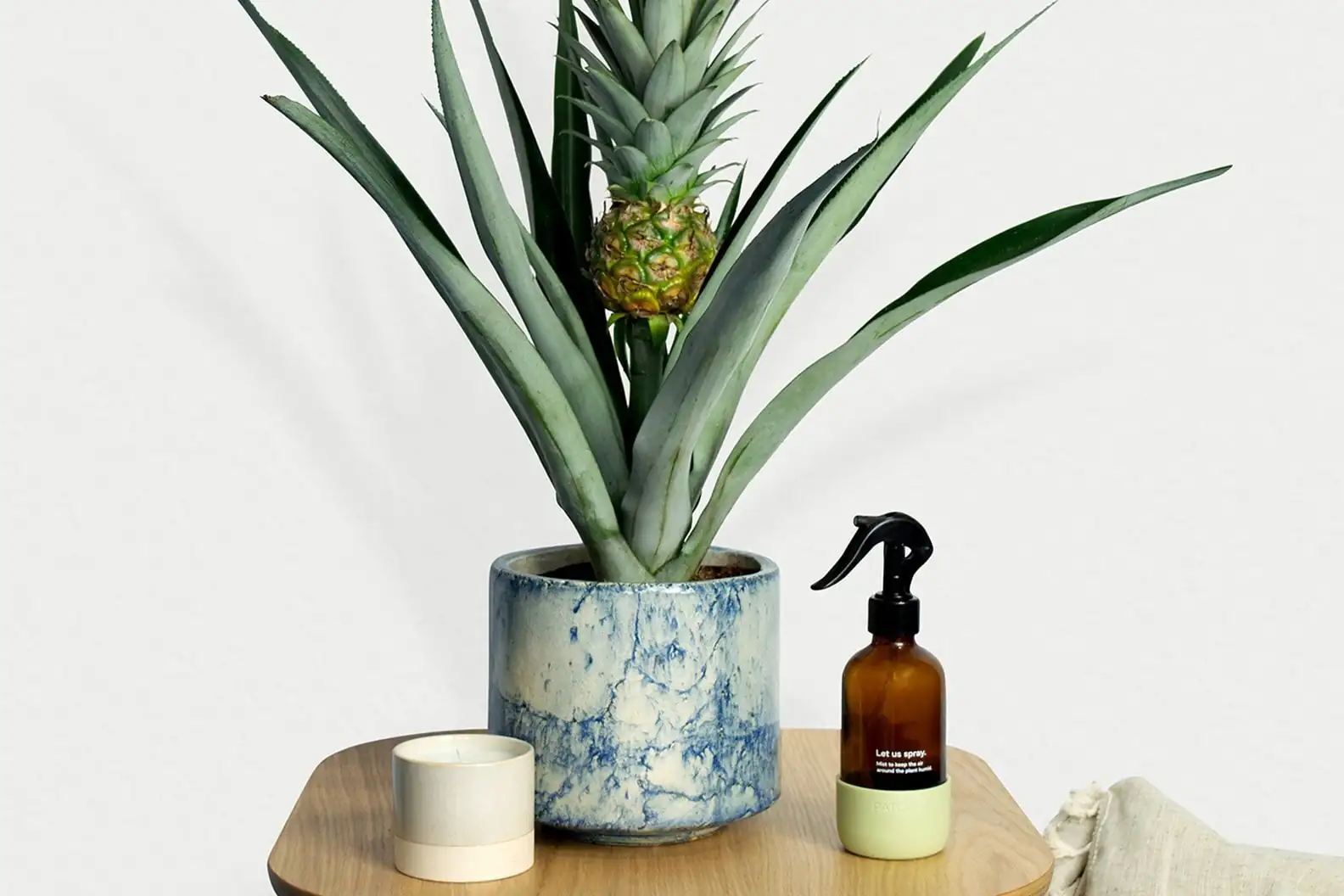
- Go wide and low. A squat, heavy container (12–16 in wide for year one; 3–5 gallons long-term) keeps this top-heavy rosette stable as leaves stretch 30–39 in.
- Materials that work: terra-cotta, concrete, and fiberstone for weight and breathability; powder-coated metal for a sleek look with a liner pot inside.
- Avoid self-watering planters unless you’re very confident with moisture management; pineapples dislike sitting wet.
The right medium and pH
- Use a fast-draining, airy mix: roughly 50–60% high-quality potting soil, blended with coarse sand/perlite and fine orchid/pine bark.
- Target a slightly acidic pH (about 4.5–6.5). A small portion of peat or coco plus bark helps hit the mark.
- Top-dress with a thin, decorative gravel layer to keep the crown area clean and dry after watering.
Container composition, not cramming
- Keep the pineapple solo in its pot (it hates soggy roommates), then group it with separate, compatible containers: trailing rhipsalis, ponytail palm, or a low bowl of cacti for contrast in height and texture.
- Use negative space. Let the rosette breathe visually; cramming distracts from the plant’s sculptural form.
- Elevation with caution. A short plinth can lift the design, but don’t place spiny leaves at toddler or pet eye-level.
Light it like you mean it

- Sun is flavor: Grow in full sun outdoors in frost-free climates (USDA 10–12). Elsewhere, give a south-facing window or a warm, bright greenhouse.
- Indoors, aim for several hours of direct sun daily. If needed, supplement with a 35–50W full-spectrum grow light for 12–14 hours.
- Summer vacation: Move containers outdoors once nights reliably stay above 60°F/16°C. Acclimate over 7–10 days to prevent scorch.
- Rotate a quarter turn weekly for a balanced rosette.
Safety-first traffic flow around those spines
Many pineapple varieties have saw-toothed leaf margins. Treat them like living “keep back” signs.
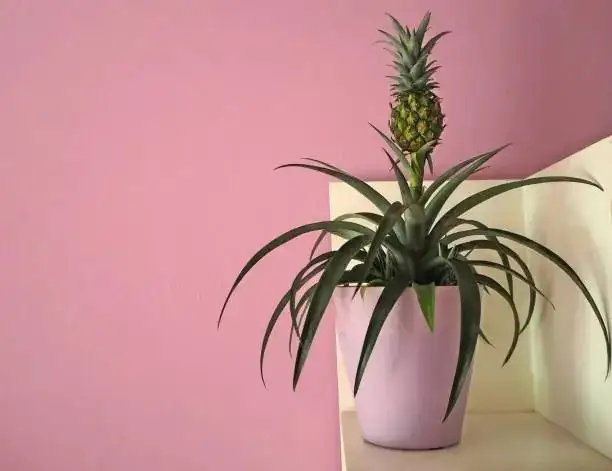
- Set a buffer: Place the pot at least 12–18 in from the edge of walkways, and keep a clear 30–36 in path for comfortable movement.
- Tuck, don’t trail: Corners, sunny alcoves, and behind-the-sofa placements are perfect—people see the drama without brushing past it.
- Gentle barriers: Low plant stands, a side table, or a companion planter create a visual edge that keeps hands and hips off the foliage.
- Maintenance smarts: Wear gloves and eye protection when removing dead leaves; prune minimally to preserve the plant’s symmetry.
Choose smoother cultivars and friendlier forms
If you love the look but want fewer spines near daily traffic:
- Smooth Cayenne types: Classic, widely grown, and typically with much smoother leaf margins than many “Queen” or “Spanish” types.
- MD-2 (the modern grocery standard): Similar overall habit to Smooth Cayenne, often with comparatively gentler leaf edges.
- Variegated/pink ornamental forms: Gorgeous but usually extra spiny. Treat as a display accent set back from reach.
Note: Even “smooth” selections may produce a few spines near the leaf tips. Growing conditions can influence how pronounced margins feel.
Pet and child safety notes
- Toxicity: Generally non-toxic to humans and pets. The edible fruit is famous—but fresh fruit contains bromelain, an enzyme that can irritate sensitive mouths. Moderation is wise.
- Mechanical risk: The main hazard is physical—sharp leaf tips can scratch. Keep plants away from play zones and pet runways; avoid eye-level placements for cats.
- Care days: Use gloves for pruning; secure large pots so a curious nudge won’t topple them.
Care, condensed
- Sunlight: Bright, direct light; strongest growth and fruiting in full sun.
- Temperature: Thrives 65–95°F (18–35°C), best near 75–80°F (24–27°C). Protect from chills; steady growth above 50–60°F (10–16°C). Brief dips to 28°F (-2°C) can injure plants.
- Watering: Water thoroughly, then let the top 1–2 in (2.5–5 cm) of mix dry before watering again. Never let the pot sit in water.
- Leaf cup: You may keep a small amount of water in the central “cup,” but refresh every 2–3 weeks and avoid this in cool, dim conditions.
- Feeding: During active growth, feed monthly (or “weekly, weakly”) with a balanced water-soluble fertilizer—many growers use around 20-10-20. Apply to soil and, in warm bright weather, lightly into the leaf cup.
- Humidity and air: Enjoys higher humidity with good airflow—stagnant air invites fungal issues.
- Pruning: Minimal. Remove dead leaves as needed.
- Timeline: From a crown, expect roughly 18–24 months to harvest. After fruiting, the mother declines while producing offsets (suckers/slips) you can grow on.
A quick design calendar
- Spring–summer: Maximum sun, regular feeding, deep but infrequent watering; containers can summer outdoors.
- Fall–winter: Reduce watering and fertilizer; keep warm and bright; bring plants indoors before nights dip below 60°F/16°C.
Propagation: the stylish crown-start
Turn a beautifully chosen market pineapple into your next statement plant.
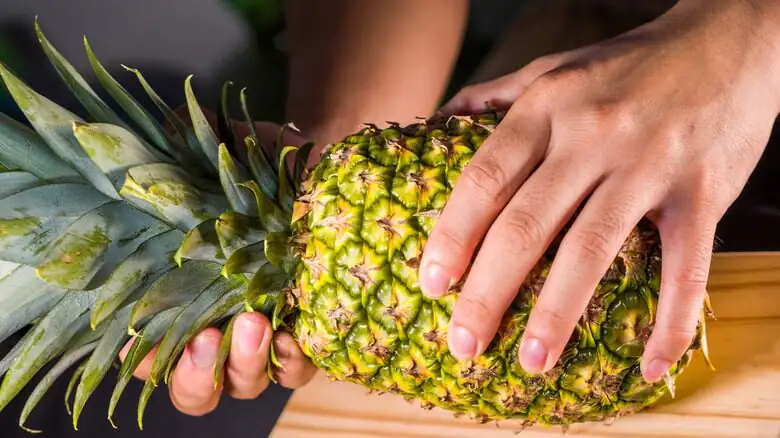
1) Select the fruit: Choose one with a firm, fragrant body and a fresh, green crown.
2) Twist or cut off the crown: Remove any lingering fruit flesh.
3) Prep: Strip a few lower leaves to expose ~1 in of stalk; let the crown dry/callus 1–2 days.
4) Root: Place in water or plant into a fast-draining mix. Keep warm and bright; roots form in ~2–8 weeks.
5) Pot up: Move to a breathable, draining blend and start your design grouping.
Common issues and easy fixes
- Soggy soil, limp leaves: Mix too heavy or pot holds water—repot into a lighter blend and empty saucers promptly.
- Pale, slow growth indoors: Not enough sun—move to a south window or add grow lights.
- Pests (mealybugs, scale, thrips): Improve airflow, rinse foliage, and spot-treat with insecticidal soap or horticultural oil.
- Cold stress: Keep away from winter drafts and cold glass; aim for consistently warm conditions.
Hospitality in a pot: symbolism with staying power
The pineapple’s iconic crown made it a historic emblem of hospitality, welcome, and abundance—so cherished in early Europe and colonial America that its image adorned gates, textiles, and architecture. That symbolism endures: a pineapple by the entry or on a sunny patio reads as a warm “come in,” with the bonus of sweet reward after a long, patient season.
Fast facts for the plant nerd in you
- Botanical: Ananas comosus, a bromeliad using water-efficient CAM photosynthesis.
- Habit: Herbaceous perennial rosette, 3–5 ft tall and about as wide; leaves often armed along the margins.
- Flower to fruit: Dozens to hundreds of purple-to-red flowers fuse into one multiple fruit with a leafy crown.
- Hardiness: Best outdoors year-round in USDA 10–12; elsewhere, treat as a container plant you can move with the seasons.
Design it bold. Place it bright. Plan your traffic. Choose smoother-leafed selections when needed. With a few thoughtful choices, your pineapple becomes both centerpiece and conversation—culminating, in time, in that golden, aromatic finale.