

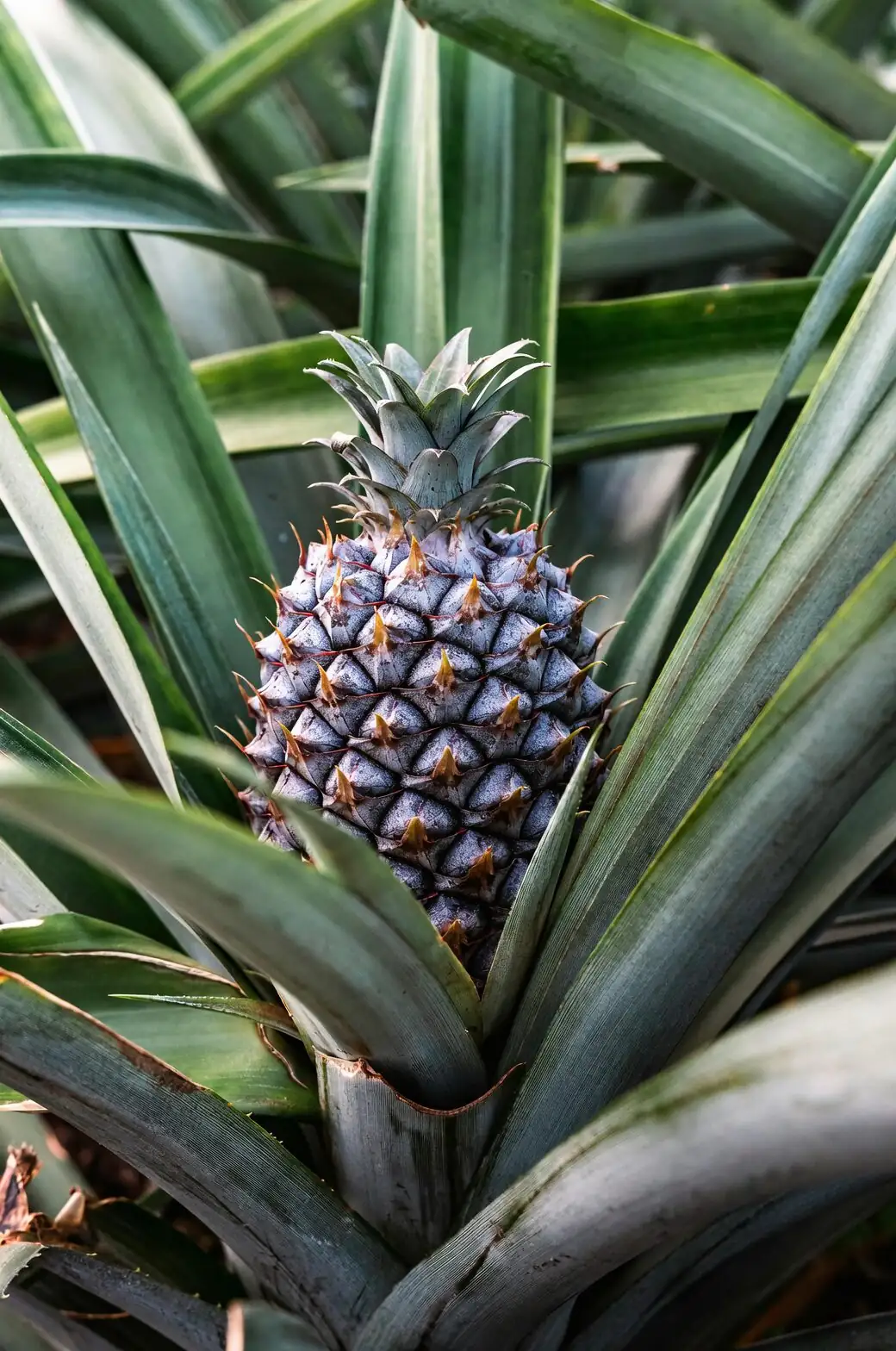
If you’ve ever rooted a pineapple crown on a sunny windowsill and wondered how to turn that leafy tuft into a real harvest, this is your playbook. Ananas comosus is a sun-loving bromeliad that rewards patience and good drainage with a golden, aromatic fruit. Below you’ll find step-by-step instructions for crowns, slips, and suckers; rooting timelines; potting mixes that pineapples love; and a practical 18–24 month plan to get you from planting to your first slice.
Meet Ananas comosus (pineapple), briefly
- Origins: Native to the Paraná–Paraguay river drainages between southern Brazil and Paraguay.
- Habit: Herbaceous perennial forming a tight rosette of waxy, sword-like leaves around a short stem. After a long leafy phase, it sends up a central flower spike; dozens to hundreds of blooms fuse into one “multiple fruit.”
- Light and temperature: Full sun is best. Warmth drives growth—ideally 24–27°C (75–80°F); keep above 10–16°C (50–60°F). Brief light frost can damage plants.
- Soil: Fast-draining, sandy/sandy-loam, slightly acidic (pH ~4.5–6.5). Soggy soil is the enemy.
- Indoors or out: Great in frost-free climates (USDA 10–12), or in bright indoor spots/greenhouses. Containers can summer outdoors, then come inside when nights cool.
Propagation pathways: crown, slips, or suckers—what’s fastest?
- Crowns (the leafy top of a fruit): Widely available and fun to start. Typical harvest in about 18–24 months from planting, with roots forming in roughly 2–8 weeks.
- Slips (small plantlets that form on the fruit stalk just below the fruit): Often establish faster than crowns and can reach harvest sooner in warm, bright conditions.
- Suckers (offsets/pups from the stem/leaf axils of a mature plant): Typically the quickest to maturity among the three, provided they’re of good size when removed.
All timelines depend on warmth, sun, and consistent care. Expect quicker progress outdoors in the tropics and slower progress indoors or in marginal light.
The potting mixes pineapples prefer
Pineapples are bromeliads: they love air at their roots as much as moisture. Aim for a mix that drains fast, stays airy, and trends acidic.
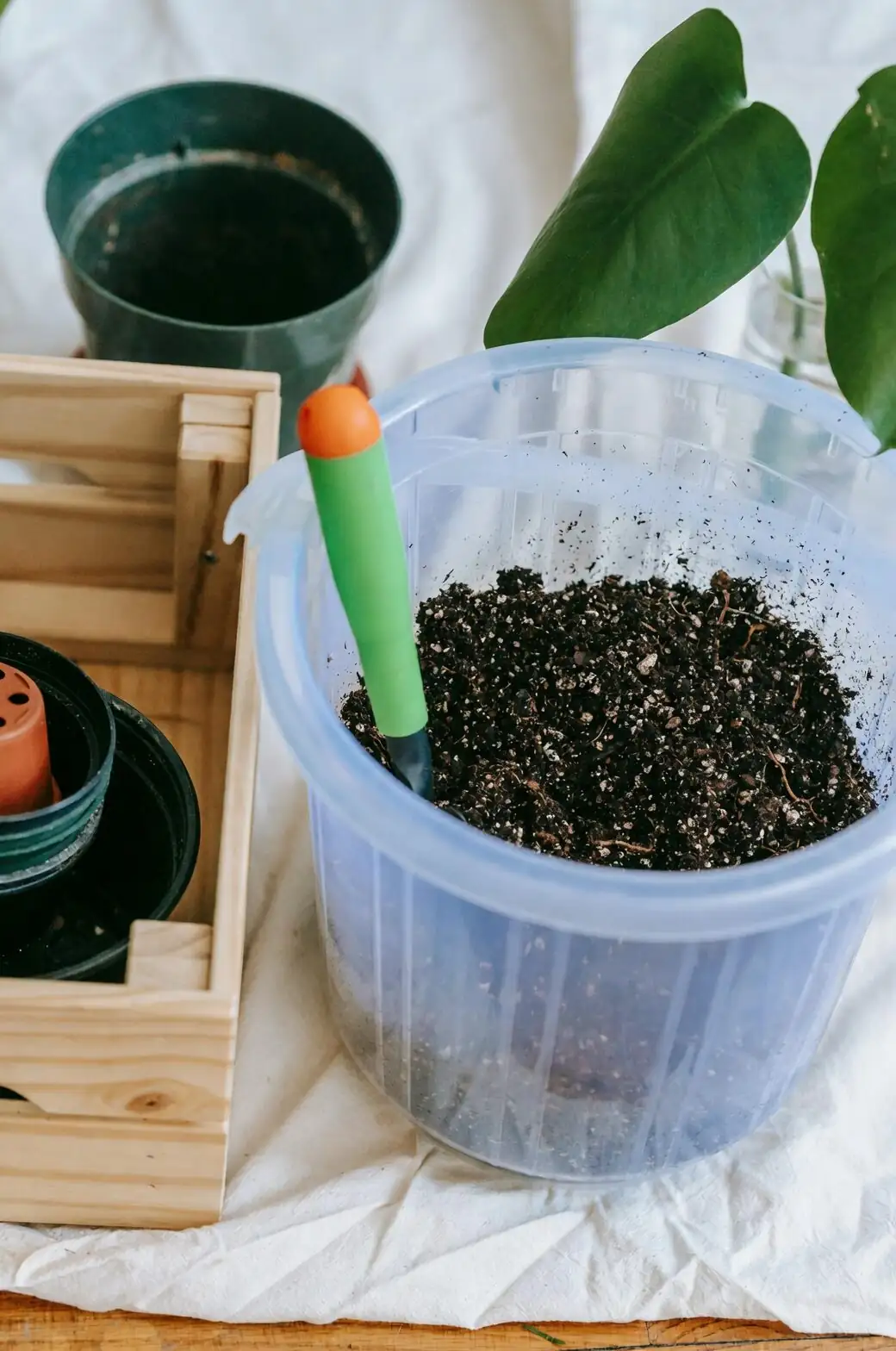
Two reliable options:
- Bark-forward bromeliad blend
- 40% medium orchid bark or pine bark fines
- 30% perlite or pumice (coarse)
- 20% coarse sand
- 10% peat moss or coco coir
- Cactus/bromeliad combo
- 50% high-quality cactus/succulent mix
- 25% orchid bark
- 25% perlite/pumice
Tips:
- Use pots with generous drainage holes. Start in a 6–8 in (15–20 cm) pot; plan to “graduate” to a final 10–14 in (25–35 cm) container once growth takes off.
- Target pH 4.5–6.5. Avoid heavy garden soils that compact or stay wet.
Step-by-step: rooting a pineapple crown
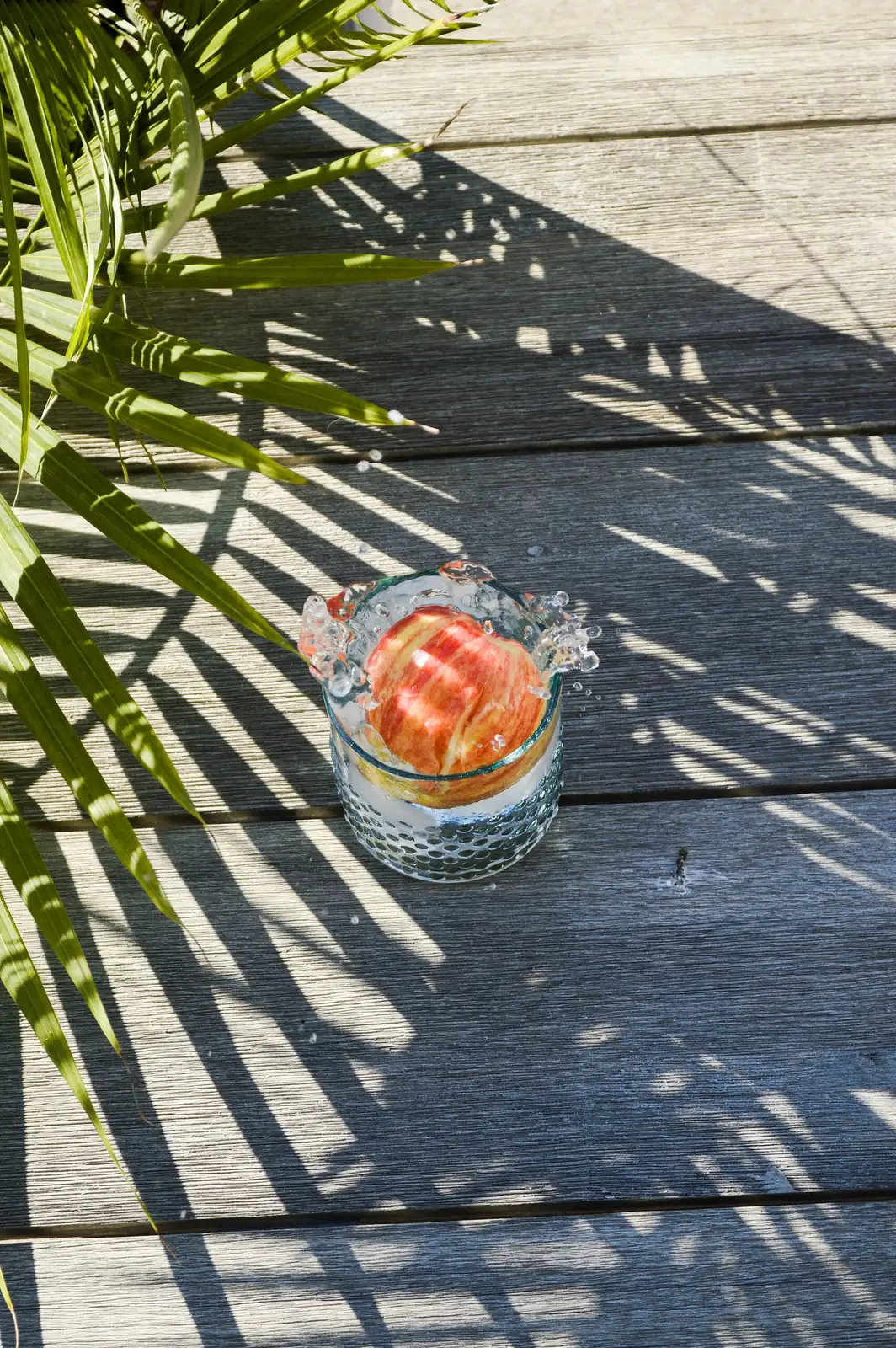
1) Select and prep
- Choose a fresh pineapple with a green, healthy crown. Twist the crown off (cleaner than cutting).
- Peel off any clinging fruit flesh from the base so it won’t rot.
- Strip 2–5 cm (1–2 in) of the lowest leaves to expose the pale root primordia nubs.
- Let the crown air-dry (callus) for 1–2 days in bright shade.
2) Root it
- Option A: Water-rooting
- Suspend just the base above water so only the very bottom touches. Bright, indirect light; warmth helps (24–30°C/75–86°F).
- Change water weekly. Pot up when roots reach ~2–5 cm (1–2 in), often in 2–8 weeks.
- Option B: Direct-planting
- Set the callused base into pre-moistened, airy mix. Plant shallowly—bury only the cleaned base, not the leafy rosette (deep planting invites rot).
- Bright shade or gentle morning sun until established; keep the mix lightly moist, never soggy. Expect root anchoring within 2–8 weeks.
3) Early aftercare
- Light: Gradually increase to full sun over 1–2 weeks once you see new leaf growth.
- Water: Water deeply, then let the top 2.5–5 cm (1–2 in) of mix dry before watering again.
- Leaf cup: You can keep a small amount of clean water in the central cup, but refresh it every 2–3 weeks—especially if conditions are cool—to prevent stagnation.
- Feed: Begin light feeding after clear new growth (see “Feeding & watering” below).
Step-by-step: planting slips (fast and tidy)
What they are: Mini-plantlets on the fruit stalk just beneath the fruit.
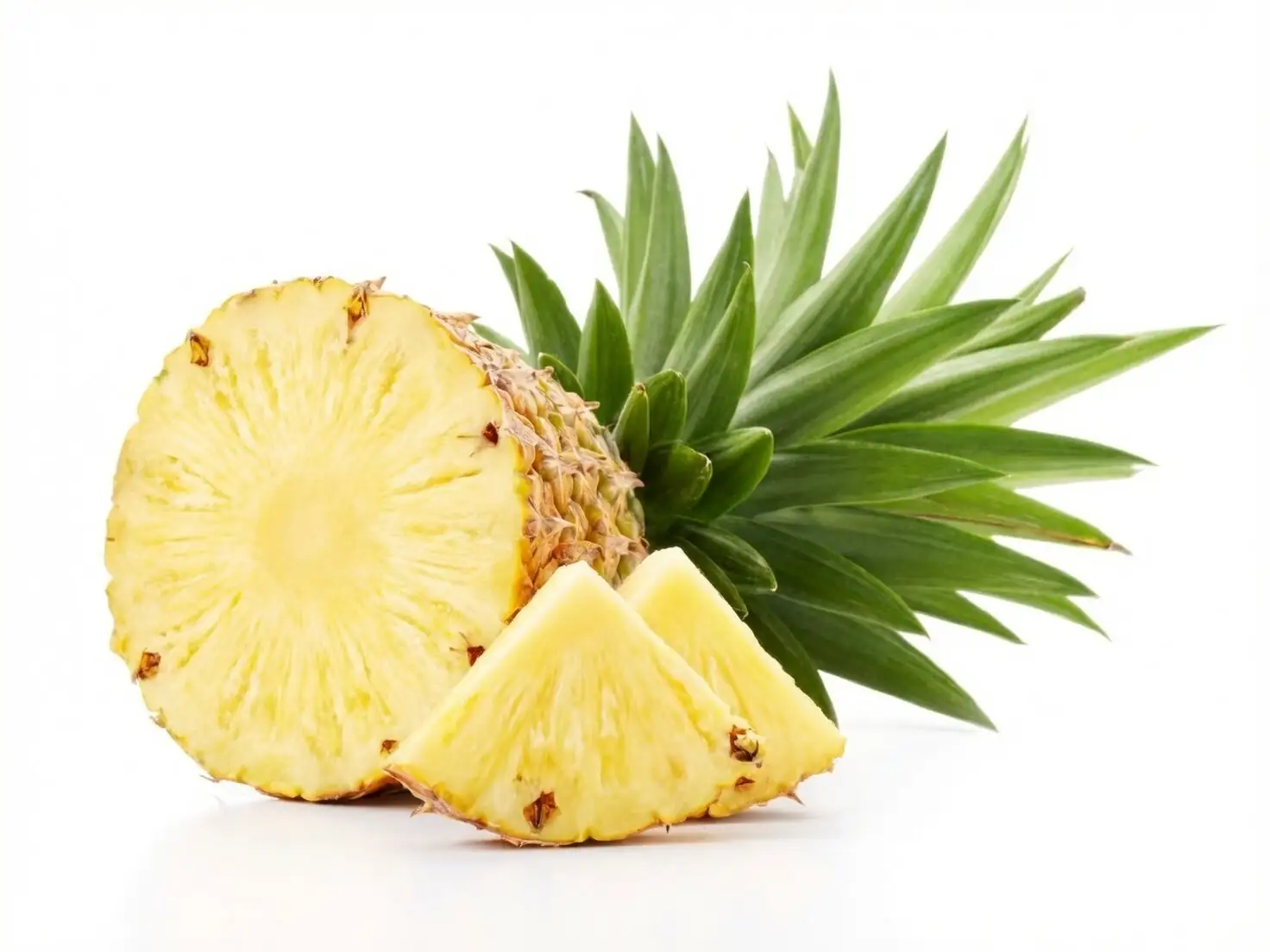
1) Remove and prep
- Gently twist slips free once they’re well formed.
- Peel 1–2 rings of small lower bracts to reveal more root primordia and improve footing.
- Air-dry 1–3 days in shade.
2) Plant shallowly
- Set into airy mix, just deep enough to steady the base.
- Keep slightly moist; avoid waterlogging.
3) Timeline
- Slips often root quickly—commonly within 1–4 weeks in warm, bright conditions—and can reach fruiting size sooner than crowns.
Step-by-step: planting suckers (aka pups—often the quickest)
What they are: Offsets forming along the mother plant’s stem in leaf axils.
1) Size and timing
- Harvest suckers when they’re substantial: about 15–30 cm (6–12 in) long for a strong start.
- Twist off close to the base; trim any ragged tissue if needed.
- Air-dry 1–3 days.
2) Plant and establish
- Set shallowly in airy mix; keep evenly, lightly moist.
- Expect rapid rooting—often within 1–3 weeks with good warmth and light.
Light, temperature, and spacing
- Sun: Aim for full sun outdoors or the brightest indoor window (south-facing is ideal). More sun = sturdier, faster plants and better fruit.
- Temperature: Strongest growth near 24–27°C (75–80°F). Keep above 10–16°C (50–60°F). Brief dips near freezing can injure foliage and slow everything down.
- Spacing outdoors: 60–90 cm (2–3 ft) between plants. In containers, budget space for a 10–14 in (25–35 cm) final pot.
Feeding and watering that pineapples love

- Watering rhythm: Water thoroughly, then let the top 2.5–5 cm (1–2 in) dry. Pineapples shrug off brief dryness but hate soggy roots.
- The leaf “cup”: If you fill it, refresh every 2–3 weeks; avoid leaving water in it in cool, dim conditions.
- Fertilizer: During active growth, feed monthly with a balanced, water-soluble fertilizer (a 20-10-20 style blend works well). In warm, bright seasons you can feed more frequently at lower strength (“weekly, weakly”). Apply to soil and, in warm bright weather, lightly into the cup. Reduce or pause feeding in cool, low-light months.
Your 18–24 month plan to harvest
Month 0–2: Rooting and settling in
- Crowns typically root in 2–8 weeks; slips and suckers often a bit faster.
- Keep warmth, bright light, and barely moist mix. Start light feeding once new leaves appear.
Month 2–12: Vegetative engine
- Aim for maximum sun and steady warmth.
- Water deeply with drying between; feed monthly.
- Repot if roots fill the container—keep the mix airy and fast-draining.
Month 12–20: Flower initiation window
- In many climates, flowering is likeliest in warm seasons (often summer). Well-grown slips/suckers may reach this stage sooner than crowns.
- Once the central inflorescence appears, the developing fruit typically needs several months—often about 5–6—to ripen.
Month 18–24: Harvest
- Ripeness cues: Golden-yellow skin (not just at the base), a sweet aroma, and slight “give” when pressed. Harvest with a bit of stalk attached.
- After harvest: The mother plant will decline but produce offsets. Keep a strong sucker to grow a second (ratoon) crop—usually another 12–18 months to the next harvest.
Repotting, sizing up, and final containers
- Start small (6–8 in/15–20 cm) to encourage quick root fill, then move to the final 10–14 in (25–35 cm) pot.
- Repot when the mix stays wet too long or roots circle densely. Use the same free-draining, barky blend.
- Outdoor summer vacation: If you’re in a cooler climate, move containers outside for intense sun and warm nights, then bring them in when nights fall below ~16°C (60°F).
Common pitfalls and easy fixes
- Rot at the base: Usually from planting too deep or waterlogged mix. Replant shallower, improve drainage, and water less often.
- Slow or purple-tinged growth: Often cool temps or insufficient light. Warm it up and increase sun.
- Pests: Mealybugs, scale, and thrips are the big three. Improve airflow and spot-treat with insecticidal soap or horticultural oil; repeat as needed. In-ground plantings may face nematodes—rotate sites and build soil health.
- Cold stress: Below ~10°C (50°F) foliage can bleach or spot. Protect plants or bring containers indoors.
Quick troubleshooting guide
- Crown won’t root: Too cold, too wet, or planted too deep. Warm it up, let the surface dry between waterings, and ensure only the base is buried.
- Leaf tips browning: Salt buildup or underwatering. Flush the pot with clear water and reset your watering rhythm.
- Plant topples: Roots haven’t anchored yet. Stake lightly and avoid overwatering while they establish.
A brief note on symbolism
The pineapple has long stood for hospitality and welcome—its rarity in early transoceanic trade made it the ultimate sign of generosity. Over time, the motif spread into art and architecture as a promise of warmth and abundance. It isn’t a “flower language” in the strict sense, but a cultural emblem rooted in history and the joy of sharing something sweet.
Fast reference: which part, how long, and what to expect
- Crowns
- Prep: Twist off, clean, strip lowest leaves, callus 1–2 days.
- Rooting: 2–8 weeks.
- Harvest: Commonly 18–24 months from planting.
- Slips
- Prep: Twist off, strip a ring or two of bracts, callus 1–3 days.
- Rooting: Often 1–4 weeks.
- Harvest: Frequently sooner than crowns under strong sun and warmth.
- Suckers
- Prep: Remove at 15–30 cm (6–12 in), callus 1–3 days.
- Rooting: Often 1–3 weeks.
- Harvest: Typically the quickest path if starting with a robust sucker.
With sun-soaked leaves, a breezy, fast-draining mix, and a simple feeding rhythm, your pineapple will keep marching toward that one glorious fruit. Plant one crown for fun—or a row of slips and suckers if you’re planning piña coladas. Either way, start now and your future self (18–24 months from today) will thank you.