

Pineapple is one of those rare plants whose story smells as sweet as its fruit. Meet Ananas comosus: a sun-loving South American bromeliad whose many violet-red blossoms knit themselves into a single golden “multiple fruit” crowned like a miniature scepter. Over centuries, that crown gathered meanings—hospitality, abundance, and, across Chinese-speaking communities, a joyful promise of wealth arriving. Here’s how a tough-leaved rosette became a universal welcome mat and a bringer of luck, and why its “flower language” (花语) still shapes our gifts and décor.
A quick botany-and-history peek: how one plant became an icon
- Native roots: Pineapple (Ananas comosus) hails from the Paraná–Paraguay River drainages between southern Brazil and Paraguay. It’s an herbaceous perennial bromeliad that forms a fortress-like rosette of waxy, sword-shaped leaves.
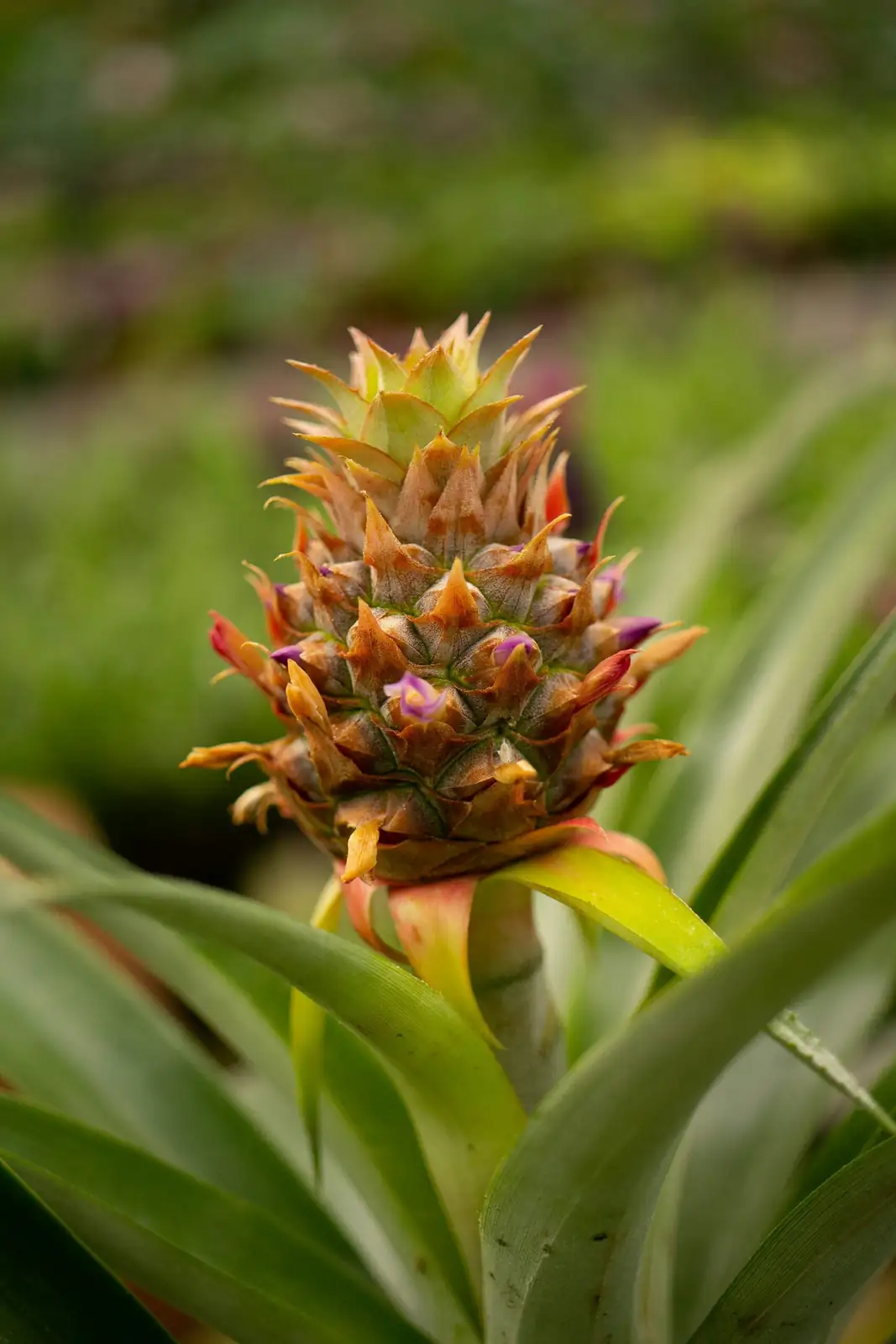
- Many flowers, one fruit: After 12–20 months of vegetative growth, the plant sends up a dense spike holding dozens to hundreds of small purple-to-red flowers. Those individual blooms later fuse into one aromatic, golden-yellow fruit with a leafy crown.
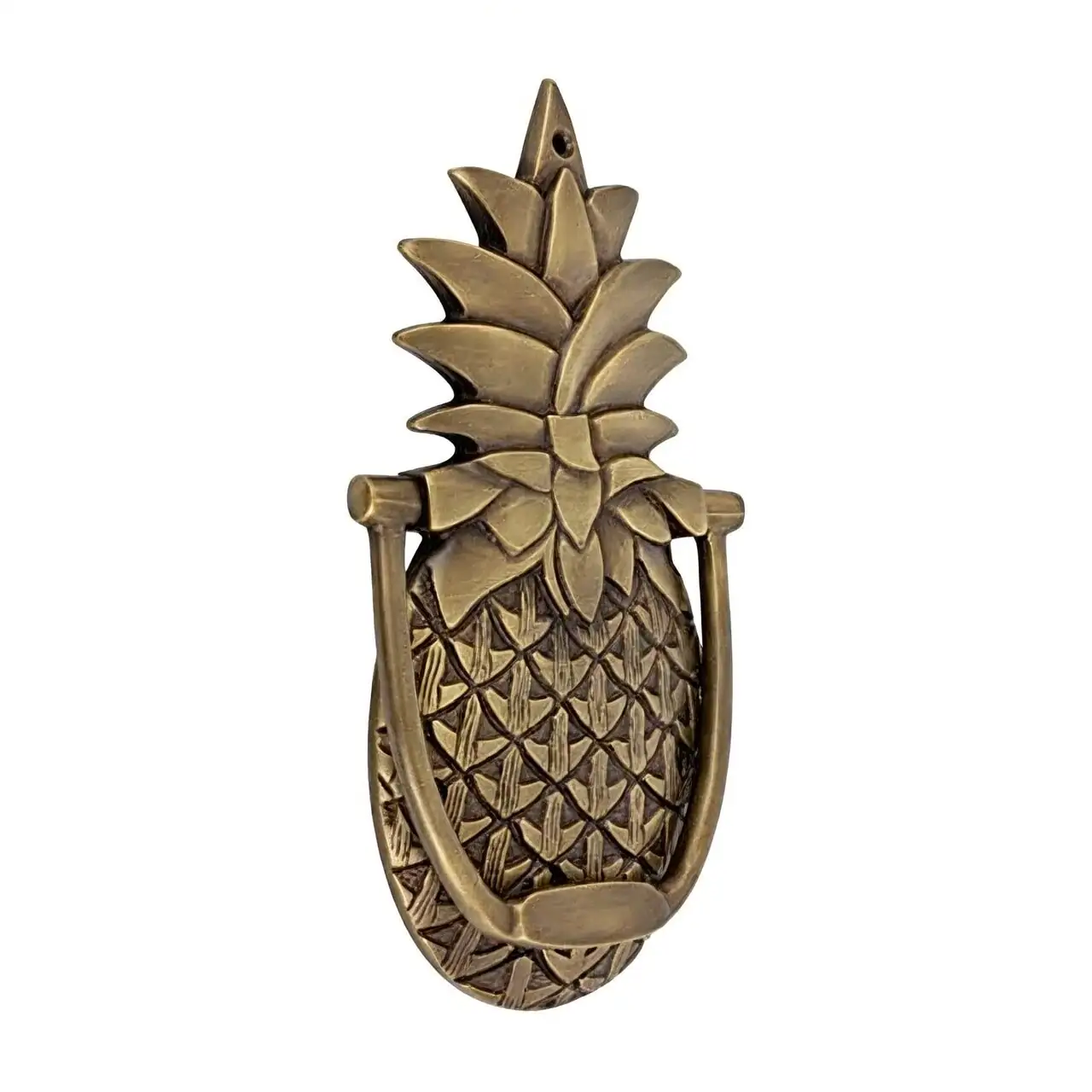
- A luxury turned legend: Columbus encountered pineapple in the Caribbean in 1493. In Europe and colonial America, it became so rare and prized that hosts rented fruit for parties and carved pineapple finials into architecture, signaling warmth, generosity, and high status. From door knockers to inn signs, the pineapple became the emblem of welcome.
The flower language (花语) of Ananas comosus
Flower language isn’t a fixed ancient code; it’s a living cultural shorthand that grows from how people meet a plant—in gardens, on tables, and in stories.
Welcome and hospitality
- Colonial-era hospitality emblem: Because fresh pineapples were once extravagant to procure, offering or displaying one advertised openhearted generosity. Architectural pineapples on gates, newel posts, and mantelpieces told guests, “You’re truly welcome.”
- Warmth writ in gold: The fruit’s glow, fragrance, and sweetness felt like warmth made tangible—hence its enduring role as a visual shorthand for comfort and conviviality.
Abundance, unity, and good fortune
- Many into one: Hundreds of flowers fusing into a single fruit evoke unity, teamwork, and shared abundance—an elegant floral metaphor for community.
- Crowned and plentiful: The royal tuft and spiraling scales (often following Fibonacci counts) hint at order, richness, and “more to share.”
- Good luck aura: Over time, that sense of plenty blended with the idea of good fortune; the pineapple still signals auspicious energy in homes and businesses.
“Ong lai/旺来”: the Hokkien pun that calls prosperity in
In Hokkien, pineapple is called “ong lai,” which sounds like 旺来—“prosperity is coming.” This irresistible homophone powers the fruit’s celebratory status across Hokkien-speaking communities and beyond.
- Lunar New Year star: Paper pineapples, gilded ornaments, and trays piled with fruit appear in homes and shops to “invite” prosperity. In Singapore and Malaysia, pineapple motifs practically hum with festive optimism.
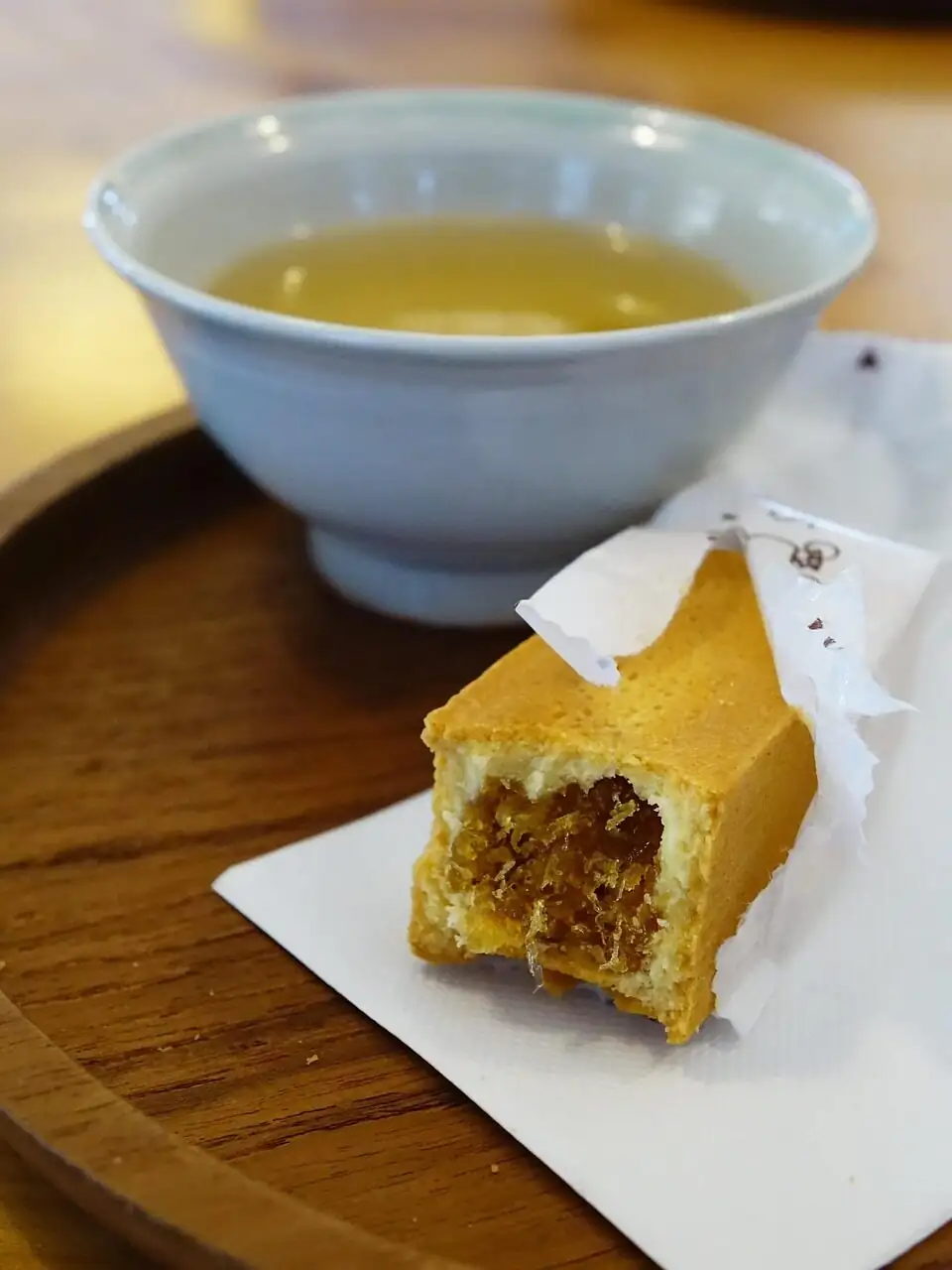
- Gifts that say “good fortune”: Pineapple tarts at Lunar New Year, pineapple cakes from Taiwan stamped with 旺来, and fresh fruit hampers for business partners all carry the same cheerful message: May wealth arrive—and keep arriving.
Feng shui ways pineapples are used
While schools of feng shui differ in method, the pineapple’s luck-bringing reputation is widespread. Common, culturally rooted practices include:
- Entryway “welcome”: Place a pineapple motif near the door to signal arrival of good fortune and a warm reception for guests.
- Housewarming ritual: In many communities, people “roll” or carry a pineapple across a new threshold while calling “Ong lai!” (or “Huat ah!”)—a playful, memorable way to invite prosperity.
- Business openings: Fresh pineapples or golden pineapple figurines may be displayed at entrances, reception counters, or ceremonial altars to usher in thriving trade.
- Wealth cues by area: Some practitioners position pineapple imagery in areas associated with wealth in their chosen school of feng shui, often favoring gold-toned or crystal forms to amplify the “abundance” message.
- Practical etiquette:
- If using real fruit, keep it fresh, clean, and remove it once it’s past its prime.
- Avoid placing sharply spined leaves pointing directly at seating (softening visual “spikes” helps keep the welcome vibe).

How symbolism shaped gift-giving and décor
From colonial carving to modern design language
- Historic décor: Pineapple finials on bedposts and gateposts, carved door surrounds, and inn signs told travelers they’d find comfort inside.
- Today’s echo: Hotels, B&Bs, and hosts still use pineapple imagery as a quiet promise of warmth. You’ll see it on doormats, ceramics, and textiles—instantly readable hospitality.
Gifts that carry meaning
- Housewarmings: A fresh pineapple, a sculptural golden pineapple, or pineapple-patterned linens signal “We wish you welcome and abundance.”
- Festivals and business: During Lunar New Year, pineapple tarts and cakes are exchanged to bless partners and relatives with 旺来. Ribboned fruit baskets do double duty—beautiful and symbolically charged.
- Weddings and gatherings: Pineapple centerpieces, place cards, or favors underscore unity (many flowers into one fruit) and a sweet, abundant life together.
A quick modern-context note
- In some Western subcultures, an upside-down pineapple has acquired an unrelated, playful signal meaning. If you’re using motifs publicly (like on a porch or luggage), orientation and context can matter—keep the crown upright for the classic welcome message.
Bringing the living plant into the picture
There’s nothing like a real pineapple plant to make symbolism tangible—hospitality that literally grows.

- Light and warmth: Give it full sun and warmth typical of the tropics (ideally around 24–27°C/75–80°F). It can be grown indoors in a bright, sunny window in cooler climates.
- Patience rewarded: From a rooted crown, expect roughly 18–24 months to fruit. Indoor fruits are often smaller, but the spectacle—a purple-red bloom spike that becomes a golden fruit with a crown—is worth the wait.
- Friendly, with a caveat: The plant and fruit are generally non-toxic, but fresh pineapple’s bromelain can tingle or irritate mouths; heat tames the effect.
Why the pineapple’s 花语 endures
- It’s grounded in lived experience: The taste of welcome, the sight of a golden centerpiece, the scent of ripeness as guests arrive—hospitality becomes sensory, not abstract.
- It’s amplified by language: The Hokkien ong lai/旺来 pun turns a fruit into a cheerful incantation for prosperity.
- It’s reinforced by form: A crown that greets, many blossoms fused into one, spirals that whisper of abundance—botany becomes metaphor.
In short, Ananas comosus wears several meanings at once: a colonial emblem of generous welcome, a Hokkien homonym for incoming wealth, and a feng shui favorite for inviting luck. Whether you carve it into a doorframe, set it on a festive table, or gift pineapple-laced pastries, you’re speaking a universal language—sweet, golden, and crowned with good will.