

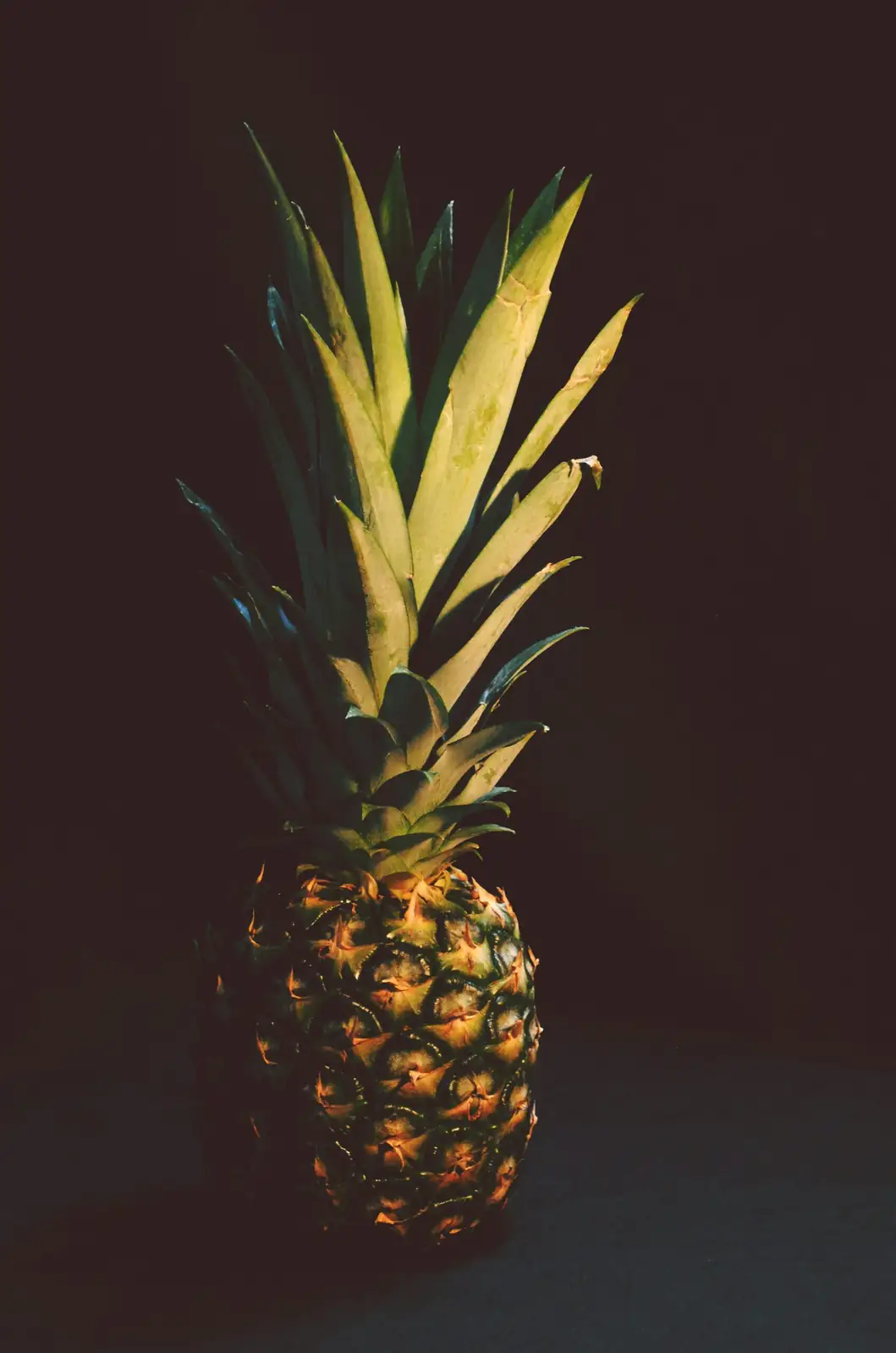
Pineapple (Ananas comosus) wears a crown, bends math to its will, breathes at night, and once moonlighted as high-society décor. Ready to meet the world’s most charismatic bromeliad?
1) One fruit made from many: the pineapple is a botanical crowd scene
- What looks like a single fruit is actually a “multiple fruit”—a tight fusion of dozens (often 50–200) of individual flowers packed on a short, thick spike. Each hexagonal “eye” is the footprint of a flower and its bract, all knitted together into that golden, aromatic cone.
- The leafy top is the crown—future plant-in-waiting. After fruiting, the mother rosette begins to fade but sends out offsets (suckers and slips) to keep the dynasty going.
2) Count the spirals: 8 this way, 13 that way
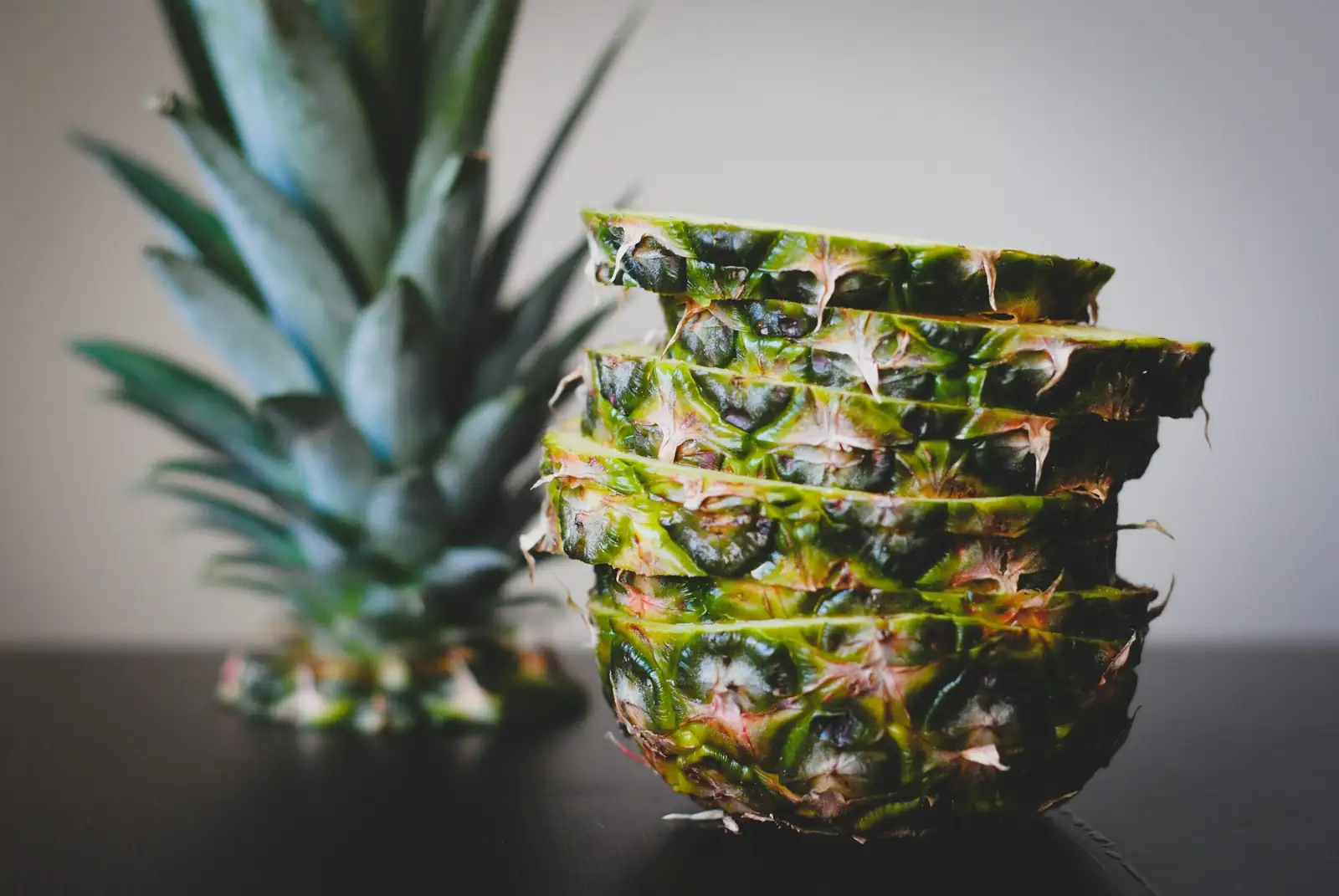
- Try this party trick: trace the fruit’s eyes in spiral rows. You’ll commonly find 8 spirals in one direction and 13 in the other—classic Fibonacci neighbors that plants seem to love.
- Botanists sometimes see other Fibonacci pairs in pineapples, but 8 and 13 show up again and again. It’s phyllotaxis you can hold in your hand.
3) Pineapple, the night-breather (hello, CAM)
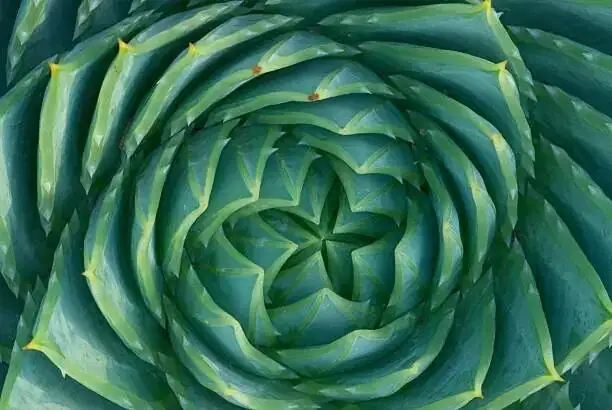
- Pineapple uses CAM photosynthesis: it takes in CO₂ mostly at night, storing it as organic acids, then closes stomata by day to conserve water while the sun powers sugar-making. It’s desert-savvy behavior in a tropical plant.
- Care translation:
- Light: bright, direct sun makes a happier, fruitier plant.
- Water: drench, then let the top 1–2 inches of soil dry; soggy mixes invite root rot.
- Warmth: thrives around 75–80°F (24–27°C); keep well above 50–60°F (10–16°C) for steady growth.
- Air: likes humidity with good airflow.
4) Bromelain: the enzyme that tingles (and tenderizes)
- Fresh pineapple carries bromelain, a protease that nibbles at proteins—including the delicate ones in your mouth—leading to that tingling or light burn some people feel.
- Kitchen notes:
- Heat tames it: cooking or canning deactivates bromelain.
- It doubles as a meat tenderizer and shows up in supplements and labs for digestive and anti-inflammatory roles.
- Sensitive folks may experience irritation; moderation helps.
5) The era when pineapples were rented as party décor
- In 18th‑century Europe, a fresh pineapple was so rare and expensive that hosts rented one as a centerpiece to flaunt status before handing it back—yes, fruit as VIP guest.
- From this spectacle grew a powerful symbol: hospitality, warmth, and abundance. That’s why pineapples still crown gates, newel posts, and welcome signs—the “flower language” here is less about Victorian sentiment and more about history, scarcity, and the social currency of generosity.

6) From riverlands to world stages: origin and spread
- Native roots: the Paraná–Paraguay River drainages between southern Brazil and Paraguay.
- Long before Europeans arrived, Indigenous peoples cultivated and spread pineapple across South and Central America and the Caribbean.
- 1493: Columbus encountered it in the Caribbean; the fruit then rode colonial trade routes—reaching India via the Portuguese by the mid‑1500s and parts of Southeast Asia under Spanish influence.
- Commercial booms followed, including Hawaii in the late 19th century. Today, major producers include Costa Rica, Brazil, and the Philippines.
7) Grow your own, crown and all
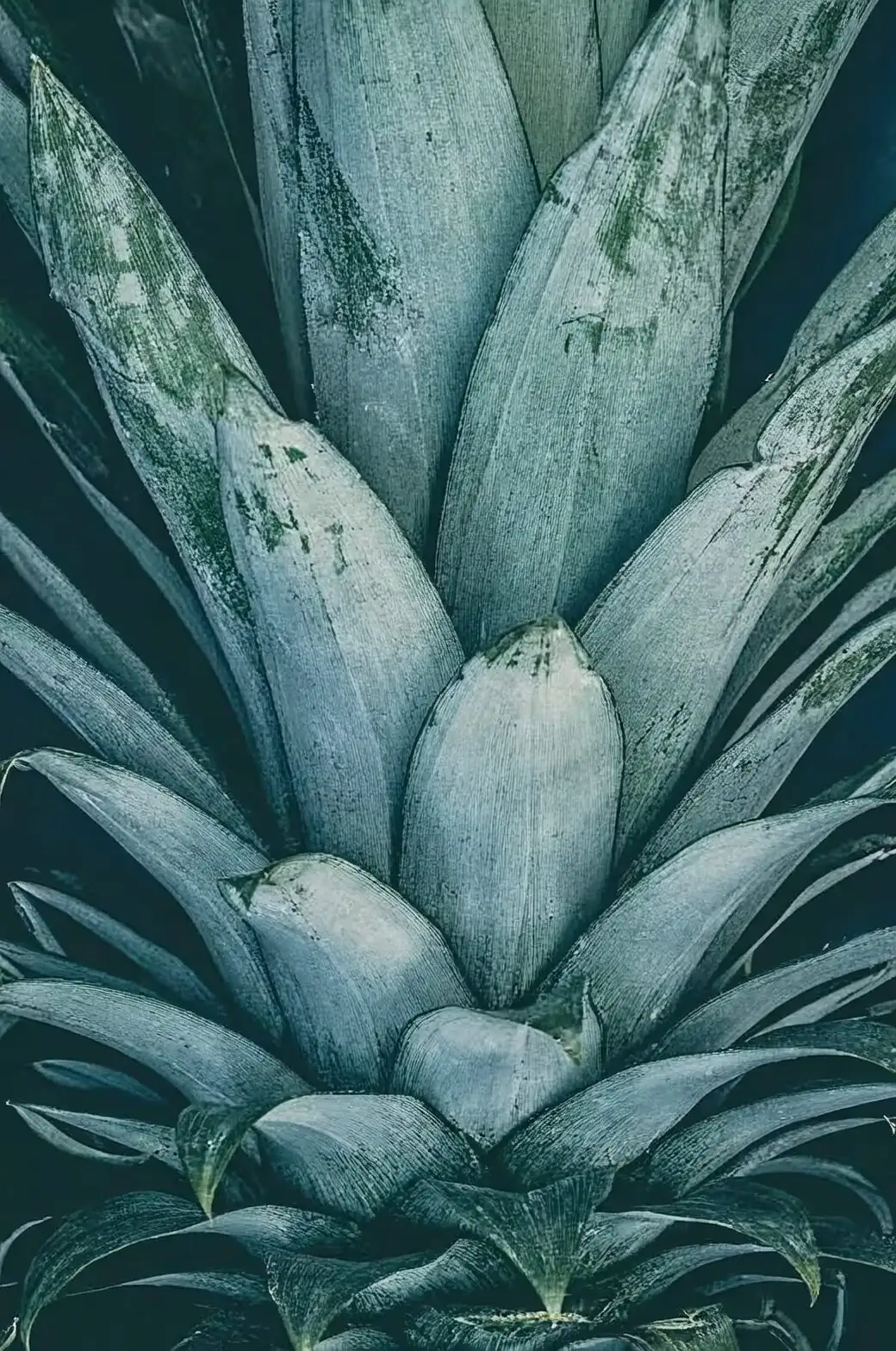
- Start a crown:
- Pick a fruit with a firm, green top. Twist or cut off the crown, trim away lingering fruit flesh, and let the base dry (1–2 days) to callus.
- Root in water or a fast‑draining, sandy mix. Expect roots in about 2–8 weeks.
- Pot culture:
- Soil: airy, well‑drained, slightly acidic (pH ~4.5–6.5).
- Feeding: during active growth, use a balanced water‑soluble fertilizer monthly (or weaker, more frequent feeds in spring/summer). You can lightly feed the leaf cup in warm, bright conditions—refresh that water regularly.
- Placement: full sun outdoors in frost‑free climates (USDA 10–12) or the brightest indoor window (south‑facing ideal). Move containers out for summer sun; bring in when nights cool.
- Timeline:
- Vegetative phase: roughly 12–20 months to flower.
- Harvest: about 18–24 months from crown planting to ripe fruit.
- Encore: keep a strong sucker for a second (ratoon) fruit in another 12–18 months.
8) Look closer: size and structure, by the numbers
- Habit: a stocky, herbaceous perennial forming a tight rosette of waxy, sword‑like leaves.
- Dimensions: typically 3–5 ft (1.0–1.5 m) tall and about as wide; leaves 12–39 in (30–100 cm) long, often with saw‑toothed, spiny margins.
- Inflorescence: dense, spike‑like, up to ~6 in (15 cm) with purple‑to‑red blooms.
- Fruit: commonly up to ~12 in (30 cm) long; large cultivars can exceed 14 lb (6.4 kg).
9) Pollination footnote: seeds not required
- Pineapples readily form fruit without pollination. In fact, commercial growers often avoid pollination because it can lead to seeds and lower eating quality.
- In the wild, hummingbirds and bats can act as pollinators—but your plant doesn’t need them to fruit.
10) Pests, pitfalls, and practical fixes
- Usual suspects: mealybugs, scale, thrips; nematodes in ground plantings.
- Cultural hiccups:
- Overwatering → root rot and wilt. Keep mixes loose and let them breathe.
- Still, humid air → fungal issues. Add airflow.
- Chill damage below ~50°F (10°C). Keep it toasty.
- Leaf cup care: if you keep water in the rosette, refresh every 2–3 weeks and avoid stagnant water in cool conditions.
11) Beyond dessert: textiles and décor
- Leaf fibers become piña cloth in the Philippines—a lustrous, airy textile historically prized for formal wear.
- Even fruitless plants shine as ornamentals, thanks to that architectural rosette and showy, crown‑topped cones.
12) Quick hits and handy FAQs
- How long from crown to fruit? About 18–24 months.
- Indoors—really? Yes, with fierce sun, warmth above 60°F (16°C), and fast drainage. Expect smaller fruits.
- How many fruits per plant? Usually one main fruit; keep a healthy sucker for a second after another year or so.
- Why does my mouth tingle? Fresh bromelain at work; cooking diminishes the effect.
Try this at home: a mini pineapple lab
- Spiral safari: pick up a pineapple and count the eyes in diagonal spirals—8 in one direction, 13 in the other is a common score.
- Night‑breather note: water in the morning and keep the plant warm and sunny—perfect for a CAM champion.
- Enzyme experiment: compare fresh vs. grilled pineapple on your tongue; feel how heat mellows the bromelain bite.
The pineapple: part math puzzle, part night owl, part history lesson—wholly irresistible.