

Imagine a plant that begins as a spiky rosette in the South American savanna, dazzles a Genoese mariner in the Caribbean, becomes the must-have trophy of European aristocrats, and later transforms Pacific islands into canning empires. That’s the improbable, irresistible journey of Ananas comosus—the pineapple.
From river basin to trade routes: wild beginnings and early gardeners
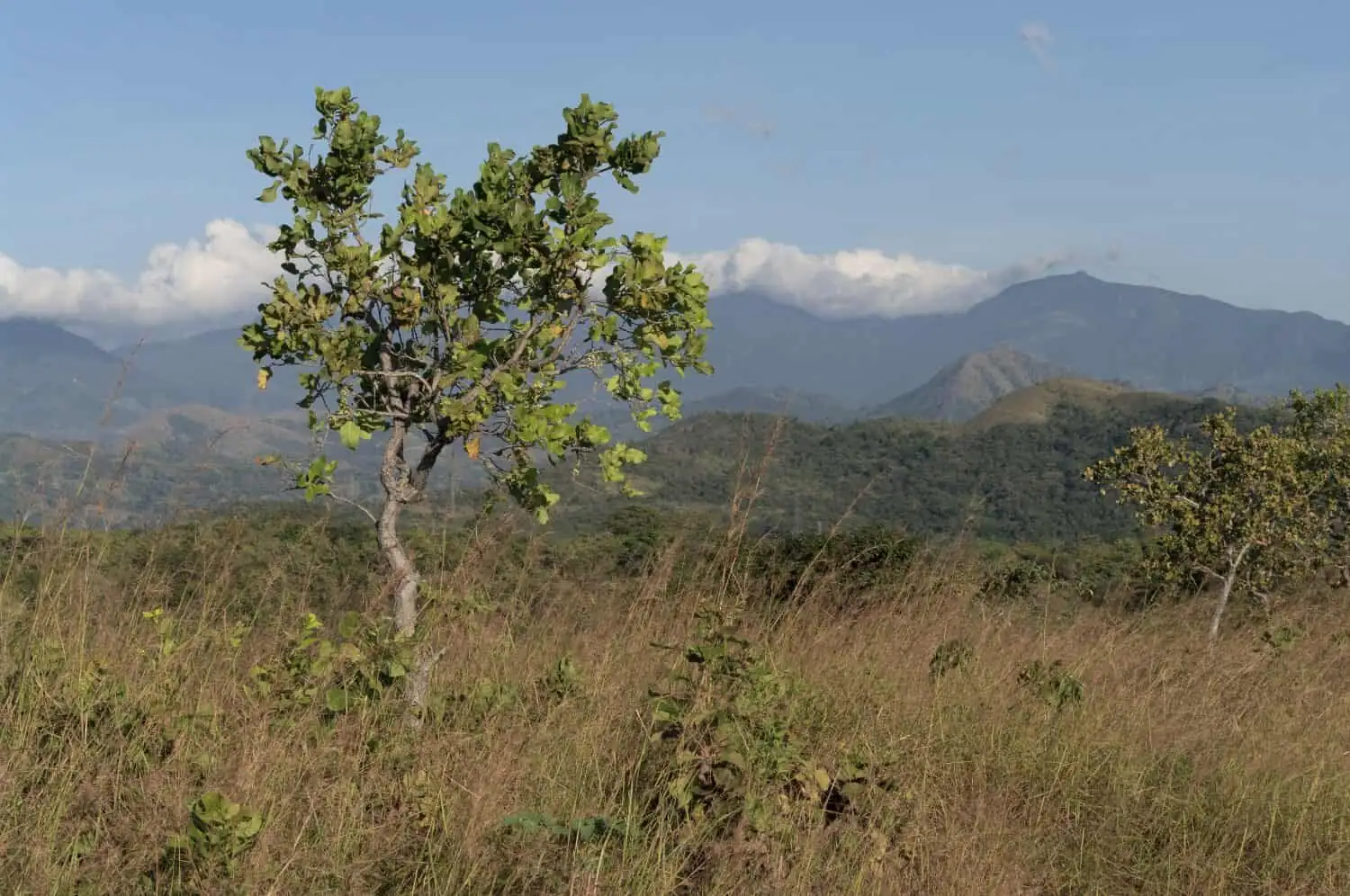
The pineapple’s story starts in the Paraná–Paraguay River drainages between southern Brazil and Paraguay, where Indigenous peoples selected and spread this sun-loving bromeliad across tropical lowlands long before Europeans set eyes on it. The very name ananas likely echoes Tupi–Guaraní roots for “excellent fruit,” a verdict any first bite readily confirms.
- Botanically, pineapple is a herbaceous perennial in the Bromeliaceae, forming a rugged rosette of waxy, sword-like leaves around a stout stem.
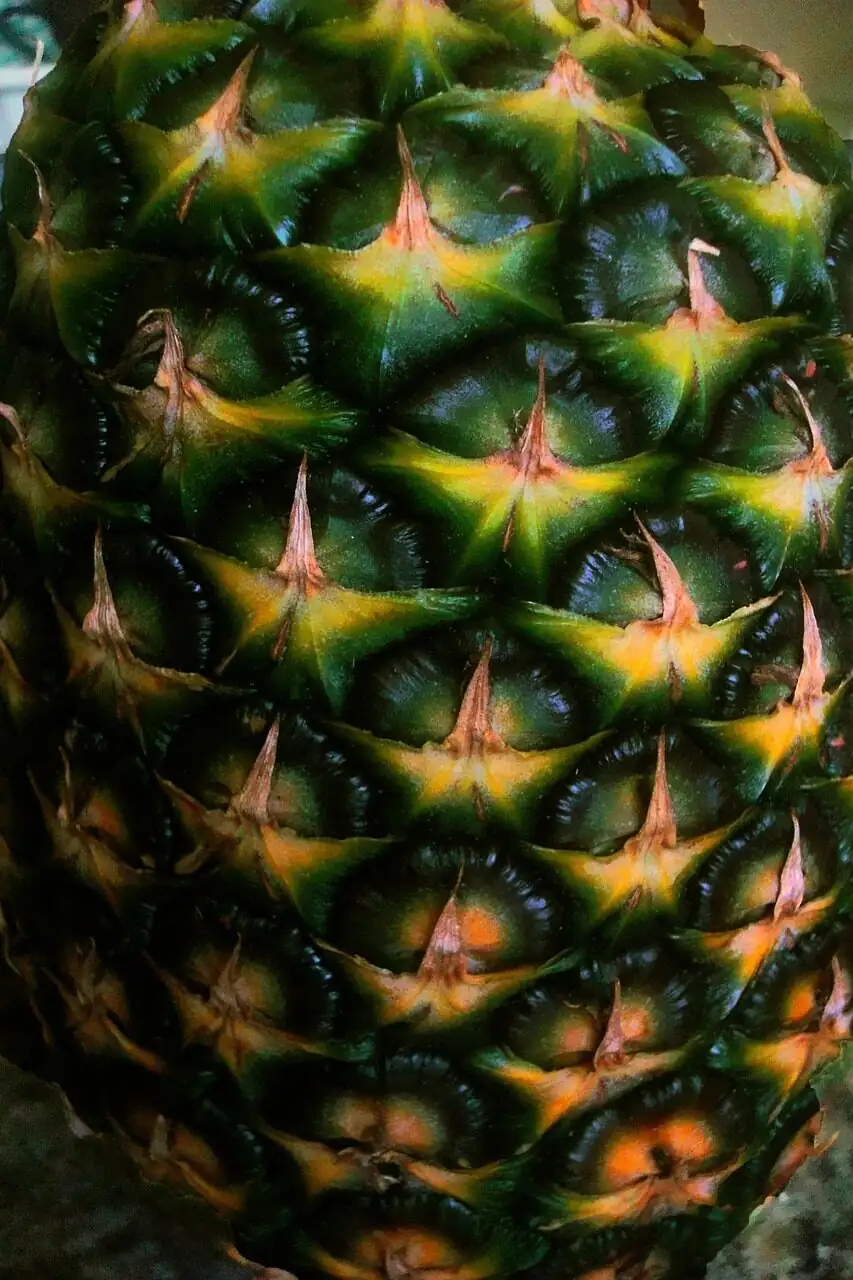
- Its “fruit” is actually a botanical mash-up: hundreds of purple-to-red blossoms fuse into one aromatic, golden, many-eyed orb topped by a jaunty crown.
From these South American heartlands, precolonial horticulture pushed pineapple into the Amazon, Orinoco, coastal Brazil, and the Caribbean, where it became food, fiber, drink, and medicine. People fermented the fruit into chicha-like beverages, used its tough leaf fibers for cordage and cloth, and took advantage of bromelain—the fruit’s proteolytic enzyme—in traditional remedies.
1493: a Caribbean encounter that rewrote menus
On his second voyage, Christopher Columbus met the pineapple in the Caribbean in 1493 and marveled at its pinecone-like armor and sugarburst flavor. He ferried plants back to Europe, and the fruit began its transoceanic career. Within decades, European empires threaded pineapples through their colonial routes: Portuguese networks moved it into India; Spanish influence carried it across parts of Southeast Asia and the Pacific. The fruit’s charisma traveled faster than the ships.
Europe’s hothouse fever: pineries, prestige, and the pineapple as a calling card
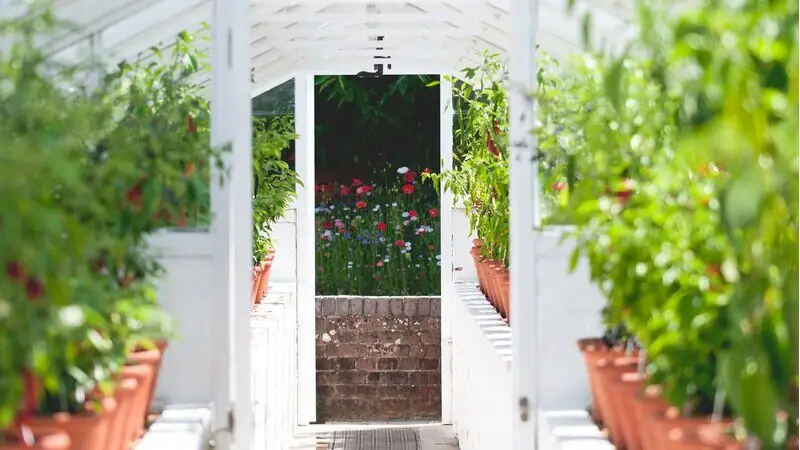
Europe fell hard. Fresh pineapples were so rare they were flaunted like jewels—sometimes even rented as centerpieces for a single evening of bragging rights. Wealthy patrons built specialized hothouses called pineries to coax tropical sun in temperate gloom. Success meant more than dessert; it proved dominion over climate and commerce. No wonder the pineapple soon became an emblem of hospitality—hosts signaled abundance and welcome by displaying that gilded, many-eyed crown.
The plant behind the romance: how a pineapple works
Before the banquet, there’s a remarkable bit of botany.
- Form: A tight rosette of evergreen, gray-green, often spiny leaves, commonly 30–100 cm long, rising on a short, stocky stem. Whole plants usually reach 1.0–1.5 m tall and nearly as wide.
- Flowers: A dense, spike-like inflorescence with dozens to hundreds of small purple-to-red blooms (often 50–200), capped by the future crown.
- Fruit: A “multiple fruit,” born when those individual flowers and their bracts knit together into a single, pineapple-shaped structure up to about 30 cm long. Large cultivars can tip the scale at around 6.4 kg.
- Spirals: Look closely at the pineapple’s eyes and you’ll see interlacing Fibonacci spirals—commonly 8 one way and 13 the other.
- Physiology: Pineapple uses CAM photosynthesis, sipping in CO₂ mostly at night to conserve water. Tough, efficient, and built for sun.
Growth habit in brief:
- Vegetative phase of roughly 12–20 months
- A central flower spike emerges
- The inflorescence fuses into fruit
- After harvest, the mother plant wanes but produces offsets (suckers and slips) to continue the lineage
Across the tropics and into the loom
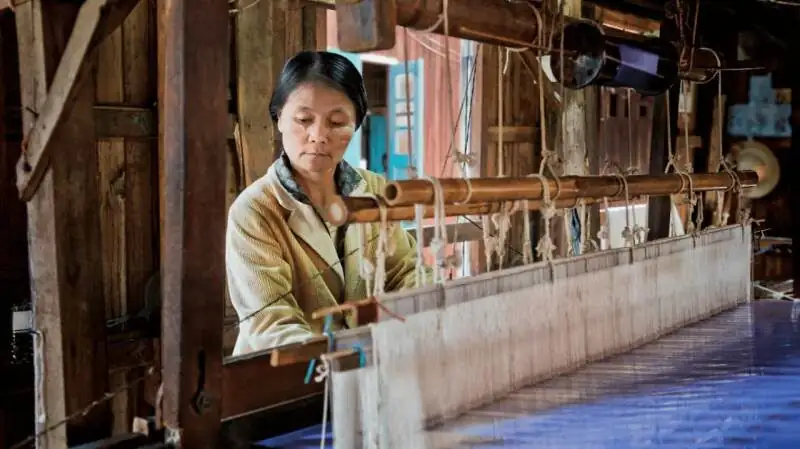
As the fruit found its footing across the Old World by the mid-1500s, it took on lives beyond the table. In the Philippines, the long, silky fibers of pineapple leaves became piña cloth—light, lustrous, and famously elegant. Elsewhere, gardens and estates favored pineapple for its sculptural form, sunshine tolerance, and conversation-starting fruits.
From boutique luxury to booming industry: Hawai‘i and global trade
The late 19th century transformed pineapple from salon showpiece to supermarket staple. Hawai‘i became a powerhouse of cultivation and canning, and names like James Dole helped build the industrial and logistical backbone—fields, factories, shipping routes—that would make pineapple a global pantry item. The cultivar ‘Smooth Cayenne’ rose to prominence for its canning-friendly texture and transportability, shaping taste and trade for much of the 20th century.
Today, pineapple is cultivated commercially across tropical and subtropical belts roughly between 30°N and 30°S. Major producers include Costa Rica, Brazil, and the Philippines. Airfreight, refrigerated containers, and a web of growers now deliver pineapple’s sunny sweetness year-round.
Growing your own: a crown, a pot, and a little patience
Yes, the windowsill pineapple is real—and fun. It simply asks for sun, warmth, and restraint with water.
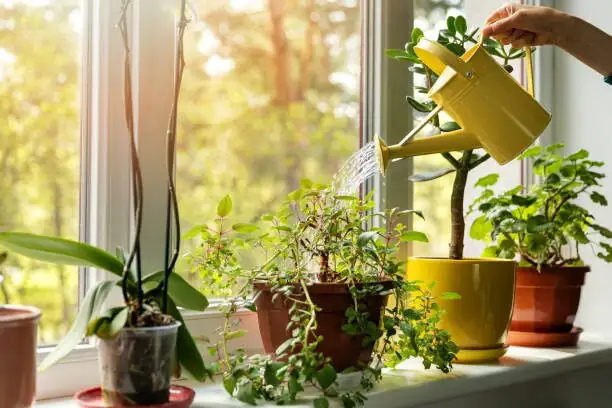
- Light: Full sun is best. Indoors, aim for the brightest, south-facing window you’ve got.
- Temperature: Steady warmth (18–35°C; 65–95°F). Keep plants above 10–16°C (50–60°F). Brief dips near -2°C (28°F) can injure; avoid cold drafts.
- Soil: Loose, fast-draining, sandy or sandy-loam with organic matter; slightly acidic (pH ~4.5–6.5). Think bromeliad/cactus-style mixes.
- Water: Drench, then let the top 2.5–5 cm (1–2 in) dry before watering again. Pineapples shrug off short dry spells but dislike soggy feet. If you keep a bit of water in the leaf cup, refresh every 2–3 weeks in warm, bright conditions.
- Feeding: During active growth, use a balanced, water-soluble fertilizer (around 20-10-20) monthly—or more lightly but more often in spring–summer. You can feed soil and, sparingly, the leaf cup.
- Propagation: Twist off a fresh fruit’s crown, remove stray fruit flesh, and let it dry 1–2 days. Root in water or a moist, airy mix (2–8 weeks), then pot up. Slips and suckers from a mature plant are even quicker starters.
- Timeline: Expect 18–24 months from a rooted crown to your first homegrown fruit. Leave a strong sucker after harvest and you may enjoy a second (ratoon) crop in another 12–18 months.
Common hiccups:
- Overwatering invites root rot; under light indoors, err on the dry side.
- Cool homes slow growth and flowering.
- Mealybugs, scale, and thrips may visit—wipe, rinse, or treat early and improve airflow.
Hospitality, decoded: the symbolism and “flower language” of pineapple
Why does a carved pineapple greet you at doorways and on inn signs? In colonial port cities, a pineapple on the table signaled a host who had gone to extraordinary lengths (and expense) to welcome guests. The fruit’s scarcity, beauty, and sweetness converged into a shorthand for warmth, generosity, and abundance. Over centuries, that became an architectural and decorative motif—the universal “you’re welcome here.”
As for flower language (the Victorian penchant for assigning meanings to blooms), pineapple isn’t a traditional entry—after all, it’s a fruiting bromeliad rather than a bouquet staple. When modern sources list a “pineapple flower language,” they’re usually translating the deeper cultural motif rather than citing a canonical floriographic code. Read it as an emblem of hearty welcome, prosperous hospitality, and good fortune—a meaning earned through history rather than a florist’s dictionary.
Tasting notes and table uses
- Fresh wedges, grilled rings, salsas, and carpaccios
- Juices and cocktails; classic in desserts and jams
- Savory magic with chilies, mint, or smoky meats
- Bromelain makes pineapple a natural meat tenderizer; heat tames the enzyme’s bite
Tip: If fresh pineapple makes your mouth tingle, that’s bromelain at work on tender tissues. Cooking or canning largely deactivates it.
Quick facts to savor
- A pineapple is a single fruit formed from many fused flowers—a botanical team sport.
- Its eyes often align in Fibonacci spirals—commonly 8 and 13.
- Pineapple practices water-wise CAM photosynthesis.
- In 18th-century Europe, a perfect pineapple could be rented as party décor.
- Leaf fibers spin into exquisite piña fabric.
- It can take around 200 flowers to build one fruit.
FAQ
- How long from crown to fruit? Typically 18–24 months, with roots appearing in 2–8 weeks.
- Can I grow one indoors? Yes—give it strong, direct sun, warmth above 16°C (60°F), and a sharply draining mix. Expect smaller fruits than field-grown.
- Do I need to pollinate? No. Pineapples set fruit without pollination; in the wild, hummingbirds and bats can pollinate, but seeds can reduce eating quality.
- How many fruits per plant? Usually one main fruit; keep a robust sucker to harvest a second (ratoon) fruit 12–18 months later.
- Is it safe for pets? Generally non-toxic. As with people, the fresh fruit’s bromelain can irritate sensitive mouths—moderation is key.
From a sun-baked South American river basin to a gilded guest of honor on European tables and the backbone of modern tropical agriculture, Ananas comosus has been many things: a botanical marvel, a status symbol, a textile source, and, most of all, that bright, golden shorthand for welcome. Wherever you meet it—on a porch pediment, a plantation road, or your kitchen cutting board—it still speaks fluent hospitality.