

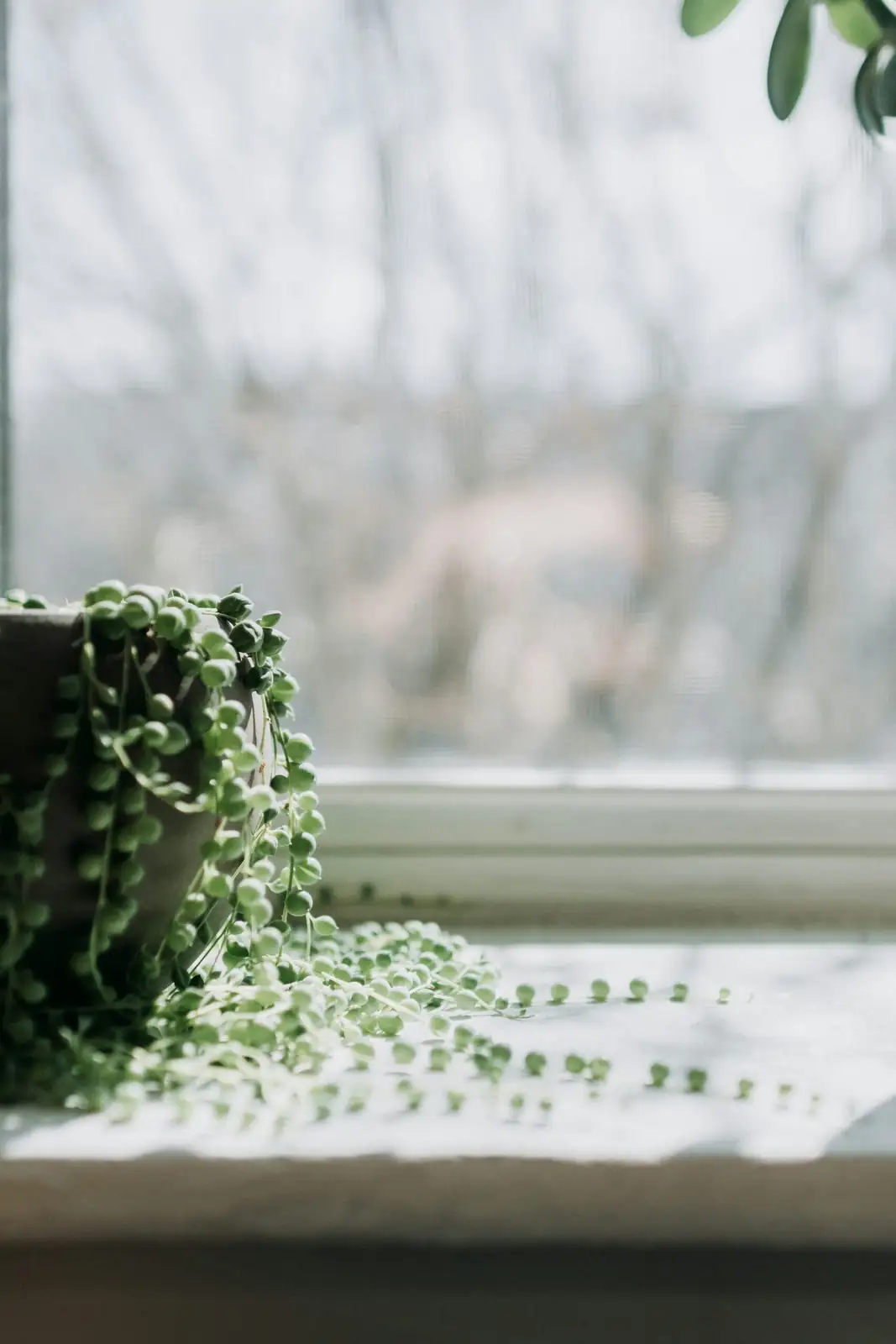
If your String of Pearls has morphed from a lush green necklace into a skimpy strand with awkward gaps, don’t panic. Curio rowleyanus (syn. Senecio rowleyanus) is wonderfully forgiving once you lean into a gentle makeover: brighter (but soft) sun, a tidy prune, replanting fresh cuttings right back into the crown, and a right‑sized, fast‑draining pot. Here’s your step‑by‑step plan to turn sparse strings into a full, beaded curtain.
Meet the plant you’re styling
- Botanical name: Curio rowleyanus (syn. Senecio rowleyanus), family Asteraceae
- Common names: String of Pearls, String of Beads, Bead Plant, Pearl Plant, Rosary Vine, String of Peas
- Origin: Southwestern Africa—especially drier regions of South Africa (Eastern Cape) and southern Namibia
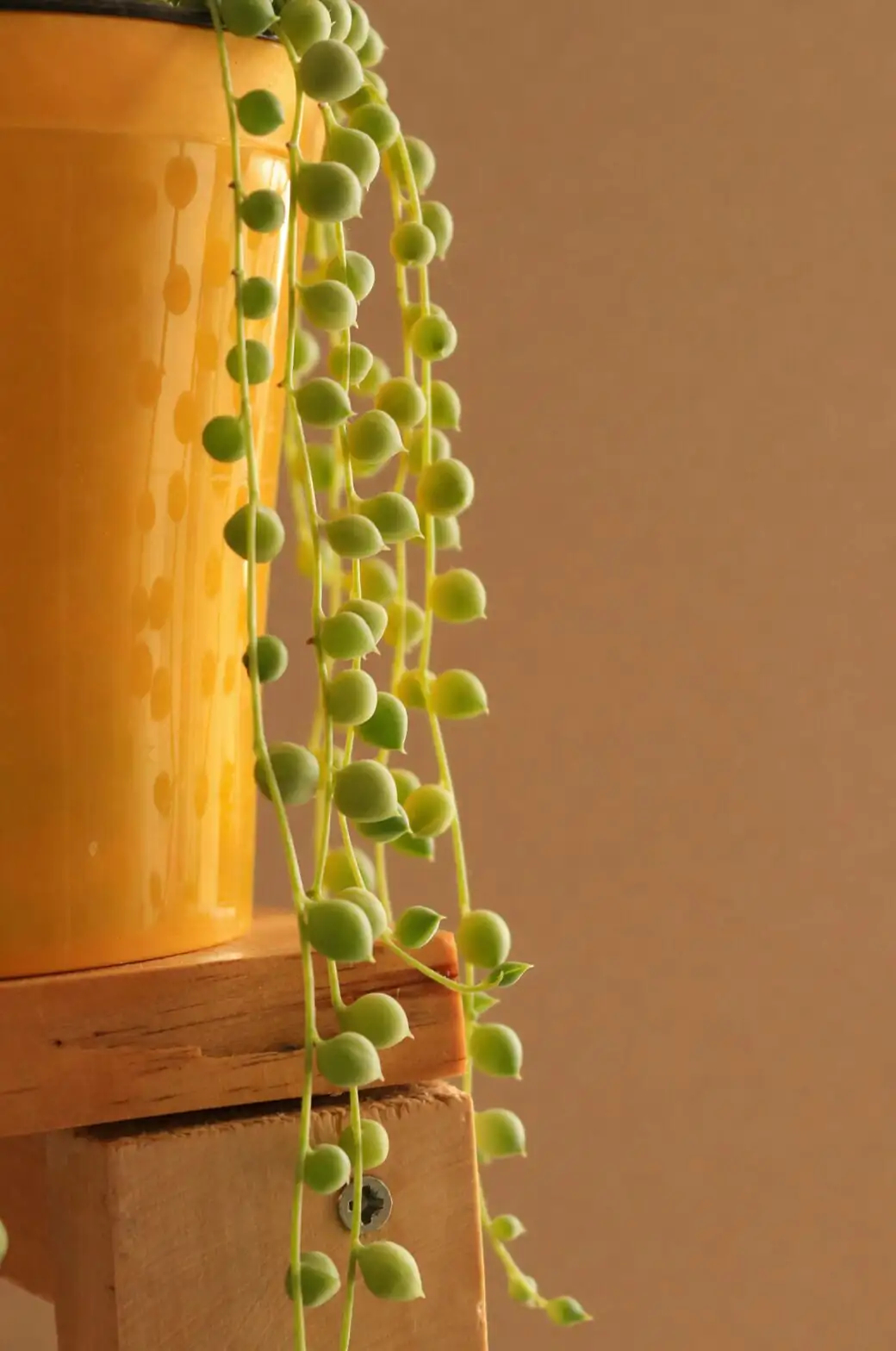
- Look and habit: Slender, trailing stems lined with pea‑like, water‑storing leaves (often with a faint “window” stripe). The crown stays low (about 2 in/5 cm), while stems in containers commonly trail 2–3 ft (60–90 cm).
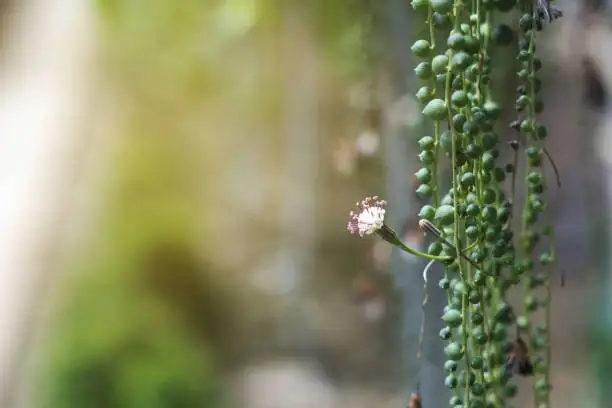
- Bonus: In cool, bright seasons it may produce small white to creamy blooms with a sweet, spicy cinnamon‑vanilla scent.
Why gaps appear between the “beads”
- Not enough light: The number one cause of stretched, leggy spaces.
- Overly large pot/heavy soil: Stays wet too long, weakens roots and growth.
- Age and unpruned trails: Long strands go bare near the pot with no encouragement to branch.
- Overfeeding/soft growth: Too much fertilizer pushes thin, spaced‑out pearls.
The Pearl Rescue Makeover (fast track to fullness)
Step 1: Turn up the light—gently
- Aim for bright, indirect light plus a touch of soft direct sun (morning or late afternoon). East or bright west windows are gold; a south window works set back or lightly filtered.
- Avoid harsh midday scorch, especially behind glass.
- Sign it’s working: new growth emerges tighter, with smaller gaps between pearls.
Pro tip: If your room’s light is limited, supplement with a grow light set 10–14 inches above the plant to brighten the crown. Strong light at the top prevents that “balding pot” look.
Step 2: Prune with purpose
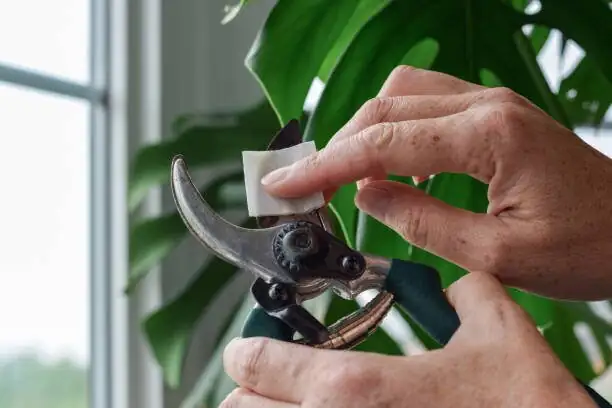
- In spring or early summer, trim back long, bare, or stretched trails. Snip just above a node to encourage branching.
- Remove any shriveled, dead, or mushy sections immediately.
- Keep what you cut—those strands are your free filler plants.
Step 3: Replant cuttings right back into the crown
- Take 3–4 inch (8–10 cm) cuttings. Strip a few pearls off the cut end to expose nodes.
- Let cut ends callus for a day or two.
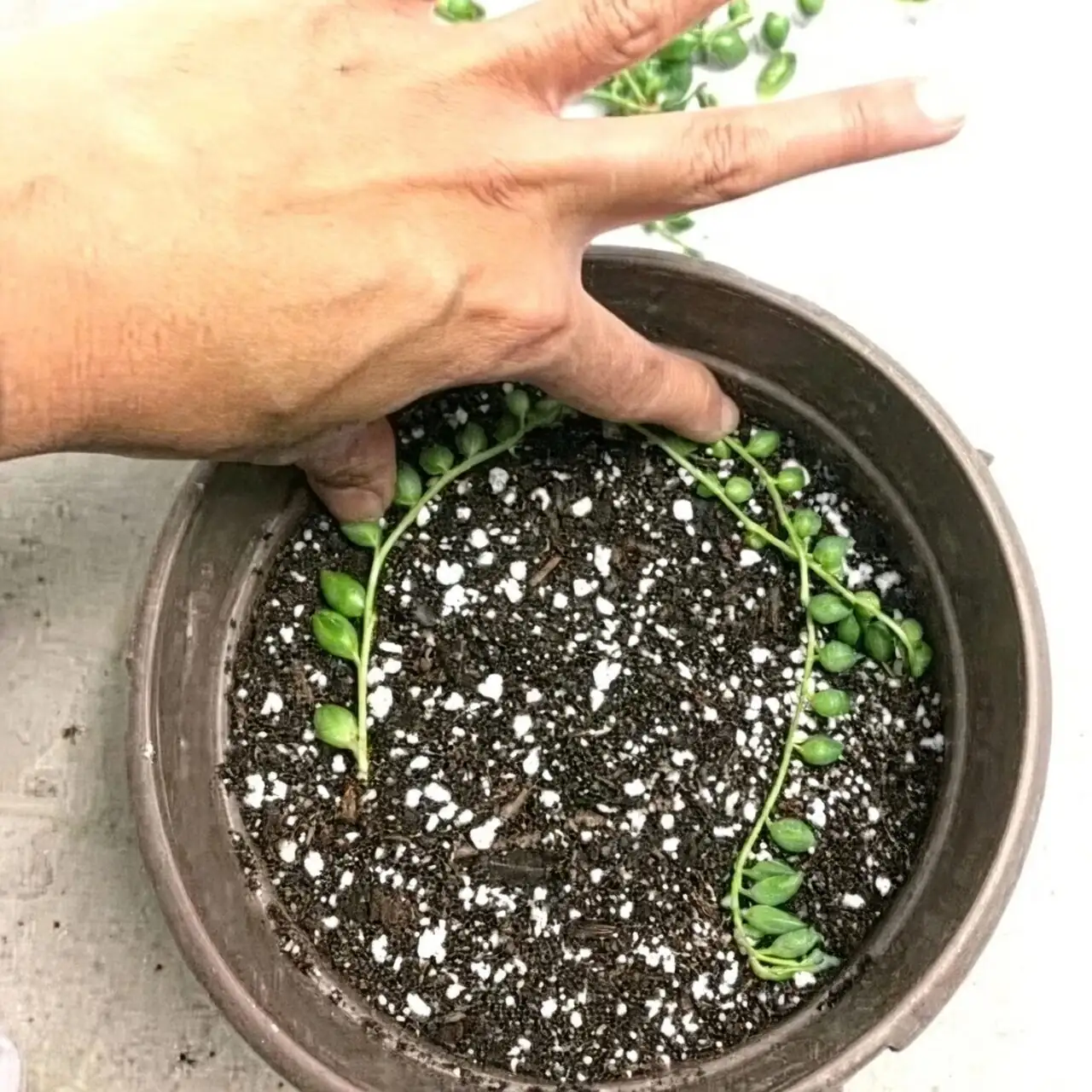
- Lay the cuttings on top of fresh, gritty succulent mix, or tuck the bare nodes just under the surface. Pin gently with a hairpin or plant clip so nodes stay in contact.
- Keep bright and just barely moist until rooted (typically 2–3 weeks). These new rooted sections fill in the pot’s top for instant fullness.
Near‑foolproof option: Layer a still‑attached strand onto the mix at the crown and pin it down; once it roots, you can snip the umbilical cord.
Step 4: Right‑size the pot and refresh the soil
- Pot size: Use a shallow container with drainage. For a modest plant, a 4–6 in (10–15 cm) pot is ideal. Upsize only slightly when repotting.
- Mix: Very free‑draining is the rule. Try a 1:1 blend of regular potting mix with mineral grit (perlite, pumice, or coarse sand). Some growers favor about 3:1 potting mix to coarse sand—either way, it should drain fast and feel gritty.
- Why it matters: Oversized pots and heavy mixes stay wet, causing root/crown rot and floppy, spaced growth.
Step 5: Water and feed for compact, confident growth
- Water like a succulent: Soak thoroughly, then let the mix dry well before repeating. Indoors in active growth, that’s often every 2–3 weeks—always check dryness, not the calendar.
- Winter: Water sparingly, just enough to prevent deep shriveling.
- Read the pearls: Slightly deflated = time for a drink. Mushy, translucent, or dropping = too wet.
- Fertilizer: Half‑strength balanced liquid about monthly in spring through early autumn. Ease off in fall; stop in winter. Overfeeding stretches the strands.
Light and placement at a glance
- Best: Bright, indirect with gentle direct sun. East and bright west windows shine.
- Avoid: Harsh noon sun that can scorch; dim corners that cause leggy gaps.
- Temperature: Comfortable at 60–80°F (15–27°C); tolerates dips to ~50°F (10°C). In heat over ~86°F (30°C), offer light shade and airflow.
- Humidity: Low to average is perfect; skip misting and keep air moving.
Propagation playbook (for instant volume)
- Take 3–4 in (8–10 cm) cuttings from healthy tips.
- Remove a few pearls to expose nodes.
- Callus 1–2 days.
- Planting methods:
- Lay‑on‑top: Coil the cutting on gritty mix and pin nodes to touch the soil surface.
- Tuck‑the‑nodes: Insert the bare nodes just under the surface; keep the leafy portion above.
- Layering in place: Pin a living strand to root while attached, then trim.
- Aftercare: Bright, indirect light; light moisture after a few days; keep just barely damp until rooted (2–3 weeks). Then switch to soak‑and‑dry.
Note: Some people root cuttings in water, but soil or layering tends to transition faster and with fewer setbacks for this succulent.
Seasonal rhythm and blooms
- Spring: Repot if needed, prune for shape, restart light feeding, and propagate.
- Summer: Maintain bright light with protection from harsh midday sun; water only after the mix dries.
- Fall: Gradually reduce water; taper fertilizer.
- Winter: Keep bright and on the dry side. A cool, bright rest around 50–60°F (10–16°C) can encourage blooms. Typical indoor flowering runs late fall to early spring (often winter), though some plants bloom in spring depending on conditions.
Troubleshooting quick guide
- Pearls shriveling:
- Usually too dry—soak thoroughly and let drain; pearls plump within a day or two.
- If soil is wet yet pearls shrivel, check roots for rot.
- Stems mushy, pearls dropping: Overwatering/heavy mix. Move to brighter light, dry out, and repot into gritty mix; save healthy strands as cuttings.
- Big gaps between pearls: Not enough light or too much fertilizer. Increase gentle sun, prune, and replant cuttings at the crown.
- Top looks sparse: Brighten the crown (raise light or move closer), and pin/plant fresh cuttings on the surface.
Pests, health, and hygiene
- Usual suspects: Mealybugs, aphids, spider mites—especially indoors.
- Care tactics: Improve airflow, isolate affected plants, and treat with insecticidal soap or neem/horticultural oil. Keep the plant on the dry side and avoid stagnant, humid air to reduce fungal issues.
Safety note
- Toxic if ingested and sap may irritate skin. Keep away from pets and children; wash hands after pruning if you’re sensitive.
Styling tips that help the plant, too
- Hang high or perch on a bright shelf so the strands can cascade without tangles.
- Use a wide, shallow pot to spotlight the crown—this also speeds drainage.
- Circle‑plant a few rooted cuttings right at the rim for a halo of new growth that will trail evenly.
Symbolism and “flower language”
String of Pearls is often linked with enduring bonds and continuous good fortune—the living necklace that keeps lengthening. This “flower language” is modern, born from the plant’s visual metaphor rather than old folklore. Those connected beads evoke relationships that grow over time; when you prune and replant cuttings back into the crown, you’re literally reinforcing the chain—connection made visible.
Snapshot care card
- Light: Bright, indirect + gentle morning/late‑day sun
- Water: Soak, then let dry well; sparse in winter
- Soil: Very fast‑draining succulent mix; shallow pot with drainage
- Feeding: Half‑strength monthly in growing season
- Prune: Spring; replant cuttings into the crown
- Temps: 60–80°F (15–27°C); protect from frost
- Notes: Don’t mist; improve airflow; avoid oversized pots
Give your pearls a little sun‑kissed light, a neat haircut, and a gritty, well‑fitted home. With those small shifts, the empty spaces close, the strands thicken, and your green necklace gleams again.