

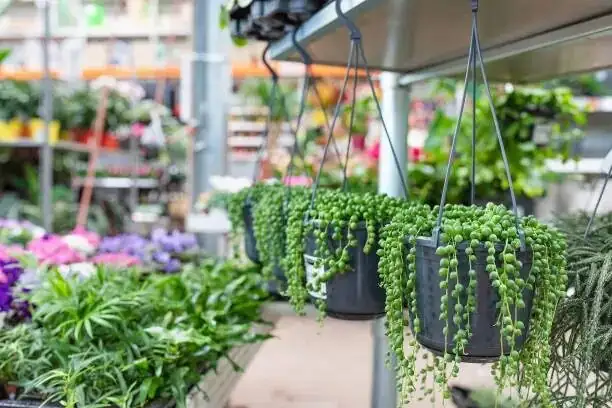
When your String of Pearls suddenly turns squishy, drops beads, or shows cottony pests, it can feel like a code blue. Take a breath—Curio rowleyanus (syn. Senecio rowleyanus) is resilient if you act quickly and methodically. This is your emergency room playbook: diagnose the problem fast, quarantine pests, improve airflow, reset in a gritty mix, and treat safely with insecticidal soap or neem without harming the plant.
Rapid triage: what your pearls are telling you
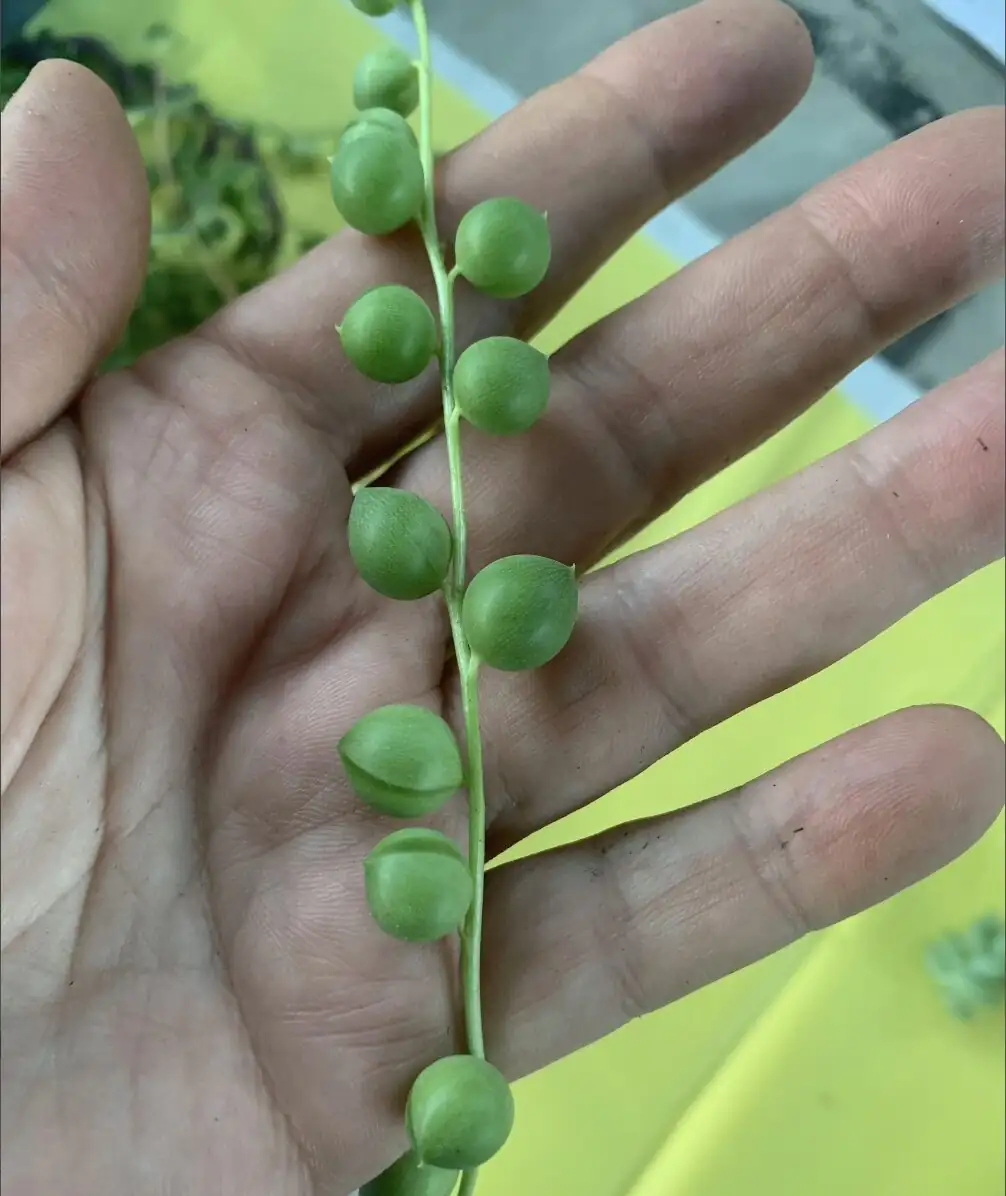
- Mushy, translucent pearls or squishy stems (especially near the crown): classic overwatering and/or a heavy, slow mix. You may be dealing with root/crown rot.
- Pearls wrinkled and lightweight: mostly thirst. Water thoroughly—unless the potting mix is staying wet, in which case root damage is blocking uptake.
- Big gaps between beads, stringy trails: not enough light. Move to bright, indirect light with a little gentle morning/late-afternoon sun.
- White fluff in leaf crevices or sticky honeydew: mealybugs or aphids. Fine webbing and speckled leaves: spider mites. Isolate now.
First response: isolate, clean, and move air
- Quarantine: move the plant away from your collection.
- Dry clean first: dab visible mealybugs with cotton swabs moistened with 70% isopropyl alcohol; wipe off honeydew and webbing.
- Airflow now: place a small fan on low 20–40 cm (8–16 in) away for a gentle breeze. Good airflow + low to average humidity helps prevent fungal issues. Skip misting.
Root and crown rescue: the fast-draining reset
If stems are mushy, pearls are dropping, or the mix stays damp for days, reset the plant.
1) Unpot and inspect
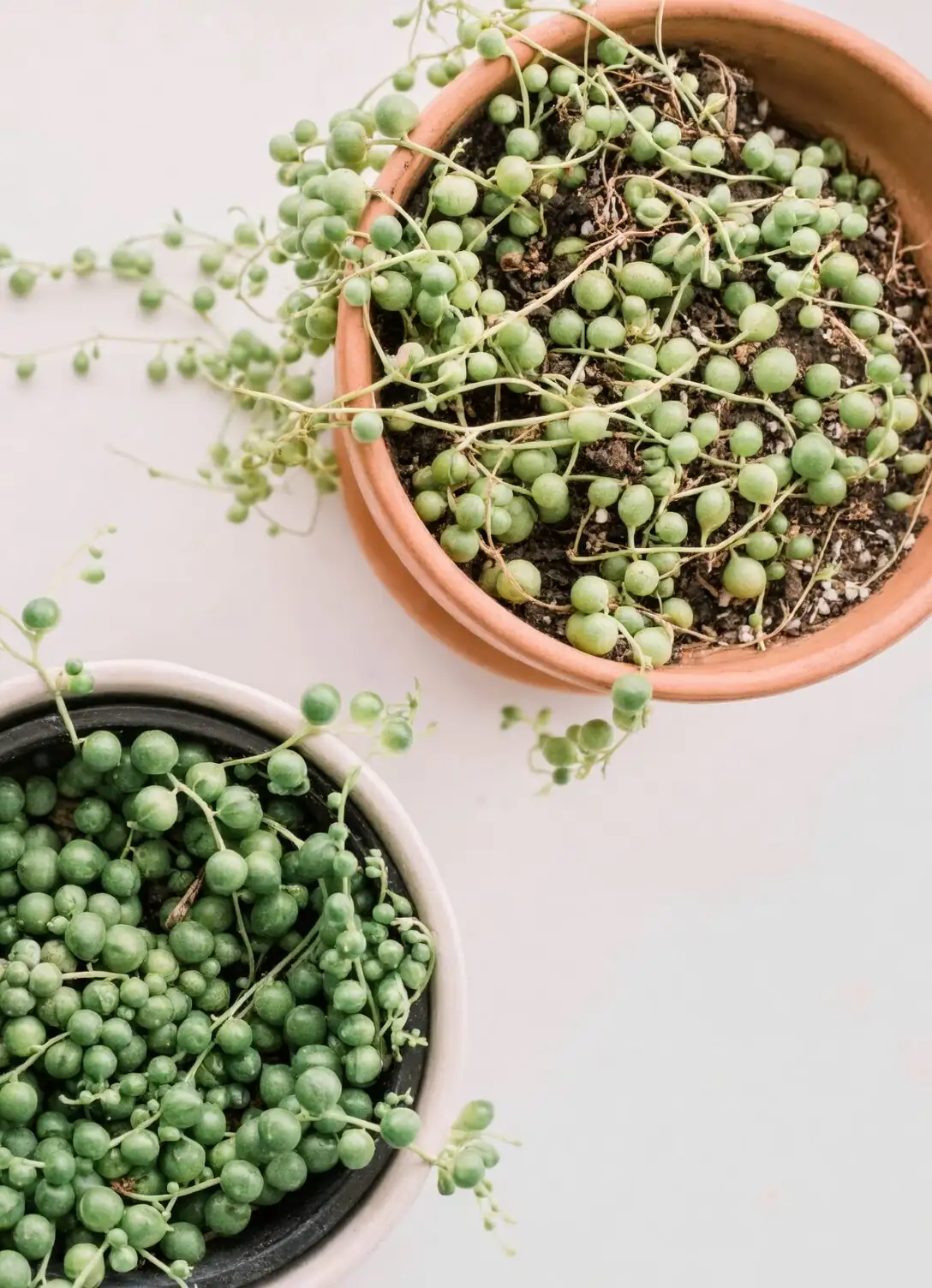
- Slide off the root ball. Healthy roots are pale/tan and firm; rotten roots are brown/black, mushy, and may smell sour.
- Using sterilized scissors, remove all rot back to firm tissue. If the crown is compromised, keep the healthiest strands for cuttings (see “Restart from cuttings,” below).
2) Let wounds dry
- Allow trimmed sections to air-dry and callus for 12–24 hours in bright, indirect light.
3) Mix that drains fast
- Use a cactus/succulent blend or make your own:
- Option A (reliable): 1:1 all-purpose potting mix : mineral grit (pumice or perlite; add some coarse sand if you have it).
- Option B (leaner feel): roughly 3:1 potting mix : coarse sand.
- Choose a shallow pot with drainage holes; this plant is shallow-rooted.
4) Replant high and dry
- Set the crown slightly elevated; avoid burying stem nodes too deep. You can top-dress with pumice or coarse gravel to keep the crown dry and discourage gnats.
5) Watering after the reset
- Wait 2–3 days before the first light drink to allow cuts to seal.
- Then water like a succulent: soak thoroughly, let excess drain, and do not water again until the mix has dried well. Indoors, that’s often every 2–3 weeks in spring/summer; far less in fall/winter. Always go by dryness, not the calendar.
Pro tip: Keep temperatures around 15–27°C (60–80°F) and provide bright, indirect light with a touch of gentle direct sun. Avoid harsh midday rays that can scorch pearls.
Watering rules that prevent squishy stems
- Use the dry-down test: insert a wooden skewer deep into the mix; water only when it comes out clean and dry. Or lift the pot—water only when it feels feather-light.
- Read the pearls: slightly deflated beads are your cue to water; mushy beads mean you watered too soon.
- In winter, keep much drier—just enough to prevent severe shriveling.
Pest clinic: ID and quick actions
- Mealybugs: cottony tufts in crevices; honeydew can lead to sooty mold.
- Aphids: clusters on tender tips/flower stalks; also produce honeydew.
- Spider mites: fine webbing and tiny stippling on pearls; often flare in warm, dry, stagnant air.
Start with isolation, manual removal, and improved airflow. Then treat with insecticidal soap or neem/horticultural oil using the directions below.
Insecticidal soap—exactly how to use it safely
What it is and how it works:
- Potassium salts of fatty acids that disrupt soft-bodied pests (mealybugs, aphids, spider mites). It’s a contact killer—no residual effect after it dries.
Step-by-step directions:
1) Patch test
- Succulents can be sensitive. Spray a small section first. Wait 48–72 hours to check for spotting or scorch.
2) Mix to a safe strength
- Use a commercial, plant-labeled insecticidal soap.
- Typical safe range: 1–2% solution.
- 1% = 10 mL per liter (≈2 tsp per quart)
- 2% = 20 mL per liter (≈4 tsp per quart)
- Avoid concentrations above 3%, which raise the risk of leaf injury.
- Do not use dish soaps or detergents—these can be phytotoxic.
3) Timing and conditions
- Spray in the coolest part of the day (dawn or dusk). Keep off hot leaves and avoid direct sun for 24 hours after treatment.
- Ideal temps for treatment: roughly 15–27°C (60–80°F).
4) Application technique
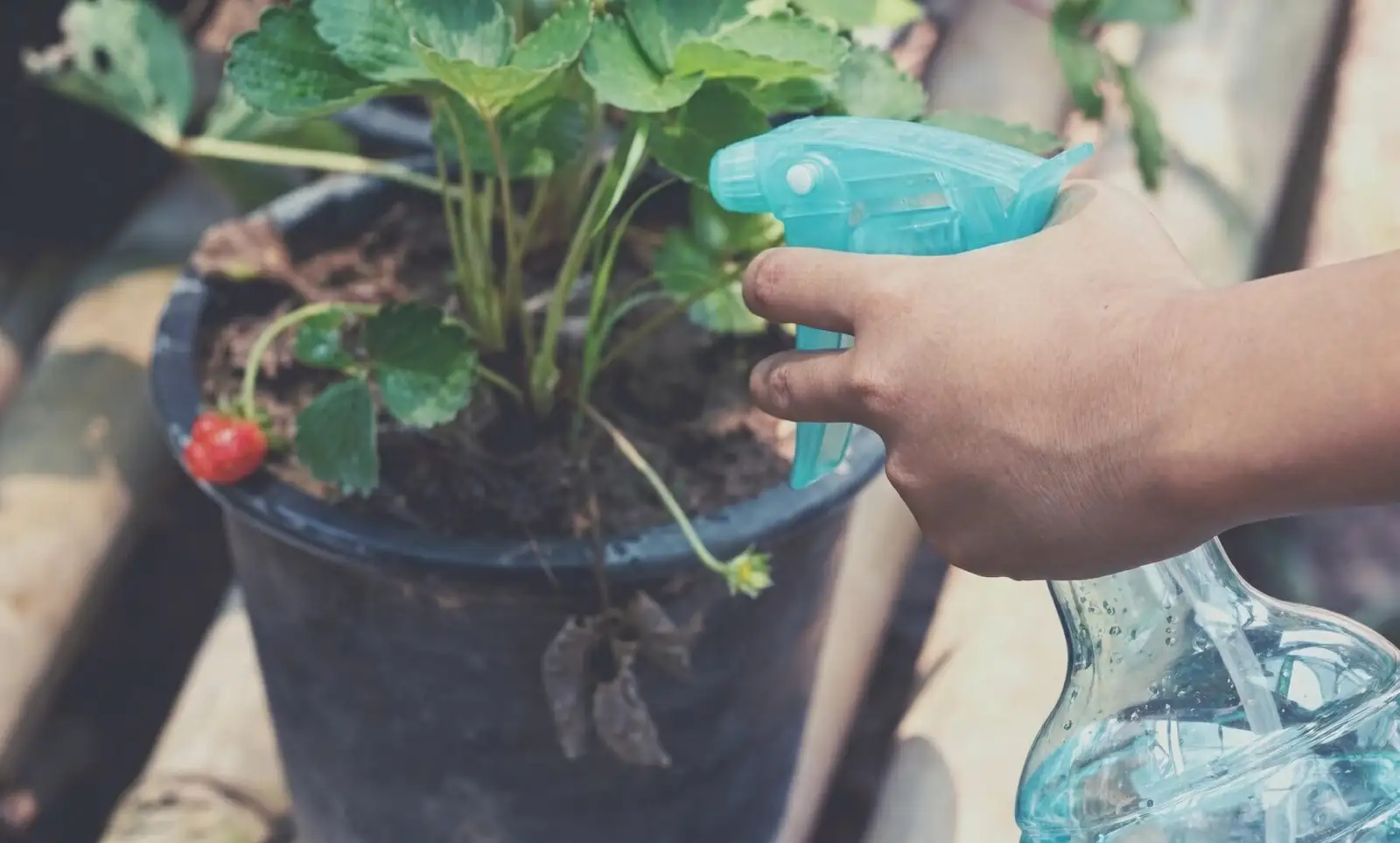
- Shake well and spray to wet pests thoroughly, including leaf crevices and stem joints—but avoid excessive runoff on pearls.
- Let sit 15–30 minutes, then gently rinse with room-temperature water. Rinsing reduces the chance of cosmetic spotting on waxy succulent leaves.
5) Repeat
- Re-treat every 4–7 days for 2–3 cycles to catch hatching pests. Maintain airflow and keep the plant on the dry side between treatments.
Safety notes:
- Some ornamentals are sensitive to soaps. Always read the label. If you see yellowing, brown edges, or scorch, stop and switch tactics.
- Soap is low-toxicity but still keep sprays off faces and pets; ventilate the room.
Neem or horticultural oil—exactly how to use it safely
What it is and how it works:
- Lightweight oils (including neem) smother soft-bodied pests and can deter feeding. Like soap, oils work best on contact and need thorough coverage.
Step-by-step directions:
1) Patch test
- Test-spray a small area; wait 48–72 hours. Succulents with waxy coatings may be sensitive.
2) Mix correctly
- Use a plant-labeled neem oil or horticultural oil product.
- Typical dilution: 0.5–1% v/v
- 5–10 mL per liter, or 1–2 tablespoons per gallon (≈15–30 mL per 3.8 L), depending on your product’s label.
- Do not add household detergents. Use only the emulsifier included with the product (if any).
3) Timing and conditions
- Treat at dawn or dusk, out of direct sun, in a well-ventilated spot.
- Avoid application during heat spikes (>30°C / 86°F) or when the plant is cold-stressed.
4) Application technique
- Light, even coverage to wet pests and leaf surfaces. Aim for film, not drip.
- After 2–3 hours, you can gently wipe off excess residues from pearls to preserve their natural “bloom” and reduce suffocation risk in tight clusters.
5) Repeat
- Reapply every 7–10 days for 2–3 rounds. For heavy mealybug infestations, alternate with insecticidal soap—but space different product types at least 3–4 days apart to minimize phytotoxicity.
Important cautions:
- Don’t combine soap and oil in the same spray or on the same day.
- Ensure strong airflow while oils cure; keep the plant slightly drier to discourage fungal issues.
- Once dry, these low-impact sprays have little to no residual effect and are generally safer for beneficials.
Aftercare post-treatment
- Light: Keep in bright, indirect light for 24 hours after spraying; avoid harsh sun to prevent leaf scorch.
- Water: Skip watering on treatment day. Resume soak-and-dry only when the mix is clearly dry.
- Airflow: Keep that gentle fan running daily; space plants so trails aren’t smothered.
Keep it that way: set-and-forget habits
- Light sweet spot: bright, indirect light with a bit of soft morning/late-afternoon sun. Too little light = gaps between beads.
- Potting and substrate: shallow pot with drainage; a gritty succulent mix (1:1 potting mix to pumice/perlite works beautifully).
- Watering rhythm: soak thoroughly, then let the mix dry well. In winter, barely water.
- No misting: stagnant humidity invites fungal problems. Ventilation beats humidity every time.
- Hygiene: periodically prune dead bits; wipe away dust and honeydew; top-dress with mineral grit to keep the crown dry.
When to restart from cuttings (the no-fear option)
If rot is extensive or you want a faster recovery, propagate:
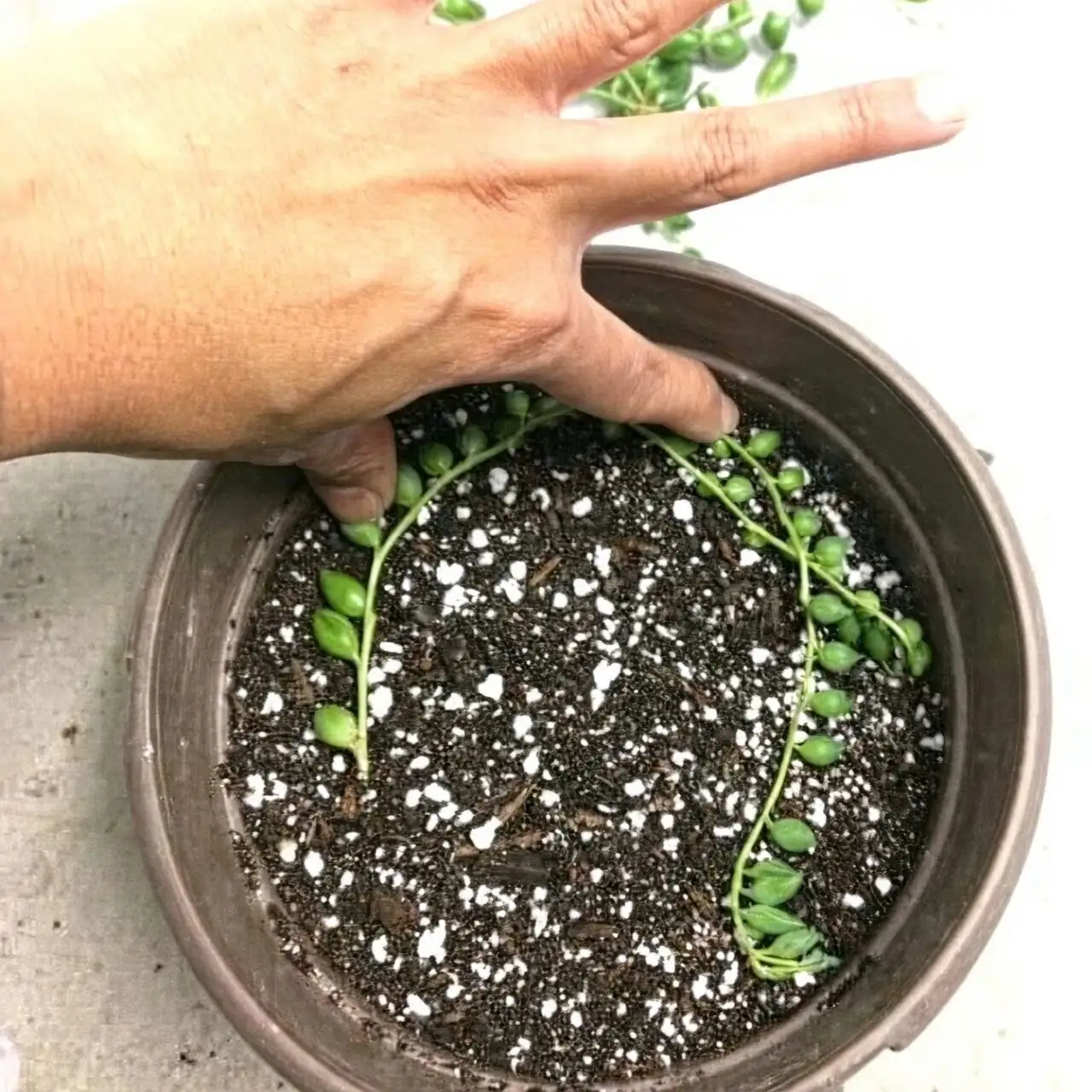
- Take 8–10 cm (3–4 in) cuttings; remove a few pearls near the cut end.
- Let cut ends callus for 1–2 days.
- Lay the bare nodes on gritty mix (tuck slightly in or pin them down). Keep bright, indirect light.
- Lightly moisten after a few days; then keep just barely damp until rooted (often 2–3 weeks).
- Replant new strands into the mother pot to fill the top for a fuller look.
Quick answers to common crises
- Why are my pearls shriveling?
- Usually thirst. Water thoroughly and drain well. If the mix is wet yet pearls still shrivel, check for root rot.
- Why are stems turning mushy or pearls falling off?
- Overwatering and/or a dense mix. Give brighter light, let it dry out, and reset into a gritty blend. Save healthy strands as cuttings.
- How do I make it fuller?
- More light (without scorch), prune leggy trails, and replant cuttings into the pot’s surface to root and branch.
Safety note
String of Pearls is toxic if ingested and sap may irritate skin. Keep away from pets and children; wash hands after pruning or repotting.
A tiny note on symbolism (花语)
While it isn’t rooted in classical flower-language traditions, String of Pearls has picked up a modern meaning: enduring bonds and “strings” of connection that keep growing. It’s a living reminder that small, steady links—like each bead along the vine—can add up to something beautifully continuous.
You’ve got this. With brighter light, a lean, fast-draining substrate, hands-off watering, and precise, gentle pest control, Curio rowleyanus bounces back—and often comes back fuller than before.