

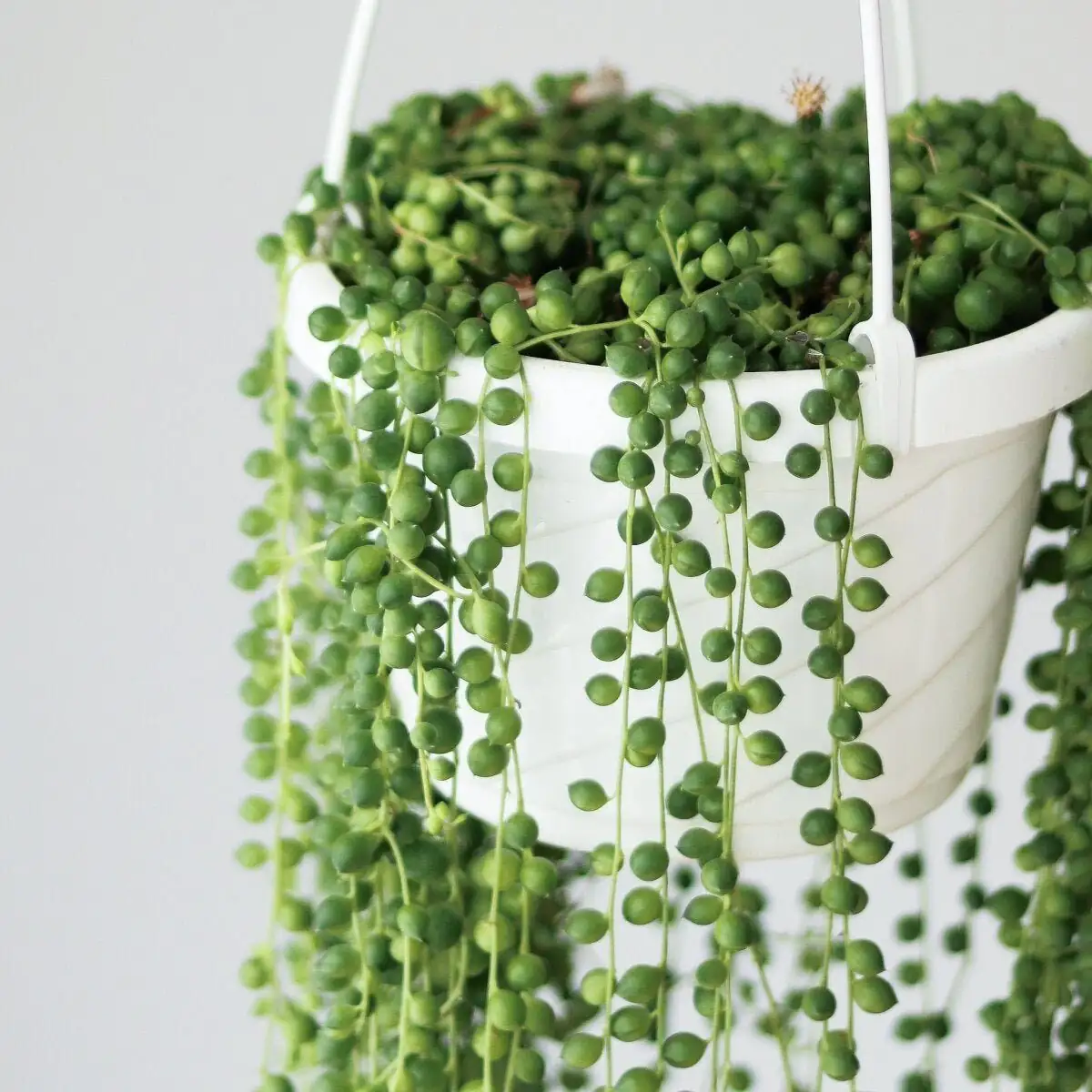
Meet String of Pearls—those glossy green beads that spill like a living necklace. Curio rowleyanus (syn. Senecio rowleyanus) is a trailing succulent from the dry regions of South Africa and southern Namibia, evolved to store water in perfectly round “pearls.” Nail the few key habits below and you’ll keep those strands dense, plump, and drama-free.
H2: Pearl-perfect care, step by step
H3: 1) Read the pearls: water on the plant’s schedule, not the calendar
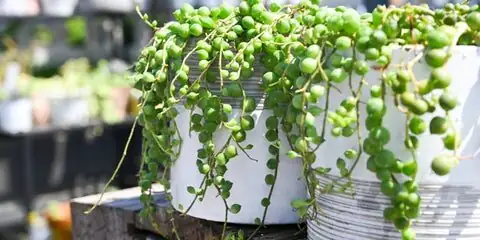
- The cue: slightly deflated, dull-looking pearls. That’s your green light to water.
- How to water:
- In spring/summer: soak thoroughly, then let the mix dry well before watering again. Indoors, this is often every 2–3 weeks, but always confirm the mix is dry through the root zone.
- In fall/winter: dial way back. Water just enough to prevent significant shriveling. Cold + wet is the fast track to rot.
- Red flags:
- Mushy, translucent pearls or collapsing stems = overwatering/poor drainage.
- Wrinkled but firm pearls that perk up within a day after watering = mild thirst (you timed it right).
H3: 2) Give bright light with a kiss of gentle sun
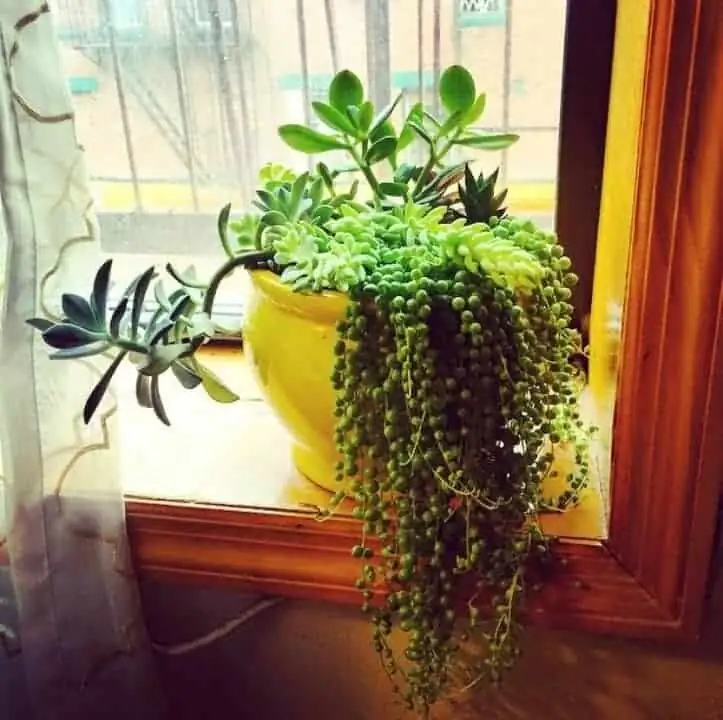
- Best light: bright, indirect light with some soft direct rays (morning or late afternoon).
- Windows that work: east- or west-facing are typically perfect. A south window is fine if filtered or set a step back from the glass.
- Avoid: harsh midday sun behind glass (can scorch), and low light (stretched, sparse strings with big gaps between beads).
H3: 3) Use gritty soil and a shallow pot
- Soil recipe: a very fast-draining cactus/succulent mix. A reliable DIY: 1:1 quality potting mix to mineral grit (perlite/pumice/coarse sand). Some growers succeed with roughly 3:1 potting mix to coarse sand—either way, fast drainage is the goal.
- Pot choice: always use drainage holes. Shallow pots suit its shallow, mat-forming roots and help the mix dry evenly.
- Pro tip: top-dress with coarse grit to keep nodes off wet soil and reduce crown rot.
H3: 4) Match the climate it loves
- Temperature: happiest at 15–27°C (60–80°F). Brief dips to ~10°C (50°F) are tolerated, but protect from frost.
- Humidity: low to average is best. Good airflow helps. Skip misting.
- Outdoor note: hardy in USDA Zones 9–11 (sometimes listed as 9–12). Not frost-tolerant—bring it in before cold snaps.
H3: 5) Feed lightly, stop in winter
- During spring to early autumn: a balanced liquid fertilizer at half strength about monthly (every 4–6 weeks).
- Autumn to winter: pause feeding. Overdoing it pushes weak, leggy growth.
H3: 6) Prune for fullness, then plant your trimmings right back
- Trim long, bare sections—especially in spring—to encourage branching.
- Replant tip cuttings into the top of the pot to fill the crown for a lush “green curtain.”
- Remove any shriveled or rotting bits promptly.
H3: 7) Propagate the easy way (and keep the look fresh for years)
- Stem cuttings:
- Take 8–10 cm (3–4 in) cuttings.
- Remove a few pearls at the cut end, allow 1–2 days to callus.
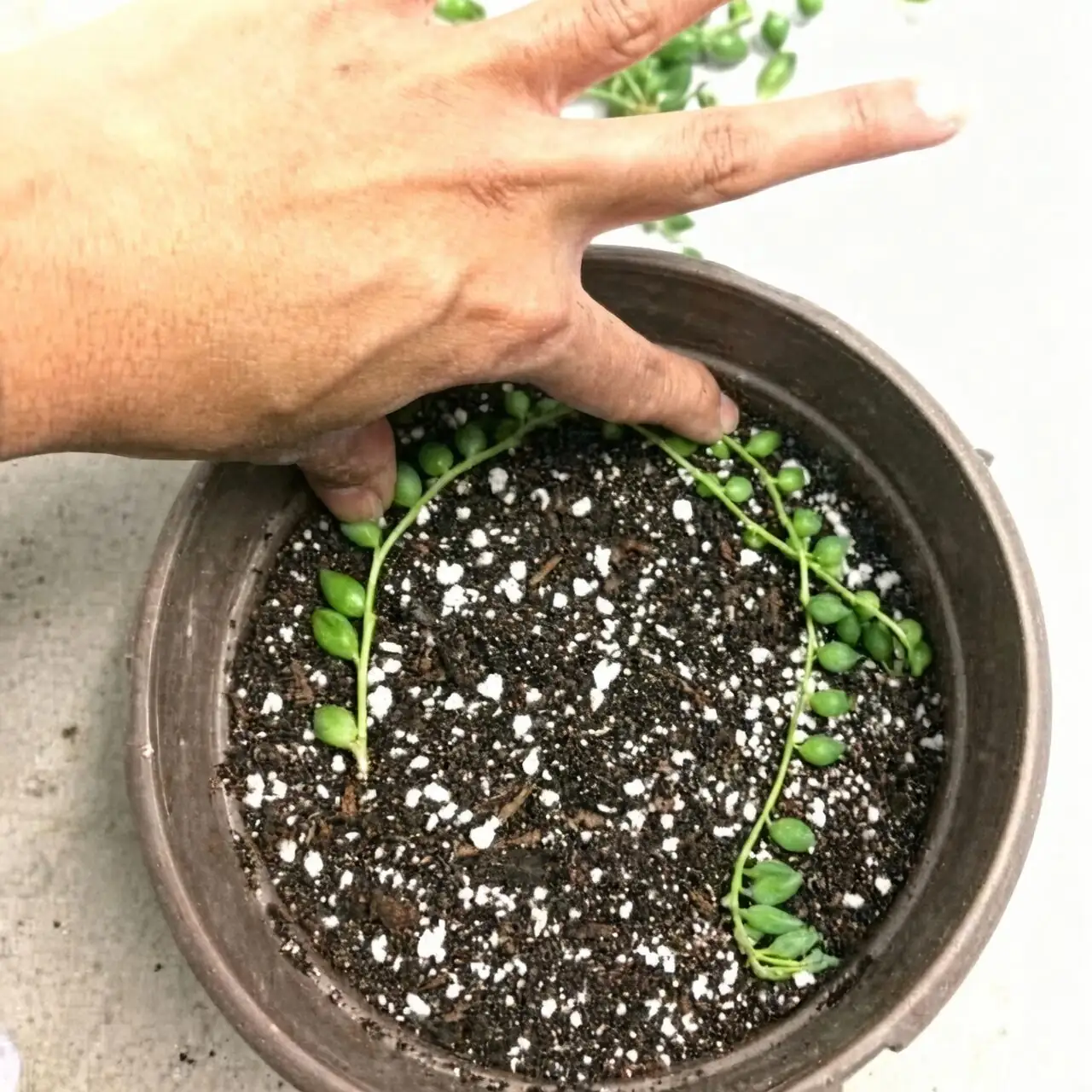
- Lay the bare nodes on, or lightly tuck them into, gritty mix.
- Keep in bright, indirect light. Lightly moisten after a few days, then keep just barely damp until roots form (often 2–3 weeks).
- Layering: pin a living strand onto the soil surface so it roots while still attached. Near-foolproof.
H3: 8) Repot sparingly and smartly
- When: every 2–3 years or when crowded, ideally in spring.
- How: only step up one size; many plants thrive long-term in 10–15 cm (4–6 in) pots. Refresh with fresh, fast-draining mix.
H2: How to avoid rot (the #1 pitfall)
- Keep the crown and top nodes dry—avoid water pooling where stems meet soil.
- Ensure the entire root ball dries between waterings, especially in cool seasons.
- Use a gritty mix and a shallow, well-ventilated pot.
- Provide bright light and airflow; stagnant, humid corners are trouble spots.
H2: Light, water, and winter—your quick seasonal map
- Spring: brighter days, resume light feeding, prune/propagate. Water after thorough drying.
- Summer: bright light with protection from harsh midday sun; heat above ~30°C (86°F) may slow growth—add airflow and light shade.
- Fall: gradually reduce watering; taper fertilizer.
- Winter: keep bright but drier and cooler (10–16°C / 50–60°F) if possible. This cool, bright rest can encourage winter-to-early-spring blooms.
H2: Meet the plant
- Names: Curio rowleyanus (syn. Senecio rowleyanus). Commonly called String of Pearls, String of Beads, String of Peas, Rosary Vine, Bead Plant.
- Family: Asteraceae (the daisy family).
- Origin: Southwestern Africa—especially drier parts of South Africa (notably the Eastern Cape) and southern Namibia. In the wild it often creeps under shrubs and among rocks, where light is bright but softened.
- Look and habit: a shallow-rooted, low crown (around 5 cm / 2 in tall) with trailing stems typically 60–90 cm (2–3 ft) indoors. Pearls are about 0.6 cm (¼ in) across and often show a translucent “epidermal window” that helps light reach inner tissues.
- Flowers: small, creamy-white, sweet-spicy (cinnamon/vanilla-like) blooms, roughly 2–2.5 cm (~1 in) across when open. Indoors, flowering commonly appears from late fall to early spring, sometimes drifting into spring depending on conditions.
H2: Troubleshooting at a glance
- Pearls shriveling:
- Likely thirsty. Water thoroughly and drain well; pearls usually plump up within a day or two.
- If soil is wet but pearls still shrivel, check for root rot.
- Stems mushy/pearls dropping: overwatering or a heavy mix. Move to brighter light, let it dry, and repot into a gritty medium. Save healthy strands via cuttings.
- Sparse, stringy growth: needs more light. Give bright, indirect light plus gentle direct sun; prune and replant cuttings into the crown.
- Pests: mealybugs, aphids, spider mites may appear indoors. Improve airflow, isolate affected plants, and treat with insecticidal soap or neem/horticultural oil. Let the mix dry well between waterings.
H2: Safety and placement
- Toxicity: toxic if ingested (pets and people). Sap may irritate sensitive skin. Keep out of reach; wash hands if prone to irritation.
- Where it shines: hanging baskets, high shelves, or bright sills. Keep away from cold drafts and blasting heat/AC vents.
H2: Flower language, symbolism, and a little lore
- Symbolism: often linked with enduring bonds, strings of connection, and prosperity that keeps “rolling in”—a living necklace that lengthens with care.
- Origins of the “flower language”: this isn’t a traditional, historical floriography entry; it’s a modern, horticultural interpretation born from the plant’s form—the endless string of beads suggests continuity and relationship.
- Deeper meaning: patience and restraint. The plant thrives when you hold back—watering only when the pearls ask, feeding lightly, and letting light do the heavy lifting. It’s a quiet lesson in minimalism.
H2: Care checklist (pin-worthy)
- Light: bright, indirect; gentle morning/late-afternoon sun welcome.
- Water: soak, then let dry well; in winter, water sparingly. Watch for slightly deflated pearls as your cue.
- Soil: very free-draining, gritty succulent mix.
- Pot: shallow, with drainage; avoid oversizing.
- Feeding: half-strength, monthly in the growing season; stop in winter.
- Temp/humidity: 15–27°C (60–80°F); down to ~10°C (50°F) tolerated. Low to average humidity; good airflow.
- Prune/prop: trim to fill the crown; propagate from 3–4 in cuttings or by layering.
- Safety: toxic if ingested; keep out of reach.
Treat your String of Pearls like a sun-kissed desert wanderer in a well-aerated, gravelly hideout. Read the beads, not the calendar—and you’ll have lush, cascading strands that look like you’ve been growing them for years.