

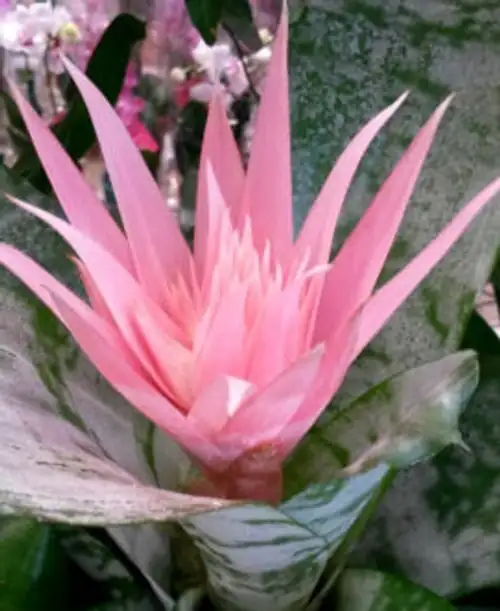
Imagine a silver-green fountain of leaves cupping a tiny pool of rain, then—when the season turns right—a bold, candy-pink spike dusted with purple florets stealing the stage for weeks. That’s Aechmea fendleri, the Dragonfly Bromeliad. If you’re hungry for that summer show, here’s how to nudge it from “handsome foliage” to “headliner,” using smart light thresholds, steady warm-season feeding, plant maturity cues, and a harmless fruit-gas trick—plus what to do once the curtain falls.
Meet the Dragonfly Bromeliad (Aechmea fendleri)
- Family: Bromeliaceae; an epiphytic Aechmea from northern South America (notably Venezuela and nearby regions)
- Size and habit: About 60 × 60 cm (24 × 24 in); a vase-shaped rosette with a central water “cup,” gradually forming clumps of offsets (pups)
- The show: A tall summer spike topped with pink bracts and small purple flowers; the bracts remain colorful longer than the fleeting blooms
- Personality: Easy-care when given bright, filtered light, an airy epiphyte mix, and clean cup-water management
Bloom Basics (So You Know What You’re Aiming For)
- One-and-done per rosette: Each rosette blooms once, then slowly declines over many months. Meanwhile, it produces pups that will carry the torch.
- Timing: Summer is the natural season for the flower spike and bracts.
- Longevity: The true flowers are short-lived. The pink bracts usually stay showy far longer—your extended “wow” factor.
Light Thresholds That Flip the Bloom Switch
Bright, filtered light is your single best bloom-booster. Think sunrise cheer, not high-noon interrogation.
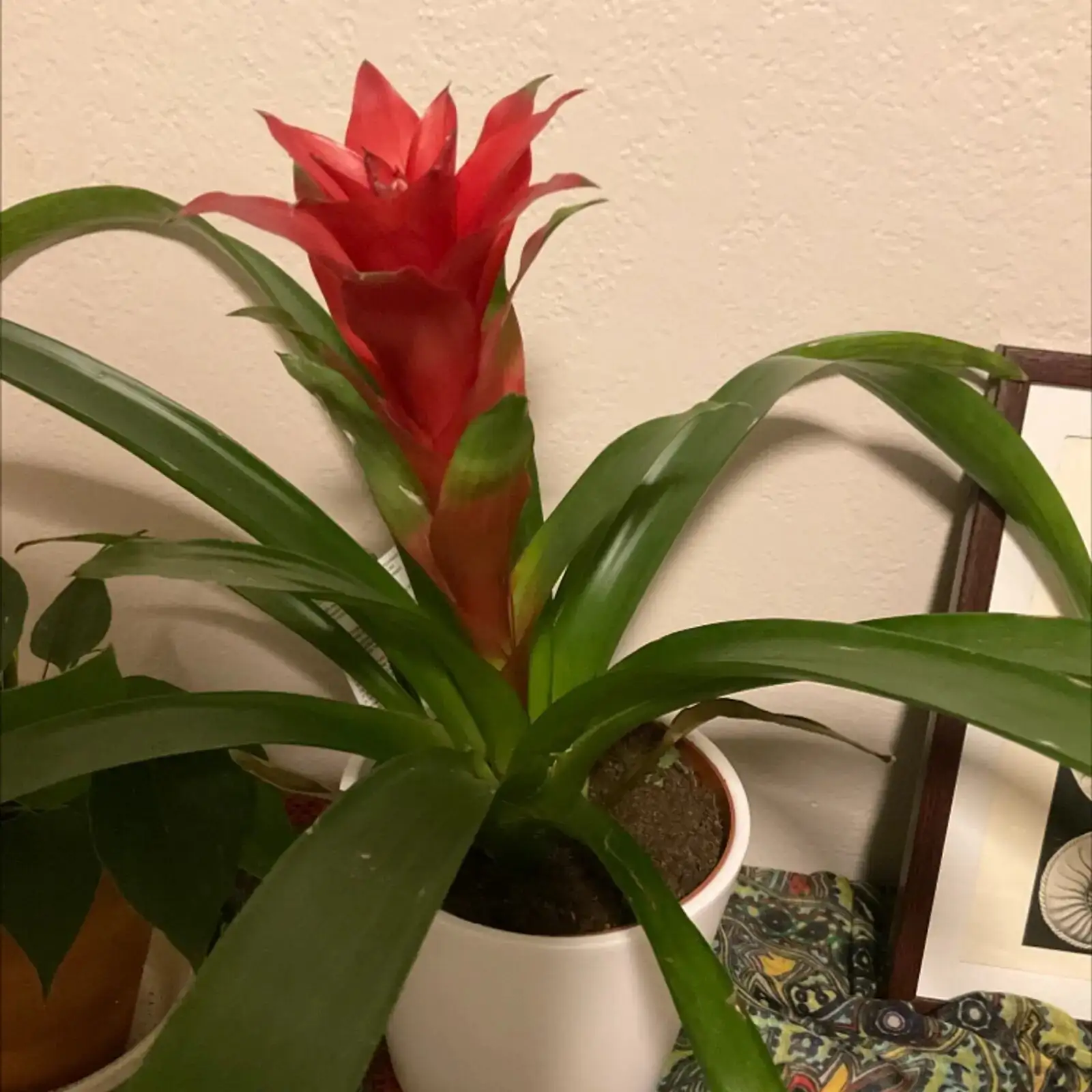
- Where to place it
- Indoors: Near an east window or a bright north window; or a few feet back from a south/west window behind a sheer curtain.
- Outdoors (frost-free): Dappled light/partial shade; avoid harsh midday sun.
- Practical targets
- Aim for sustained bright, indirect light—roughly the kind of spot where you can read fine print easily without artificial light.
- For the numbers-minded: around 5,000–10,000 lux (bright shade to soft, filtered sun). If leaves scorch or bleach, you’ve crossed the threshold.
- Read the leaves
- Too little light: Stretching, a lax rosette, and no sign of a summer spike.
- Too much sun: Scorched or crispy patches, especially from midday rays.
Tip: If light is your limiting factor, nudge the plant closer to the window over 1–2 weeks, or diffuse strong light with a sheer. Bright bathrooms and kitchens (with airflow) are great too.
Steady Spring–Summer Feeding (Without Overdoing It)
Aechmea fendleri likes a gentle, consistent diet during the grow-and-bloom window.
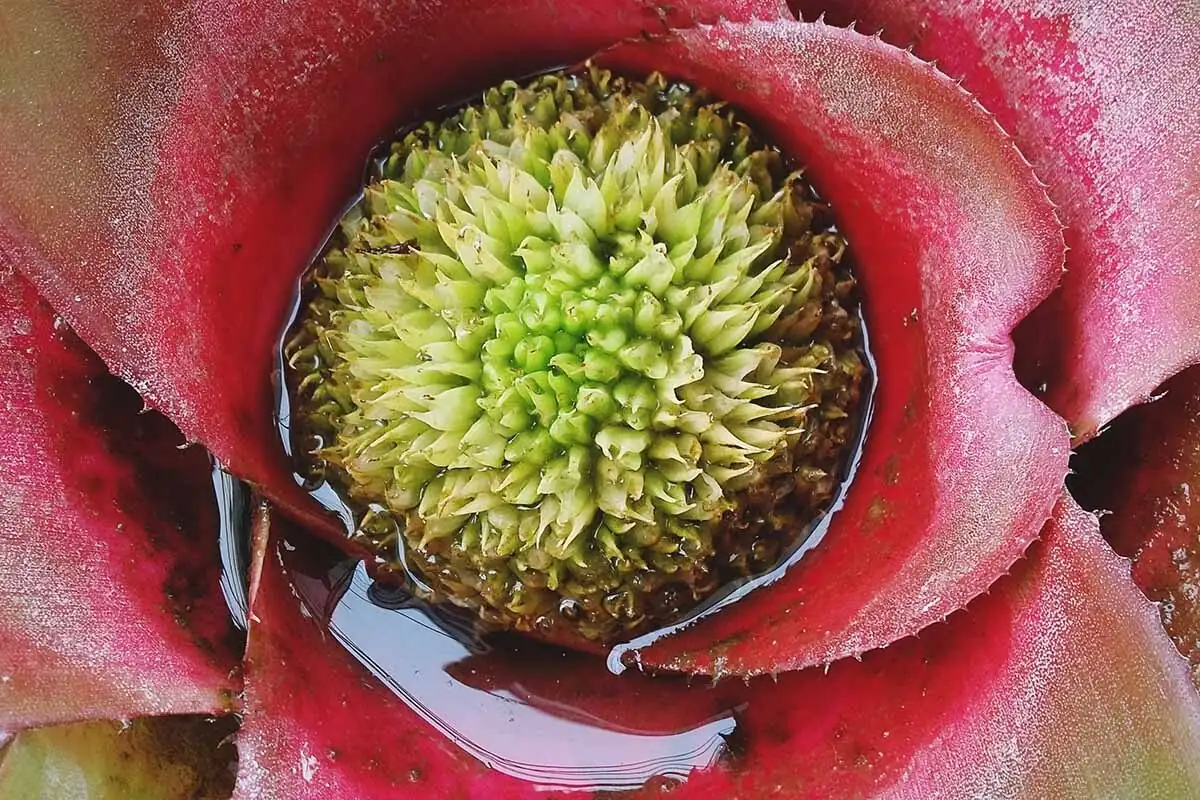
- From spring through late summer
- Feed every 2 weeks with a balanced liquid fertilizer at 1/2 strength.
- Application: Into the central rosette cup or as a foliar spray.
- Flush: Every so often, rinse the cup and mix with plain water to prevent salt buildup.
- Water quality matters
- Use rainwater or distilled water (tap can leave minerals). This keeps the “urn” clean and the leaf bases happy.
- In fall and winter
- Pause or greatly reduce feeding. Let the plant rest.
Maturity: Patience Is a Bloom Strategy
No amount of coaxing will trump age. The rosette needs to be mature to flower.
- Expectation setting
- New pups generally take time to reach bloom readiness—often up to a couple of years, depending on conditions.
- Pup management
- Let pups grow on the mother until they’re 1/3–1/2 her size and have roots.
- Then separate and pot into the same airy epiphyte mix. Or, leave them to form a showy clump.
Optional Ethylene-from-Fruit Trick (For Mature Plants Only)
If your plant is healthy, well-lit, well-fed, and mature but still coy, try a classic, low-tech nudge.
- What you’ll need
- A clear plastic bag big enough to cover plant and pot
- A ripe apple (or a few apple cores)
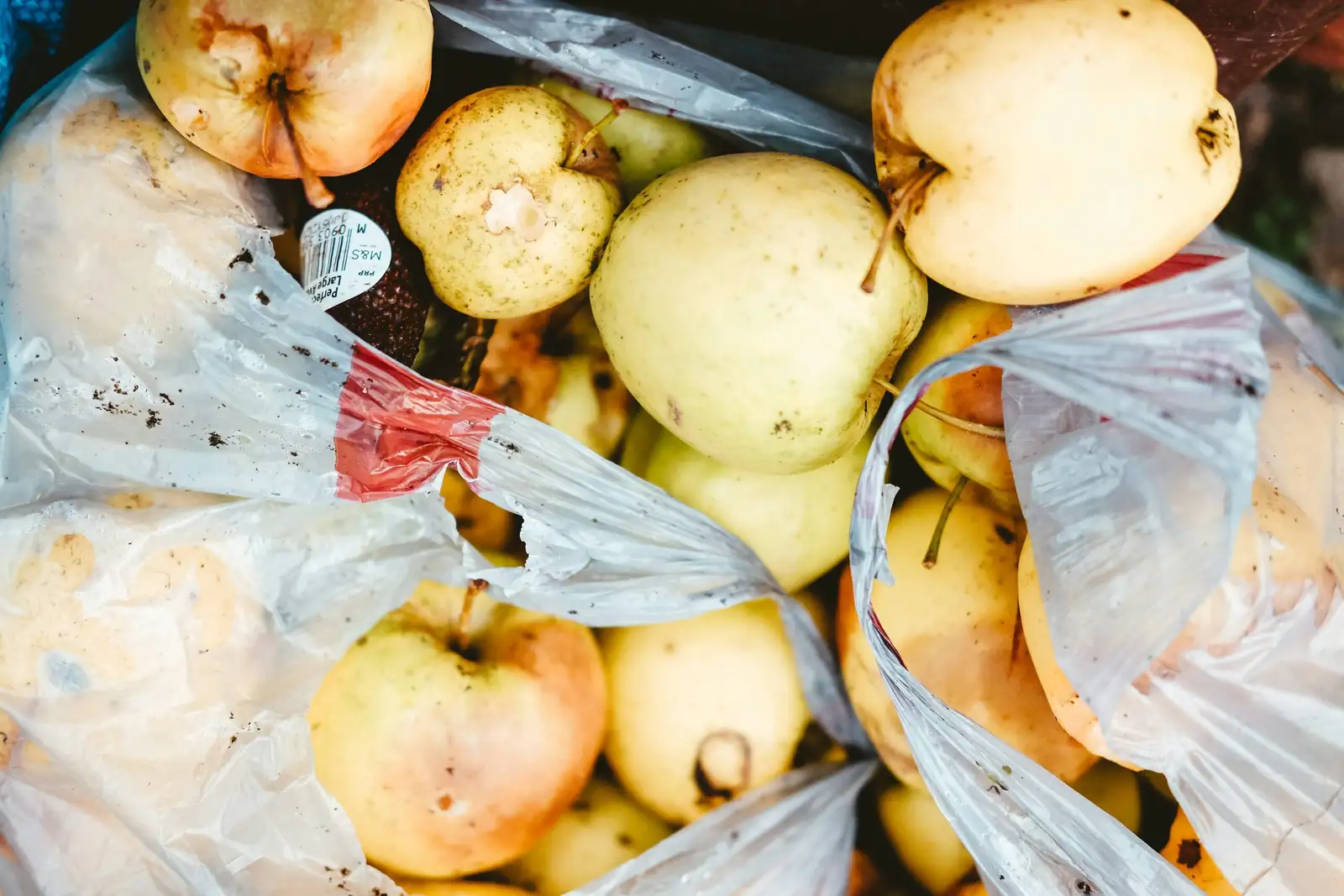
- Steps
- Empty any standing water from the rosette cup and leaf axils.
- Place the whole plant and the apple in the bag; seal it fully.
- Keep it in bright shade (not hot sun) for 7–10 days.
- Remove the bag, refresh the cup with clean water, and resume normal care.
- What to expect
- If the rosette is truly ready, a flower spike often initiates within several weeks. If nothing happens, reassess light and maturity before retrying.
Water, Mix, and Airflow: The Silent Partners of Bloom
- The central cup
- Keep clean rain/RO/distilled water in the cup, refreshing or topping up every 4–8 weeks. In hot, dry spells, mist daily or every other day.
- The potting mix
- Use an airy, fast-draining epiphyte blend such as:
- Equal parts orchid bark mix + perlite + coconut coir, or
- A 1:1 blend of orchid bark mix and general potting mix.
- Choose a snug pot (commonly 12.5–15 cm / 5–6 in). Oversized pots stay soggy and risk rot.
- Moisture rhythm
- Growing season: Keep the mix lightly moist, never waterlogged.
- Winter: Let the mix dry before watering again; keep moderate moisture in the cup, refreshed every 4–8 weeks.
- Environment
- Temperature: 15–27°C (59–81°F); keep above 10°C (50°F).
- Humidity: Moderate is fine; dry air invites spider mites. Gentle airflow helps prevent rot.
After the Show: Caring for the Star and Raising the Next Cast
- When the bracts fade
- Snip off the spent flower spike at its base. Don’t cut into healthy leaves.
- Keep mother comfortable
- Maintain bright filtered light, a clean cup, and lightly moist mix in warm weather. She’ll channel energy into pups.
- Pups take over
- Separate pups when 1/3–1/2 the size of the mother and rooted; or keep as a clump for a fuller look.
- Pot pups into the same airy mix; keep them in bright, filtered light and resume the gentle spring–summer feeding schedule when in active growth.
- The mother’s farewell
- She will gradually decline after flowering. When the rosette is fully brown and dry, remove it cleanly.
Troubleshooting Bloom Holdouts
- Light is too low
- The most common culprit. Move closer to a bright window or add a sheer-filtered southern exposure.
- Plant is immature
- Give it time; focus on steady spring–summer feeding and good light.
- Poor water quality or fertilizer salts
- Switch to rain/RO/distilled water. Flush the cup and mix occasionally.
- Overwatering the pot
- Airy mix and a snug pot are mandatory. No soggy bottoms.
- Harsh midday sun
- Scorch or pale, bleached bands mean dial it back to filtered light.
- Pests
- Dry indoor air can invite spider mites; also watch for scale and mealybugs. Increase humidity slightly, improve airflow, and spot-treat as needed.
A Quick Seasonal Rhythm
- Spring to late summer
- Bright, filtered light
- Keep mix lightly moist; cup topped up and clean
- Feed every 2 weeks at 1/2 strength; flush with plain water now and then
- Summer heat
- Maintain water in the cup; mist daily or every other day if air is dry
- Autumn
- Ease off watering and feeding as growth slows
- Winter
- Water only after the mix dries; refresh/top up cup water about every 4–8 weeks
Styling Notes and Buying Tips
- Look for firm, upright leaves and a clean, odor-free central cup. Skip any with a mushy base or blackened leaf bases.
- Display where its vase-like symmetry is visible—on a pedestal, plant stand, or a shelf at eye level.
Flower Language and Meaning
Bromeliads are often linked with hospitality and resilience. The hospitality angle likely echoes the broader cultural association with pineapple (another bromeliad) and the Dragonfly Bromeliad’s own welcoming “cup” that holds water. Resilience reflects how these epiphytes thrive with modest roots, drawing what they need from light, air, and brief drinks. While not a historic, codified “flower language” in the strict Victorian sense, the symbolism fits the plant’s life story: a steadfast water-keeper that still finds the energy to dazzle.
Parting Thought
If you give Aechmea fendleri a bright, filtered stage, a steady spring–summer snack, and the time it needs to reach bloom-ready maturity, it will repay you with a summer spectacle of pink bracts and purple flowers. Use the apple-in-a-bag trick if your seasoned performer gets stage fright—and when the show’s over, keep the lights warm for the pups. Your next act is already waiting in the wings.