

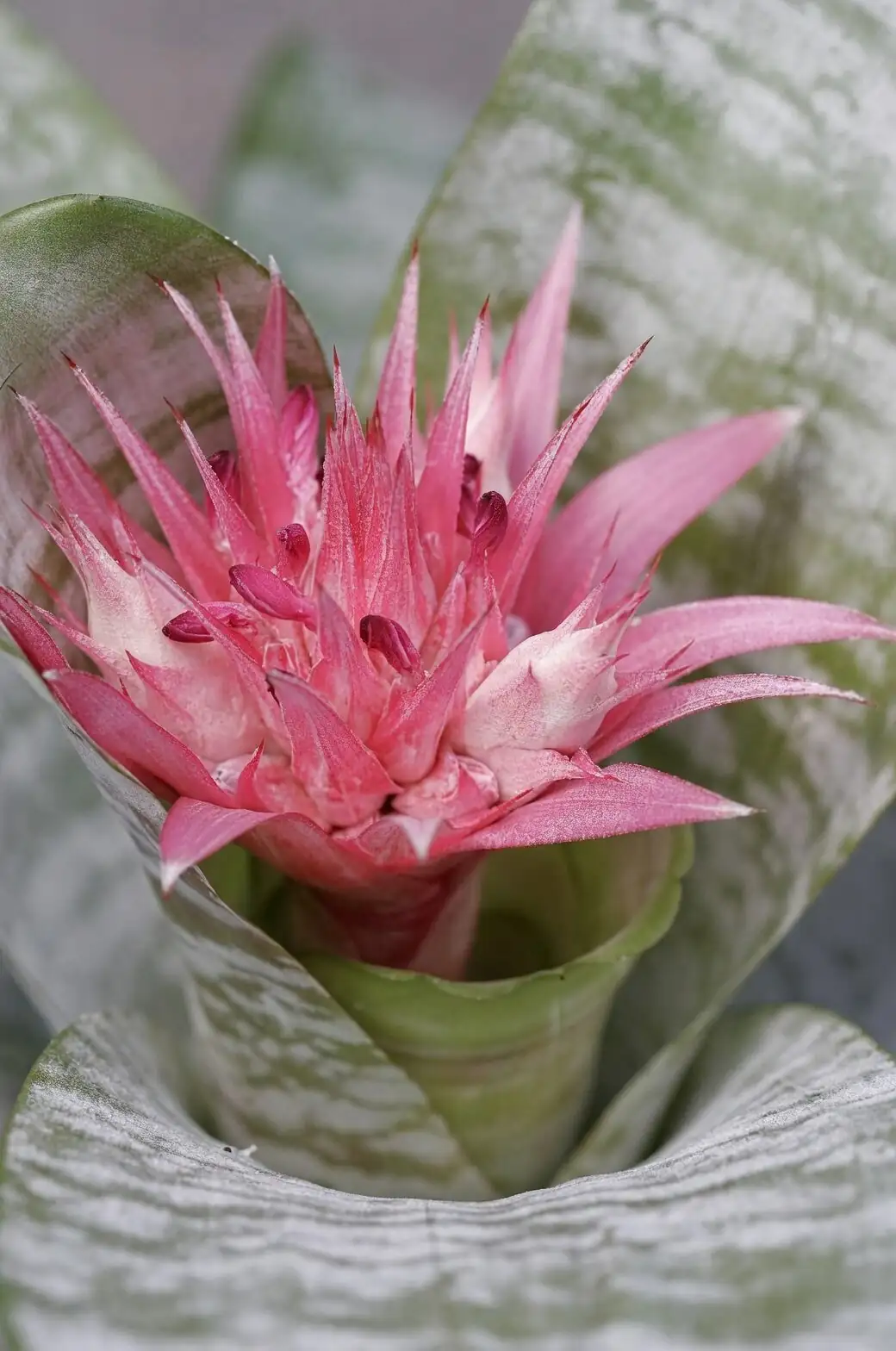
Open any old New England doorway carved with pineapples and you’ll see it: the promise of a warm welcome. That same spirit glows today from a living cousin of the pineapple—the bromeliads—and few carry it with more poise than Aechmea fendleri, the Dragonfly Bromeliad. With a vase-like rosette that literally offers a cup of water and a summer crown of pink bracts and purple blooms, it’s a plant that looks like hospitality made visible.
From Pineapple Welcome to Bromeliad Hospitality

- Colonial Americas set the stage. Returning sea captains in the 17th–18th centuries would set a coveted pineapple on the table or display it at the door to signal “the host has returned with bounty—come share it.” The fruit became a shorthand for generosity and gracious reception.
- The motif spread into architecture and decor—pineapples on gateposts, table centerpieces, and textiles telegraphed welcome and status.
- Enter the bromeliads. Pineapple (Ananas comosus) is part of the Bromeliaceae family, so as ornamental bromeliads became popular with gardeners and houseplant lovers, the hospitality meaning flowed naturally to them. Aechmea fendleri, with its water-offering rosette and festive bracts, became a living, enduring emblem of the warm-welcome tradition.
Meet Aechmea fendleri, the Dragonfly Bromeliad
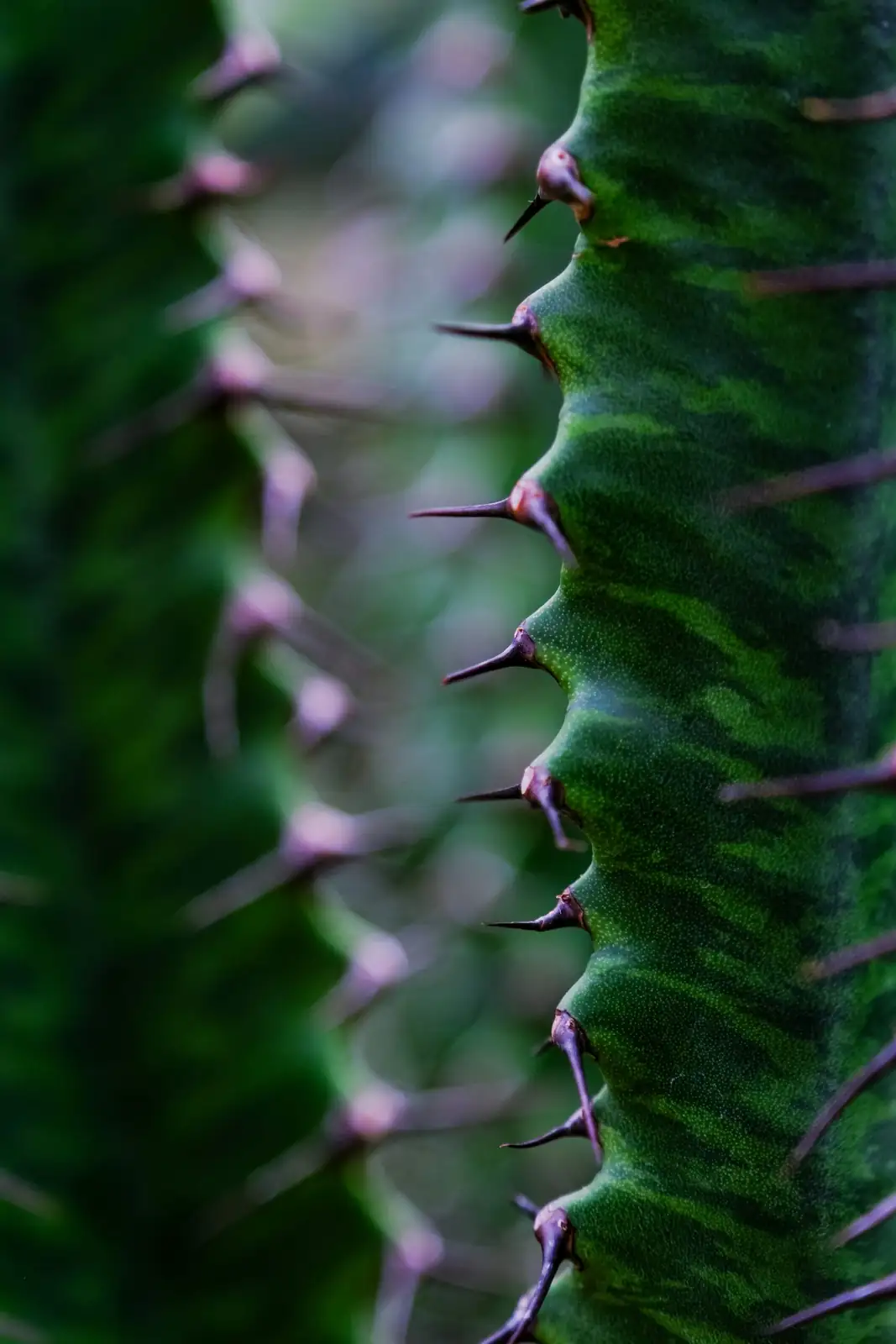
- Origin: Northern South America—especially Venezuela—where it grows as an epiphyte in tropical forests.
- Habit and size: A refined, rosette-forming epiphyte, about 60 × 60 cm (24 × 24 in). Leaves arch into a neat, vase-shaped cup that naturally holds water.
- Look: Silver-green, subtly banded strap leaves form an elegant fountain. In summer, a tall central spike lifts showy pink bracts above small purple flowers. The bracts outlast the true blooms, staying decorative for weeks to months.
- Personality: Easygoing and architectural—a plant that’s both sculpture and celebration.
Flower Language, Unpacked: Hospitality, Resilience, Abundance
- Hospitality: The pineapple’s welcome evolved into a bromeliad’s welcome—only now the gesture is literal. Aechmea fendleri keeps a small reservoir at its heart, as if offering a drink to any thirsty rainforest visitor. Place it where you greet guests and it becomes a living “you belong here.”
- Resilience: In the wild, this plant perches on trees and thrives with intermittent moisture. Its cup stores rain; its leaves shrug off short dry spells; its bracts keep their color long after flowers fade. Resilience, in plant form.
- Abundance: The rosette is a goblet that catches water, and the plant eventually clumps by producing offsets (pups). One rosette becomes many—an eloquent metaphor for resources refilling, fortunes multiplying, and life replenishing itself.
A quick, honest note about “flower language”
What we call flower language blends different histories: colonial American pineapple symbolism, Victorian-era floriography, and modern design lore. It isn’t a single ancient rulebook—it’s a living tradition shaped by culture, commerce, and delight. With Aechmea fendleri, the meanings resonate because the plant’s form (a cup of water, enduring bracts, multiplying pups) mirrors the ideas we give it.
Feng Shui Placement That Also Pleases the Plant
Think of Feng Shui as choreography for energy—and think of good plant care as stage lighting. When both are right, everything shines.
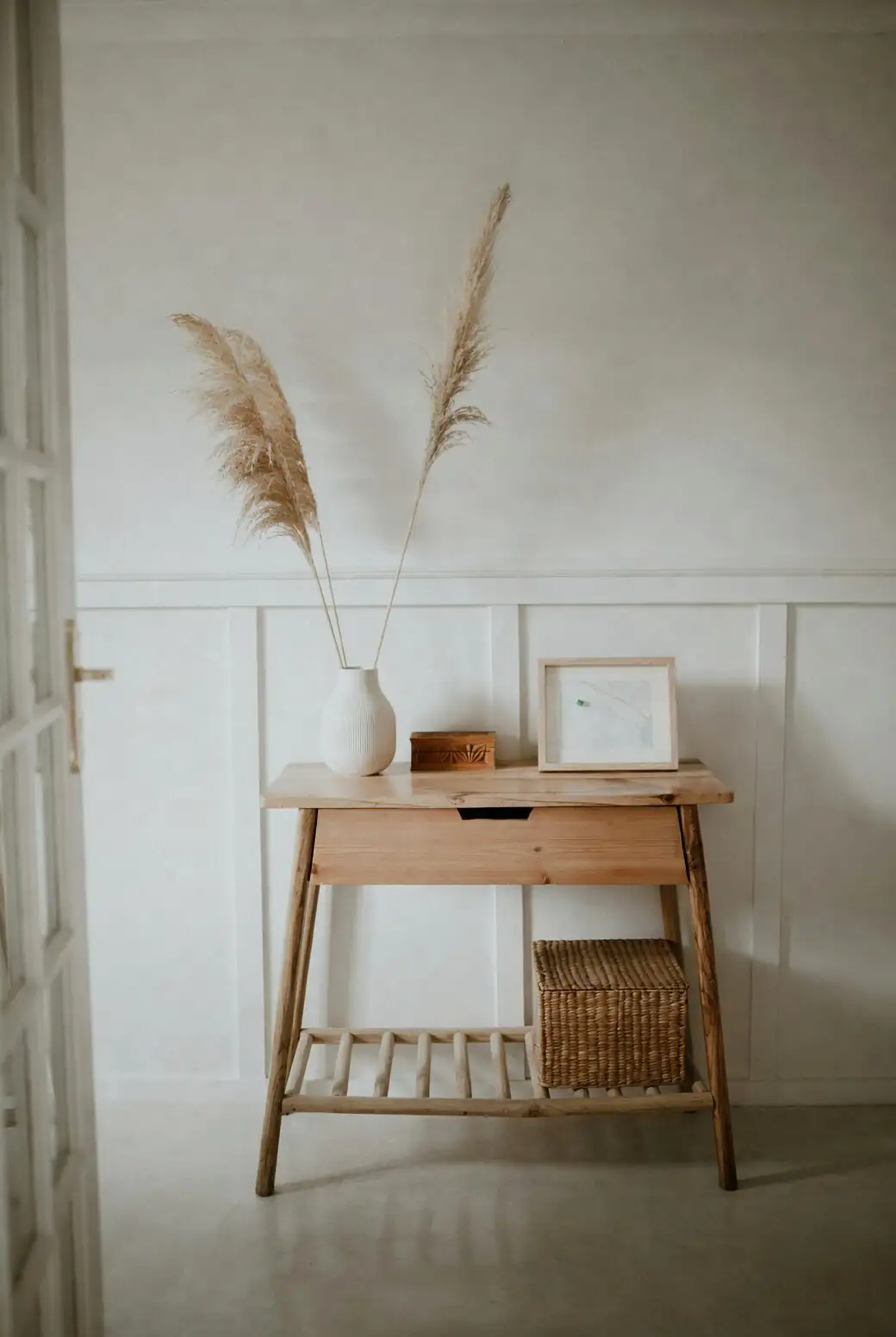
- Light the welcome:
- Best spots: near an east-facing or bright north window; or set a few feet back from a south/west exposure behind a sheer curtain.
- Symbolic fit:
- East (Family/Health): nurtures growth and vitality—perfect for a rosette that literally nourishes itself.
- Southeast (Wealth): the ever-filling cup and clumping habit echo prosperity.
- Entryway or living room: signals “you’re welcome here,” just like the old pineapple on the door.
- Water as moving energy:
- Refresh the central cup with rain or distilled water and top up every 4–8 weeks. Empty and refill sooner if debris collects—clean water equals fresh qi.
- Avoid stagnant water in trays or saucers; the “welcome” energy should feel crisp, not murky.
- Elemental harmony:
- The pink bracts add a “fire” spark; the rosette’s water is a gentle “water” note. Together they animate a room without overwhelming it.
Do’s and Don’ts for Auspicious Placement
- Do give bright, filtered light; avoid harsh midday sun that can scorch leaves.
- Do ensure gentle airflow—stuffy corners invite pests and stale energy.
- Do keep the cup clean and the leaves dust-free so the plant can “shine.”
- Don’t place in cold drafts or near heat blasts.
- Don’t cram it into a dim corner—symbolism withers without real-life light.
A Thoughtful Gift with Staying Power
- Perfect moments: housewarmings, new jobs or ventures, recovery and renewal, thank-you gifts, or any milestone where welcome and resilience matter.
- What makes it special: long-lasting bracts, a sculptural silhouette, and easy care that won’t burden the recipient.
- Card message ideas:
- “May your cup always be full.”
- “For a home that welcomes joy.”
- “To growth that multiplies—like pups around a thriving rosette.”
- Safety note: Generally low toxicity, but sap can irritate sensitive skin and chewing may upset pets. Place out of reach of curious animals.
Care Cheat Sheet (Because Good Energy Loves a Healthy Plant)
- Light: Bright, filtered light; partial sun/partial shade. Shield from harsh midday sun.
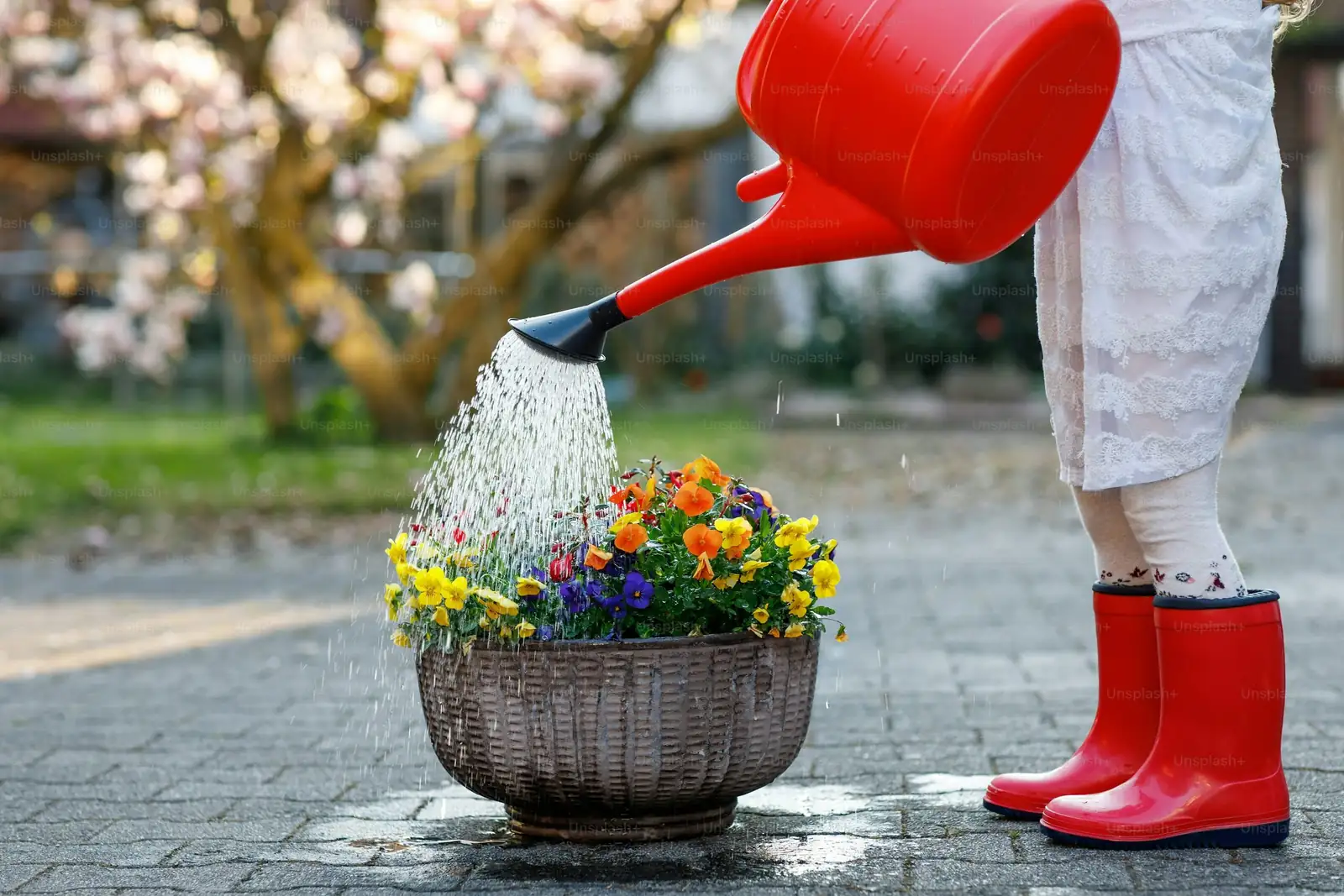
- Water: Fill the central cup with rain or distilled water; refresh/top up every 4–8 weeks. Keep the potting mix lightly moist in warm months; in winter, let it dry out between waterings. In hot, dry weather, mist daily or every other day.
- Potting mix: Airy and fast-draining—equal parts orchid bark mix + perlite + coconut coir, or a 1:1 blend of orchid bark and general potting mix.
- Temperature: 15–27°C (59–81°F); keep above 10°C (50°F).
- Humidity: Moderate; extra humidity helps in heat. Dry air invites spider mites.
- Feeding: Spring through late summer, use a balanced liquid fertilizer at 1/2 strength every 2 weeks—into the cup or as a foliar feed. Flush occasionally with plain water to prevent salt buildup.
- Grooming: Remove the spent flower spike after blooming. Trim only fully brown tips—avoid cutting healthy green tissue.
- Propagation: Separate pups when they’re 1/3–1/2 the size of the mother and have roots. Pot into the same airy mix.
- Repotting: Prefer snug pots (about 12.5–15 cm / 5–6 in). Move up one size only when crowded.
- Hardiness: Not frost-hardy; best outdoors year-round only in frost-free climates (roughly USDA 10–11).
- Pests & health: Watch for mealybugs, scale, and spider mites. Prevent rot with fast drainage and good airflow.
Styling Ideas to Amplify the Message
- Entry console or living room side table: the modern echo of the pineapple on the doorstep.
- Bright kitchen or bathroom (with airflow): the cup motif feels right at home near water.
- Grouping: pair with ferns or other epiphytes in barky mixes to create a lush, welcoming vignette.
- Contrast: the silver-green leaves and pink bracts pop against dark ceramics or matte black planters.
Why This “Hospitality Plant” Rings True
Aechmea fendleri isn’t just inheriting pineapple’s welcome by family ties; it embodies the idea. It holds water for itself (and, in nature, for tiny guests), wears its celebration long after the party starts (hello, enduring pink bracts), and shares the future through pups. Place one where you greet the world, keep its central cup clear and bright, and let the symbolism do what the plant already knows how to do—make life feel fuller, warmer, and wonderfully alive.
Fun to know:
- In the wild, that central “cup” can host micro-ecosystems of insects and microorganisms.
- The “flower” you admire is largely bracts—modified leaves that stay colorful far longer than the true blooms.