

Think of Aechmea fendleri as a rainforest apartment block with a rooftop pool. Its tight, vase-shaped rosette forms a central “cup” that catches rain, leaf litter, and life. In the wild, that cup becomes a bustling micro-ecosystem. Indoors, it’s more of a minimalist aquarium—quieter, but still alive, and still essential to the plant’s health. Here’s a fun, science-forward tour of that tiny world and how to keep it clean, clear, and thriving at home.
Meet the Dragonfly Bromeliad
- Scientific name: Aechmea fendleri (family Bromeliaceae)
- Common name: Dragonfly Bromeliad
- Origin: Northern South America (notably Venezuela and nearby regions), where it grows as an epiphyte in tropical forests
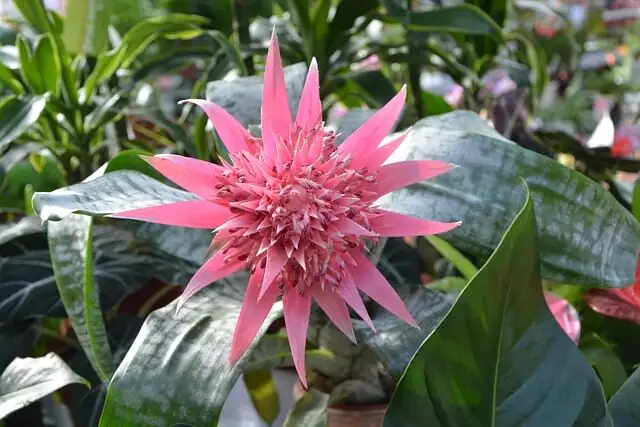
- Look: Arching, silver‑green, subtly banded leaves forming a neat rosette with a central water-holding cup
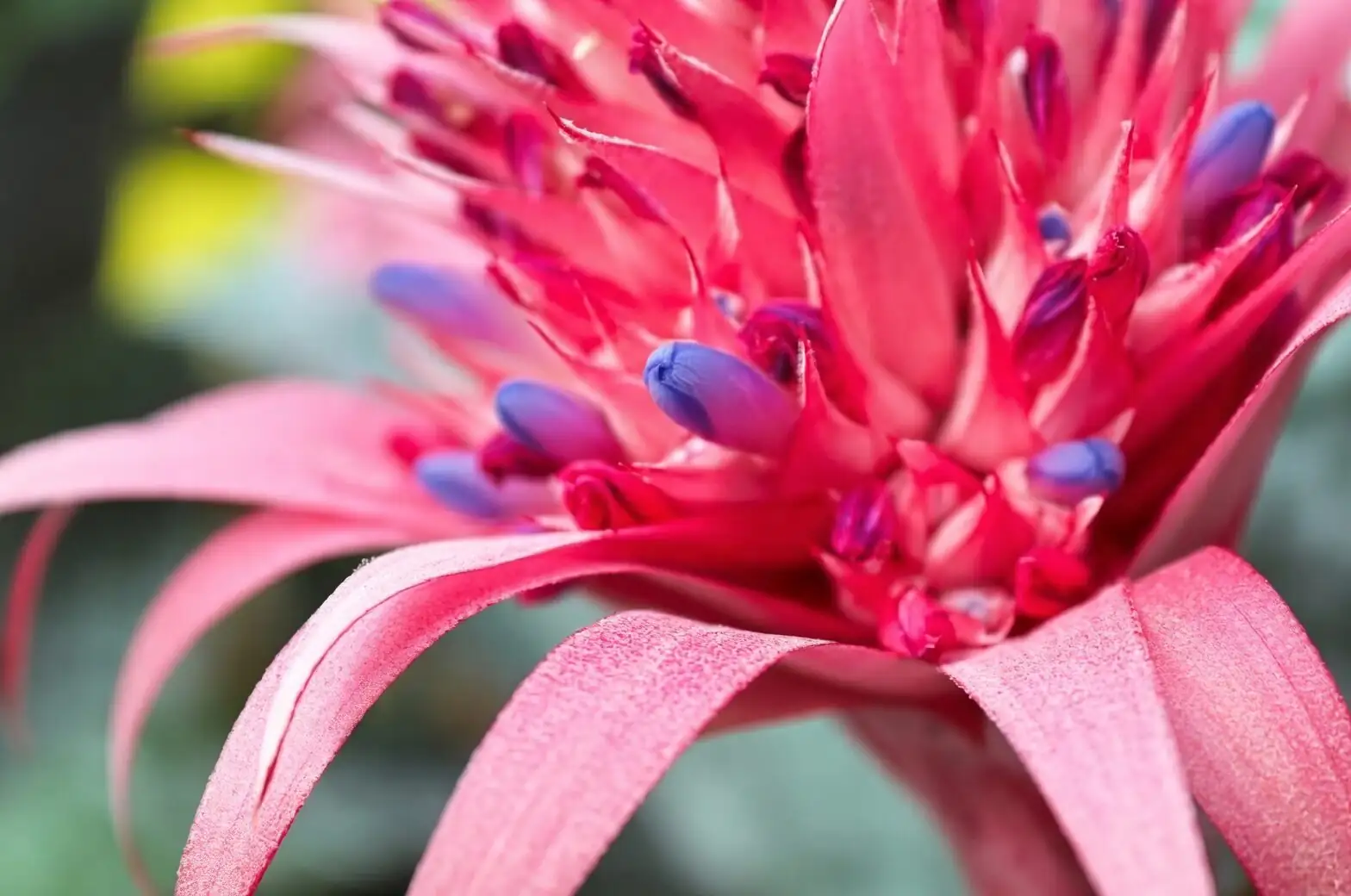
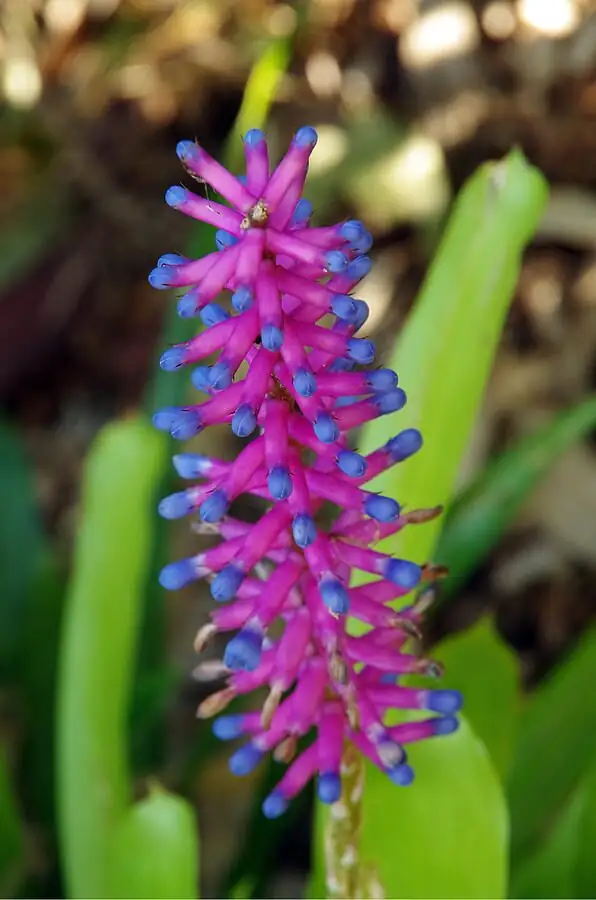
- Summer show: A tall flower spike topped with long-lasting pink bracts and small purple flowers
- Size: About 60 × 60 cm (24 × 24 in)
- Habit: Rosette-forming epiphyte that slowly clumps by producing pups
The Cup: A Micro‑Aquarium With a Job
Bromeliad “tanks” are nature’s little reservoirs (phytotelmata). Water held in the cup becomes a nutrient-brewing tea. Leaf surfaces are covered with specialized scales (trichomes) that absorb dissolved minerals directly from that tea, bypassing heavy dependence on roots.
What this means for you: the water in the cup isn’t just for looks—it’s your plant’s pantry and pantry filter.
Who Lives in the Cup? Wild vs. Indoors
In the wild: a lively neighborhood
- Microbes: Bacteria and fungi unlock nutrients by breaking down leaf litter and pollen.
- Micro‑grazers: Rotifers and tiny crustaceans browse on microbes and algae.
- Insect larvae: Mosquitoes, midges, and others filter-feed and churn the water; larger tanks can even host predators like damselfly nymphs.
- Debris: Fallen flower parts and forest dust turn into “bromeliad tea,” fueling the nutrient cycle.
Net effect: decomposition + grazing = a steady trickle of minerals the plant can sip through its leaf trichomes.
Indoors: a quiet, curated tank
- Fewer hitchhikers: Your cup usually contains only clean water, some dust, and maybe a faint biofilm.
- Occasional algae: Under bright light, a light green film can appear.
- No leaf‑litter buffet: Fewer natural inputs mean the cup’s nutrient soup is simpler—and cleaner.
Net effect: You’re the raincloud and the janitor. Fresh, low‑mineral water and periodic flushes keep things balanced.
How the Cup Feeds the Plant (The Mini Nutrient Cycle)
- Inputs: Rainwater or your distilled/rainwater + tiny amounts of organic matter or diluted fertilizer
- Processing: Microbes mineralize organic bits into plant-available nutrients
- Uptake: Leaf trichomes absorb nutrients directly from the water film on the leaf and within the cup
- Reset: Flushing dilutes accumulated salts and refreshes oxygen
Too many nutrients = algae bloom and salt stress. Too few inputs = fine (bromeliads are efficient), but growth and bract color may be less vigorous.
Build a Healthy Indoor “Aquarium”
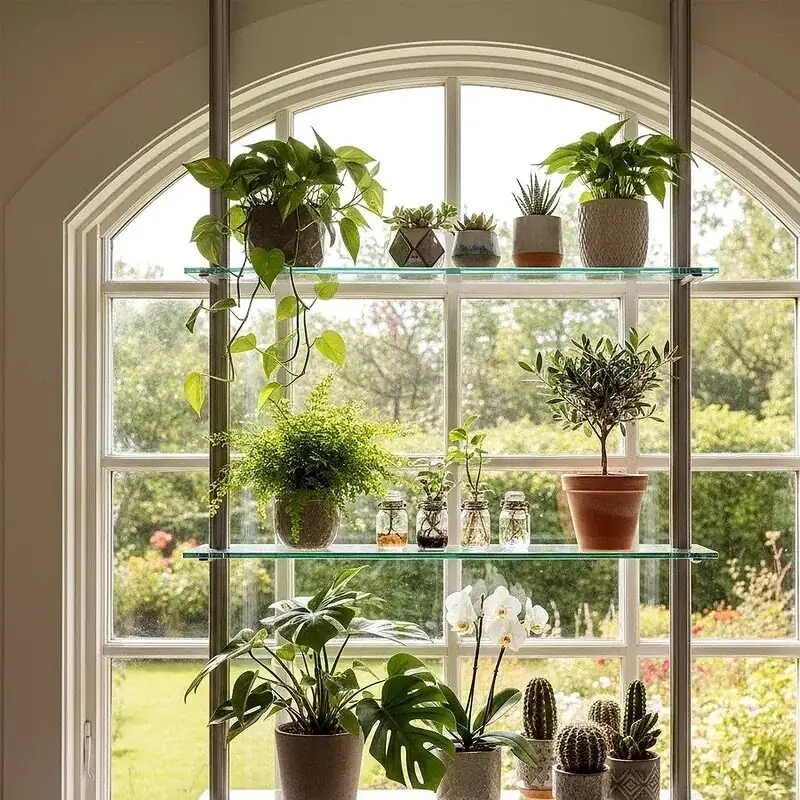
- Light: Bright, filtered light (east window, bright north window, or a few feet back from south/west behind a sheer). Avoid harsh midday sun that can scorch leaves.
- Temperature: 15–27°C (59–81°F); keep above 10°C (50°F).
- Humidity: Moderate. Dry air invites spider mites—boost humidity in hot spells with misting daily or every other day and keep gentle airflow.
- Potting: An airy, fast‑draining epiphyte mix. Great options:
- Equal parts orchid bark mix + perlite + coconut coir, or
- 1:1 orchid bark mix + general potting mix
Use a snug pot (about 12.5–15 cm / 5–6 in) and never waterlog the mix.
Water Chemistry: What to Pour Into the Cup
- Best water: Rainwater or distilled water keeps minerals low and the cup clear.
- Avoid: Hard tap water that leaves crusty deposits and stresses trichomes.
- Cup routine: Keep water in the rosette and refresh/top up about every 4–8 weeks. During each refresh, swirl to lift settled debris, then flush thoroughly with fresh water.
Tip for outdoor summering in mosquito‑prone areas: refresh more frequently than usual to break life cycles; a quick tip‑and‑refill after storms helps. Indoors, this is rarely an issue.
Fertilizer Without the Algae Bloom
- When: Spring through late summer
- What: Balanced liquid fertilizer at 1/2 strength
- How: Every 2 weeks, apply as a light foliar feed or a small dose into the cup
- Important: Flush the cup with plain water occasionally to prevent salt buildup
- Signs of overdoing it: Sudden algae growth, a “pondy” smell, or browning leaf tips along the cup
The Cup‑Cleaning Playbook
Think aquarium maintenance—light, regular, and kind.
- Monthly flush (or within that 4–8 week window):
1) Fill the cup fully.
2) Swirl gently to stir up settled bits.
3) Tilt the plant and pour out the water.
4) Refill with fresh rain/distilled water.
- After heavy dust or pollen exposure: Do a quick extra flush.
- If you ever notice a sour smell: Perform two back‑to‑back flushes and ensure there’s good airflow.
- Don’ts:
- Don’t leave the potting mix soggy—rot risk is real in the roots and leaf bases.
- Don’t scrub the leaf surfaces; trichomes are delicate nutrient‑absorbing tissue.
Troubleshooting the Mini‑Ecosystem
- Cloudy, smelly water: Too many organics or stagnant conditions. Do a couple of flushes; improve airflow and lighting (indirect).
- Persistent algae: Reduce fertilizer strength/frequency and increase flush frequency; keep using low‑mineral water.
- Spider mites on leaves: Common in dry, still air—raise humidity and add gentle airflow; wipe leaves and rinse occasionally.
- Leaf bases blackening or mushy pot: Mix is too wet or pot is oversized. Repot into a snug container with airy media and let the mix dry slightly between waterings in cool months.
Seasonal Rhythm (Easy Calendar)
- Spring–late summer:
- Keep mix lightly moist, never waterlogged.
- Maintain water in the central cup.
- Fertilize every 2 weeks at 1/2 strength; flush the cup occasionally.
- Summer heat:
- Mist daily or every other day if indoor air is dry; ensure gentle airflow.
- Winter:
- Let the mix dry before watering again.
- Refresh/top up cup water every 4–8 weeks.
Bloom Time: Bracts vs. Flowers
When the tall spike appears, those showy pink “petals” are mostly bracts—modified leaves that stay colorful long after the small purple flowers fade. After blooming, remove the spent spike; pups will emerge around the base, gradually forming a handsome clump.
Symbolism: Hospitality and Resilience, With Roots in Real Botany
While not an ancient “flower language,” this plant’s modern symbolism makes sense:
- Hospitality: A rosette that literally holds a cup of water—an open invitation in plant form. Bromeliads in general, and the pineapple in particular, have long been linked with welcome and generosity in the Americas.
- Resilience: As an epiphyte, Aechmea fendleri thrives on trees with minimal soil, sipping from rain and dust—an elegant lesson in resourcefulness.
Buying Smart
Choose plants with:
- Firm, upright leaves and a clean, odor‑free cup
- No blackened leaf bases or mushy crowns
- A pot that’s not swampy (a red flag for rot)
—
Treat Aechmea fendleri’s cup like a tiny aquarium: clean water, a light feeding schedule, and periodic flushes. In return, the Dragonfly Bromeliad will reward you with sculptural foliage, long‑lasting color, and a front‑row seat to one of nature’s smallest, smartest water gardens.