

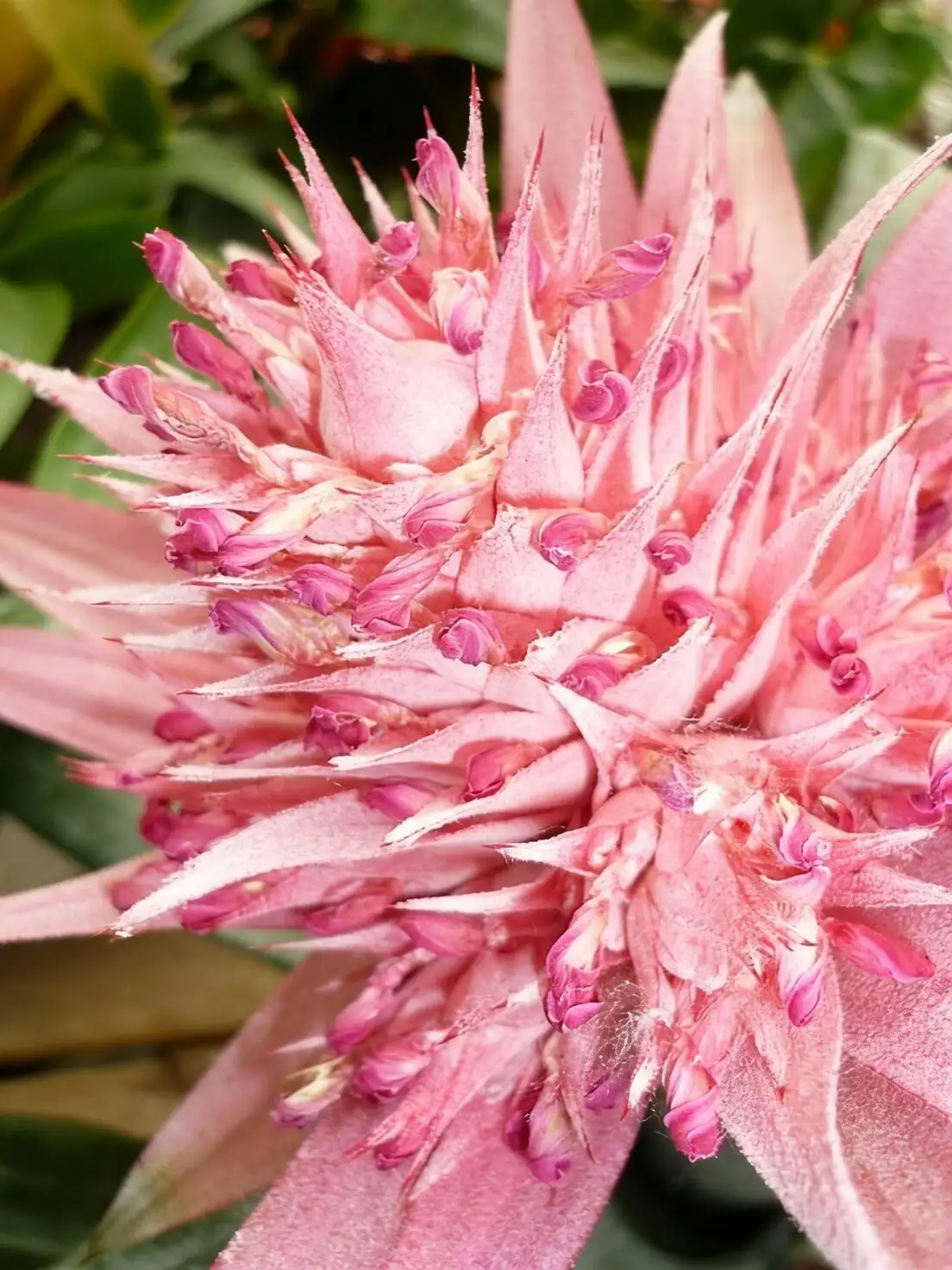
Imagine a plant that arrives already dressed for a garden party—sleek silver-green leaves arranged like a sculptural vase, then a summer show of pink bracts and dainty purple flowers. That’s Aechmea fendleri, the Dragonfly Bromeliad: an easy, epiphytic houseguest that thrives on bright filtered light, a splash of clean water in its central “cup,” and a breezy, barky mix underfoot. Follow this step-by-step blueprint and you’ll feel bulletproof from day one.
Meet the Dragonfly Bromeliad (Aechmea fendleri)
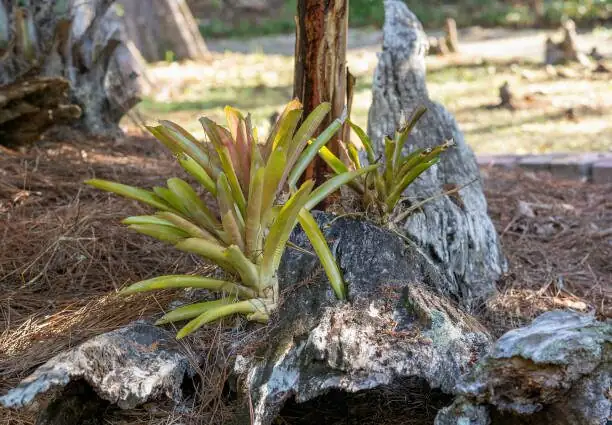
- Origin: Northern South America (notably Venezuela and neighboring regions), where it grows as an epiphyte in tropical forests.
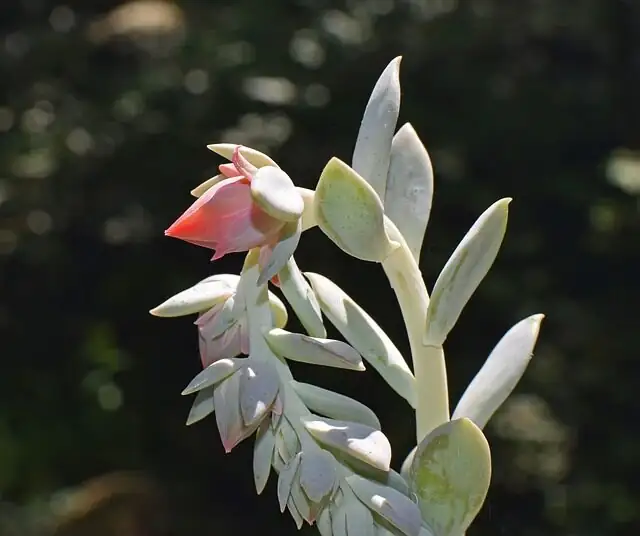
- Look: Arching, strap-like leaves in a refined silver-green, forming a tidy, vase-shaped rosette. In summer, a tall spike carries showy pink bracts with small purple flowers; the bracts outlast the blooms.
- Size: About 60 × 60 cm (24 × 24 in).
- Habit: Rosette-forming epiphyte that gradually clumps by producing offsets (pups) around the base.
The Bulletproof Blueprint (Step-by-Step)
1) Light: Bright, filtered, and flattering
- Best exposure: Bright, indirect light (partial sun/partial shade). Think: an east window, a bright north window, or a few feet back from a south/west window with a sheer curtain.
- Avoid: Harsh midday sun, which can scorch and bleach the leaves.
- Read the leaves:
- Too much sun: Crispy tips, yellowing/bleached patches.
- Too little light: Slower growth, dull color, fewer or no pups over time.

2) Pot and Mix: Air first, then everything else
- The epiphyte rule: Roots anchor more than they drink. Prioritize airflow and fast drainage.
- Go-to mixes:
- Equal parts orchid bark mix + perlite + coconut coir, or
- A 1:1 blend of orchid bark mix and general-purpose potting mix.
- Pot size: Snug is best. Aim for 12.5–15 cm (5–6 in) with generous drainage holes.
3) Watering, the Bromeliad Way: Fill the cup, not the saucer
- Use rainwater or distilled water to avoid mineral buildup and leaf spotting.
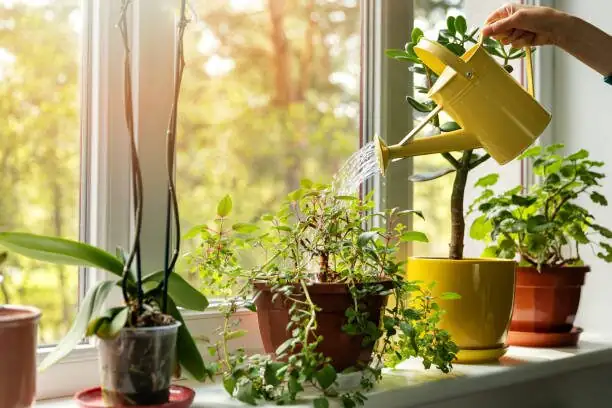
- The rosette “cup”: Keep water in the central cup and refresh/top up about every 4–8 weeks. When refreshing, pour out the stale water and refill with clean.
- Potting mix: In the growing season, keep the mix lightly moist—but never waterlogged. In winter, let the mix dry before watering again.
- Heat help: In hot, dry weather, mist daily or every other day to bump humidity. Never let the pot sit in a saucer of standing water.
Pro tip: If you fertilize into the cup (see below), occasionally flush with plain water to reduce salt buildup.
4) Temperatures and Humidity: Tropical, not steamy sauna
- Temperature sweet spot: 15–27°C (59–81°F); keep above 10°C (50°F).
- Humidity: Moderate is fine. Extra humidity in hot weather is appreciated.
- Airflow: Gentle air movement helps prevent rot and discourages spider mites.
5) Feeding for color and pups
- When: Spring through late summer.
- What: A balanced liquid fertilizer at 1/2 strength every 2 weeks.
- How: Apply into the rosette cup or as a foliar feed; flush occasionally with plain water to prevent salt accumulation.
6) Seasonal Tweaks (Your set-it-and-forget-it rhythm)
- Spring to late summer:
- Lightly moist mix; maintain water in the central cup.
- Feed every 2 weeks at half strength.
- Summer heat:
- Mist daily/every other day if indoor air is dry.
- Winter:
- Let the mix dry before watering.
- Refresh or top up cup water about every 4–8 weeks. No heavy feeding.
7) Flowering and Aftercare: Enjoy the long show
- Season: Summer.
- What you’ll see: A tall spike with pink bracts and small purple flowers; the bracts remain colorful longer than the true blooms.
- After the show: Remove the spent flower spike. The mother rosette won’t rebloom, but it will produce pups around the base.
8) Propagating Pups (New plants, same flair)
- Timing: When pups are 1/3–1/2 the size of the mother and have their own roots.
- Steps:
1) Gently remove the pup with a clean, sharp blade, keeping its roots intact.
2) Pot into the same airy orchid-bark style mix in a snug container.
3) Anchor the pup well (they can wobble early on).
4) Keep the mix just lightly moist and maintain a small amount of clean water in the cup.
9) Repotting: Resist the urge to upsize
- When: Only when crowded; move up just one pot size.
- Why small is smarter: Oversized pots hold excess moisture and raise rot risk.
- Quick method:
- Lift gently, keep the rosette above the soil line, and fill around with fresh airy mix.
- Tap to settle; don’t compact.
10) Placement Ideas that Work
- Indoors: East-facing window; bright north window; or back from a south/west window behind a sheer.
- High-humidity rooms: Bright bathrooms or kitchens—just ensure good airflow.
Troubleshooting at a Glance
- Leaf scorch or bleaching: Too much direct sun—move to filtered light.
- Limp base or foul smell: Mix stayed soggy—repot into airy mix, reduce watering, increase airflow.
- Spider mites (fine webbing, stippling): Common in dry air—mist in heat, rinse leaves, and use insecticidal soap if needed.
- Mealybugs/scale: Dab with alcohol on a cotton swab; follow with gentle insecticidal soap and improved airflow.
- Algae or funk in the cup: Empty and refresh with clean water; flush occasionally.
Buying Guide (Start strong)
- Choose plants with firm, upright leaves and a clean, odor-free central cup.
- Avoid mushy bases, blackened leaf bases, or pots with soggy, heavy soil.
Safety Note
- Generally considered low toxicity. Sap may irritate sensitive skin, and chewing can cause mild gastrointestinal upset in pets. Keep out of reach of curious animals.
A Quick Care Calendar
- Spring–late summer:
- Bright filtered light.
- Mix lightly moist; cup filled and refreshed every 4–8 weeks.
- Half-strength fertilizer every 2 weeks (cup or foliar), then flush occasionally.
- Peak summer heat:
- Maintain cup water, mist daily/every other day if indoor air is dry.
- Winter:
- Water potting mix only after it dries; keep gentle airflow.
- Refresh/top up cup water every 4–8 weeks; no frequent feeding.
Why Rain or Distilled Water?
This bromeliad naturally collects rain in its cup. Hard tap water can leave mineral crusts and dull the foliage over time. Using rain or distilled water keeps the “vase” pristine and the leaves picture-perfect.
Symbolism and “Flower Language”
- Hospitality and resilience: The rosette’s central “cup” forever ready to host water (and in the wild, tiny ecosystems) makes Aechmea fendleri a natural emblem of welcome and endurance.
- About flower language: Modern “flower language” for bromeliads isn’t rooted in an ancient canon so much as in contemporary symbolism—hospitality for the water-holding rosette, resilience for its long-lasting bracts and easygoing nature. It’s meaningful, if modern: a living reminder to offer a welcome and keep your cool.
Fun to Know
- That central “cup” is a micro-reservoir in nature, often sheltering miniature ecosystems.
- What you admire as the “flower” is largely made of bracts—those pink, long-lasting showoffs—while the true purple flowers are comparatively short-lived.
Follow this blueprint—bright filtered light, a barky, airy mix, clean cup water, and seasonal tweaks—and your Dragonfly Bromeliad will look like it came with its own spotlight.