


Winter can be tough on tropical housemates, but your Parlor Palm (Chamaedorea elegans) doesn’t have to look like it’s counting the days until spring. With a few seasonal tweaks—warmer nights, wider gaps between waterings, gentle humidity boosts, and smart first-aid—you can keep those feathery fronds plush and polished all winter long.
Your winter game plan at a glance
- Light: Bright, indirect light; the brightest safe spot you have without harsh midday sun.
- Temperature: Aim for 18–24°C (64–75°F); protect from drafts and keep strictly above 10°C (50°F).
- Watering: Water thoroughly, then let the top 2–3 cm (about 1 in) dry. In winter, allow the mix to dry a bit more between sips.
- Humidity: Moderate to higher is best; use a pebble tray or humidifier during heating season.
- Feeding: Pause fertilizer until spring.
- Placement: Away from heater vents, cold windows, and door drafts.
- First-aid: Browning tips or edge bronzing often signal cold + overwatering or dry air—treat both promptly.
—
Light and placement: mimic the forest understory
Chamaedorea elegans is adapted to dappled light beneath taller trees. In winter, daylight is scarce—so scoot your palm closer to brightness without exposing it to harsh rays.

- Best spots: East- or north-facing windows, or set a few feet back from a bright south/west window behind a sheer curtain (roughly 30%–50% shade).
- Rotate every 2–3 weeks so fronds grow evenly.
- Keep it out of direct midday sun, which can scorch winter-thinned leaves, yet don’t tuck it in deep shade where it will languish and thin out.
—
Temperature: cozy, not toasty
Think warm steadiness, not blasts of hot, dry air.
- The golden range: 18–24°C (64–75°F) for lush winter looks.
- The line you must not cross: 10°C (50°F). Below this, cold stress shows up as browning tips/edges, yellowing, and general decline.
- Draft defense:
- Move pots a hand’s length away from chilly panes at night.
- Avoid the “wind tunnel” between doorways and windows.
- Keep clear of heater vents and radiators (crispy tips happen fast there).
- Consider a plant stand or cork mat to insulate the root zone from cold floors.
—
Watering: widen the gaps without going bone-dry
Winter is when parlor palms suffer most from the one-two punch of cool temperatures and soggy soil. Your goal is evenly moist—not wet—soil, with longer pauses between waterings.
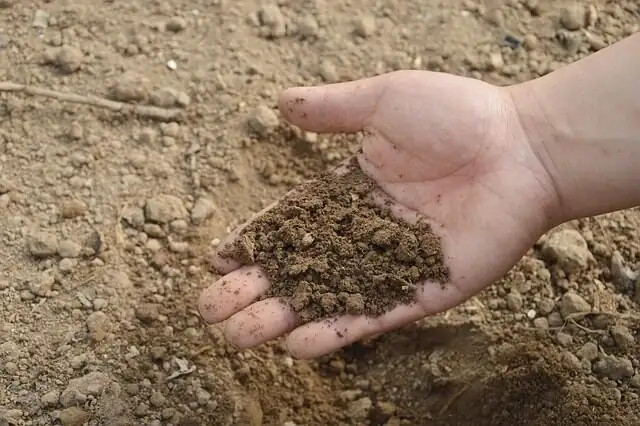
- The touch test: Water thoroughly, then wait until the top 2–3 cm (about 1 in) of mix is dry. In winter, let it dry a bit more than you would in summer.
- How often? Expect less frequent waterings (often every 10–21 days, but always decide by feel and pot weight, not the calendar).
- Technique:
- Water with room-temperature water.
- Drain fully; never leave the pot standing in water.
- Use a loose, well-draining houseplant mix bolstered with perlite/coarse sand and/or bark.
- Brown tips from minerals? If your water is hard, switch to filtered or rainwater and occasionally flush the pot to reduce salt buildup.
Pro tip: Cold + wet roots = yellowing and rot. When in doubt, wait one more day—especially if the room is cool.
—
Humidity: a soft cushion of moisture
Heated winter air is dry, and frond tips show it first.

- Targets and tools:
- Aim for moderate to higher humidity (around 40–60% is a comfortable home goal).
- A pebble tray with water (keep the potting base above waterline) or a small humidifier near the plant works wonders.
- Group plants to create a moister microclimate.
- Misting? Fine as an occasional pick-me-up if the room is warm and mornings are sunny—but avoid keeping foliage constantly wet in cool conditions to prevent leaf spots.
—
The winter watering-humidity rhythm (a simple routine)
- Weekly:
- Check soil moisture with your finger and by hefting the pot.
- Inspect undersides of fronds for spider mites, scale, or mealybugs (dry air invites trouble).
- Wipe dust from leaves for better light use and pest prevention.
- Every 2–3 weeks:
- Rotate the pot 90 degrees.
- Top up the pebble tray or clean the humidifier.
- Never in winter:
- No fertilizer when growth is slow.
- No waterlogging—ever.
—
First-aid for browning tips and cold stress
Those tea-brown tips are your palm’s SOS. Act quickly and gently.
- Identify the trigger
- Cold drafts or nights below 10°C (50°F): edges brown, growth stalls.
- Overwatering in a cool room: yellowing plus mushy roots.
- Dry air or hard water: crisp, brown tips without overall wilt.
- Stabilize the environment
- Move to a warmer, draft-free spot (ideally 18–24°C / 64–75°F).
- Boost humidity with a pebble tray or humidifier.
- Switch to filtered/rainwater if minerals are an issue.
- Triage the roots and soil
- If the pot feels heavy for days and soil smells sour, you may be flirting with root rot.
- Ensure the pot has drainage holes and the mix is airy. If rot is advanced, unpot carefully, trim only dead/rotted roots, and repot into fresh, free-draining mix. Then keep warm and water sparingly while it re-establishes.
- Prune thoughtfully
- Remove fully brown or broken fronds at the base with clean pruners.
- For minor tip burn, you can cosmetically trim the brown portion, following the natural shape of the leaflet; avoid cutting into healthy green tissue.
- Pause feeding
- Do not fertilize stressed palms in winter. Resume lightly only when you see fresh growth in spring.
- Scout for pests
- Spider mites love dry, heated air. Look for fine stippling or webbing. Treat early with insecticidal soap or horticultural oil, repeating as directed.
—
Soil and potting notes that matter more in winter
- Mix: Use a loose, well-draining houseplant blend amended with perlite/coarse sand and/or bark. Heavy soils hold cold moisture—bad news in winter.
- Pot size: Don’t overpot; increase container diameter just 2–5 cm (1–2 in) when it’s truly rootbound (best done in spring).
- Drainage: Nonnegotiable. Empty cachepots after watering.
—
A quick word on light, growth, and winter blooms
Parlor palms often slow their growth in winter, even under good light—normal behavior. Mature, well-cared-for plants may occasionally reward you with dainty sprays of yellow flowers once light and warmth stabilize from late winter into the warmer seasons. Enjoy them as a bonus; the real show is the foliage.
—
Pet safety
Good news for pet households: Parlor palm is generally considered non-toxic to cats and dogs. Still, discourage nibbling—any plant material can upset sensitive stomachs.
—
Looking ahead to spring
As days lengthen:
- Gradually shorten the gaps between waterings.
- Resume balanced liquid feeding during active growth (many growers feed monthly, or every two weeks at half strength).
- Repot in spring if rootbound; keep the aftercare warm and on the drier side until roots settle.
—
A note on symbolism
Nicknamed “Good Luck Palm” and beloved since Victorian parlor days, Chamaedorea elegans has come to symbolize welcome, everyday elegance, and long-lived vitality. While these meanings aren’t ancient lore, they reflect the plant’s real-world charm: a gentle, enduring green presence that thrives where people gather.
—
Winter checklist to keep fronds plush
- Bright, indirect light; rotate regularly.
- 18–24°C (64–75°F); never below 10°C (50°F).
- Water only when the top 2–3 cm (1 in) dries; let it dry a bit more than in summer.
- Raise humidity with a pebble tray or humidifier; avoid cold, wet leaves.
- No fertilizer until growth resumes.
- Prune only fully brown fronds; tip-trim cosmetically if needed.
- Stay vigilant for mites, scale, and mealybugs.
Treat your Parlor Palm like the understory aristocrat it is—shield it from cold drafts, sip rather than soak it in winter, and surround it with softly humid air. You’ll sail through the season with glossy, feathery fronds intact.