

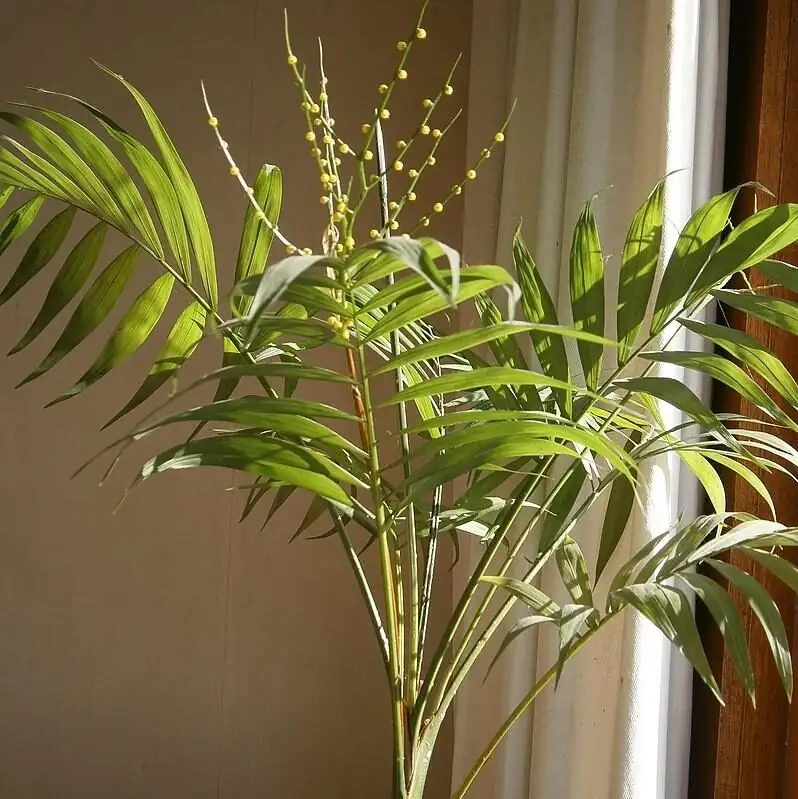
If parlor palms had a secret hobby, it would be throwing tiny, low-key parties—quiet sprays of yellow blooms that appear when the mood (and the room) is just right. Chamaedorea elegans isn’t famous for flowers, but when it decides to celebrate indoors, the show is charmingly modest, a confetti of bead-like blossoms tucked among feathery fronds. Here’s how to catch those blink-and-you’ll-miss-them moments, what triggers them, and whether to let the stalks linger or give them a tidy trim.
What a “bloom” looks like on a parlor palm
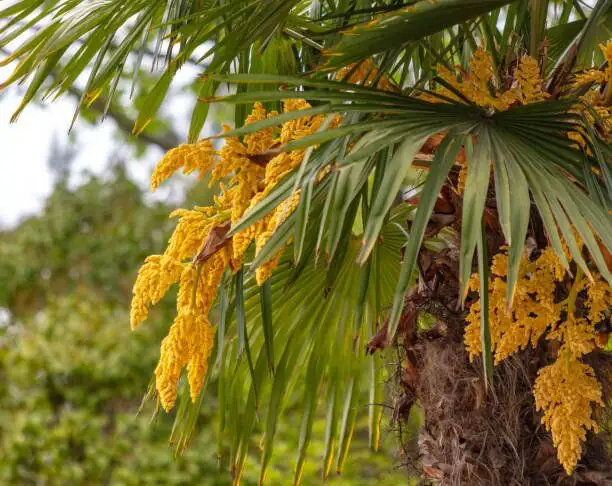
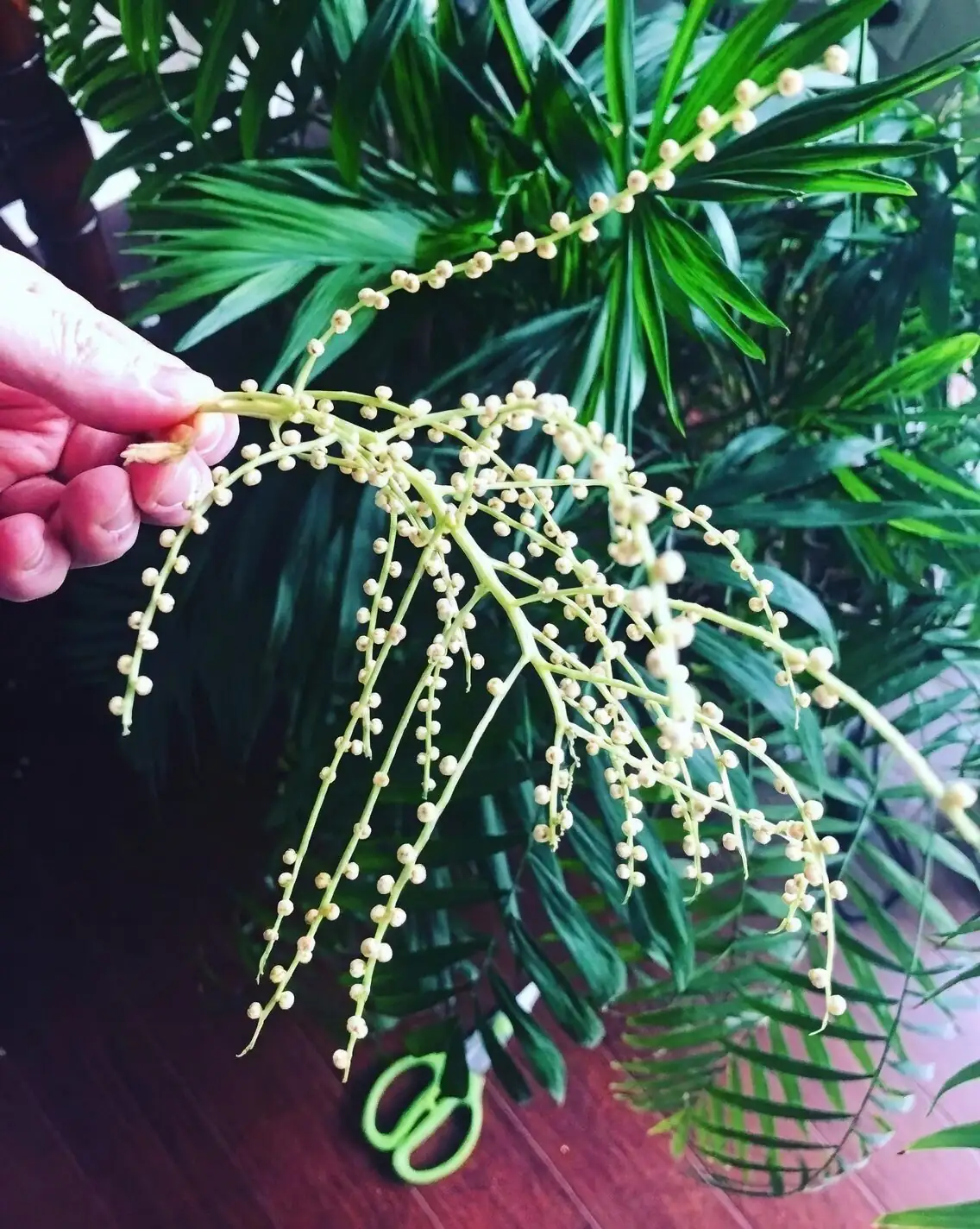
- Expect small, yellow to yellowish flowers on slender, branched stalks (think airy chandeliers, not fireworks).
- The clusters rise from between the fronds on mature plants grown with steady warmth and light.
- Indoors, the display is more botanical bonus than headliner—pretty, subtle, and short-lived.
When it flowers indoors (and when it doesn’t)
- The most likely window: late winter/spring through autumn, whenever light and warmth stay steady.
- Frequency: occasional. Some happy, mature plants bloom every so often; many never bother. That’s normal.
- Age matters: flowers usually show up on established, well-settled clumps rather than very young plants.
What flips the bloom switch? Light, warmth, and calm consistency
Chamaedorea elegans is a tropical understory species—picture dappled forest light, mild temperatures, and no drama. Recreate that vibe:
Light: bright but gentle

- Aim for bright, indirect light; an east- or north-facing window is perfect.
- Near stronger sun (south/west windows), filter with a sheer curtain or provide about 30%–50% shade.
- It tolerates low light, but blooms are far more likely with that bright, filtered glow.
Temperature: warm, steady, draft-free
- Sweet spot: 18–24°C (64–75°F); solid growth across 15–25°C (59–77°F).
- Keep above 10°C (50°F) to avoid cold damage. Chills and drafts are bloom busters.
- Short hot spells (up to ~35°C/95°F) can be fine if humidity is higher and the root zone doesn’t dry out completely.
Watering rhythm: even moisture, never a bog
- Water thoroughly, then let the top 2–3 cm (about 1 in) of soil dry before watering again.
- Avoid waterlogging—soggy, cold soil equals yellowing leaves and root rot, not flowers.
- In autumn/winter, reduce frequency slightly; don’t keep it bone-dry for long.
Feeding: light, seasonal nudges
- During active growth (roughly spring to early autumn), feed with a balanced liquid fertilizer:
- Either monthly at full/half strength, or every 2 weeks at half strength.
- Stop feeding in winter or whenever growth slows due to low light/cool temperatures.
Humidity and airflow: comfortable, not clammy
- Average home humidity is fine; a pebble tray, periodic misting, or a humidifier helps in dry spells.
- Avoid persistently wet foliage in cool conditions; ensure modest airflow around the fronds.
Potting and roots: snug and stable
- Use a loose, well-draining houseplant mix (all-purpose potting soil improved with perlite/coarse sand and/or bark).
- Repot every 2–3 years in spring, stepping up just one size. Overpotting slows roots and invites rot—two things that don’t encourage blooming.
Should you keep or clip the flower stalks?
Short answer: it’s your call. The plant doesn’t mind either way.
- Keep them if:
- You enjoy the subtle display.
- You’re curious to watch the full cycle (and don’t mind a little pollen dust from male blooms).
- Clip them if:
- You prefer a clean, all-foliage silhouette.
- You have pollen sensitivities.
- The stalks are fading and you’d like the plant to redirect its everyday energy to new fronds.
How to remove: wait until the spray begins to yellow or brown, then snip the stalk at the base with clean pruners. Avoid trimming green fronds.
A few quirky truths about parlor palm flowers
- Many pots are actually a “mini grove” of multiple seedlings. Any one stem can decide to bloom while its neighbors shrug and keep leafing out.
- Indoors, flowers are usually unscented or very faintly so—pleasant, not perfumy.
- Flowering isn’t a distress signal. It usually means the plant feels settled and content.
Will you get berries?
- Parlor palm is dioecious—male and female flowers occur on different plants. A single indoor plant almost never sets viable fruit.
- Even with multiple plants in one pot, you’d need both sexes and successful pollination; indoors, it’s uncommon.
Note: This palm is generally considered non-toxic to cats and dogs. As with any plant, discourage chewing, and if you ever do see fruit, avoid handling the pulp excessively (it can be irritating).
A simple “bloom-friendly” routine
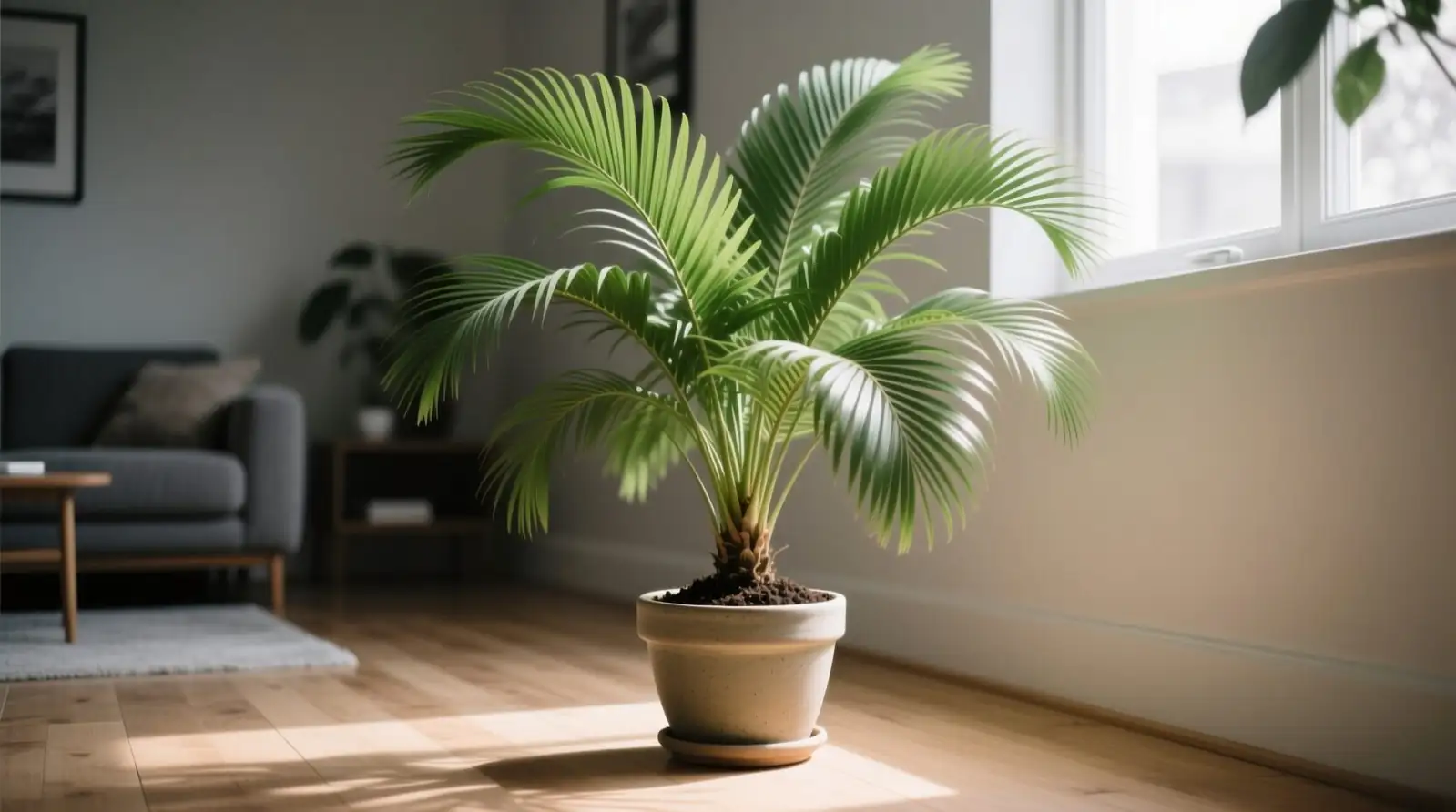
- Place: Bright, filtered light near an east or north window; or step back from a brighter window with a sheer curtain.
- Temperature: Keep steady in the 18–24°C (64–75°F) zone; absolutely above 10°C (50°F).
- Water: Through soak, then let the top 2–3 cm dry; never leave the pot sitting in water.
- Feed: Light liquid fertilizer in spring–early autumn; none in winter.
- Potting: Well-draining mix; repot modestly every 2–3 years.
- Patience: Let the clump mature—blooms are a bonus, not a guarantee.
Troubleshooting bloom no-shows
- Light too low for too long: Move closer to bright, indirect light (still avoid harsh direct sun).
- Cold snaps or drafts: Shift away from doors, vents, and chilly windows.
- Chronic overwatering: Refresh to a faster-draining mix; allow slight surface dry-down.
- Oversized pot: Downsize next repotting plan to a just-right container.
Final word: foliage first, flowers as frosting
Chamaedorea elegans earned its reputation for elegant, feathery greenery that thrives where many palms sulk. When it does decide to bloom, it whispers rather than shouts—little golden sprays that say the room’s conditions suit it just fine. Give it gentled light, steady warmth, and an easygoing care routine, and you may catch those quiet parties now and then. Whether you let the stalks linger or snip them for a neat, leafy look is pure personal style—and the parlor palm is perfectly happy either way.