

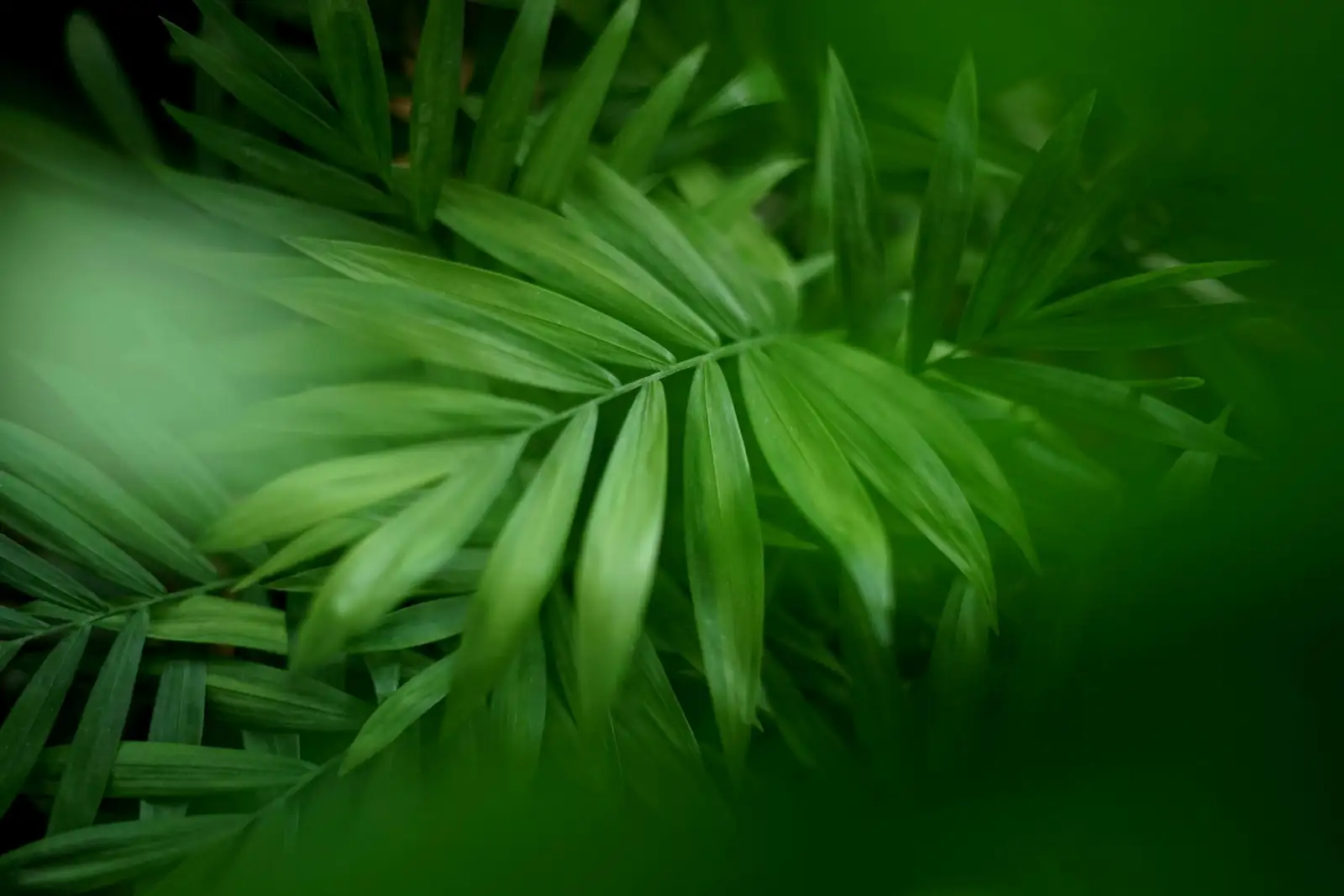
Imagine a tiny, polite rainforest—right on your windowsill. That’s the Parlor Palm (Chamaedorea elegans): a slow, steady, clumping palm that looks best as a “mini palm grove.” Here’s the fun secret behind that lush look: growers often pot multiple seedlings together. It’s not a trick—it’s a design choice that plays beautifully with the plant’s natural clumping habit. Let’s unpack why that works, what it means when repotting, and whether you should ever pull those stems apart.
Meet the clumper: what “clumping” really means
In the wild understory of southern Mexico and Guatemala, Parlor Palm grows as a tidy clump—many slender stems rising from the base, each topped with soft, feather-like fronds. Indoors, it stays compact (usually 2–4 ft tall and 12–24 in wide) and forms multiple stems over time. But it’s a slow grower, so nurseries speed the full, bushy look by potting several seedlings together—often 4–12—so it reads as a ready-made grove on day one.
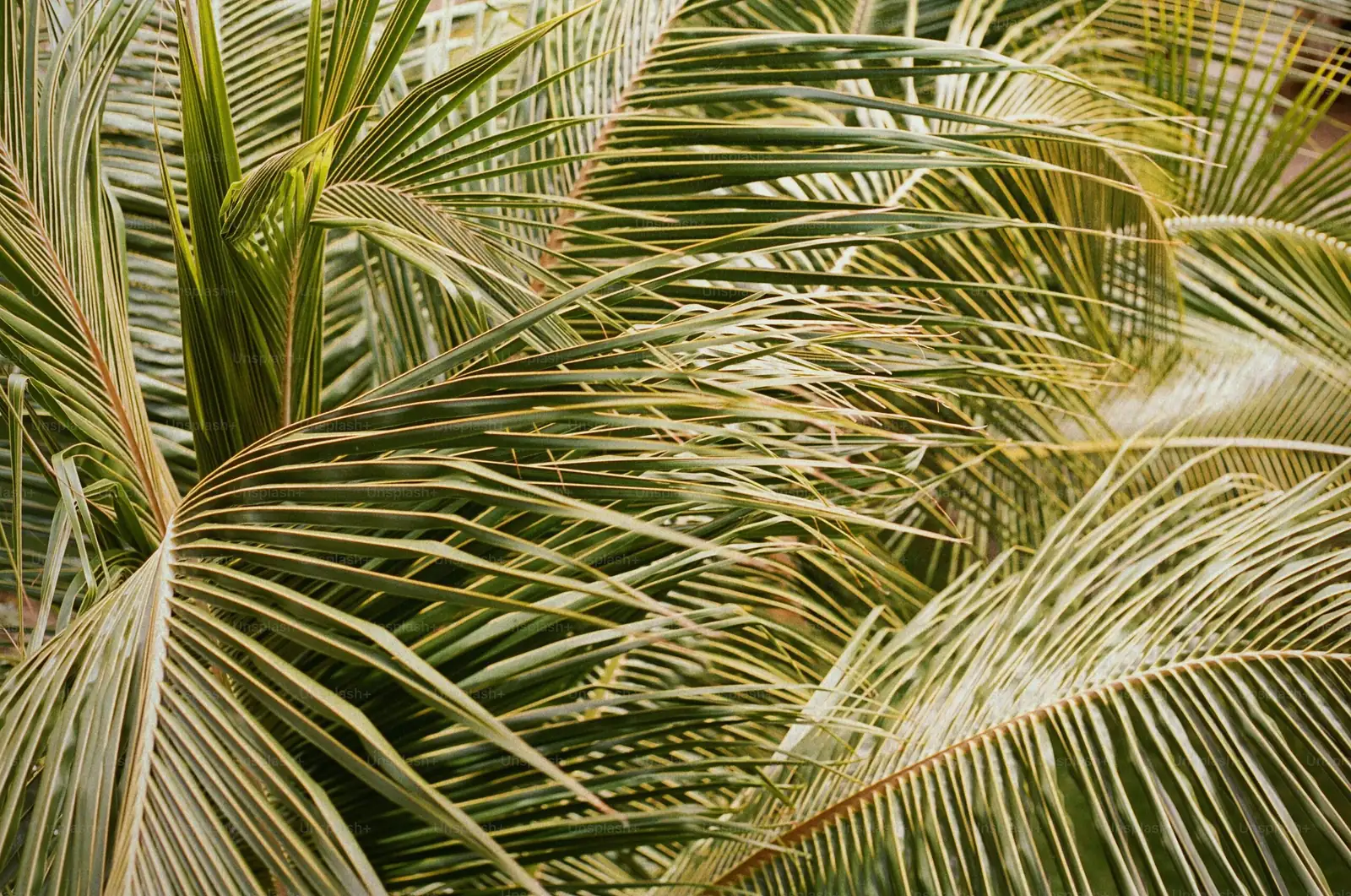
- Natural habit: clumping, upright to arching; multiple stems emerge from the base.
- Display value: multiple seedlings mimic a mature clump—denser, neater, instantly lush.
Why growers pot multiple seedlings together
Think of it as a houseplant ensemble cast: one stem is elegant but minimal; a few together look like a forest scene.
- Fullness now: a single seedling can look sparse for years. A small “community” instantly fills out the pot.
- Visual rhythm: different stem heights give a layered, frondy canopy.
- Insurance policy: if one seedling stalls, others keep the pot looking generous.
- True to character: it mirrors how a mature Parlor Palm naturally forms many stems.
What that means for you at home
Clumps change how you water, repot, and (maybe) divide.
- Watering: more roots share the pot, so the surface may dry a touch faster—yet the base can still stay moist. Water thoroughly, then let the top 1 in (2–3 cm) dry before watering again. Never let it sit in water; soggy soil is this palm’s nemesis.
- Light: bright, filtered light keeps fronds dense and glossy. It tolerates medium to low light but will grow slower and look a bit thinner—one reason “multi-seedling pots” are so popular.
- Temperature: aim for 64–75°F (18–24°C). Keep above 50°F (10°C) to avoid cold damage.
- Humidity: average home humidity is fine; a pebble tray or occasional misting helps in dry months.
Repotting a multi-seedling palm—how to keep the grove vibe
This palm is happy slightly snug. Repot gently every 2–3 years in spring or when truly rootbound.
Your step-by-step
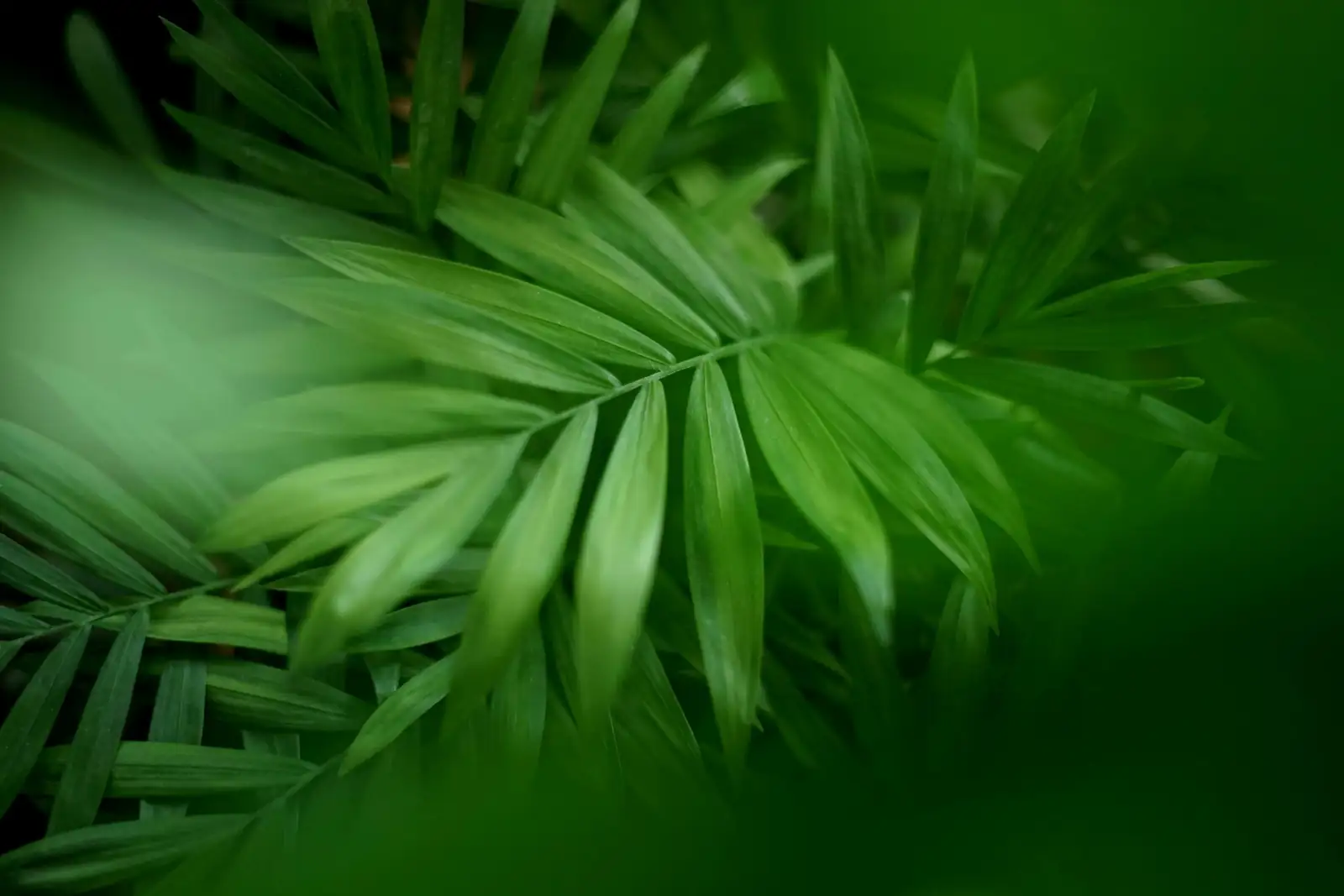
- Choose a pot just 1–2 in (2–5 cm) wider, with drainage holes. Overpotting invites rot.
- Use a loose, well-draining houseplant mix (all-purpose mix with perlite/coarse sand and a bit of bark is great).
- Slide out the rootball carefully. Don’t yank by stems.
- Tease only the outer roots lightly; don’t break up the clump unless you mean to divide.
- Set the clump at the same depth as before, backfill, water thoroughly, and drain well.
- Keep warm and slightly on the dry side for a couple of weeks while roots re-establish.
Pro-tip: Resist trimming healthy roots or green fronds. Remove only fully brown/yellow fronds at the base.
Divide…or not? A decision guide
Division is possible—but not always advisable. Think of it as minor surgery.
- Best reasons to divide:
- The pot is overpacked and airflow is poor.
- You want multiple smaller plants to share or style separately.
- Reasons to keep it together:
- You love the full, grove-like look (most people do).
- The plant is still small and not firmly rooted in distinct clumps.
- It’s autumn/winter or the plant is stressed (cold, pests, recent overwatering).
Bottom line: Division is best done in spring, and only if you can separate distinct sections with roots intact. Expect a slower recovery.
How to divide a Parlor Palm (only if you must)
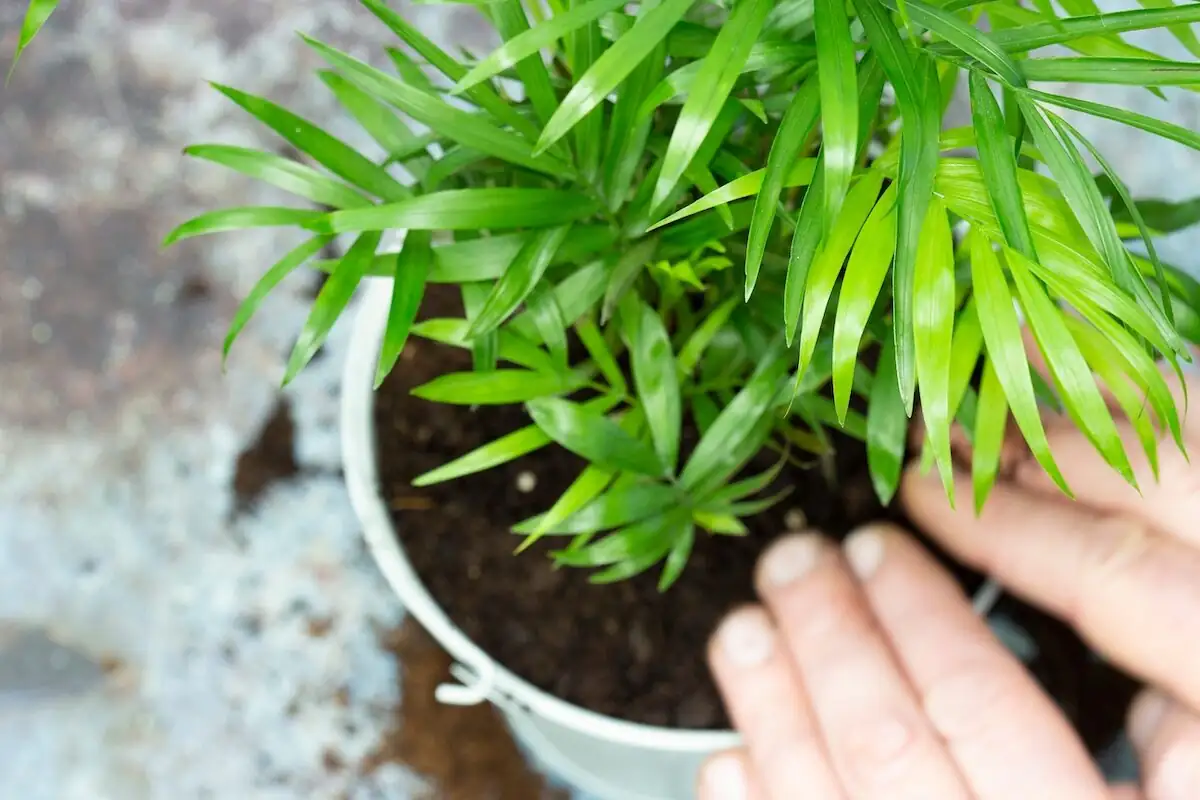
- Water 24 hours before to reduce stress.
- Unpot and lay the clump on its side. Gently loosen the mix to reveal natural separations.
- Identify sections with their own roots. Avoid splitting a single rooted stem.
- Use clean, sharp pruners to cut only where necessary—and minimally.
- Pot each division into a snug, well-draining mix at the original depth.
- Water to settle, drain thoroughly, and keep warm in bright, indirect light.
- Baby them: higher humidity, careful watering (slightly drier between sips), and no fertilizer until you see new growth.
If you’re nervous about shock or you prize fullness, skip division and upsize the whole clump instead.
Not into division? Do this instead
- Refresh the top few inches of mix yearly to boost drainage and nutrients.
- Pot up the entire clump by one size in spring.
- Thin only dead or damaged stems at the base to keep it tidy.
The clump-care cheat sheet
- Light: bright, indirect; tolerate medium–low.
- Water: soak, then let top 1 in dry; never waterlog. Reduce in winter.
- Soil: airy, fast-draining mix; pot with drainage.
- Feed: in spring–early autumn, either monthly at label rate or every 2 weeks at half strength. Pause in winter.
- Prune: remove brown or broken fronds at the base only.
- Pests: watch for spider mites, scale, and mealybugs—clean leaves and treat early.
Styling your “mini palm grove”
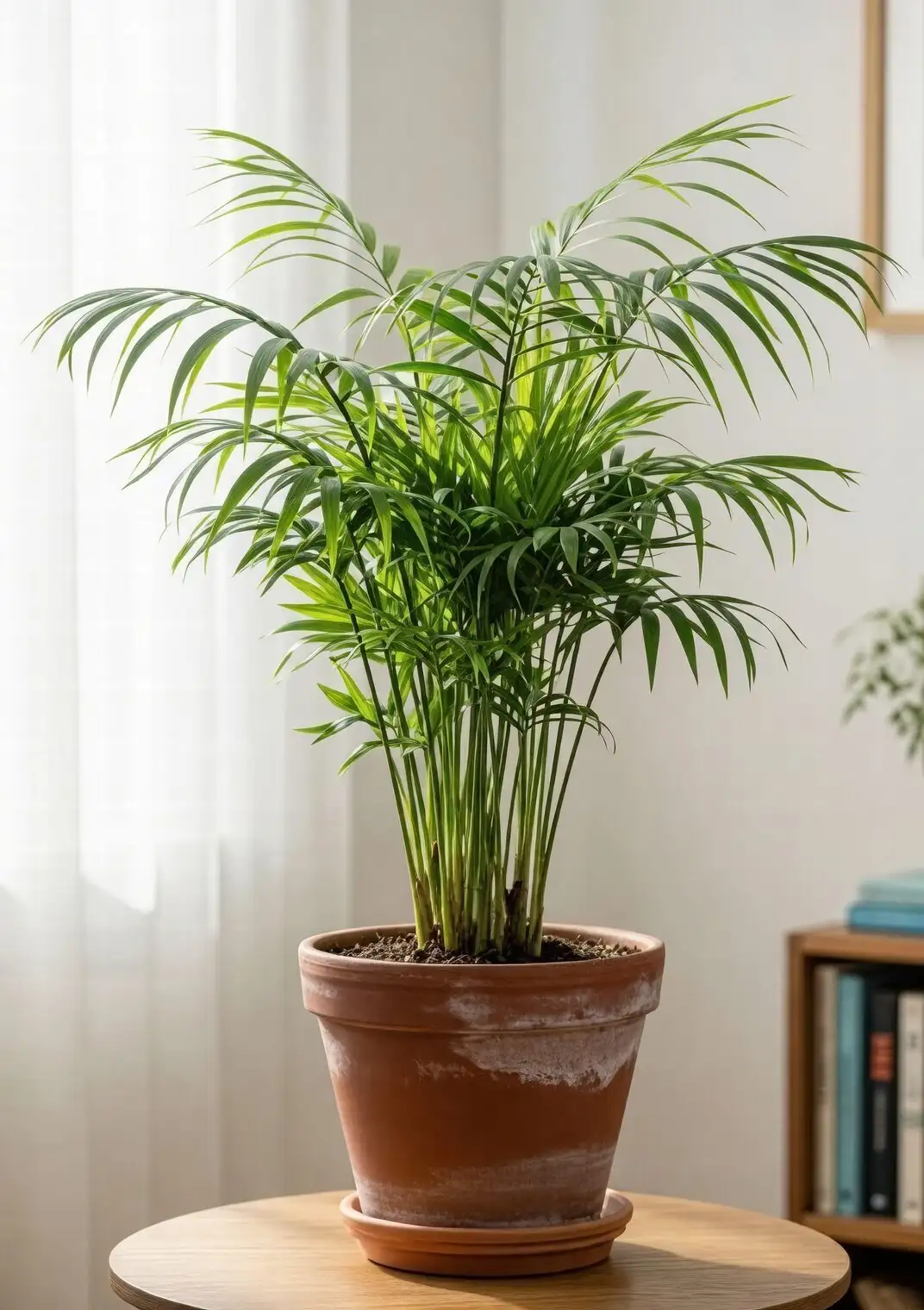
- Tabletop jungle: a 6–10 in pot brimming with multiple seedlings looks like a bonsai rainforest.
- Group dynamics: pair with ferny textures or broad-leaf understory plants to echo its forest origins.
- Light play: near an east window or a few feet back from a bright south/west window behind a sheer curtain for the richest green.
Will it flower?
Sometimes! Mature plants can send out dainty sprays of yellowish flowers indoors—more of a botanical bonus than a main event. Enjoy the surprise; the foliage is the real star.
Safety, symbolism, and a dash of history
- Pet-safe: generally non-toxic to cats and dogs—still, discourage nibbling.
- Symbolism: long linked with welcome, grace, and everyday elegance—hence its “good luck” moniker. Its Victorian fame came from thriving in dim parlors, earning a reputation for resilience and poise that still fits modern homes.
Quick FAQs about clumps
- My clump looks thinner over winter. What gives?
- Lower light slows growth. Move it to the brightest safe spot and wait for spring to thicken up.
- The pot dries fast at the top but stays wet below—help!
- That’s classic for dense clumps. Poke a moisture check hole or use a moisture meter; water only when the top 1 in is dry and the pot feels lighter.
- Can a clump grow in water?
- Yes, hydro-style is possible. Rinse off soil, keep roots submerged but the stem base above water, refresh water often (every 3–5 days in summer; 10–15 days in cooler seasons), and add a small dose of hydroponic nutrient once stable.
The takeaway: Parlor Palm is a natural clumper—and potting several seedlings together simply turns up the volume on what it already wants to be. Keep the grove intact for maximum fullness, repot modestly and patiently, and only divide when the roots clearly tell you where. Do that, and your palm will keep its easy, evergreen composure for years.