


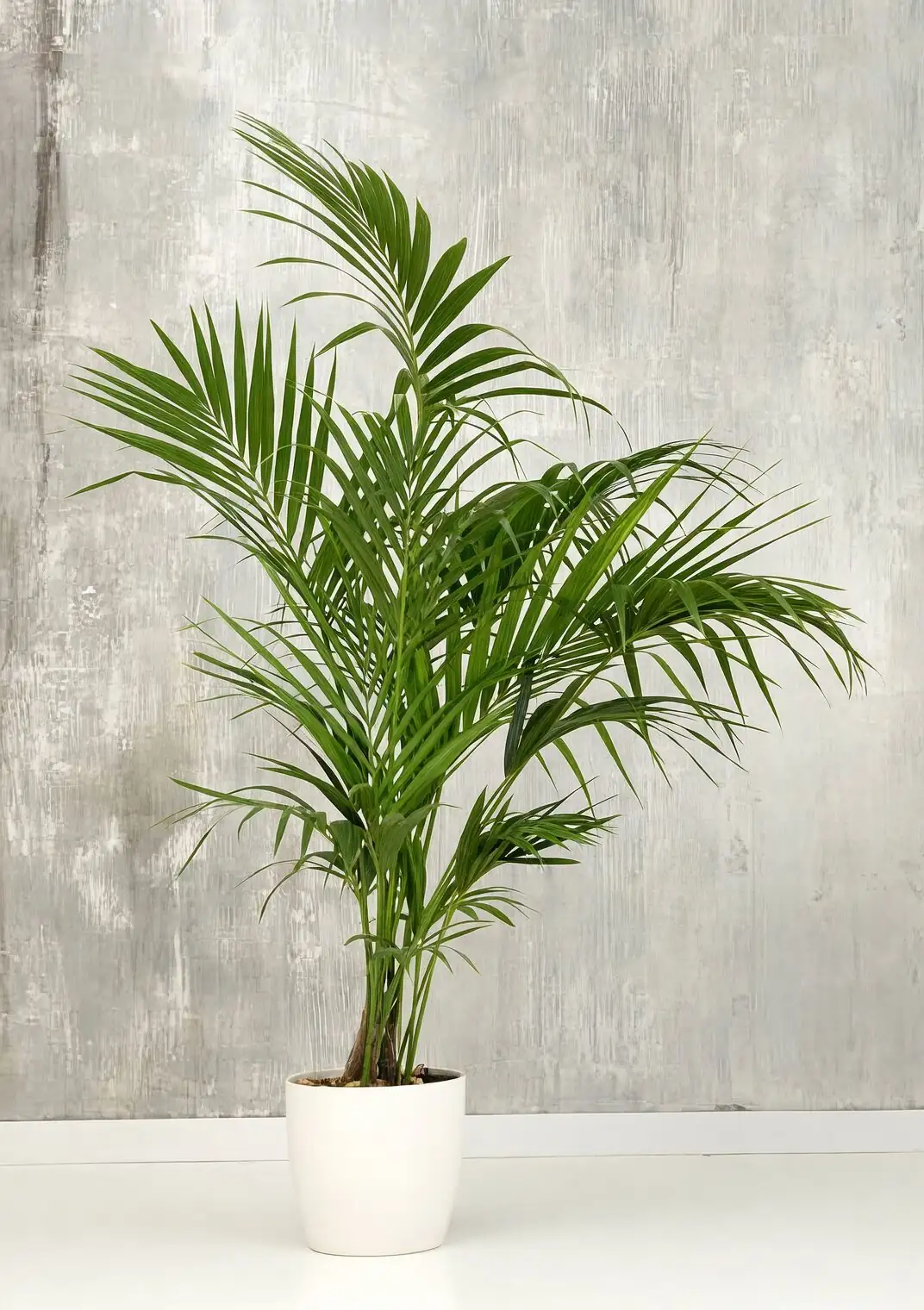
Meet your gentle, jungle-born understory palm that thrives on rhythm, not guesswork. Chamaedorea elegans (Parlor Palm) likes its roots moist but never mucky, its light filtered but bright, and its seasons respected. Here’s a practical, touch-and-check watering routine that works year-round—and how to tune it for your room’s temperature, pot, and potting mix.
The two-touch watering routine (simple, fast, reliable)
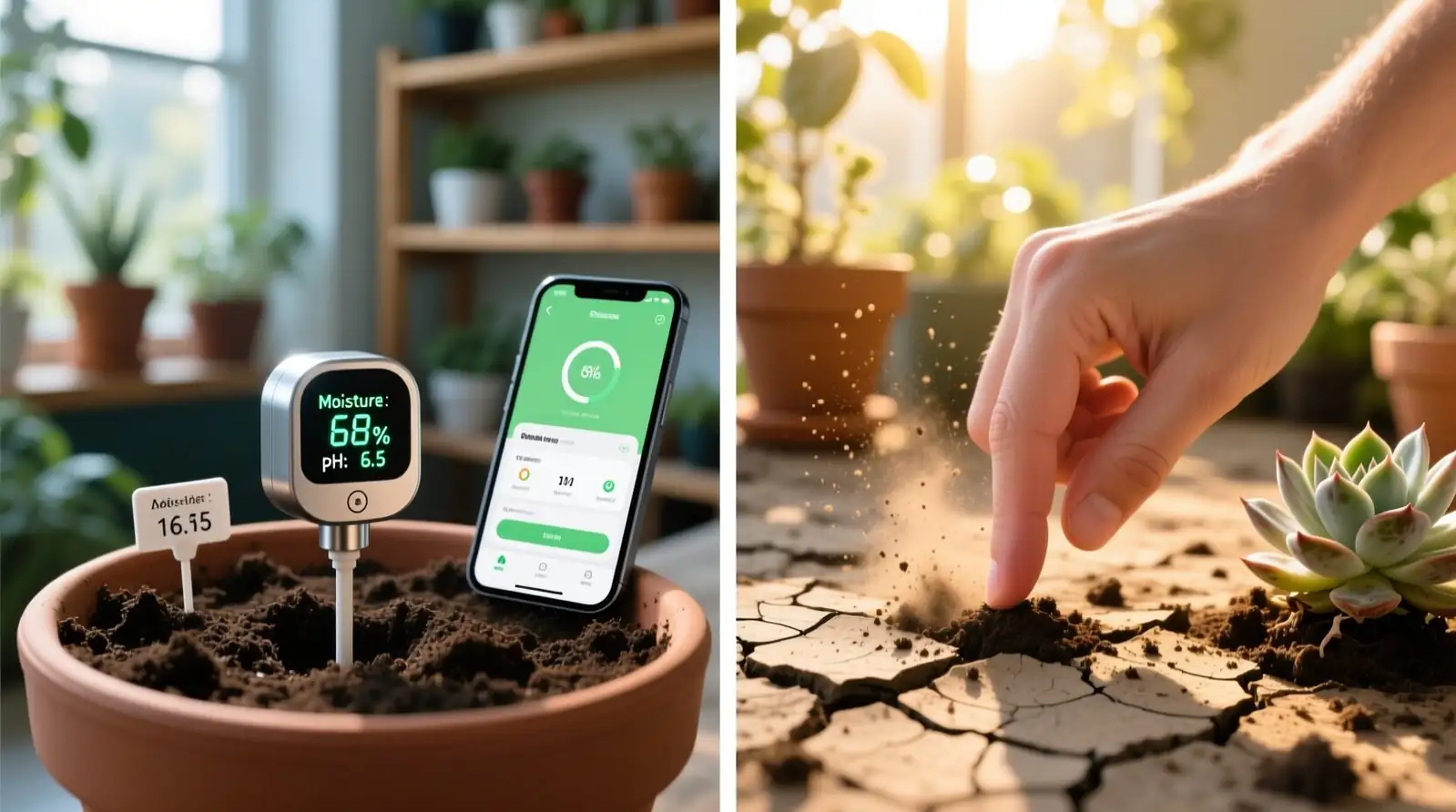
Use this every time you think about watering. It’s quicker than a moisture meter and more accurate for this palm.
1) Topsoil test (Touch 1)
- Press a finger into the mix to 2–3 cm (about 1 inch).
- If it feels dry at that depth, watering is due. If it still feels cool or slightly damp, wait and recheck in 2–3 days.
2) Pot weight check (Touch 2)
- Lift the pot. Light pot = most of the water is gone; heavy pot = still plenty inside.
- Not a lifter? Slide in a wooden chopstick. If it comes out mostly clean and dry after 10–15 minutes, it’s time to water.
How to water:
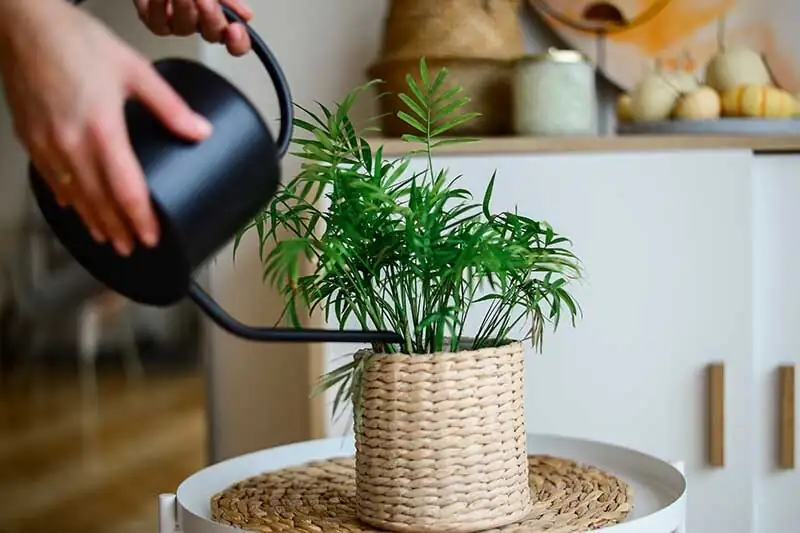
- Water thoroughly until 10–20% drains from the bottom, then empty the saucer. Never let the pot sit in water.
- Use room-temperature water. If leaf tips brown easily, try filtered or rainwater to reduce mineral buildup.
Target feel between waterings:
- Spring–summer: evenly moist but never soggy.
- Autumn–winter: slightly drier; let the mix dry a bit more beyond that first 2–3 cm, but don’t keep it bone-dry for long.
How often, realistically? A seasonal rhythm you can trust
Every home is different, so think in ranges and confirm with the two-touch test.
- Spring (growth restarting; brighter days)
- Typical: every 7–10 days
- Let the top 2–3 cm dry, then water thoroughly.
- Summer (warm, active growth)
- Typical: every 5–9 days
- Warmer rooms and brighter light mean faster drying. Don’t let it crisp out entirely.
- Autumn (light fades; growth slows)
- Typical: every 10–14 days
- Stretch intervals slightly; keep the mix lightly moist, not wet.
- Winter (cooler, dimmer)
- Typical: every 14–21 days
- Brightest safe spot; keep above 10°C/50°F (it looks best above ~15°C/59°F). Let the top layer dry a bit more before watering.
These timelines assume a well-draining indoor mix, a room around 18–24°C (64–75°F), and a pot 15–25 cm (6–10 in) across.
Your anti-soggy toolkit: five rules that prevent root rot
1) Drainage first
- Always use a pot with holes. If it sits inside a decorative cachepot, lift and empty any runoff after every watering.
2) Right mix for this palm
- Use a loose, fast-draining houseplant blend. A reliable recipe:
- 2 parts high-quality indoor potting mix
- 1 part perlite or coarse sand
- 1/2–1 part fine orchid bark (optional but great for aeration)
- Heavy, compacted mixes = yellowing leaves and root rot.
3) Water deeply, then wait
- Fully saturate, then wait until the top 2–3 cm are dry before the next round (a bit more in winter). Avoid frequent sips.
4) Mind the pot size
- When you repot (every 2–3 years in spring), size up just 2–5 cm (1–2 in). Overpotting keeps soil wet for too long.
5) Keep it warm, not wet and cold
- Cool + wet soil is the classic root-rot combo. Keep above 10°C/50°F (preferably 18–24°C/64–75°F) and reduce watering in dim, cool rooms.
How temperature, light, pot, and mix change your schedule
Think of these as dials you can turn to keep soil in the “evenly moist, never soggy” zone.
- Temperature
- Warmer (25–30°C/77–86°F): water more often; check sooner after watering.
- Cooler (15–18°C/59–64°F): stretch intervals; let the top layer dry a bit more before watering.
- Brief hot spells up to ~35°C/95°F are OK if humidity is higher and you don’t let the root ball bone-dry.
- Light
- Bright, indirect light = faster use of water. Near an east window or a sheer-filtered south/west window is perfect.
- In low light, growth slows and the mix stays wet longer. Be patient and water less frequently.
- Humidity and airflow
- Moderate humidity is ideal. Very dry air speeds up drying and can crisp tips—consider a pebble tray or humidifier.
- Good airflow helps dry the surface (great) but won’t fix waterlogged soil (only drainage and pot size do that).
- Pot and material
- Terracotta breathes and dries faster (more frequent watering).
- Plastic/glazed pots hold moisture longer (less frequent watering).
- Narrow, deep pots stay wetter in the core; wide, shallow pots dry faster.
- Potting mix texture
- Airy, gritty = drains faster (you’ll water a bit more often).
- Peat-heavy, dense = retains water (you’ll water less often—but risk overdoing it).
Water quality and technique that palms appreciate
- Use room-temperature water. Cold water can shock roots.
- If you see brown tips, try filtered or rainwater and flush the pot thoroughly every 1–2 months to remove salts—then drain fully.
- Water at the soil, not over the fronds, especially in cool conditions to discourage leaf spots.
Quick troubleshooting by touch and sight
- Too dry, too long
- Symptoms: limp or crisping leaf tips, fronds losing luster, pot very light.
- Fix: Soak thoroughly, then return to the two-touch rhythm.
- Too wet, especially in cool rooms
- Symptoms: yellowing lower leaves, sour-smelling soil, pot stays heavy for many days.
- Fix: Improve light and warmth, let the top layer dry more, ensure drainage, consider repotting into a looser mix if roots are struggling.
- Tip burn, even with good watering
- Likely dry air or mineral buildup. Increase humidity slightly and switch to filtered/rainwater.
Light and placement that keep fronds lush
- Best: bright, indirect light—think gentle “understory” light.
- Accepts: medium to low light (growth slows, looks a bit thinner).
- Avoid: harsh midday sun on leaves; use a sheer curtain (about 30–50% shade).
- Keep away from heating vents and AC drafts.
Feeding, pruning, repotting (fast facts)
- Feeding
- During active growth (spring to early autumn): balanced liquid fertilizer either monthly at normal strength or every 2 weeks at half strength.
- Stop feeding in winter or any time growth slows.
- Pruning
- Remove fully brown, yellow, or broken fronds at the base with clean pruners. Don’t trim green tissue.
- Repotting
- Every 2–3 years in spring or when rootbound. Size up modestly; always use a pot with drainage.
A targeted first-month routine (new plant, no guessing)
Week 1: Place in bright, filtered light; don’t fertilize yet. Check soil with the two-touch method; water only when the top 2–3 cm are dry.
Week 2: Recheck drainage (no water left in the cachepot or saucer). Note how many days it took to dry—this becomes your initial interval.
Week 3: If the interval felt too fast or slow, tweak the environment: add perlite at the next repot, move slightly closer to light, or switch pot material.
Week 4: If you see new growth, begin gentle feeding on your chosen schedule.
Hydro-style water culture (optional, tidy, and doable)
- Gently wash soil off the roots and trim any rot. Keep the stem base above the waterline.
- Refresh water frequently: every 3–5 days in summer, every 10–15 days in cooler seasons.
- Once stable, add a small dose of hydroponic nutrient. Keep roots clean and well oxygenated.
Pests and peace-of-mind safety
- Pests to watch: spider mites (especially in dry air), scale, mealybugs, occasional thrips. Treat early with insecticidal soap or horticultural oil and repeat as needed. Keep leaves clean and air moving.
- Pet-safe: generally considered non-toxic to cats and dogs. Still discourage nibbling.

Why it’s called “Good Luck Palm” and what that really means
Parlor Palm rose to fame in Victorian parlors for one simple reason: it handled indoor life with grace. Over time, it picked up associations with welcome, everyday elegance, and good fortune—“good luck” as in long-lived, steady presence rather than a mystical guarantee. If there’s a flower language for this palm, it’s about quiet vitality and youthful poise: a plant that looks fresh for years when you respect its rhythm.
One-page seasonal cheat sheet
- Spring
- Let the top 2–3 cm dry; water thoroughly.
- Bright, filtered light; restart light feeding.
- Summer
- Check sooner; warmth speeds drying.
- Never let roots sit in runoff; raise humidity if air is very dry.
- Autumn
- Slightly longer intervals; same two-touch test.
- Keep filtered light strong.
- Winter
- Brightest safe spot. Above 10°C/50°F (ideally 15–24°C/59–75°F).
- Water sparingly; stop feeding.
Keep it warm, give it dappled light, and follow the two-touch routine. Your Chamaedorea elegans will repay you with feathery fronds and a calm, tropical feel—no soggy roots, no guesswork.