

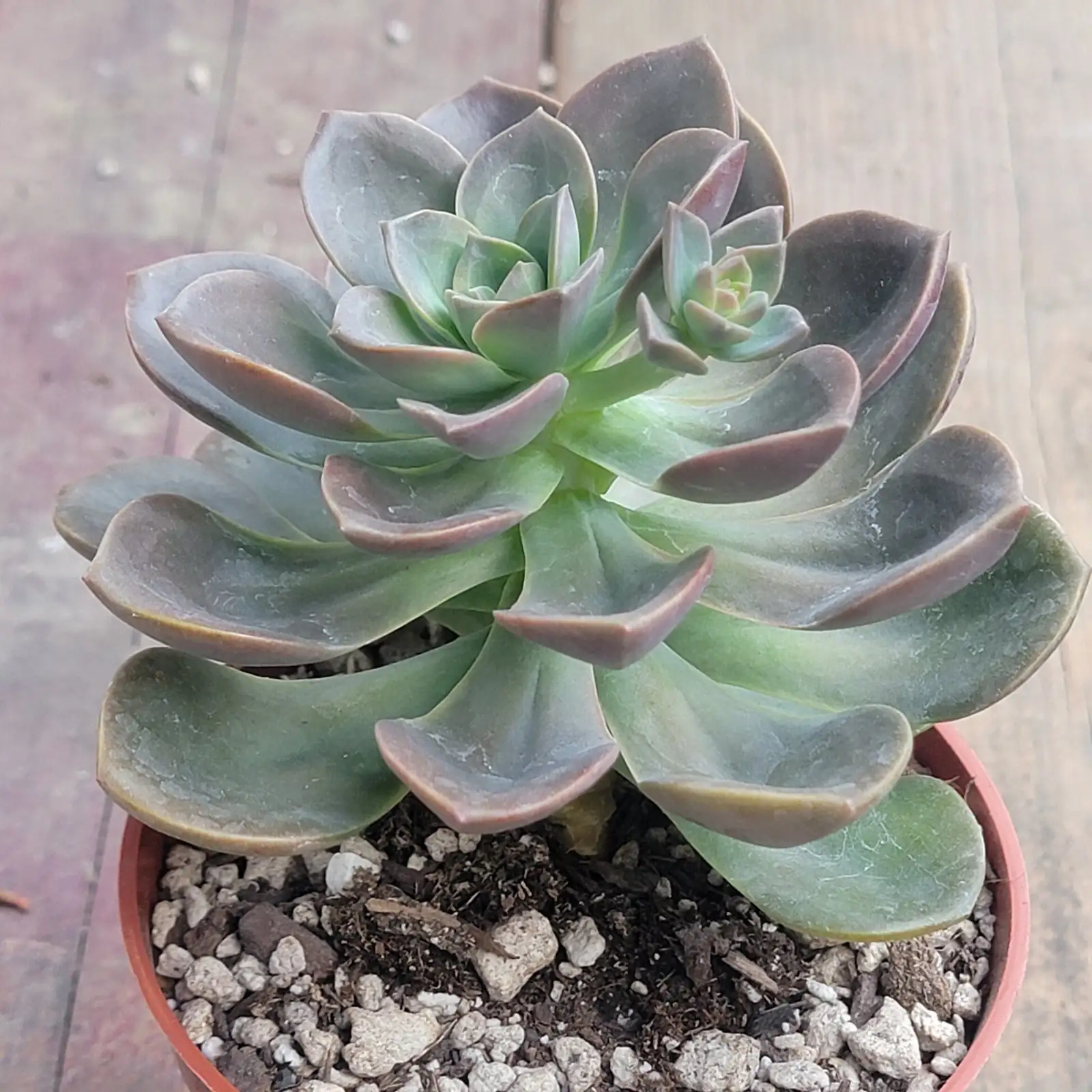
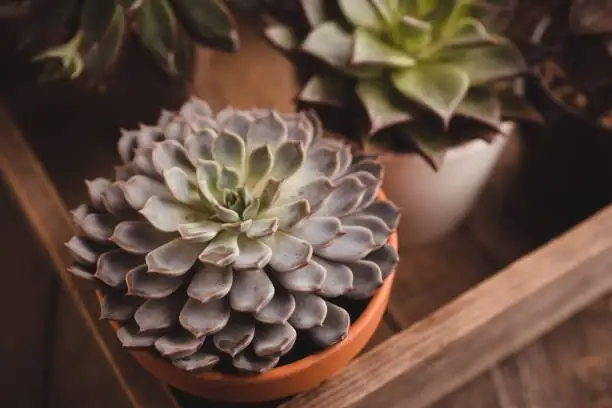
If your Echeveria were a tiny sundial, its rhythm would tick to the arc of daylight and the swing of temperature. Use that rhythm to choreograph watering, feeding, pruning, and repotting so your rosette stays tight, blue‑green, and edged with that coveted burgundy blush.
How to use this calendar
- Who it’s for: Echeveria sp. (Crassulaceae), the rosette succulents often sold as hens and chicks/Mexican snowball. Many are unnamed hybrids, but their seasonal needs are remarkably similar.
- Light baseline: Bright light to full sun; aim for 4–6+ hours daily. Indoors, use the brightest window (south or west in the Northern Hemisphere) or strong grow lights with airflow.
- Temperature baseline: Best growth at 15–27°C (59–81°F). Protect from frost; keep above 5°C (41°F).
- Watering method: Soak-and-dry—water thoroughly, then let the mix dry out completely. Keep water out of the rosette and never let the pot sit in water.
- Soil and pot: Very fast-draining cactus/succulent mix boosted with pumice or perlite; a gritty, mineral-leaning blend helps. Terracotta speeds dry-down.
- Fertilizer: Light feeding in spring and summer only, using a low‑nitrogen cactus/succulent fertilizer at 1/4–1/2 strength every 4–6 weeks. Skip in winter.
- Hemisphere note: Months below follow a typical Northern Hemisphere temperate year. In the Southern Hemisphere, swap seasons (e.g., March ↔ September). If you grow under lights, align “seasons” to your light/temperature settings.
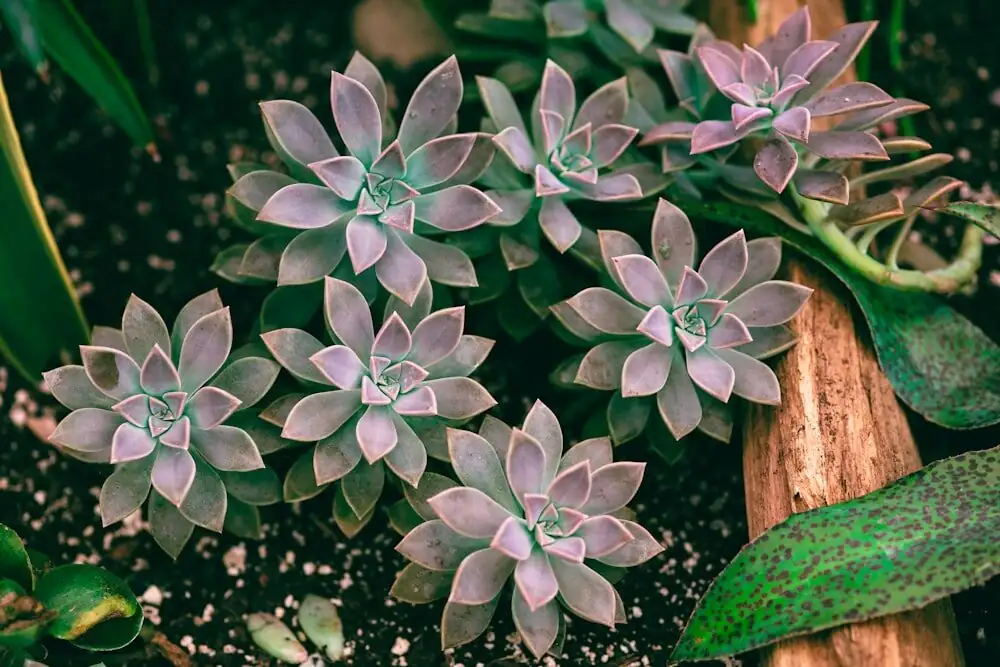
Month‑by‑month care, synced to daylight and temperature
January
- Seasonal cue: Shortest days, coolest rooms; growth idles.
- Light: Move as close to the brightest window or grow lights as possible; 12–14 hours under LEDs keeps rosettes compact.
- Watering: Every 3–5 weeks, only after the mix is bone dry. Cool + short days = slow drinking.
- Fertilizer: None.
- Pruning: Gently peel away crisp, dead lower leaves (don’t tug healthy ones).
- Checks: Scout for mealybugs tucked into leaf joints; improve airflow in stuffy rooms.
February
- Seasonal cue: Daylength inches up; temps often still low.
- Light: Maintain max brightness; rotate the pot weekly for even symmetry.
- Watering: Still on a 3–5‑week cadence; test with a dry wooden skewer or moisture meter.
- Fertilizer: None.
- Pruning: Tidy spent or blemished leaves; avoid rubbing off the protective farina.
- Prep: List repotting supplies (gritty mix, terracotta, top‑dressing) for spring.
March
- Seasonal cue: Rapidly lengthening days; growth begins to stir.
- Light: Start hardening off outdoors on mild days if frost‑safe—dappled sun first, then gradually brighter.
- Watering: Typically every 2–3 weeks as light/temps rise; still wait for a full dry-down.
- Fertilizer: If new growth is visible, give the first light feed at 1/4–1/2 strength.
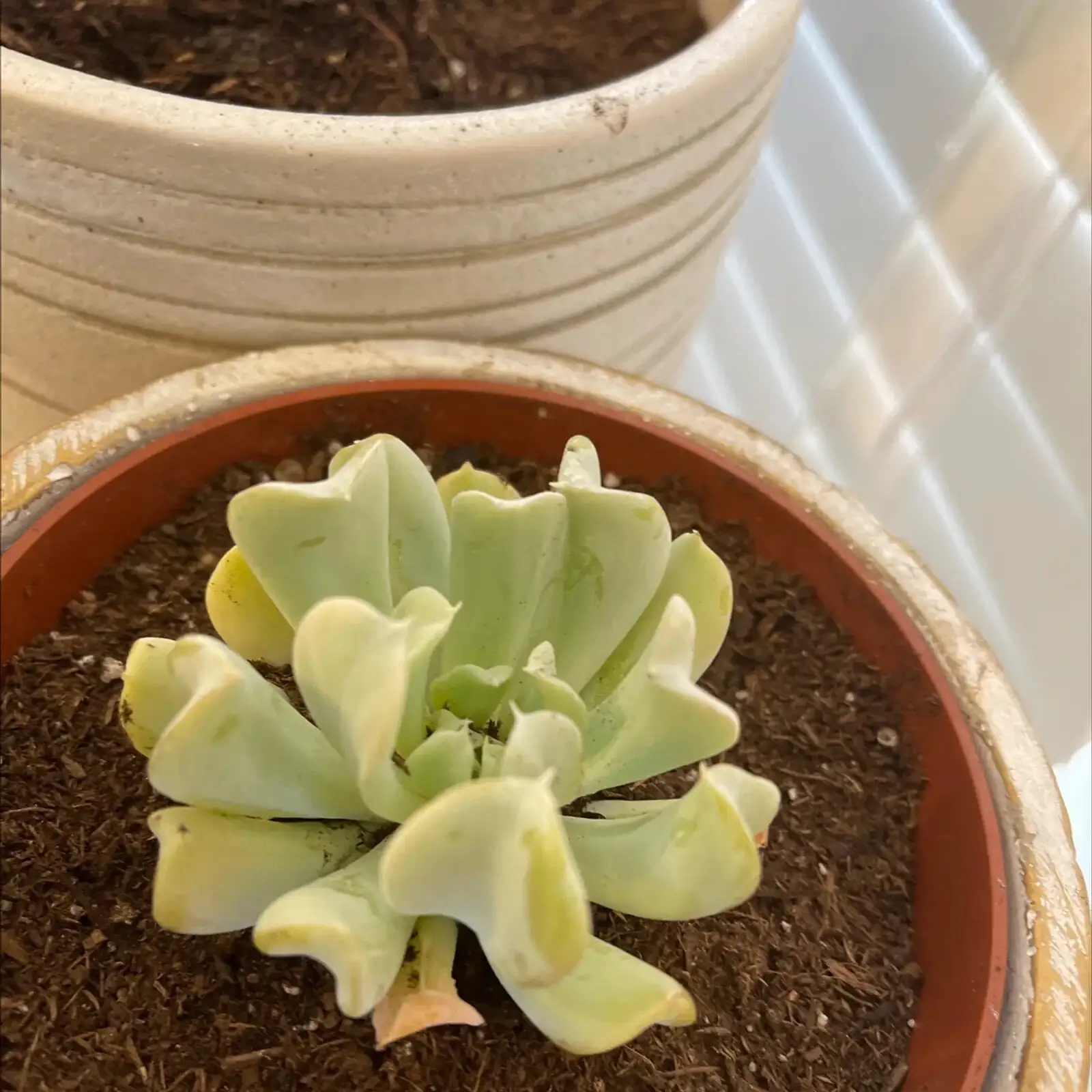
- Repotting: Prime window opens. Repot if roots are circling or the mix has compacted. After repotting, wait 3–7 days before watering so roots can callus.
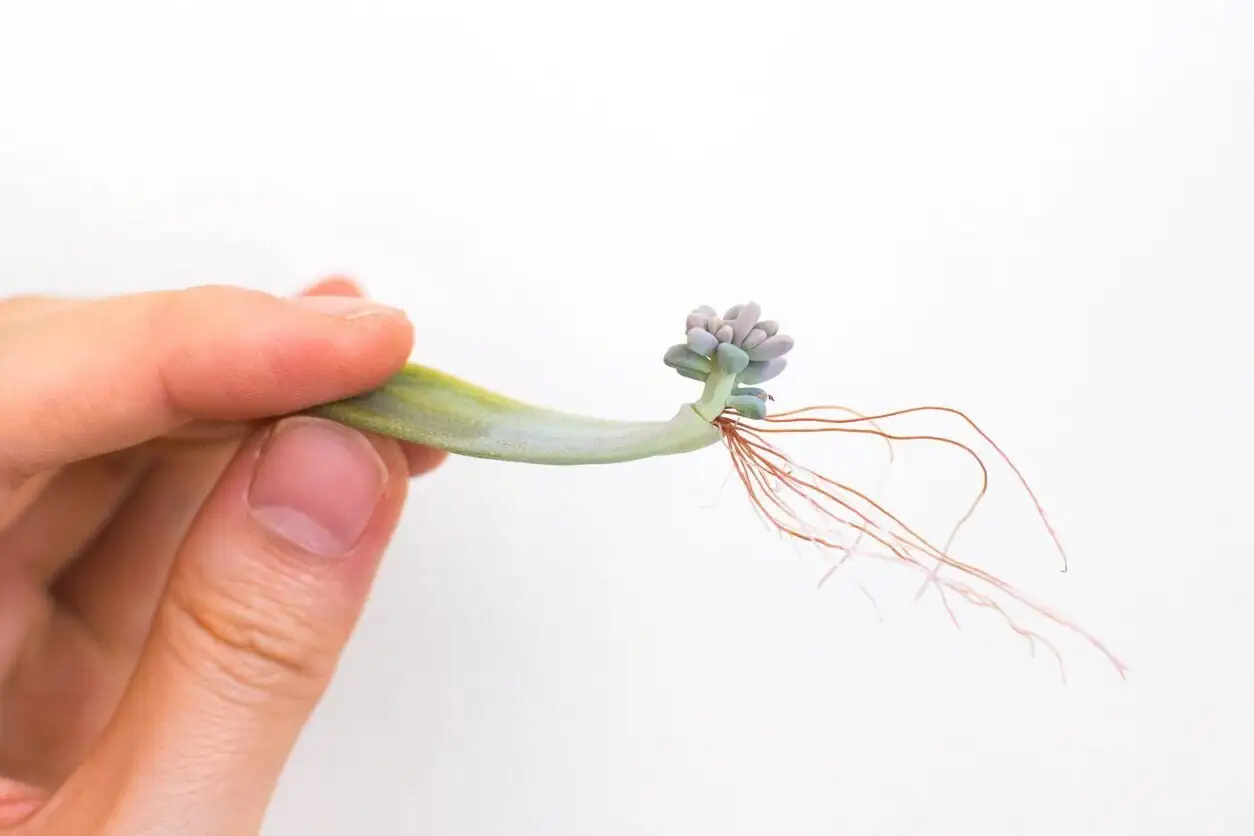
- Propagation: Begin offsets and leaf cuttings; let cut surfaces callus 2–5 days before setting on a dry mix.
April
- Seasonal cue: Longer, warmer days fuel steady growth.
- Light: Increase outdoor sun exposure gradually to build color without sunburn.
- Watering: About every 10–14 days in bright, warm conditions; still observe soak‑and‑dry.
- Fertilizer: Feed once this month (1/4–1/2 strength).
- Pruning: Remove any winter raggedy leaves; keep the crown clean and dry.
- Repotting: Excellent month to upsize or refresh soil.
May
- Seasonal cue: Stable warmth; buds may form soon.
- Light: Full morning sun with light midday shade in hot regions; indoors, keep to the brightest pane.
- Watering: 7–12 days is common as growth peaks and mixes dry faster.
- Fertilizer: One feeding (1/4–1/2 strength).
- Propagation: Leaf, offset, or stem cuttings (“beheading”) to fix legginess; both top and stump can re‑root.
- Health: Watch for aphids if flower stalks appear.
June
- Seasonal cue: Year’s longest days; Echeveria often sends up pink flower stalks now.
- Light: Strong light is essential for compact form and burgundy edges; provide airflow and a touch of midday shade in extreme heat.
- Watering: Typically every 7–10 days; heat can speed evaporation, but never water on a schedule—only when fully dry.
- Fertilizer: One feeding (1/4–1/2 strength).
- Pruning: None yet, but support or gently stake tall bloom stalks if needed.
- Weather watch: Shelter from heavy rain to avoid waterlogged soil.
July
- Seasonal cue: Peak summer; some plants pause in extreme heat.
- Light/heat: Ventilation is your best friend. Offer light midday shade if leaves feel hot to the touch.
- Watering: 7–12 days in dry heat; in humid heat, the mix can stay wet longer—be conservative. If growth slows, space waterings further.
- Fertilizer: Feed once if growth is active; skip if heat has slowed the plant.
- Pruning: Remove any sun‑scorched leaves quickly to prevent pest harbors.
August
- Seasonal cue: Still bright and warm; blooms often continue.
- Light: Maintain strong light; avoid sudden shifts that cause sunburn.
- Watering: 7–12 days, always guided by dryness.
- Fertilizer: Your final summer feed (1/4–1/2 strength) this month.
- Pruning: As flower stalks finish, cut them cleanly at the base.
September
- Seasonal cue: Noticeably shorter days and cooler nights; growth steadies.
- Light: Ease back into a bit more direct sun if summer shade was heavy.
- Watering: 10–14 days as temperatures moderate.
- Fertilizer: Generally stop now; allow the plant to wind down.
- Repotting: If you must split clumps, do it early in the month so roots establish before cold. Spring is still safer.
October
- Seasonal cue: Daylength drops fast; indoor move‑in for cold regions.
- Light: Claim the brightest window or set up grow lights with good airflow.
- Watering: Shift toward 2–3 weeks between drinks, always after full dry-down.
- Fertilizer: None.
- Pruning: Final tidy of spent bloom stalks and dry basal leaves.
- Cold prep: Keep above 5°C (41°F); protect from frost, drafts, and cold, wet soil.
November
- Seasonal cue: Short days; cool rooms; semi‑rest.
- Light: Maximize brightness to prevent etiolation.
- Watering: Every 3–4 weeks; smaller sips are safer than big soaks in cold rooms.
- Fertilizer: None.
- Health: Monthly pest scan (mealybugs, spider mites in heated, dry rooms).
December
- Seasonal cue: Year’s shortest light; rest continues.
- Light: Bright window or 12–14h under lights; rotate for symmetry.
- Watering: 3–5 weeks; keep the rosette center dry.
- Fertilizer: None.
- Notes: Enjoy the tight, sculptural form—color often deepens with bright, cool, dry conditions.
Seasonal quick‑reference (by cue, not calendar)
- Bright, warm, active growth (roughly spring–summer): Water every 7–14 days; feed lightly every 4–6 weeks; repot/propagate; acclimate gradually to stronger sun; protect from extreme heat and heavy rain.
- Cool, short days, semi‑rest (roughly late autumn–winter): Water every 3–5 weeks; no fertilizer; keep bright and above 5°C (41°F); enhance airflow; prune only dead leaves.
Pruning, propagation, and repotting—timed to the plant’s rhythm
- Pruning
- Routine: Peel away dry lower leaves anytime to improve airflow.
- Post‑bloom: After summer flowering, remove spent flower stalks at the base.
- Propagation
- Leaf cuttings: Detach a clean, intact leaf; let it callus 2–5 days; place on dry, gritty mix; mist sparingly until roots and a pup form.
- Offsets: Lift and pot separately in spring–summer when roots are present.
- Beheading: In spring–early summer, cut a leggy rosette; let the cut callus; re‑root in a fast‑draining mix. The stump often sprouts offsets.
- Repotting
- Best timing: Spring, every 1–2 years or when crowded/soil is tired.
- Aftercare: Wait 3–7 days after repotting before watering to let micro‑wounds callus.
- Pot choice: Drainage holes essential; terracotta helps the mix dry evenly.
Light and color finesse
- For tight rosettes and burgundy margins, pair strong light with thorough dry‑downs in a gritty mix. Build sun exposure gradually each spring to avoid sunburn, and add airy midday shade during heat spikes.
Common pitfalls to dodge (any month)
- Overwatering in low light: The fast track to rot. Let the mix dry completely.
- Water caught in the rosette: Can cause rot—direct the stream to the soil line.
- Stagnant, humid air: Invite pests and disease; add airflow.
- Low light: Leads to stretching (etiolation); increase light gradually or supplement with grow lights.
Safety, pests, and placement
- Non‑toxic: Generally considered non‑toxic to people and pets, though nibbling may upset tummies.
- Pests: Mealybugs (leaf axils), aphids on flower stalks, spider mites indoors in hot, dry air. Treat with alcohol swabs, insecticidal soap, or horticultural oil, and correct the underlying care (more light, better drainage, airflow).
- Placement: Sunny windowsill, bright balcony/patio with rain shelter, or under grow lights. Outdoors only in mild climates (approx. USDA 9–11); protect from prolonged cold and winter wet.
A note on “flower language” and meaning
- Symbolism: Echeveria is often linked with enduring love and resilience—its plump, water‑storing leaves keep the rosette composed through dry spells.
- Why it fits: Unlike cut flowers that fade fast, a well‑grown Echeveria keeps its graceful geometry year‑round, then sends up summer bells on pink stems. That ability to conserve, rebound, and still bloom is the heart of its symbolism.
Your rosette’s year at a glance
- Spring: Wake, drink, feed lightly, repot, and slowly chase the sun.
- Summer: Shine, bloom, and breathe—strong light, steady dry‑downs, light shade and ventilation in heat.
- Autumn: Ease off water; stop feedings; savor color as nights cool.
- Winter: Brightness without wetness; long pauses between sips; protect from cold.
Follow the light, respect the temperature, and let the soil go dry between curtain calls—your Echeveria will reward you with a compact, powder‑kissed rosette and summer blooms worthy of center stage.