

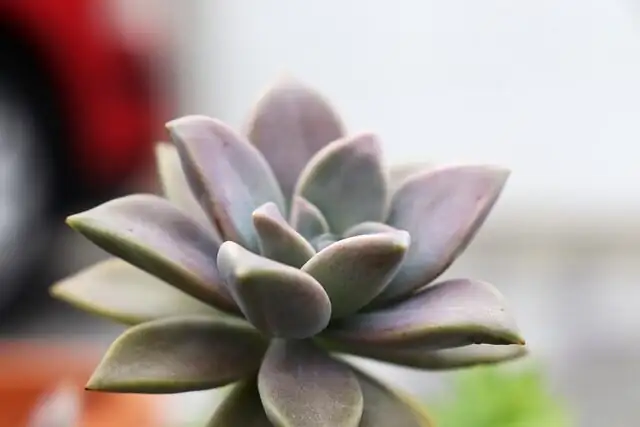
Step onto the balcony with a mug in hand, and your Echeveria sp. will tell you what it needs—if you know how to read its rosette. This is your season-by-season playbook for keeping those blue‑green, powder‑kissed leaves tight, colorful, and rot‑free on patios, decks, and sunny sills—all year long.
Meet Echeveria (aka “Hens and Chicks,” “Mexican Snowball”)
- Native to Mexico and Central America, Echeveria forms compact rosettes (about 10–25 cm wide, 10–20 cm tall).
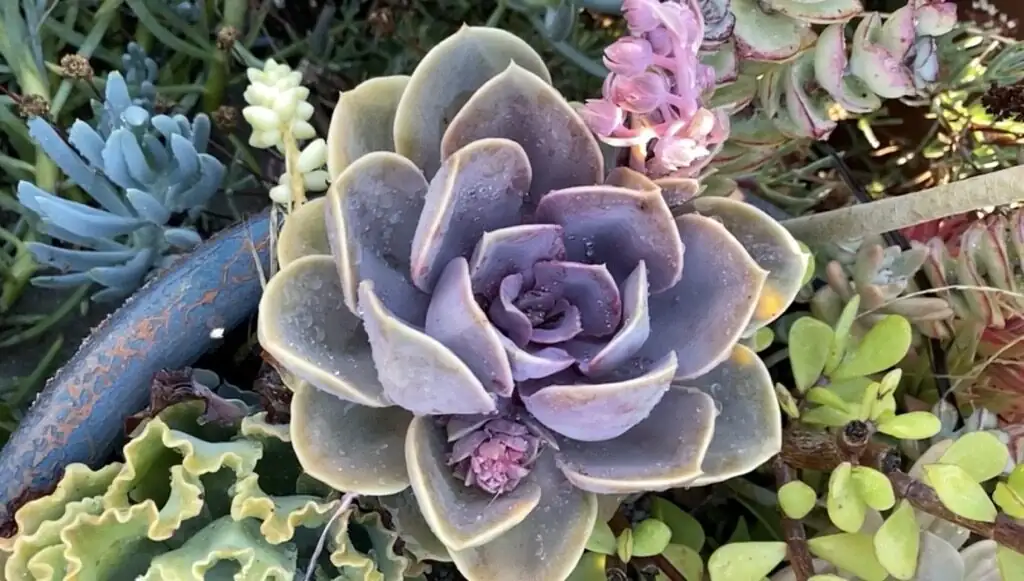
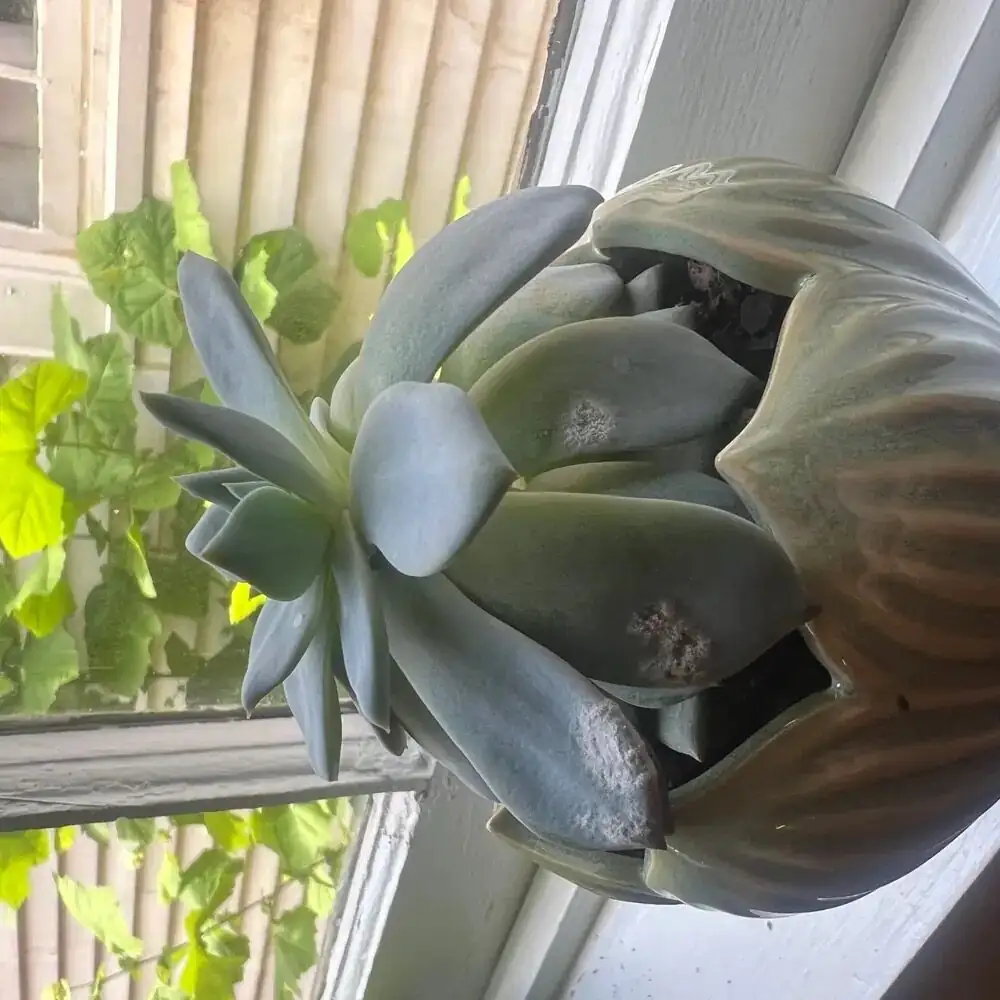
- In strong light, leaf edges often blush burgundy to wine‑red. Many carry a protective, powdery farina—avoid rubbing it off.
- Summer brings pink flower stalks topped with small bells, pink outside and yellow to yellow‑orange inside.
- Best results: strong light (4–6+ hours), “soak and dry” watering, and crisp airflow.
Your Balcony-and-Patio Seasonal Playbook
Spring: Wake-up, shape-up, and sun-up
- Sun acclimation (after winter or a new plant):
- Days 1–3: 1–2 hours of gentle morning sun.
- Days 4–7: add 30–60 minutes every other day.
- Weeks 2–3: aim for 4–6+ hours total (morning sun + bright light the rest).
- Watch for pale bleached patches or crispy tips—dial back if seen.
- Repot if needed (every 1–2 years) into a fast-draining cactus/succulent mix fortified with mineral grit (pumice/perlite). Use a pot with drainage; terracotta dries fastest.
- First feed: a diluted, low‑nitrogen succulent fertilizer (1/4–1/2 strength) every 4–6 weeks through summer.
- Watering ramps up: thoroughly soak, then let the mix dry completely. In bright, mild spring weather this is often every 7–14 days. Keep water out of the rosette center.
Summer: Color without scorch
- Light strategy: full morning sun is gold; offer light midday shade during heat spikes.
- Midday shade “call” if air temps soar and leaf temps feel hot to the touch (especially in west exposures).
- A 30–40% shade cloth, sheer curtain, or the dapple under a pergola prevents sunburn while preserving color.
- Heat and airflow: best growth at 15–27°C (59–81°F). In extreme heat, prioritize ventilation and brief midday shade.
- Space pots so leaves don’t touch; use open, slatted shelves; aim a gentle cross‑breeze.
- Clip‑on or USB fans on covered balconies are game‑changers against rot.
- Watering: still “soak and dry,” but never in the evening during humid spells—morning watering dries faster by nightfall.
- Flower watch: pink stalks attract aphids. Dab with alcohol‑soaked cotton swabs or use insecticidal soap; increase airflow.
Autumn: Color pop and slow-down
- Cool, bright days can deepen burgundy leaf edges—keep the light strong, but reduce watering frequency as days shorten.
- Last rounds of feeding end; let it coast into winter unfertilized.
- Pre‑frost prep: stage plants under eaves or a clear cover so they stay bright but protected from cold rain.
Winter: Bright, cool, and dryish
- Keep above 5°C (41°F). In most climates below USDA Zone 9, move to a very bright indoor window (south or west).
- Water sparingly: often every 3–5 weeks. Leaves should remain firm; if many lower leaves wrinkle at once, water—but only after the mix is fully dry.
- Indoors, run a small fan or crack a window on mild days. Low, stagnant humidity invites rot.
Sun Acclimation, the Smart Way
- After purchase or winter: use the 2–3 week ramp-up above.
- East-facing balconies: often perfect all summer.
- South-facing: great with noon shade during heatwaves.
- West-facing: strong late sun; pair with shade cloth in midsummer.
- Hand‑shadow test: a crisp, dark shadow means high‑intensity light—reduce exposure time at first.
When to Call Midday Shade
- Thermometer hits extreme heat, and the rosette feels hot.
- UV is fierce (clear sky, early afternoon, reflective surfaces like glass/white walls).
- Leaves lighten abruptly or develop dry, tan patches—classic sunburn.
- Plants without much farina need gentler light than heavily frosted types.
Ventilation Tricks for Balconies and Patios
- Create a corridor: align shelves perpendicular to prevailing breezes to promote a cross‑draft.
- Pot spacing: leave at least one rosette’s width between plants.
- Elevate: use pot feet to let bases dry; avoid solid trays that trap humidity.
- Open shelves beat solid benches; avoid tight corners and windless alcoves.
- Gentle fans under covered areas keep leaves dry and pests at bay.
- Groom often: peel away dry lower leaves to improve airflow and remove pest hideouts.
Rainy-Spell Rot Dodge (Your Wet-Weather Game Plan)
- Shelter fast: tuck Echeveria under eaves, a balcony overhang, or a clear polycarbonate/plexi panel. Even a clear storage bin set like a mini roof works in a pinch.
- Soil, the MVP: use a gritty mix that dries evenly—think a cactus blend boosted with 30–70% mineral (pumice/perlite).
- Choose terracotta or breathable pots; always have a drainage hole. Never let pots sit in saucers of water.
- Top‑dress with coarse pumice or gravel to reduce soil splash onto leaves.
- Before a rainy front: skip watering so roots head into wet weather on the dry side.
- After rain: tip the pot slightly to drain any water in the rosette; wick remaining droplets from the center with a corner of paper towel.
- Smell test: if soil smells sour and the base feels mushy, unpot, remove soggy mix, let roots callus 24 hours, and replant into dry, gritty soil. Wait 3–7 days to water.
Frost Thresholds and Cold-Weather Tactics
- Echeveria is generally not frost‑hardy (approx. USDA Zones 9–11). Protect from frost; keep above 5°C (41°F).
- Sudden cold snap? Move plants indoors, into a garage with a bright window, or under a frost‑free cold frame.
- Cold + wet is the real threat: in chill periods, keep the mix on the dry side and out of prolonged winter rain.
Watering: The Rosette’s Golden Rule
- Soak and dry: water thoroughly, then let the mix dry completely before the next drink.
- Typical cadence:
- Spring/Summer in bright, warm conditions: about every 7–14 days.
- Winter/low light: every 3–5 weeks.
- Keep water off leaves and out of the crown; morning is the safest time to water.
- Weight test: lift the pot—light means dry. Leaves should be firm; many wrinkling lower leaves mean it’s time to water.
Potting Mix and Containers That Keep You Safe
- Recipe idea: fast-draining succulent mix + extra pumice/perlite for a gritty, airy texture.
- Pot choice: terracotta with a drain hole is forgiving on damp balconies.
- Repot cadence: every 1–2 years; after repotting, wait 3–7 days before watering so any root nicks can callus.
Color, Compactness, and That Burgundy Edge
- To keep the rosette tight and colors rich:
- Give strong light (some direct sun).
- Let soil dry fully between waterings.
- Avoid overfeeding; use light, low‑nitrogen fertilizer only in spring/summer.
- If it stretches (rosette opens, leaves lengthen), it needs more light—acclimate gradually. You can “behead” and re‑root a leggy rosette.
Quick Troubleshooting
- Stretching/loose rosette: increase light gradually; consider a grow light indoors.
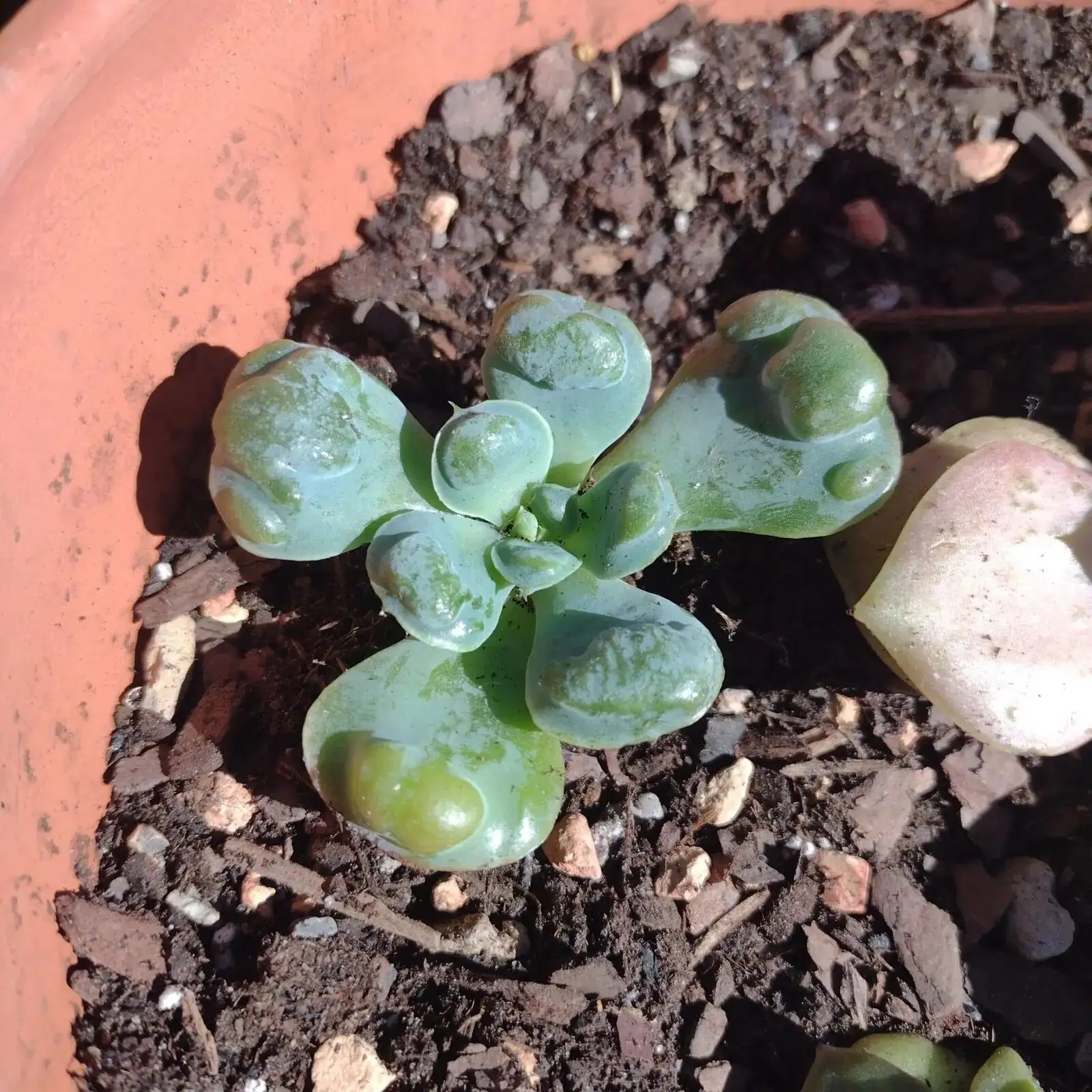
- Bottom leaves shriveling: normal in moderation. Many shriveling at once = likely underwatering; translucent/mushy = overwatering/rot.
- Pests: mealybugs in leaf joints, aphids on blooms, spider mites in hot, dry rooms. Treat with alcohol swabs, insecticidal soap, or horticultural oil; then boost light and airflow.
Safety and Bloom Notes
- Generally considered non‑toxic to people and pets, though nibbling may cause mild stomach upset.
- Summer blooms: tall pink stalks with small bell flowers—charming, but keep aphids in check.
A Tiny Culture Note: The “Language” of Echeveria
- Often said to symbolize enduring love and resilience—fitting for a plant that banks water in its leaves and stays beautiful through dry spells. This meaning is modern and poetic rather than ancient folklore, but it captures exactly why Echeveria thrives in our everyday, real‑life microclimates.
Bring it all together—sun with sense, shade at the right hour, air that moves, roots that dry, and vigilance when storms roll through—and your Echeveria will stay poised and polished on the balcony year after year.