

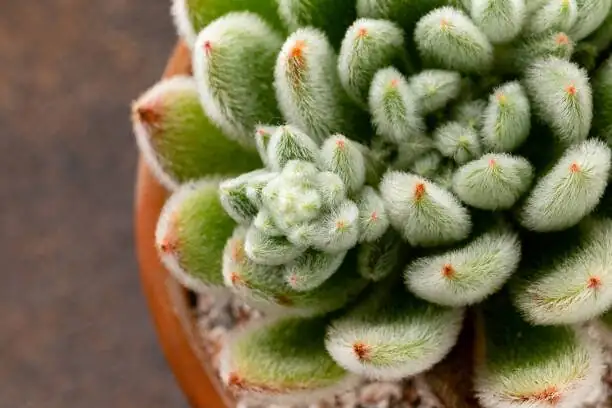
Think of a perfect Echeveria rosette as a tiny alpine fortress: tidy, layered leaves, a powder-dusted sheen, and—if you give it bright light—those wine-red leaf edges that make you do a double-take. Now think like a pest: where would you hide? Right—deep in the leaf joints, under the farina, along the flower stalks. Spotting trouble early and choosing the right tool for the job is how you win—and keep winning—against mealybugs, aphids, and spider mites.
Here’s your smart, field-tested game plan.
Meet the plant you’re protecting
- Botanical: Echeveria sp. (Crassulaceae), commonly sold as Echeveria, Hens and Chicks, or Mexican Snowball
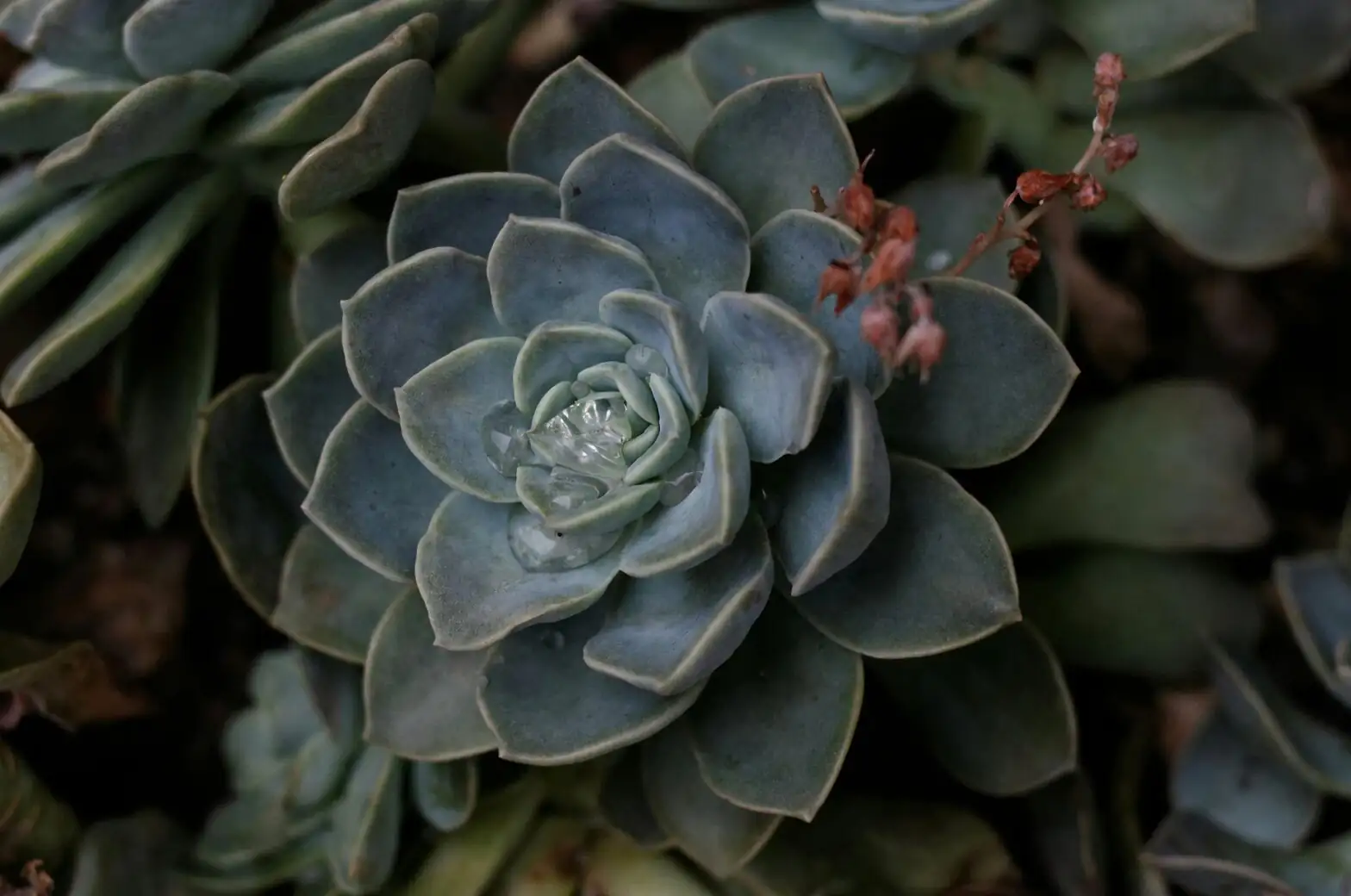
- Look: Blue‑green, fleshy leaves in a compact rosette; many forms carry a powdery, protective farina. In strong light, leaf margins blush burgundy.
- Size: Rosettes ~10–25 cm wide; flower stalks can reach 20–50 cm.
- Light and air: Bright light to full sun with good airflow is the beauty-and-health baseline.
- Watering style: Soak thoroughly, then let the mix dry completely. Keep water out of the rosette center.
Why this matters for pests: tight rosettes and spent lower leaves create shady pockets—prime real estate for sap-suckers. Weak light and soggy soil tip the odds further in their favor.
Scout like a pro: the earliest red flags
Do a 30–60 second “pest patrol” weekly—especially after bringing in new plants or during warm months.
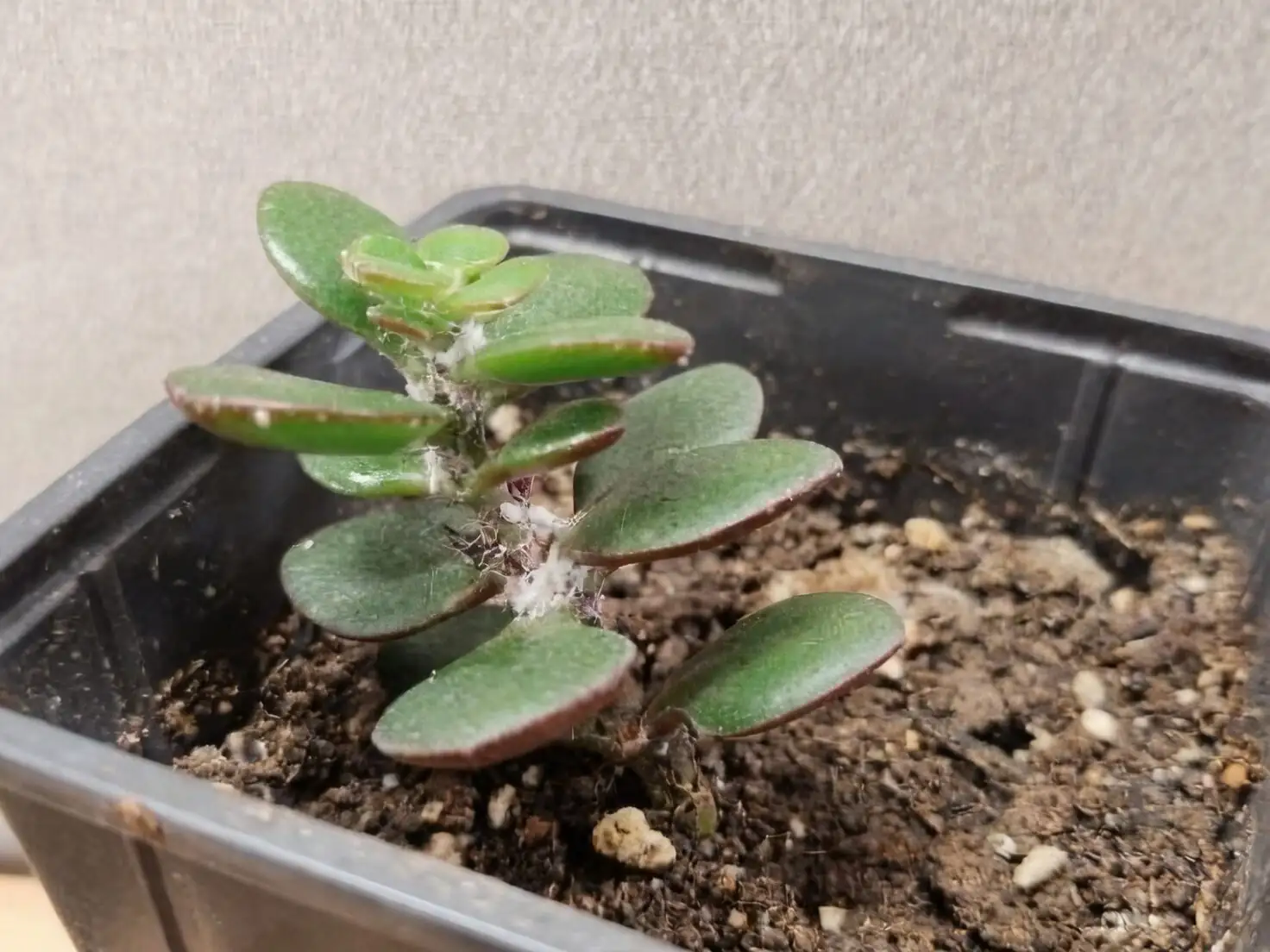
- Leaf joints and undersides: tiny white “cotton” (mealybugs), or fine stippling and dust-like specks (spider mites).
- Flower stalks: clustered green, yellow, or black aphids; sticky honeydew.
- Honeydew and ants: shiny leaves/pots and ant traffic often mean mealybugs or aphids nearby.
- Webbing: delicate threads between inner leaves point to spider mites.
- General vibe: unexplained slowdown, distorted new growth, or a rosette that feels sticky or grimy.
Tip: The farina is a protective, cosmetic coating. Try not to rub it off while inspecting.
Triage first: contain, clean, then treat
- Isolate the plant from your collection.
- Improve conditions immediately: more light (gradually if needed), a fan or breeze, and space between pots.
- Groom: gently peel away dead lower leaves—these are pest hideouts.
- Protect the farina: when possible, dab rather than rub; target the pests, not the entire leaf surface.
Choose your tool wisely
All of the following can work. Pick based on pest, severity, plant count, and your tolerance for cosmetic marks on farina.
1) Isopropyl alcohol (about 70%): the surgical strike
- Best for: mealybugs in leaf axils; small aphid clusters.
- How: dab visible pests with a cotton swab or soft brush dipped in alcohol. For larger plants, a precision spray directed into crevices works.
- Pro move: after 10–15 minutes, gently rinse to remove residues and see what you missed. Avoid hot, bright sun during and after treatment.
- Note: alcohol can dull farina where it contacts the leaf—keep your dabs surgical.
2) Insecticidal soap: contact killer that shines at coverage
- Best for: aphids on flower stalks, light mealybug or mite pressure.
- How: spray to the point of run-off, including undersides and into leaf joints; wait 10–20 minutes, then rinse. Repeat on schedule (see “Break the cycle”).
- Good to know: soaps work on contact and have little residual—thorough coverage matters.
3) Horticultural oil (lightweight): smothers eggs and nymphs
- Best for: stubborn mealybugs and aphids when you need more than soap.
- How: apply in the cool of morning/evening; avoid strong midday sun or extreme heat. Test on a small area first.
- Cosmetic note: oils can temporarily dull or mark the farina. Plants tolerate it, but your rosette’s “powdered” look may change where sprayed.
4) Systemic insecticides: last-resort for big, persistent outbreaks
- Best for: collections with recurring mealybugs/aphids where contact sprays aren’t feasible.
- How: apply a labeled systemic drench per instructions. Avoid use during flowering to reduce risk to visiting pollinators.
- Use thoughtfully: reserve for tough cases, follow labels strictly, and keep treated plants away from pets that like to nibble.
Never mix products in the same spray. If switching products, give the plant a few days and a rinse between treatments.
Playbooks for the usual suspects
Mealybugs (the “cotton” in the leaf joints)
- Step 1: Dab every visible bug with 70% isopropyl alcohol. Flush crevices with a directed spray if needed.
- Step 2: Follow with insecticidal soap or a light horticultural oil 2–3 days later for any crawlers you missed.
- Step 3: Groom away dead lower leaves; check offsets and the pot rim.
- Step 4: Repeat your contact treatment every 7–10 days until you’ve had 3–4 weeks with no sightings.
- If decline continues: unpot and check for root mealybugs; refresh into a fast-draining mix, and consider a systemic if they’re entrenched.
Aphids (magnetized to pink flower stalks)
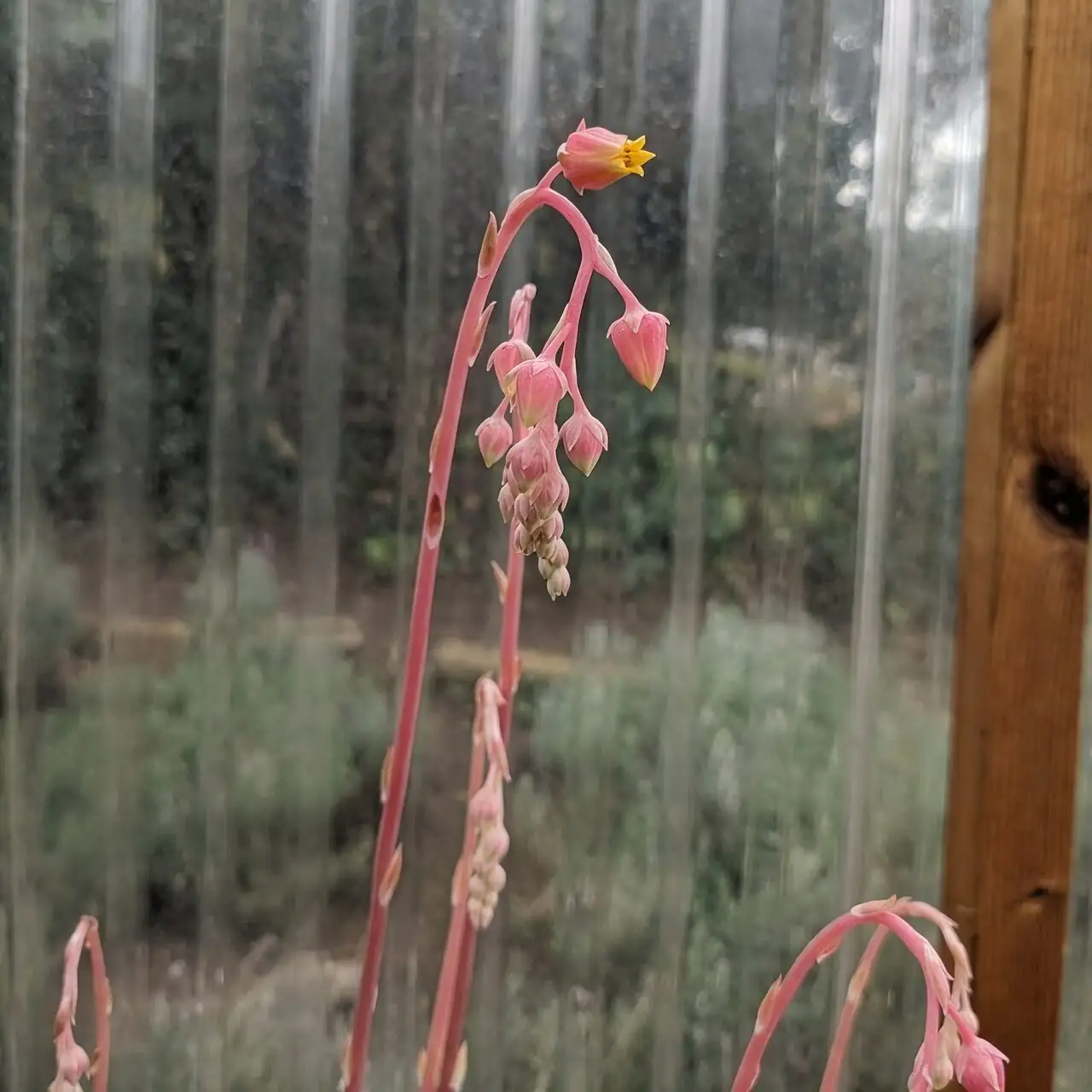
- Step 1: Pinch-wipe or cut off badly infested flower stalks; it’s fast and spares the rosette.
- Step 2: Spray remaining stalks and nearby leaf joints with insecticidal soap; rinse after 10–20 minutes.
- Step 3: Repeat weekly until clear. Control ants nearby—they protect aphids for honeydew.
Spider mites (hot, dry, indoor conditions)
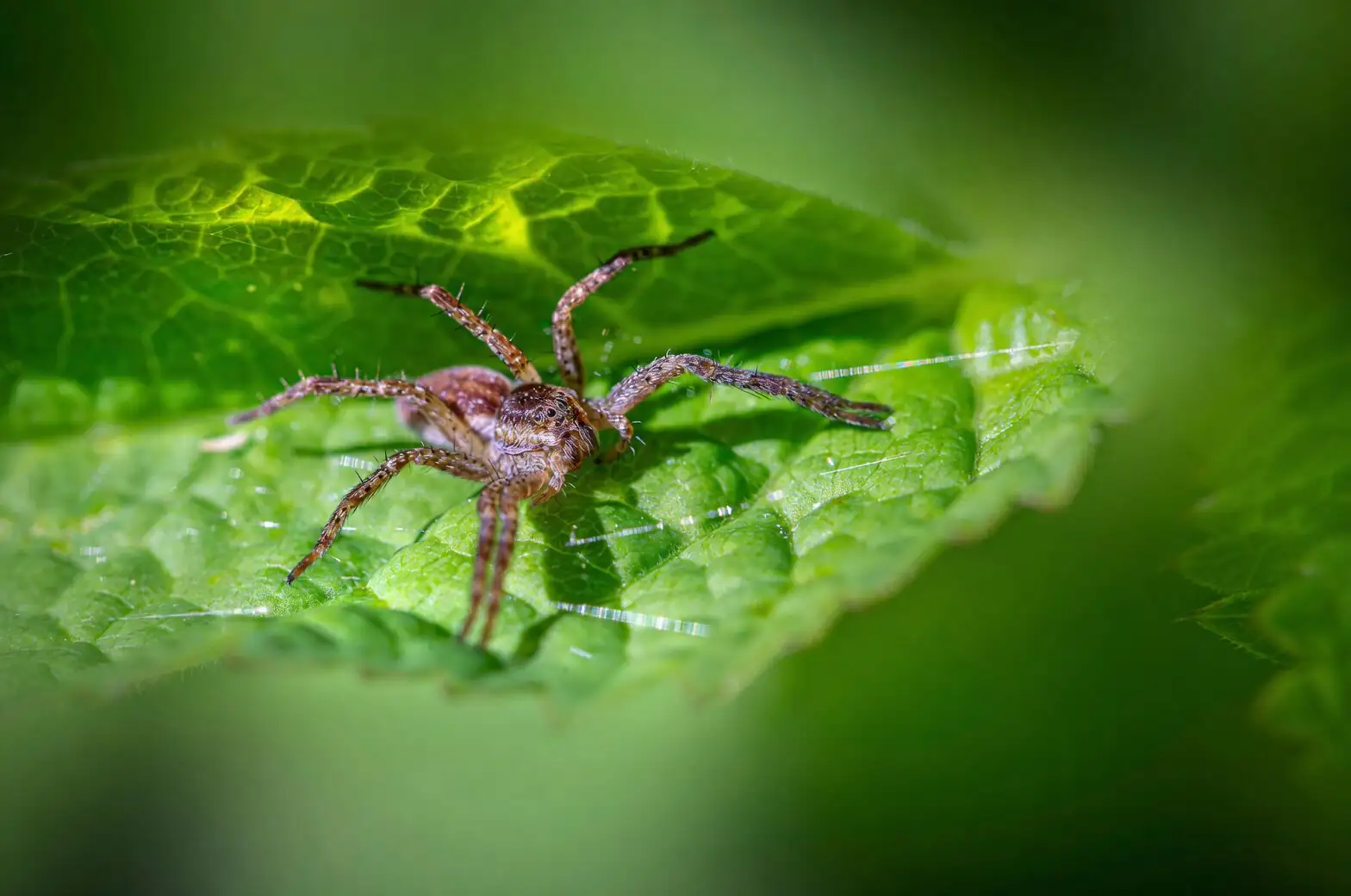
- Step 1: Give the plant a gentle shower to knock mites from crevices—keep water out of the rosette center.
- Step 2: Follow with insecticidal soap; ensure underside coverage; rinse after set time.
- Step 3: Increase airflow and light; avoid stagnant, overly warm corners. Repeat weekly till stippling stops.
Break the life cycle (the secret to “no rebounds”)
- Cadence: repeat your chosen contact treatment every 7–10 days for at least 3 cycles.
- Timing: treat in the cool part of the day; never on heat-stressed plants or in direct, strong sun.
- Proof of success: no new cottony tufts, no sticky honeydew, and clean inner leaf axils for 3–4 weeks.
Fortify the setup: airflow, hygiene, and smart care
Think of this as installing better locks on the fortress door.
Light and air
- Aim for 4–6+ hours of bright sun; indoors, a south- or west-facing window or strong grow lights.
- Run a fan or ensure steady cross-breeze; space plants so rosettes don’t touch.
Water and soil
- Soak-and-dry: water thoroughly, then let the mix dry out completely before watering again. In warm, bright conditions, that’s often every 7–14 days; in winter/low light, 3–5 weeks.
- Keep water out of the rosette center; tip the pot to drain if you splash the crown.
- Use a very fast-draining mix (cactus/succulent soil with added pumice/perlite); terracotta helps the dry-down.
Grooming and sanitation
- Regularly peel away dead lower leaves and remove spent flower stalks—fewer hiding places.
- Wipe shelves and pots where honeydew may collect.
- Sterilize snips and tweezers between plants.
- Quarantine new purchases for 2–3 weeks and inspect leaf joints and undersides before they meet the collection.
Environment and feeding
- Low to average humidity is best; avoid persistently humid, stagnant rooms.
- Feed lightly in spring and summer with a diluted, low-nitrogen cactus/succulent fertilizer every 4–6 weeks; skip in winter. Lush, overfed growth is tender and pest-prone.
Bonus: buy smart, prevent heartache
When selecting an Echeveria:
- Choose a compact, symmetrical rosette with firm leaves and a clean, non-mushy base.
- Inspect leaf joints and undersides for cottony residue.
- Avoid plants with translucent or blackened spots or a soft stem.
Quick answers to common worries
- Will treatments ruin the powdery coating? Alcohol, soaps, and oils can mar farina where they touch. Target pests precisely and rinse residues after the set time. The farina doesn’t grow back on the same leaf, but new leaves will emerge coated.
- Are Echeveria toxic? Generally considered non-toxic to people and pets, though chewing may cause mild stomach upset. Keep chemicals and treated plants away from curious mouths.
The big picture
Most pest flare-ups on Echeveria trace back to two fixable issues: low light and too much moisture. Strengthen light, speed up the dry-down, boost airflow, and keep those leaf joints tidy. Pair that with sharp-eyed scouting and the right contact treatment, and your rosette will stay the star—no cottony squatters allowed.