

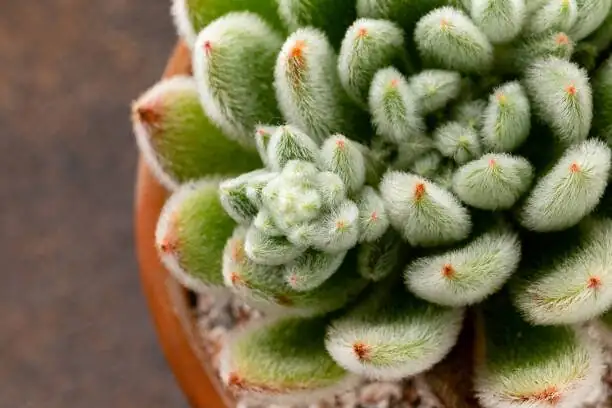
Think of Echeveria as a tiny architectural sun‑lover that rewards you with crisp, geometric rosettes and sumptuous wine‑red edges—if you dial in light, water, and mix just right. Here’s a punchy, step‑by‑step plan to get those tight rosettes and burgundy margins without pushing your plant over the edge.
Echeveria sp. at a glance
- Family: Crassulaceae (stonecrops), genus Echeveria
- Native range: Mexico and Central America (many plants in cultivation are hybrids/unnamed selections)
- Form: Compact rosette of blue‑green, fleshy leaves; many carry a powdery, protective farina
- Color pop: Leaf edges often blush burgundy to wine‑red in strong light and with mild, non‑damaging stress
- Blooms: Summer; tall pink stalks with small, bell‑shaped flowers (pink outside, yellow to yellow‑orange inside)
- Pet‑safe: Generally non‑toxic to people and pets
The tight‑rosette, red‑edge formula (overview)
- Strong light (4–6+ hours of sun or equivalent): Acclimated brightness drives compact growth and color.
- Soak‑and‑dry watering: Thorough water, then let the mix dry out completely—repeat on a cadence matched to your light and potting mix.
- Mineral‑rich, fast‑draining substrate: Encourages quick dry‑downs and prevents rot.
- Good airflow, low to average humidity, gentle feeding: Support color and structure without bloat.
Step 1 — Choose the right pot and build a mix that dries on schedule
- Pot: Use a pot with drainage; terracotta helps wick moisture and tighten the watering cycle. Size just 1–2 cm (½–¾ in) wider than the rosette to avoid slow, soggy zones.
- Core mix goal: “Fast in, fast out” watering. You want a complete dry‑down in about 5–10 days in warm, bright conditions.
- Mix recipes (by volume):
- Temperate/indoor average humidity: 50% high‑quality cactus/succulent mix + 30% pumice + 20% coarse perlite.
- Humid climates or cautious waterers: 30% cactus mix + 70% minerals (pumice, perlite, lava rock, or coarse sand).
- Very dry homes/quick‑dry terracotta: 60% cactus mix + 40% pumice/perlite.
- Tip: Aim for gritty texture that doesn’t compact; roots should breathe and the whole profile should dry evenly from top to bottom.
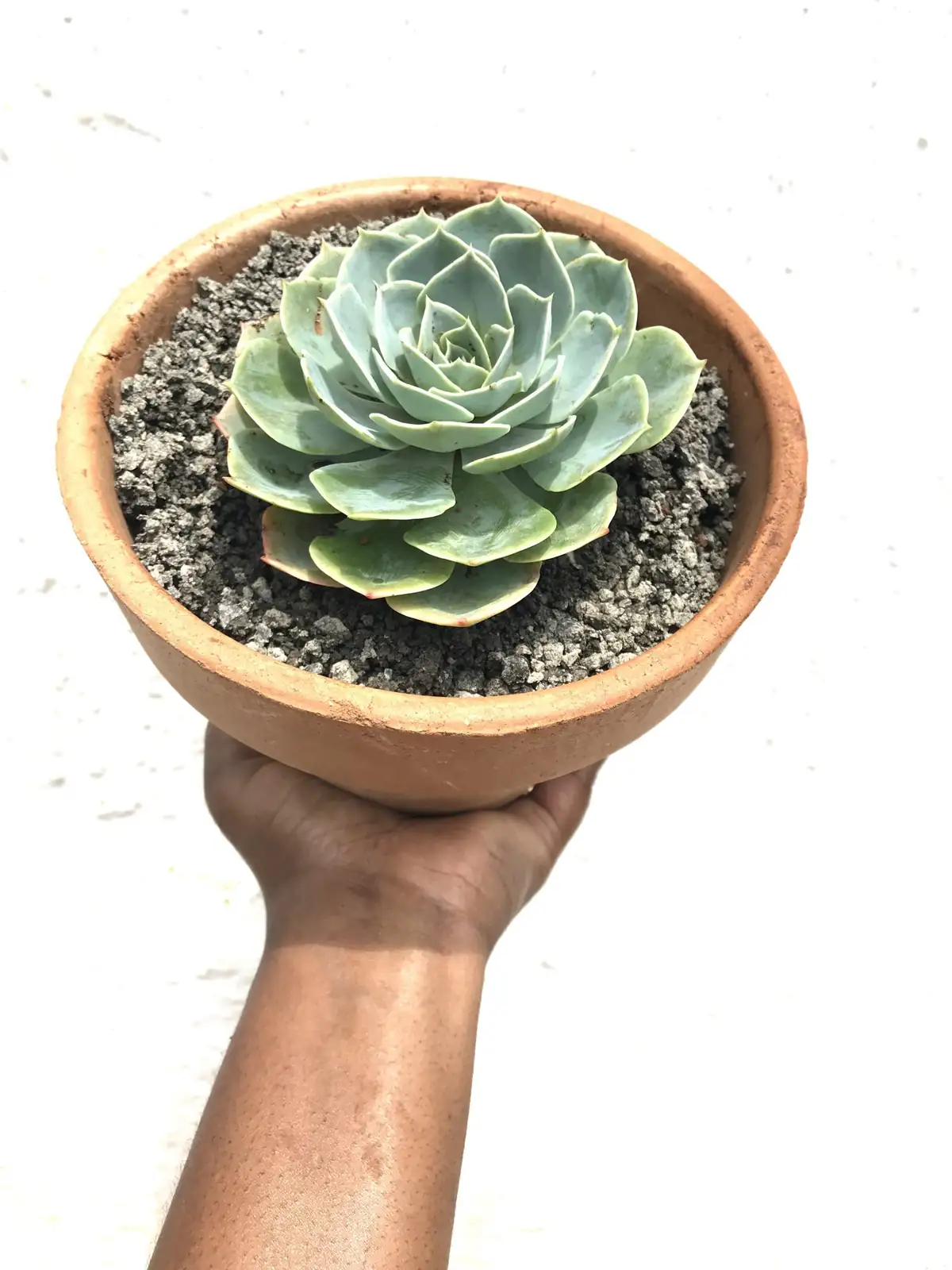
Step 2 — Map the light for form and color
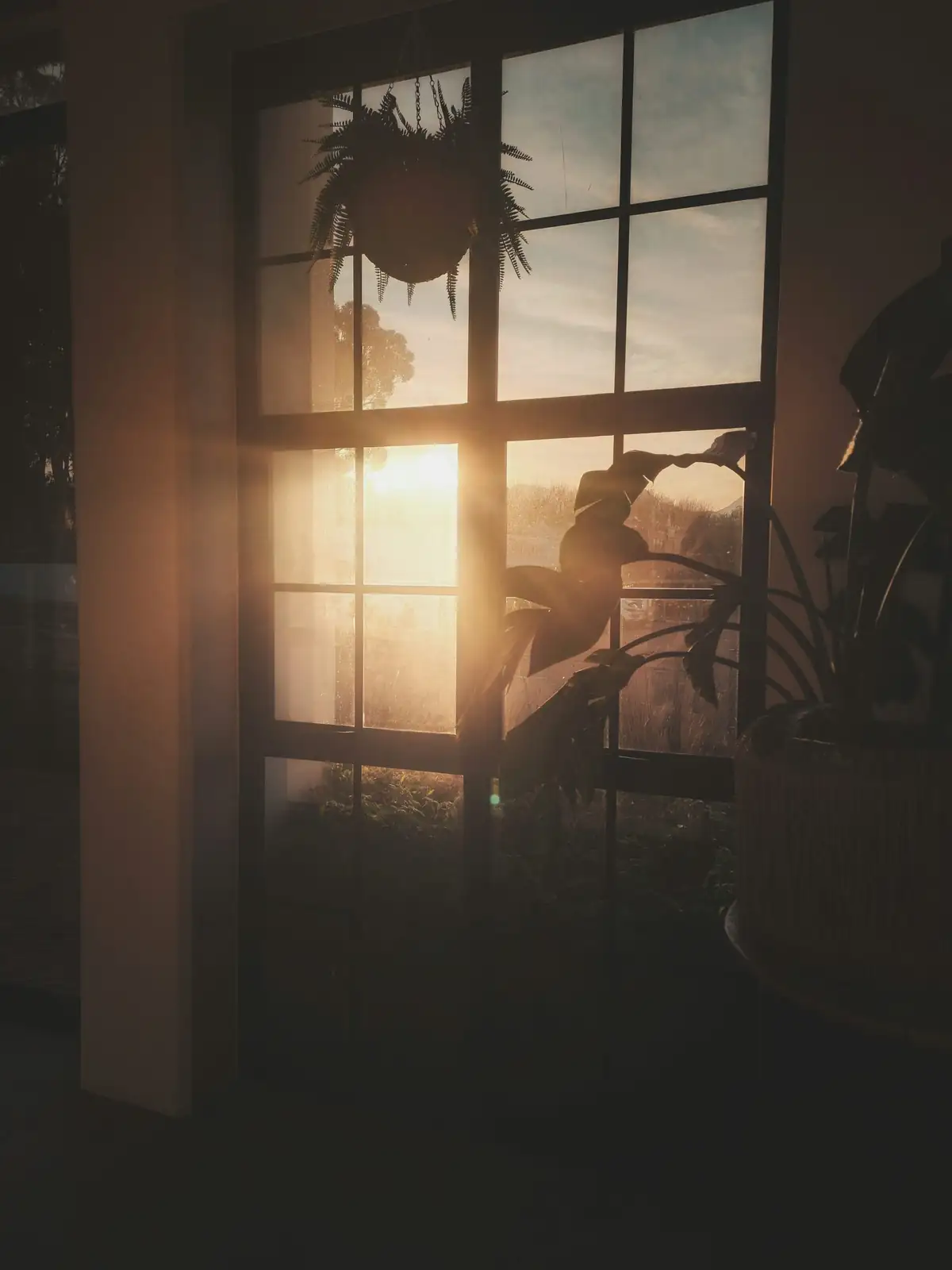
- Daily target: Bright light to full sun, 4–6+ hours. Indoors, south‑ or west‑facing windows are prime.
- Intensity guide (for the light‑curious):
- Window light: Bright, direct sun or sustained very bright indirect light is best. Keep the rosette within 0–30 cm (≤1 ft) of a sunny window.
- Grow lights: 200–400 μmol/m²/s PPFD for 12–14 hours supports a tight rosette; you can push up to ~500 with careful acclimation for stronger color.
- Acclimation plan (to avoid sunburn):
- Week 1: 1–2 hours soft direct sun + bright indirect.
- Week 2: 3–4 hours direct sun (late morning or late afternoon).
- Week 3: 4–6 hours direct sun. In extreme heat, add light midday shade.
- What “right” looks like:
- Leaves overlap snugly, center stays tight, margins slowly gain wine‑red blush.
- Warning signs:
- Too little light: Rosette opens/elongates (etiolation), leaf gaps increase.
- Too much too fast: Pale patches or brown, crispy sunburn—dial back and increase airflow.
Step 3 — Lock in a watering cadence that colors without rot
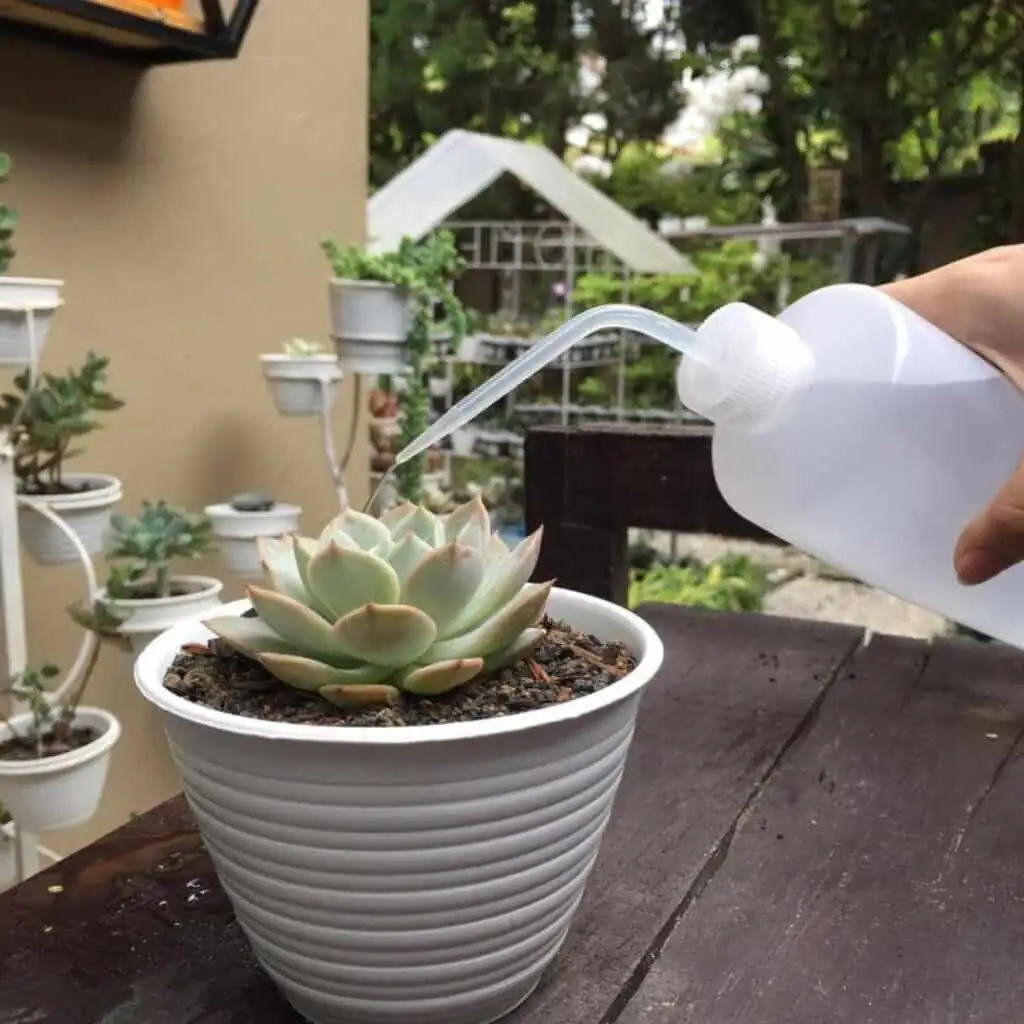
- Method: Soak and dry. Water thoroughly until it runs out the drainage hole, then wait for the mix to dry out completely before watering again. Keep water out of the rosette center; never let the pot sit in a saucer of water.
- Typical rhythms (adjust for your space):
- Warm, bright growing season: About every 7–14 days.
- Winter/low light/cool rooms: About every 3–5 weeks.
- Calibrate by feedback:
- Ready to water: Mix is bone‑dry through the pot (use a dry wooden skewer or moisture meter), and lower leaves feel slightly flexible.
- Wait longer: Leaves are still firm and plump; mix is even slightly damp below.
- Red flags: Translucent, mushy leaves = overwatering/rot; long gaps and fast lower‑leaf shrivel = likely underwatering or too much heat with not enough root.
- Pro move: Water in the morning, then give strong light and airflow so surfaces dry quickly and the crown doesn’t stay wet.
Step 4 — Airflow and humidity make or break it
- Target: Low to average humidity with moving air. Stagnant, humid air invites rot and pests.
- Indoors: Crack a window, run a small fan, and avoid crowding plants cheek‑to‑leaf.
Step 5 — Temperature: warm days, cooler nights if you can
- Best growth: 15–27°C (59–81°F).
- Heat: In extreme heat, increase ventilation and add light midday shade to prevent scorching.
- Cold: Protect from frost; keep above 5°C (41°F).
- Color booster: Mild day‑to‑night temperature swings (warm days, cooler nights) can help intensify those red margins—without starving the plant of light or water.
Step 6 — Feed lightly to avoid “salad leaves”
- Spring–summer: Low‑nitrogen cactus/succulent fertilizer at 1/4–1/2 strength every 4–6 weeks.
- Autumn–winter: Skip feeding.
- Why light feeding: Heavy nitrogen softens leaves and stretches the rosette; light feeding sustains color and shape.
Step 7 — Groom, repot, and resist the urge to fuss
- Grooming: Gently peel away crisp, dead lower leaves to boost airflow and reduce mealybug hideouts. Don’t rub the powdery farina—it won’t grow back on that leaf.
- Repotting: Every 1–2 years or when crowded. After repotting, wait 3–7 days before watering to let roots callus.
- Placement: Brightest window or rain‑sheltered, sunny patio/balcony. Outdoors in mild climates, protect from prolonged rain.
Color and compactness playbook: your mild‑stress toolkit
- Do more of this:
- Give sustained bright light (include some direct sun) with good airflow.
- Use a mineral‑rich, fast‑draining mix and let it dry completely between waters.
- Keep pots slightly snug and avoid oversized containers.
- Offer cooler nights when possible.
- Feed lightly; avoid high nitrogen.
- Avoid this:
- Sudden, harsh midday sun without acclimation (sunburn).
- Chronically wet mix, high humidity, stagnant air (rot).
- Frequent sips of water (keeps roots damp and weak).
- “Is it color or damage?”
- Healthy stress blush: Even, gradual red/purple flush, firm leaves.
- Damage: Patchy tan/brown spots or bleached areas after a hot day = sunburn; stop intensifying light and improve airflow.
Window and grow‑light cheat sheet
- South‑facing window (N. Hemisphere): Place within 0–30 cm (≤1 ft).
- West‑facing: 0–60 cm (0–2 ft); watch for hot late‑afternoon sun in heat waves.
- East‑facing: Best right at the glass; may need supplemental light for color.
- Under LEDs: Start with the fixture 20–30 cm (8–12 in) above the rosette at 200–300 μmol/m²/s for 12–14 hours; nudge intensity up only after a week of happy leaves.
A 4‑week tune‑up plan for tighter rosettes and red margins
- Week 1: Repot (if needed) into a fast, gritty mix. Water once thoroughly, then let it dry fully. Start with 1–2 hours of direct sun.
- Week 2: Increase to 3–4 hours direct sun. Keep airflow high. Water only when the mix is bone‑dry.
- Week 3: Reach 4–6 hours of direct sun. Begin light feeding. Leaves should begin to edge‑blush.
- Week 4: Hold the course. If nights are cool, crack a window (indoors) or place outdoors in a rain‑sheltered spot above 10°C/50°F for better color. Keep to soak‑and‑dry.
Seasonal care calendar
- Spring: Increase light exposure gradually; resume light feeding. Water as days warm and dry‑downs quicken.
- Summer: Strong light is great; provide midday shade/ventilation in extreme heat. Shelter from heavy rain.
- Autumn: Reduce watering frequency as temperatures drop; maintain bright light for color.
- Winter: Keep bright and cool (above 5°C/41°F). Water sparingly and skip fertilizer.
Troubleshooting fast
- Rosette opening/stretching: Not enough light. Move brighter and acclimate. If a bare stem has formed, behead the rosette and re‑root.
- Bottom leaves shriveling:
- Slowly, a few at a time = normal turnover.
- Many at once, still firm = likely underwatering—shorten the dry gap slightly.
- Translucent/mushy = overwatering—dry out fully, improve drainage and airflow.
- Sunburn: Tan/white patches after a hot day. Increase shade/flow; don’t remove mildly damaged leaves until new growth replaces them.
- Pests: Mealybugs in leaf axils, aphids on flower stalks, spider mites in hot, dry rooms.
- Treatment: Dab with alcohol‑soaked cotton swabs; follow with insecticidal soap or horticultural oil. Then fix the root causes: more light, faster‑draining mix, better airflow.
Propagation (when you want more)
- Offsets: Gently remove and pot into dry, gritty mix; wait a few days before first light watering.
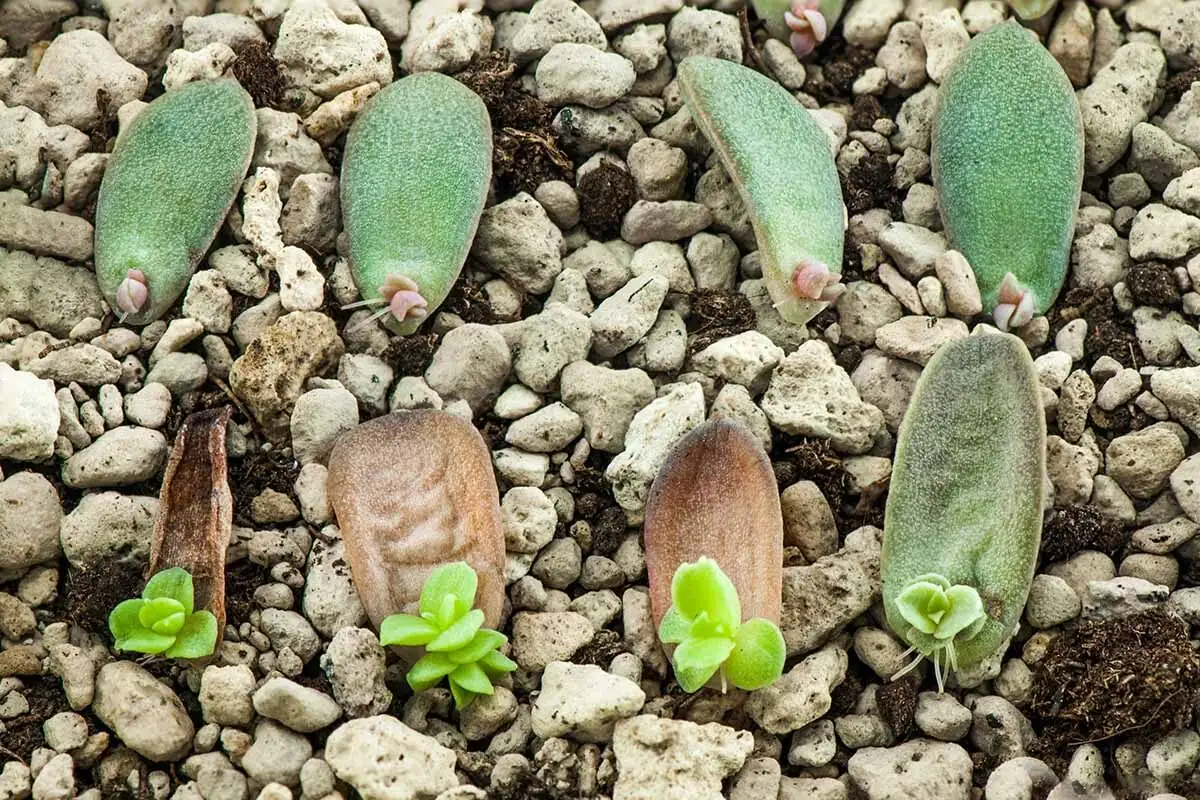
- Leaf cuttings: Twist off a whole, healthy leaf; let callus 2–5 days; lay on dry mix and mist sparingly until roots and a baby rosette form.
- Beheading: Slice a leggy rosette, let the cut callus, then re‑root; the base often sprouts pups.
Safety and bloom notes
- Non‑toxic: Generally safe around people and pets; ingestion may still cause mild tummy upset—best to keep out of reach of nibblers.
- Flowers: Summer pink stalks with bell‑shaped blooms (pink outside, yellow to yellow‑orange inside). Remove spent stalks to refocus energy on the rosette.
Symbolism (flower language)
- Echeveria often symbolizes enduring love and resilience—its plump leaves hoard water through dry spells, and the rosette stays elegant even in lean times. Unlike old European “flower language” traditions tied to specific bouquets, this meaning reflects the plant’s real‑world toughness: beauty shaped by resourcefulness, not excess.
Buy smart
- Choose compact, symmetrical rosettes with firm leaves. Avoid mushy stems, blackened bases, or translucent spots. Check leaf joints and undersides for cottony mealybugs before you bring one home.
Quick do/don’t recap
- Do: Strong light (acclimated), soak‑and‑dry watering, gritty mix, airflow, light feeding.
- Don’t: Rub off the farina, keep the mix damp, jump into harsh sun, or overfertilize.
Follow this map, and your Echeveria won’t just survive—it’ll tighten up, stand tall, and paint those leaf margins the color of a good red wine.