

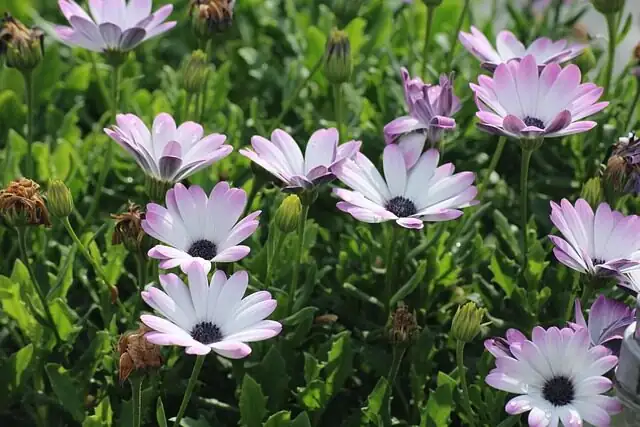
If you’re planting with pollinators in mind, few daisies roll out a clearer welcome mat than Osteospermum ecklonis, the Falling Stars Cape Daisy. Those soft, sky‑blue rays and the dark “eye” do more than charm humans—they function like runway lights for bees and butterflies. Here’s how to get the most nectar from your plants, time the bloom for the best pollinator traffic, and stitch together companion plantings that keep the banquet open from early spring to fall.
Meet the plant: a long‑season, sun‑loving pollinator draw
- Botanical name: Osteospermum ecklonis (family Asteraceae), also called Cape Daisy, African Daisy, Blue‑Eyed Daisy, Falling Stars
- Origin: Cape region of South Africa
- Habit and size: Compact, mounding, 20–45 cm tall and 30–60 cm wide; evergreen to semi‑evergreen in mild climates
- Flowers: Masses of pale to light blue daisies with a deeper-toned center; most abundant in full sun
- Season: Early spring through fall, with the strongest, longest show in cool‑to‑mild weather
- Best sites: Full sun (6+ hours), sharply drained soil, containers, front‑of‑border beds, sunny patios (USDA 9–11 outdoors; grow as an annual or overwinter frost‑free in colder zones)
Fun insider tip: Like many daisies, blooms open wide in bright sun and close in low light or at night—so think “sunny lunch crowd,” not “late‑night snack,” for pollinators.
Why the dark center is a landing beacon
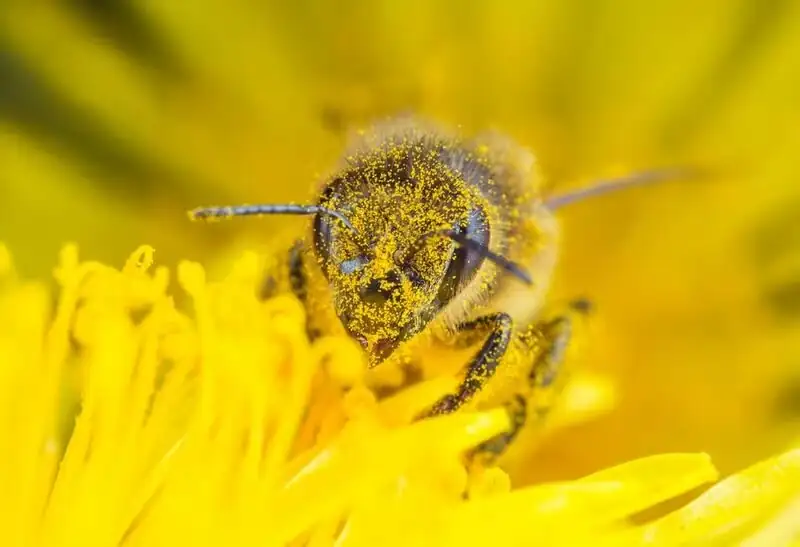
To a bee, the Falling Stars Cape Daisy wears a bright bull’s‑eye. Here’s why that matters:
- Built‑in runway: The dark “eye” is made up of nectar‑ and pollen‑bearing disc florets. It contrasts sharply with the pale blue rays, guiding pollinators to the good stuff—fast.
- Hidden signals: Many daisy relatives display ultraviolet (UV) patterns we can’t see. Bees can. These UV “nectar guides” accentuate the center and the bases of the petals, acting like arrows pointing to the disc florets.
- Ideal shape and color: Flat, daisy‑shaped blooms are easy landing pads. Bees tend to favor blue and purple tones, while butterflies appreciate open, flat flowers—Osteospermum checks both boxes.
The upshot: That moody, blue‑black center is not just pretty—it’s a high‑contrast target and a nectar GPS for pollinators.
Best bloom windows for nectar and traffic
Osteospermum ecklonis is a marathon bloomer, but your best nectar windows cluster around these conditions:
- Season sweet spots
- Spring into early summer: Prime time for steady nectar and pollen.
- Fall encore: After summer heat eases, a haircut and good sun often trigger a fresh, nectar‑rich flush.
- Time of day
- Sunny mid‑morning to mid‑afternoon: Flowers are fully open, visibility is high, and bee activity peaks.
- Weather rhythm
- Cool to mild temperatures (about 10–24°C / 50–75°F): Plants are happiest and most generous.
- Heat lulls: Intense heat can cause a bloom pause. Keep deadheading and provide consistent, well‑drained moisture; flowering typically resumes as temperatures drop.
Pro tip: Regular deadheading plus a light trim after a heavy flush channels energy into new buds—more open “runways” equals more pollinators.
Grow it “pollinator‑first”: culture that maximizes nectar
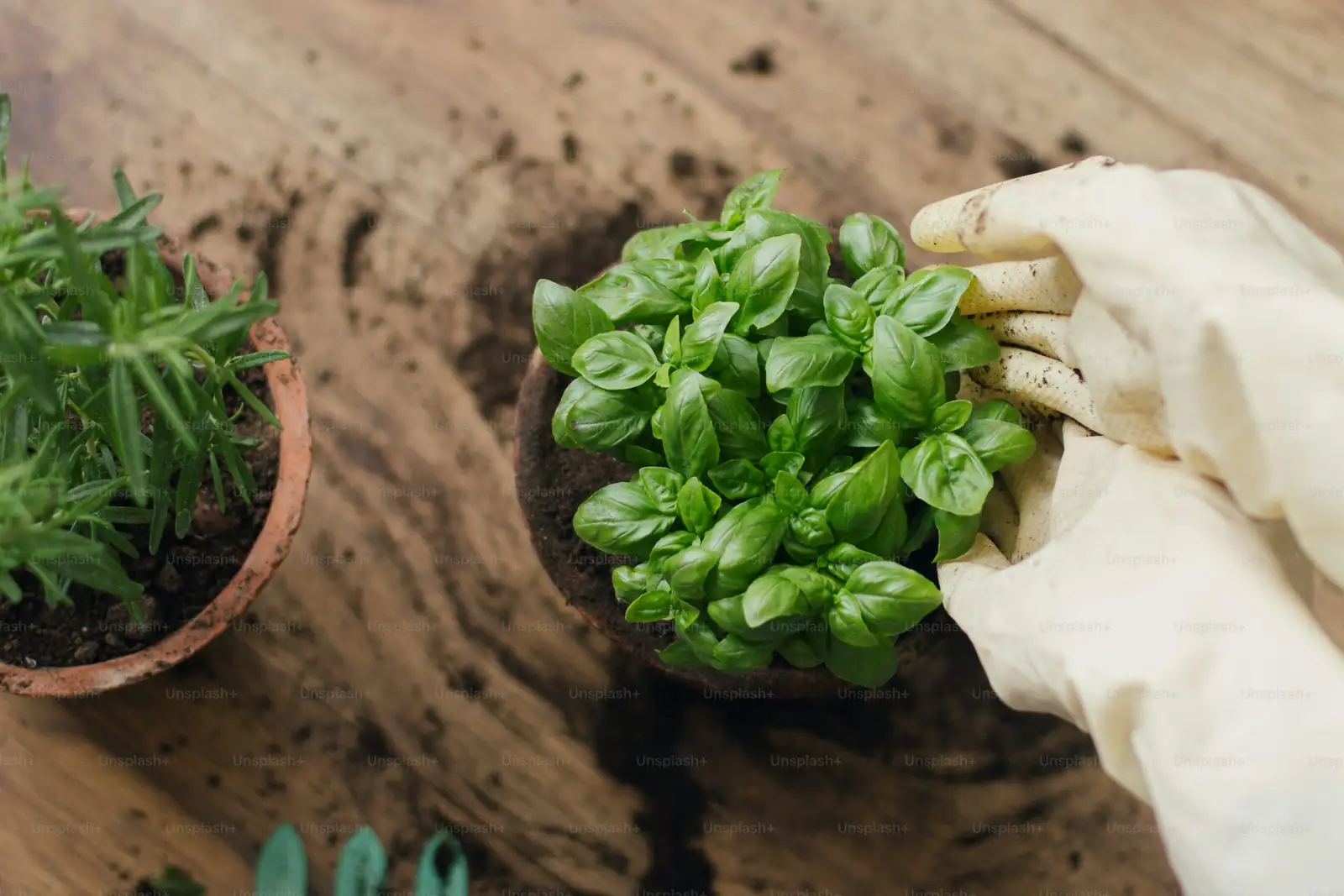
- Sun and exposure: Full sun (6+ hours) is essential for both abundant bloom and open flower faces.
- Soil and drainage: Sandy or loamy, well‑drained soils; avoid waterlogging to prevent root and crown rot.
- Watering: Water thoroughly, then let the top 2–3 cm of soil dry before watering again. Steady—not soggy—moisture helps sustain nectar production.
- Feeding: Light, regular feeding during active growth (half‑strength, balanced liquid fertilizer every 2–4 weeks) maintains vigor without forcing soft, pest‑prone growth.
- Grooming: Deadhead continuously. After a big wave of bloom, a slightly harder cutback encourages a new round of flowers.
- Climate notes: Protect from hard frost. In USDA 9–11, plants can be short‑lived perennials; elsewhere, treat as annuals or overwinter containers in bright, cool (10–15°C) conditions.
Pollinator‑safe care: Skip systemic insecticides. For aphids, whiteflies, spider mites, or thrips, start with blasts of water, then use insecticidal soap or horticultural oil if needed—applied at dawn or dusk when bees aren’t flying.
The season‑long buffet: companion picks that keep nectar flowing
Planting companions in overlapping waves keeps your pollinator cafe open from early spring through fall. Favor single‑flowered forms (they’re richer in nectar and pollen than doubles) and include local native plants for the best ecological fit. For region‑specific native choices, check your local Xerces Society plant list.
Early spring openers (before or alongside your Cape Daisy)
- Bulbs and perennials: Crocus, grape hyacinth (Muscari), hellebore (single forms), lungwort (Pulmonaria)
- Sun‑loving natives/near‑natives by region: Phacelia, early Penstemon species, prairie smoke (Geum triflorum), willows (for pollen where space allows)
Late spring to early summer partners
- Blues and lavenders bees adore: Catmint (Nepeta), lavender (Lavandula), Salvia nemorosa and S. greggii, hardy geranium (single‑flowered)
- Daisy kin for continuity: Coreopsis (single forms), blanketflower (Gaillardia)
- Airy mixers: Verbena rigida or V. bonariensis for butterflies and bees
High summer sustainers
- Heat‑tough nectar bars: Scabiosa, cosmos (single), zinnias (single), yarrow (Achillea), sunflowers (single‑stem or branching, pollen‑bearing types)
- Butterfly magnets: Echinacea (single), black‑eyed Susan (Rudbeckia), Heliopsis
Fall closers (carry the buffet to the finish)
- Late‑season stalwarts: Native asters (Symphyotrichum), goldenrod (Solidago), sedum/stonecrop (Hylotelephium), Japanese anemone (single)
- Cool‑season annuals: Alyssum (Lobularia), calendula
Container companions that play well with Osteospermum ecklonis:
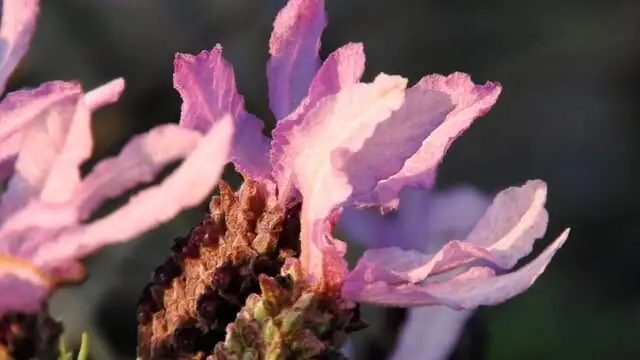
- Spillers: Trailing verbena, sweet alyssum, creeping thyme
- Fillers: Scabiosa, dwarf Salvia, compact Coreopsis (single), dwarf lavender
- Thrillers: Upright verbena, pollen‑bearing mini sunflowers (in larger pots)
Design note: Plant in generous clumps of each species to create big visual targets; pollinators forage more efficiently when they can stick with one flower type per stop.
Habitat extras that boost pollinators
- Water: A shallow dish with stones for perches or a gently bubbling fountain
- Nesting: Patches of unmulched, bare ground for ground‑nesting bees; small bundles of hollow stems for above‑ground nesters
- Pesticide‑wise: Avoid spraying open blooms. Spot‑treat only when necessary, preferably at dawn/dusk.
Quick troubleshooting for nonstop bloom
- Flowers stalling in mid‑summer? Heat can hit pause. Keep it sunny, maintain steady moisture with sharp drainage, deadhead often, and lightly trim; blooms usually return as temperatures ease.
- Leggy growth? Pinch or trim to keep the plant compact and blooming.
- Yellowing leaves or wilt in wet soil? Improve drainage immediately to prevent root/crown rot.
Overwintering for a head start next year
- In cold climates: Shift containers indoors before frost to a bright, cool spot (10–15°C). Water sparingly and skip heavy feeding until spring lengthens the days.
- In mild zones: Lightly tidy and keep plants airy; many behave as short‑lived perennials and will kick back into bloom with spring’s cooler light.
Symbolism and flower language
Falling Stars Cape Daisy often symbolizes cheerfulness and optimism—the botanical equivalent of clear blue sky after rain. If you’ve heard of “flower language” (花语), it blossomed from Victorian‑era floriography and later popular culture rather than botany. The meaning here fits how the plant behaves in the garden: reliable, bright, and generous from spring to fall—an easy emblem of upbeat perseverance.
Your pollinator‑first planting plan (at a glance)
- Site and plant: Full sun, well‑drained soil; set Osteospermum ecklonis in front‑of‑border spots or sunny containers.
- Stack the seasons: Add early bloomers (crocus, Pulmonaria), mid‑season partners (Nepeta, Salvia, Coreopsis), and fall closers (asters, goldenrod, sedum).
- Tend for nectar: Deadhead weekly, water deeply but allow the top 2–3 cm to dry, feed lightly during active growth, and trim after heavy flushes.
- Make it habitat: Provide water, nesting spots, and pesticide‑wise care.
- Localize: Choose a few regionally native plants from your local Xerces Society list to anchor each season.
Plant a sky‑blue patch of Falling Stars, surround it with seasonal allies, and you’ll watch the air above your garden turn into an arrival lounge—for bees, butterflies, and a steady stream of good weather vibes.