

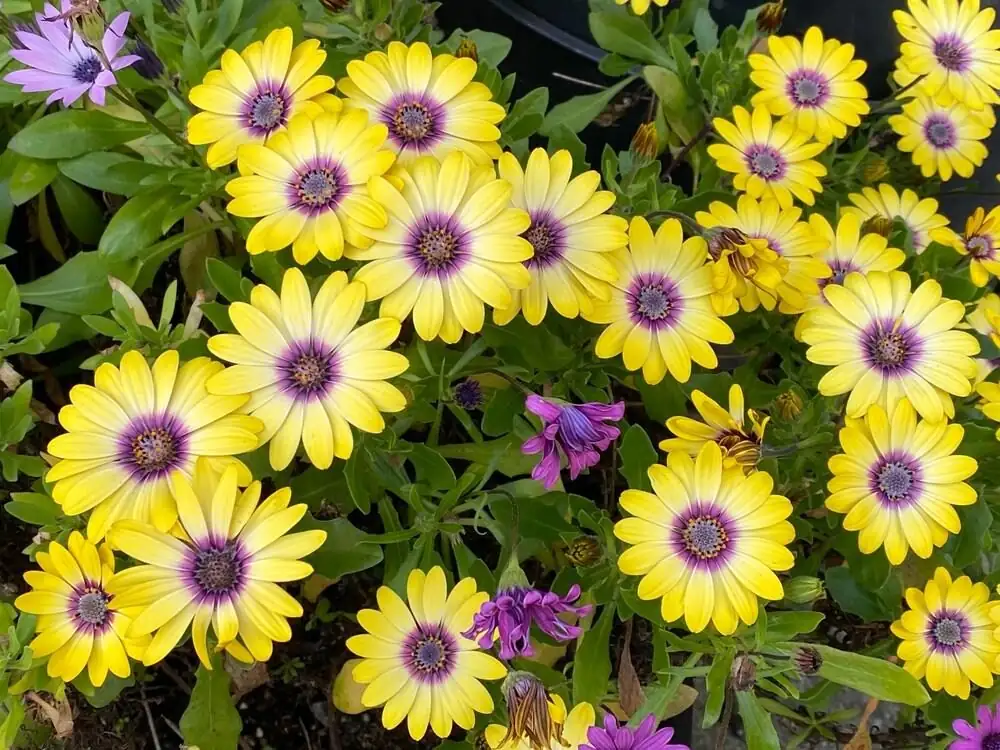
Imagine a flower that wakes with the sun, stretches its sky‑blue lashes, and smiles back at daylight. That’s Osteospermum ecklonis—widely known in gardens as Falling Stars Cape Daisy, and also sold as African Daisy, Blue‑Eyed Daisy, or simply Cape Daisy. Native to the Cape region of South Africa, it has become a global favorite for pots, bright borders, and sunlit patios because it blooms from early spring well into fall. But beyond its long season and luminous color lies a rich tapestry of meaning—cheerfulness, optimism, and the promise of a brighter day—woven from Victorian drawing rooms to modern East Asian 花语.
From Cape sunlight to the Victorian parlor: a brief journey
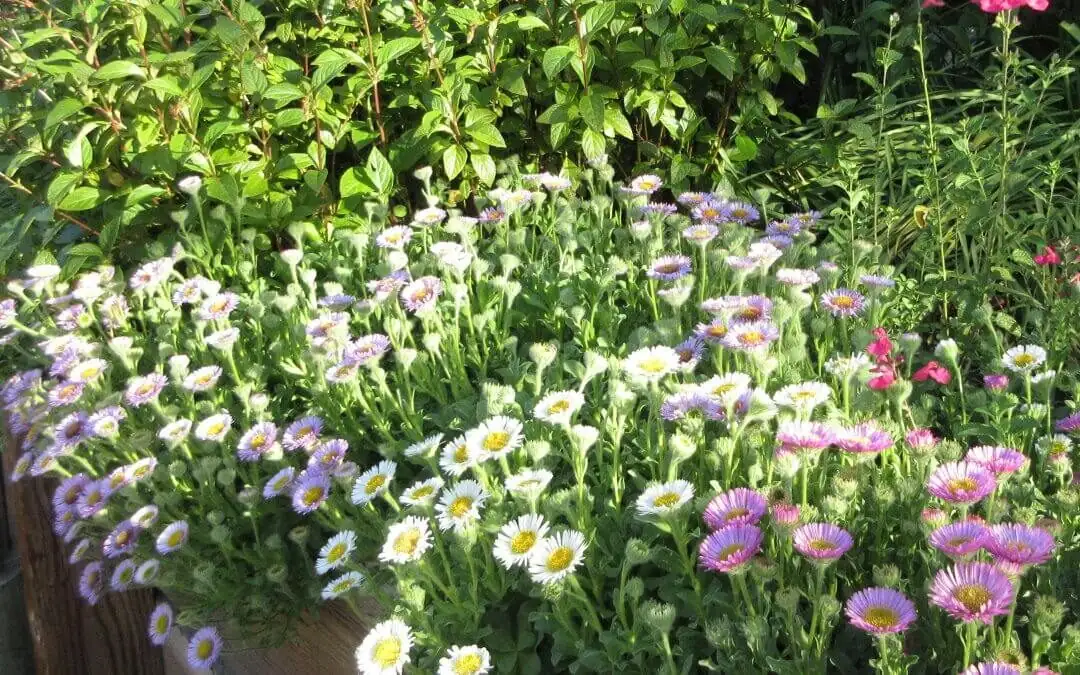
- Origins: In its homeland, the Cape’s crisp light and maritime breezes suit this daisy’s compact, mounding habit and cool‑weather bloom cycles.
- Global rise: As Mediterranean‑style and coastal gardens trended, gardeners everywhere fell for its free‑flowering nature and that striking “blue eye” center that makes each pale bloom pop.
- Floriography inheritance: While classical Victorian floriography mostly codified European daisies (innocence, cheer, new beginnings), Cape daisies arrived on the scene carrying the same daisy gestalt—then added a uniquely sunny twist thanks to their day‑opening habit.
The flower language (花语): how a sun‑opening bloom came to mean “cheer up”
Flower language took hold in different ways around the world. In the West, 19th‑century floriography turned bouquets into code; in East Asia, symbolic readings evolved through poetry, seasonal aesthetics, and later, modern floristry. Not every species has a centuries‑old, “official” definition—many meanings are layered, regional, and evolving. Cape daisies are a textbook example: they’re newer to global gardens, but their behavior and form make their message feel instantly legible.
- Cheerfulness and optimism: The bloom literally opens to brightness and often closes in dim light or at night. It performs hope—“the sun will return.”
- New beginnings: Its strongest flushes bracket the temperate “edge seasons” (spring and again as summer cools), making it a seasonal herald.
- Resilience: When heat spikes or clouds roll in, flowers may pause, then bounce back as conditions ease. The plant teaches patience between weather and mood.
- Friendly companionship: The tidy, starry faces read as companionable rather than grandiose—a “good company” flower for doorsteps and balconies.
The behavior that shaped the message
- Sun‑seeking rhythm: Many Cape daisies open wide in bright sun and close in low light—an everyday parable of turning toward what sustains you.
- The “blue eye”: That deeper central eye against pale petals feels like a calm gaze—watchful, steady, and reassuring.
Color nuance, with an emphasis on sky‑blue
Osteospermum cultivars come in many colors, but Falling Stars Cape Daisy is celebrated for soft, sky‑blue flowers with a darker eye. Within that palette:
- Sky‑blue: calm optimism, sincerity, and “clear‑sky after rain” encouragement.
- Deeper eye: focus and steadiness—the courage to look toward the light again.
East Asian readings: Hanakotoba, modern 花语, and seasonal sense
- Japan (hanakotoba): Classical codes emphasize daisies (margaret, hinagiku) as innocence, truth, and faithful love. Osteospermum isn’t a traditional entry, but modern florists often treat it as a cheerful, truthful “daisy cousin,” especially in cool seasons when it shines.
- China and broader East Asia (contemporary 花语): Seasonal use guides sentiment. As a cool‑to‑mild weather bloomer, it signals freshness after heat or cold—an “optimism after clouds.” Its sun‑opening habit sits comfortably with the yin‑yang rhythm: restful at night, expansive by day. Blue tones add a note of calm sincerity and clear intentions.
In short: while not anchored to an ancient canon, today’s East Asian floral culture reads Cape daisies as bright, sincere encouragement—perfect for beginnings, recoveries, and everyday joy.
Feng shui placements that honor both qi and horticulture
This is a sun‑lover; any placement should first give it abundant light (aim for 6+ hours daily) and excellent drainage. Within that, you can align placement with intention:
- East (Family/Health, Wood): Best thematic fit and often the brightest morning light. The plant’s living “Wood” energy and sunrise‑opening habit pair beautifully here—try an east‑facing balcony box.
- Southeast (Wealth/Abundance): Symbolizes steady growth. A natural‑clay or wooden pot underscores Wood energy; the plant’s long season hints at compound gains.
- South (Fame/Recognition): If this area is your sunniest spot, use it to broadcast cheerful visibility. Consider a warm‑toned container to harmonize the area’s Fire energy with your flower’s cool blue.
- West/Northwest (Creativity/Helpful People): The playful daisy form suits creativity; a white or metal‑accented pot nods to Metal energy while the plant supplies lift and joy.
- North (Career/Water): Blue hues resonate with Water, but indoor north sectors are often dim. Place here only if you have truly bright conditions—such as a luminous atrium or a sunny patio aligned with this sector.
Practical note: patios, sunny entryways, and front‑of‑border beds let the plant greet visitors with a day‑bright smile—an instant qi lift.
Gift‑giving occasions and what you’re “saying” with Cape daisies
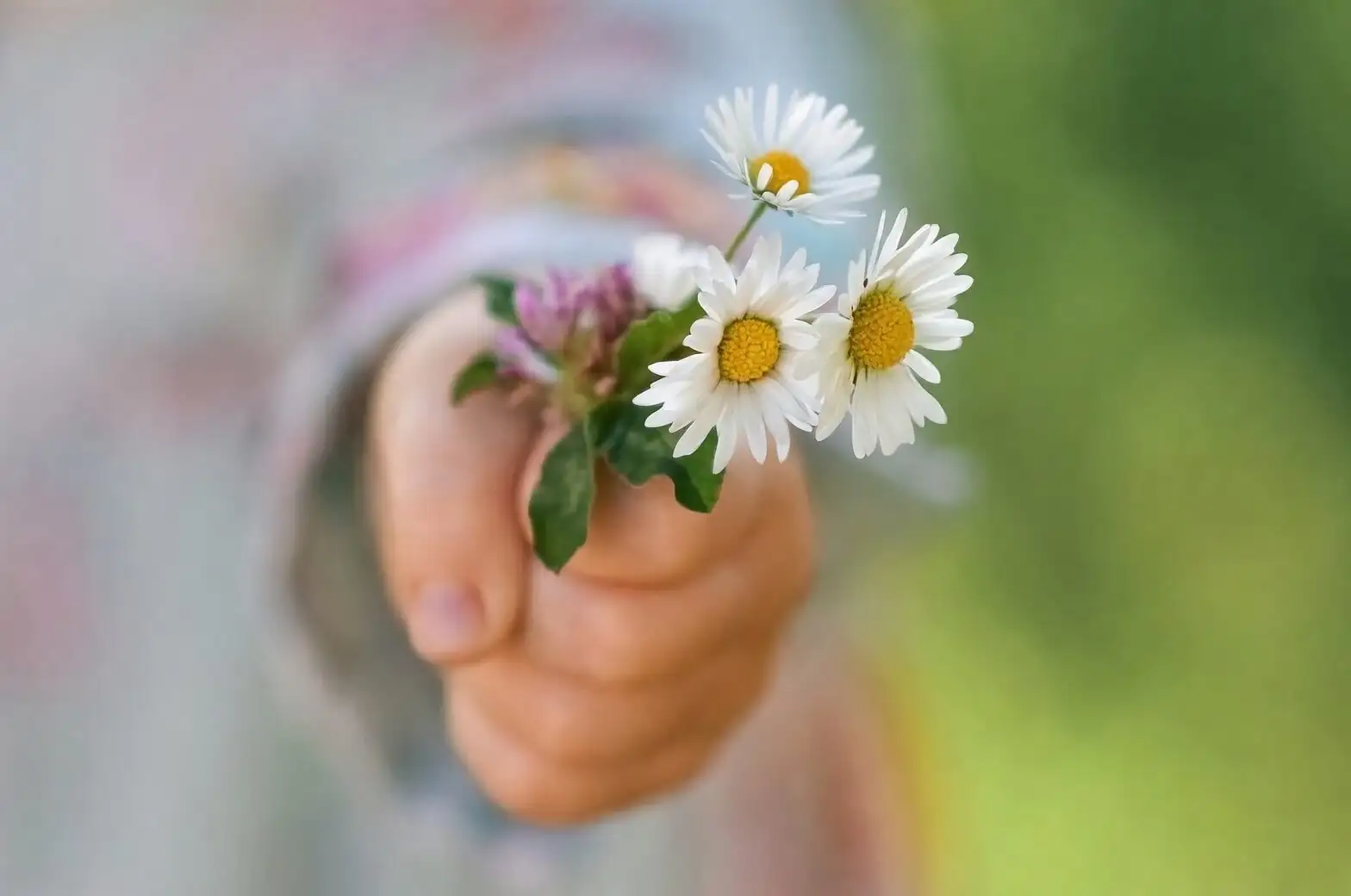
- New home or new job: “May your days open to the sun.” A container on a bright balcony or doorstep sets the tone.
- Recovery and encouragement: “Clouds pass; blue sky returns.” Ideal after exams, tough projects, or illness.
- Spring and autumn gatherings: It’s at its best in cool‑to‑mild weather—perfect for equinox parties or garden teas.
- Casual weddings and “something blue”: A lighthearted nod to steadfast, sunny companionship.
- Thank‑you gifts: The friendly, approachable bloom says gratitude without formality.
Short card lines you can borrow:
- “Here’s to doors and days opening.”
- “May your sky stay bright, even after the rain.”
- “A little daily sun, in flower form.”
Why the botany backs the poetry
- Habit and look: Compact, mounding plants typically 20–45 cm tall, 30–60 cm wide, with narrow, medium‑green leaves and masses of daisy‑like blooms in pale to light blue, often with a deeper center.
- Season: A marathoner—from early spring through fall, especially in cool‑to‑mild spells.
- Daily rhythm: Flowers open in strong light and often close at night or on cloudy days—a natural amplifier for messages of optimism and right timing.
- Growing needs (the “practical poetry”):
- Sun: Full sun for best flowering.
- Soil: Well‑drained, moderately fertile; avoid soggy roots.
- Care: Water thoroughly, then let the top 2–3 cm dry; deadhead to keep new buds coming; light feed in active growth.
- Climate: Best at 10–24°C; protect from hard frost. In cold zones, enjoy as an annual or overwinter frost‑free in bright, cool light.
Kindness note: Not widely reported as toxic to people or pets, but any ornamental can upset tummies if nibbled—keep out of easy reach of curious companions.
Bringing it all together
Falling Stars Cape Daisy is more than a pretty face; it’s a tiny, reliable weather report for the soul. It teaches the art of right timing—close when light is scarce, open wide when it returns—and turns that rhythm into a language of cheer, resilience, and clear‑sky beginnings. Place it where sun and spirits rise, gift it when a friend needs daylight, and let its blue eye be a small, steady reminder to look for the next bright hour.