

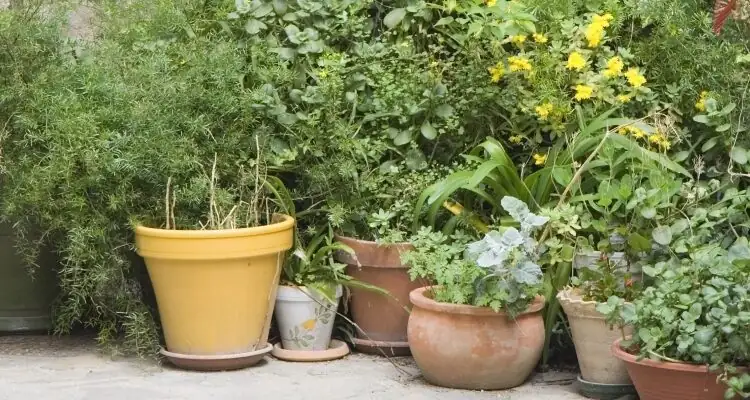
Think of Asparagus densiflorus as the plant that wears chiffon but hikes in boots. Its feathery, fern-like plumes look delicate, yet this South African native is surprisingly tough—especially in warm climates. That said, smart landscaping with asparagus fern means putting light and heat to work for you, using containers as control tools, and doing a quick invasive-status check before it ever hits the soil.
Meet Asparagus densiflorus (aka Asparagus Fern)
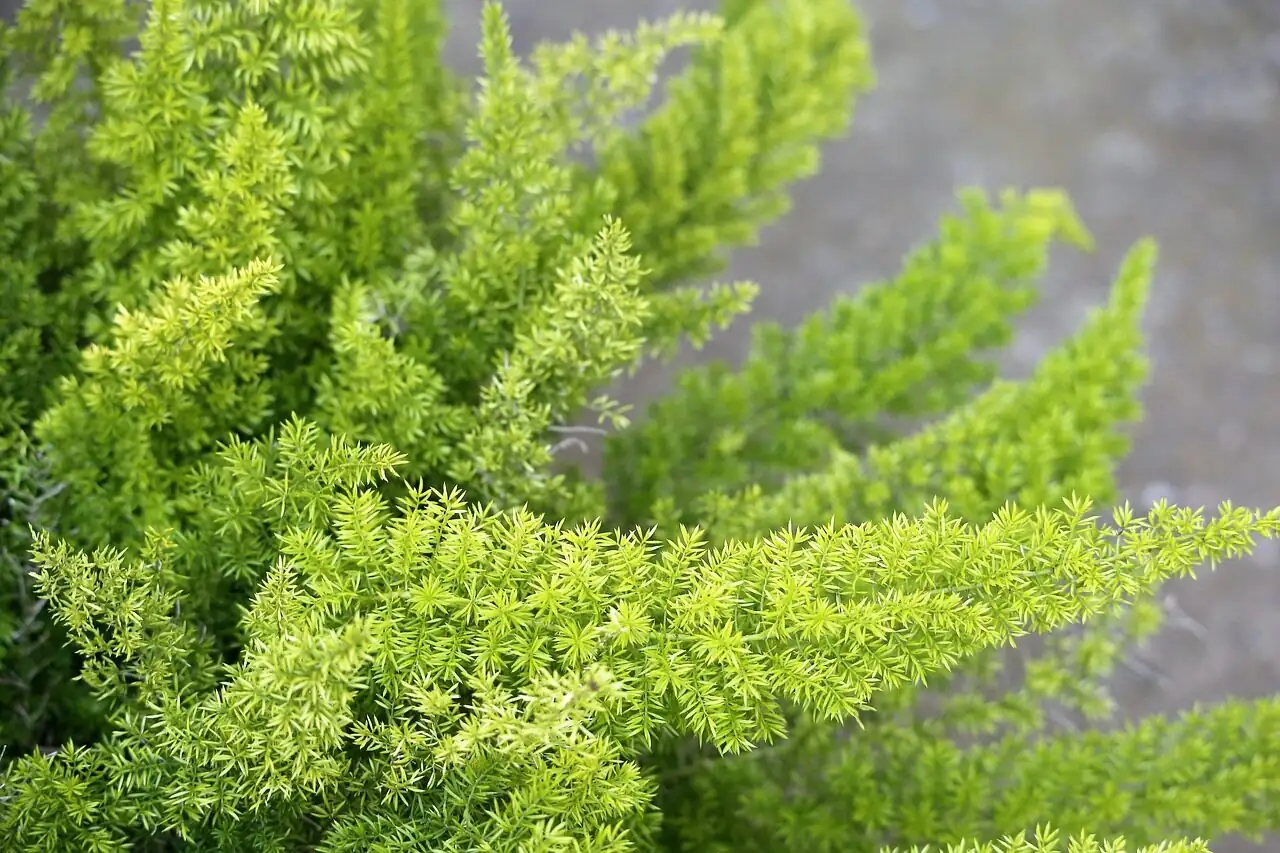
- What it is: A member of the Asparagaceae (not a true fern), with soft, airy sprays of bright green cladodes (modified stems that look like leaves).
- Where it’s from: Southern Africa, especially South Africa and Mozambique.
- Why we love it: Cascading, arching growth that looks lush in hanging baskets and tall planters; forgiving care thanks to water-storing, tuberous roots.
- Size and habit: Commonly about 24 × 24 in (60 × 60 cm) in containers; arching to trailing/cascading.
- Common names and look-alikes to know: Asparagus fern, Foxtail fern, Plume asparagus, Sprenger’s asparagus. You’ll also see naming confusion with Asparagus aethiopicus in some sources and plant lists—keep the synonyms in mind when researching local regulations.
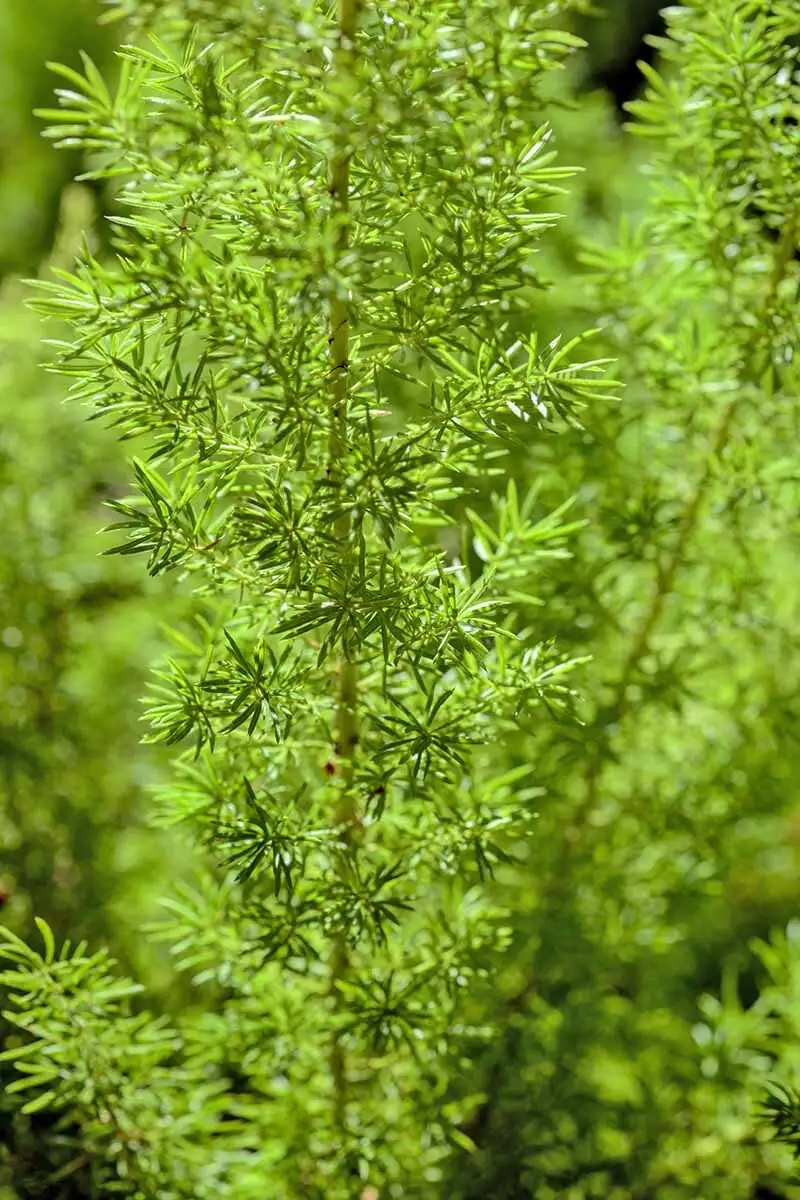
Sun vs. Shade: Getting the Best Performance in Warm Zones
Warm-zone landscapes (USDA 9–11) offer asparagus fern a long runway, but light makes or breaks the look.
The sweet spot: Bright, filtered light to partial shade
- Lush, soft plumes with good density.
- Ideal exposures: dappled tree shade, covered patios, north or east sides of buildings, or set back from bright west/south light.
- A few hours of gentle morning or late-afternoon sun is usually fine.
When it’s too sunny
- Midday sun in hot climates can scorch or bleach the foliage and dry the potting mix too fast.
- If you’re transitioning a plant to brighter light, acclimate over 1–2 weeks to avoid burn.
- Watch out for “heat traps” like white walls, reflective gravel, and pool decks.
When it’s too shady
- Deep shade can lead to looser, more open growth and fewer plush “plumes.”
- If your plant looks sparse, nudge it into brighter, filtered light rather than blasting it with direct sun.
Container-First Strategy: Beauty, Mobility, and Control
Containers are your best friend for design flexibility and containment.
Design advantages
- Elevation is magic: hanging baskets and tall planters let the plumes spill for that waterfall effect.
- Easy to shuffle with the seasons—brighter winter spots, cushioned summer shade.
Control advantages
- Keep containers off bare soil to prevent stems from rooting where they touch ground.
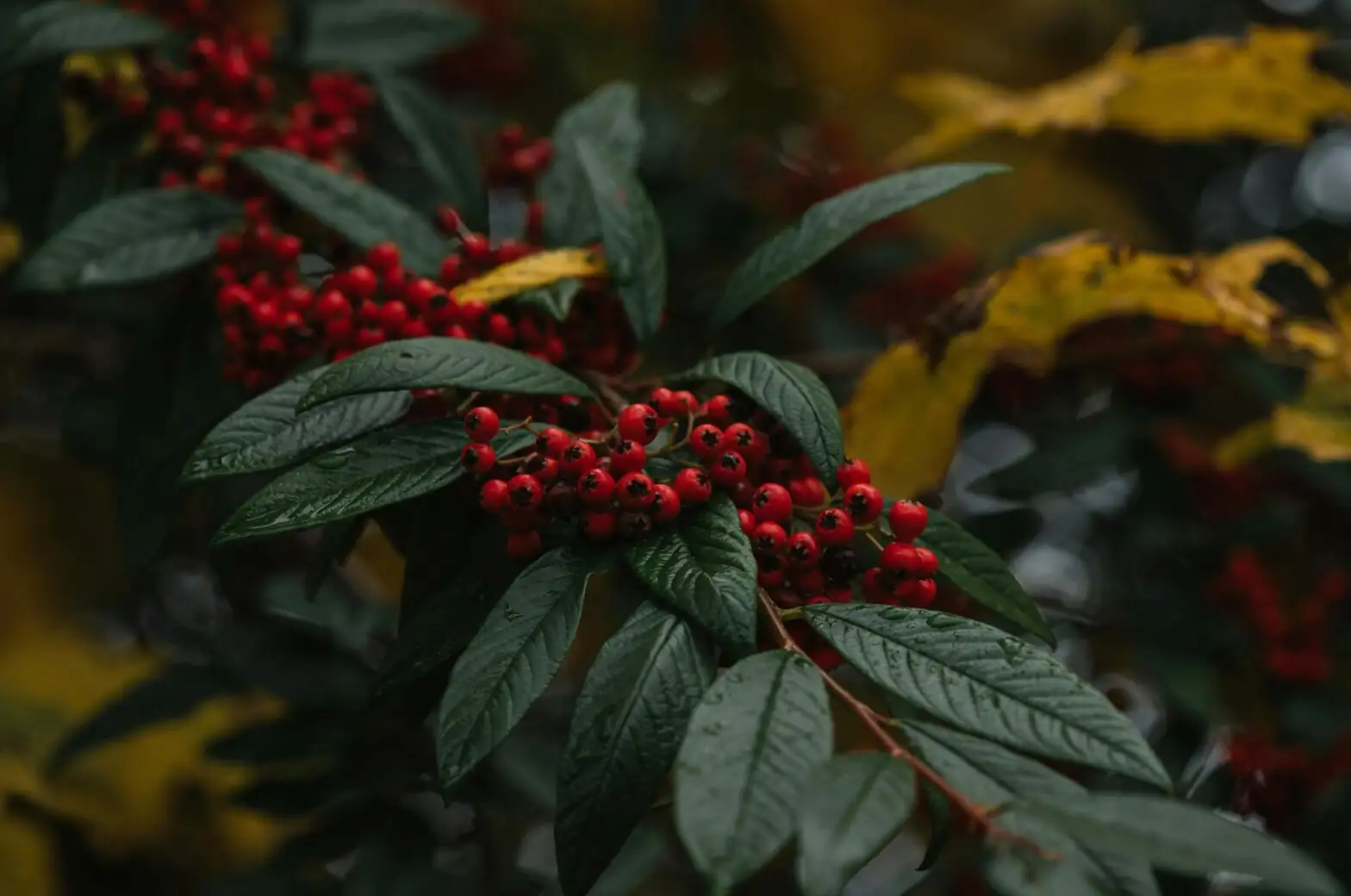
- Snip off flowers/berries before birds spread seed; never toss trimmings or berries into green waste that isn’t hot-composted. Bag and bin instead.
- If local advisories allow only contained use, keep plants on hardscape and commit to regular deadheading.
Potting and ongoing care
- Mix: loose, well-draining potting mix in a pot with drainage holes. Avoid heavy, water-retentive blends.
- Watering: spring–autumn, water when the top 0.4–0.8 in (1–2 cm) dries; keep evenly moist but not soggy. In winter, let the surface dry between waterings.
- Feeding: monthly at half-strength with a balanced liquid fertilizer during the growing season; pause or reduce in winter.
- Pruning: in spring, remove brown or overly long/leggy stems at the base to spark fresh growth.
- Repotting: when root-bound (often every 1–2 years), size up one pot (about 1–2 in / 2–5 cm wider) and refresh the mix.
- Division: easiest in spring—split the dense, tuberous root ball so each division has roots and several healthy stems.
Groundcover in USDA 9–11: Pros, Cons, and Smart Boundaries
In frost-free zones, asparagus fern can serve as a durable, textural groundcover—but plan for control from day one.
- Pros: plush, perennial greenery; tolerates warm conditions and recovers well from short dry spells.
- Cons: can spread where conditions suit it; old clumps develop stout, tuberous roots that are stubborn to remove.
- Smart boundaries:
- Choose partial shade locations with defined hardscape edges.
- Install clean edging and keep the planting away from natural areas.
- Deadhead to limit berry (seed) spread; collect and trash trimmings.
- For maximum control, use large containers or raised planters instead of in-ground beds.
Before You Plant: Check Invasive-Species Advisories
Asparagus fern is considered invasive in parts of the warm U.S., including Florida, Texas, and Hawaii. A quick check now saves big headaches later.
A fast due-diligence checklist
- Search by multiple names: “Asparagus densiflorus,” “Asparagus aethiopicus,” “Sprenger’s asparagus,” “asparagus fern,” and “foxtail fern.”
- Look up:
- Your state’s noxious or invasive plant list.
- Your county extension or weed board pages.
- Regional assessments and databases (examples include UF/IFAS Assessment for Florida, Texas Invasives, Hawaii Invasive Species Council, EDDMapS, and Invasive Plant Atlas of the U.S.).
- If flagged in your area:
- Choose a different plant with a similar look (e.g., non-invasive, fine-textured grasses or truly sterile, ferny ornamentals).
- If permitted only in containers, commit to rigorous berry removal and careful green-waste disposal.
Water, Heat, and Climate Tips for Warm Regions
- Temperature: happiest around 55–75°F (13–24°C). Protect from cold drafts; avoid temps below about 50°F (10°C).
- Humidity: tolerates average outdoor air better than true ferns, but appreciates occasional misting in dry spells.
- Irrigation rhythm:
- Spring–autumn: aim for even moisture; don’t let the pot stay waterlogged.
- Heat waves or brighter exposures: expect to water more often, but always check the top inch first.
- Winter or cool snaps: scale back and keep it warmer with bright, filtered light.
Pests, Pets, and People: Keep It Safe and Clean
- Pests: spider mites, mealybugs, and scale can appear, especially in hot, dry pockets. Increase airflow, rinse foliage, and treat with insecticidal soap or horticultural oil as needed.
- Disease: root rot is the classic pitfall—avoid heavy mixes and standing water.
- Toxicity: mildly toxic if ingested. Berries and foliage can upset stomachs in people and pets (cats/dogs). Sap may irritate sensitive skin—wear gloves if you react easily and site plants away from curious nibblers.
Quick Planting Recipes
For containers (ideal in warm zones)
1) Choose a hanging basket or tall planter with drainage.
2) Fill with a loose, well-draining potting mix.
3) Plant slightly high; gently firm.
4) Water thoroughly, then allow the top 0.4–0.8 in (1–2 cm) to dry before watering again.
5) Place in bright, filtered light; give morning sun only if gentle.
6) Feed monthly at half strength in spring–autumn; prune and repot/divide as needed.
For controlled beds (only where permitted)
1) Confirm it’s not invasive locally; set boundaries with hard edging.
2) Site in partial shade; enrich soil lightly but ensure drainage.
3) Space for 24 in spread; mulch to moderate heat and moisture loss.
4) Irrigate to keep evenly moist while establishing; deadhead to prevent berries.
5) Inspect edges monthly and remove any escapees promptly; bag all trimmings.
Style Notes, Symbolism, and Floral Use
- Design magic: Pair with bold leaves (agaves, philodendrons in frost-free spots) or fine-textured companions for a layered, coastal-modern look.
- In arrangements: long-lasting, airy greenery accent.
- Symbolism and “flower language” (花语): Often read as resilience and enduring affection—the soft look that masks real toughness. While not a traditional floristry “language” staple, the association fits its character: it looks fragile, yet endures heat, missed waterings, and the occasional pruning with grace.
Fast FAQ
- Can it take direct sun? Gentle morning or late-day sun is usually fine; strong midday sun can scorch. Acclimate gradually if moving brighter.
- Why is it yellowing or dropping “needles”? Most often uneven watering (too wet or too dry), low light, or spider mites. Rebalance light and moisture, and inspect for pests.
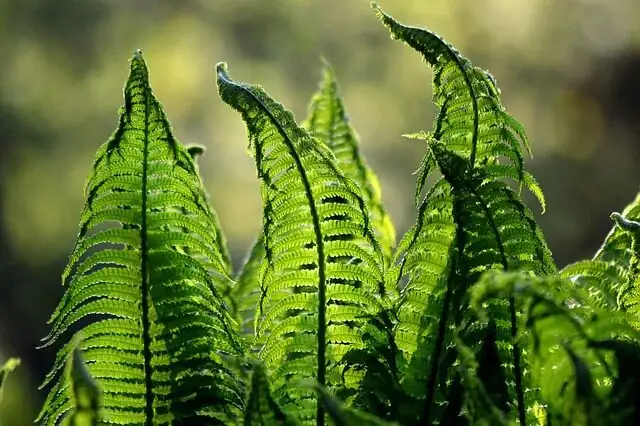
- Is it really a fern? No. Those “leaves” are cladodes—modified stems—one reason it handles average air better than many true ferns.
Smart landscaping with asparagus fern is about three levers: give it bright, filtered light; control it with containers and clean habits; and always check your local advisories first. Do that, and this chiffon-clad workhorse will reward you with year-round texture that looks luxe and lives tough.