

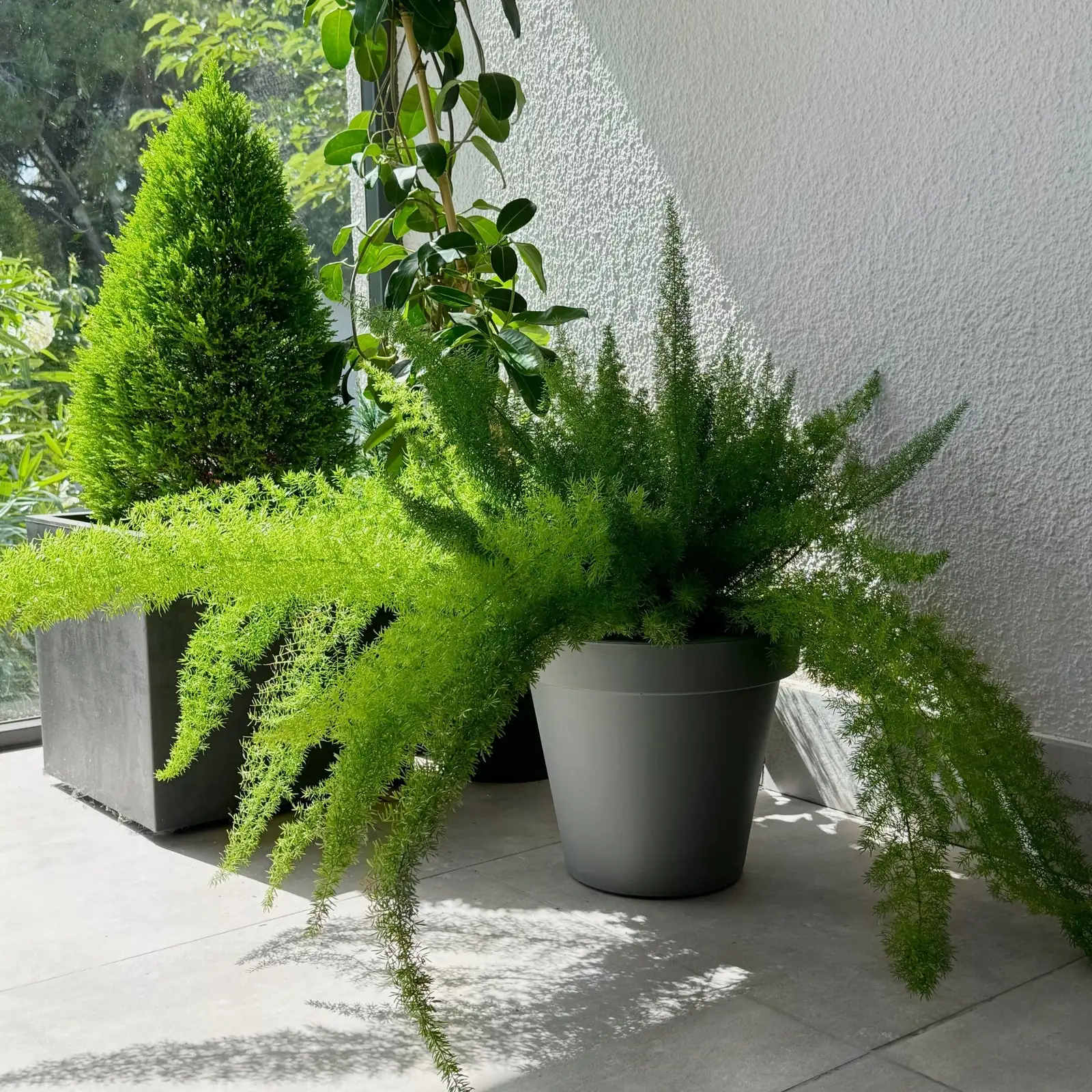
If you’ve ever wanted a plant that looks like chiffon but takes life like denim, meet Asparagus densiflorus—the Asparagus Fern. Its airy, feathery sprays spill and cascade from pots and baskets, yet it’s not a true fern at all. With water‑storing roots and a forgiving nature, it’s primed to cruise through winter and burst into spring—if you tune your care to the seasons. Use this month‑by‑month playbook to keep watering, feeding, pruning, repotting, and light just right.
Note: Months below follow a temperate Northern Hemisphere rhythm. In the Southern Hemisphere, swap roughly by six months.
Quick profile (so we’re on the same page)
- Light: Bright, indirect light to partial shade. A little gentle morning or late‑afternoon sun is fine; avoid harsh midday.
- Temperature: 13–24°C (55–75°F). Protect from cold drafts; don’t let it dip below ~10°C (50°F).
- Water: Spring–autumn, keep evenly moist—water when the top 1–2 cm (0.4–0.8 in) dries. Winter, water less; let the surface dry between waterings.
- Feeding: Spring–autumn, monthly at half strength with a balanced liquid fertilizer. Pause or nearly stop in winter.
- Soil and pot: Loose, well‑draining mix in a pot with drainage. Start modestly sized and avoid heavy, water‑retentive soils.
- Pruning: In spring, remove brown, damaged, or leggy stems at the base to spark fresh plumes.
- Repot/propagate: Repot when root‑bound (every 1–2 years). Divide in spring if you want more plants.
The month‑by‑month playbook
January
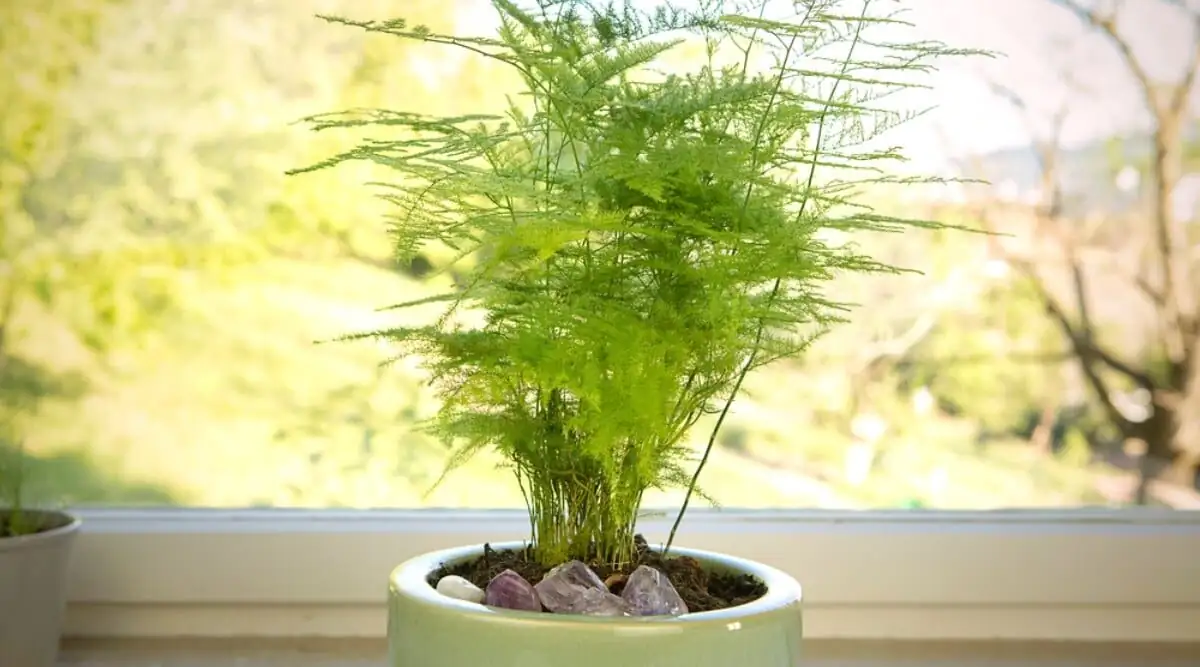
- Water: Go light. Let the top 1–2 cm dry before watering; never let it sit soggy.
- Light: Scoot it closer to a bright window, or add a grow light for short days. Rotate weekly for even growth.
- Feeding: Skip.
- Pruning: Only snip obviously brown stems at the base.
- Extras: Keep off cold sills and away from heat vents. Quick pest check (spider mites love dry air).
February
- Water: Same gentle winter rhythm—thorough water, then drain well.
- Light: Bright, filtered light. Clean the window and dust the foliage to maximize winter rays.
- Feeding: Still skip.
- Prep: Peek at the roots through the drainage holes. If crowded, plan a spring repot.
- Pest patrol: Inspect undersides of sprays for mites, mealybugs, or scale.
March
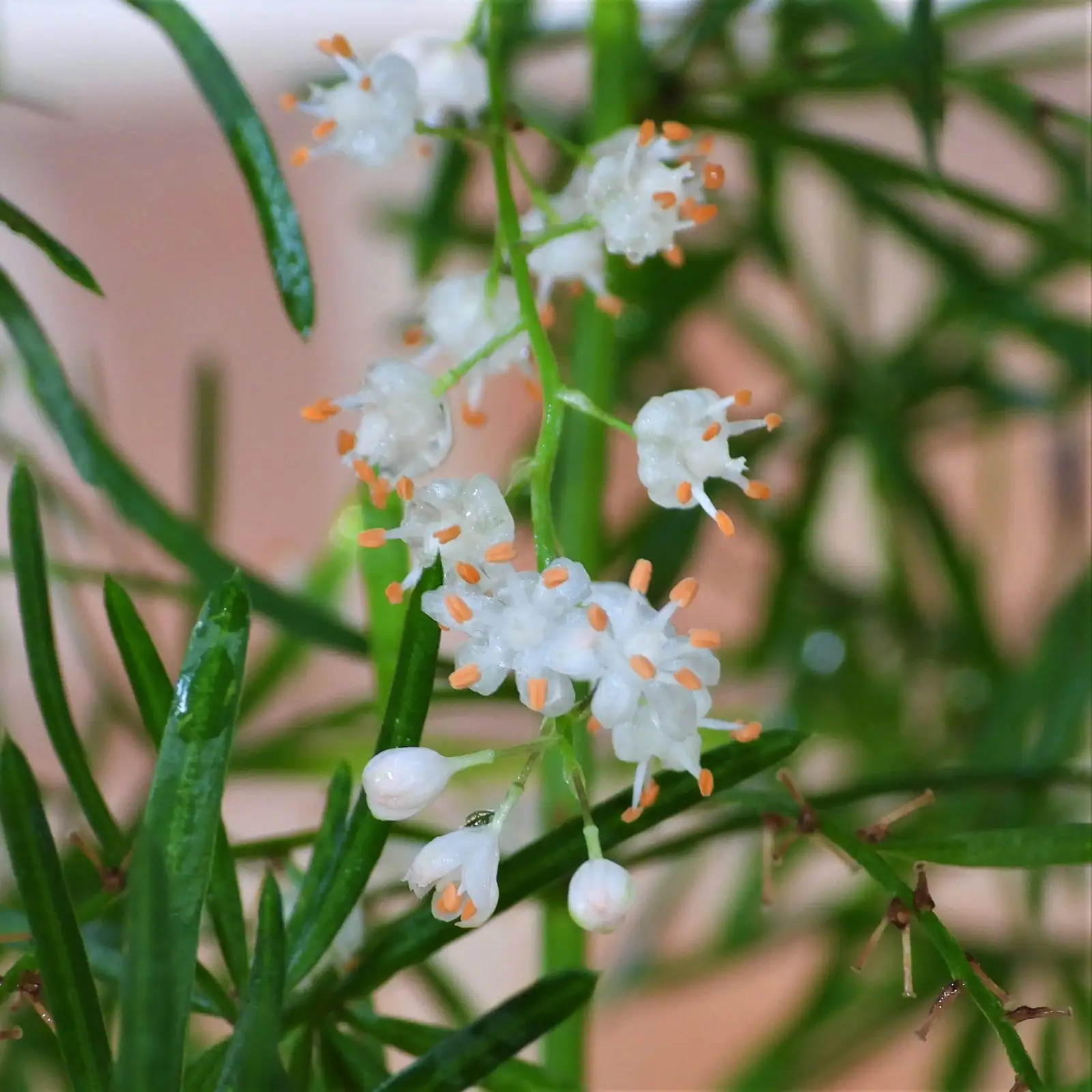
- Water: Begin increasing frequency—aim for evenly moist as days lengthen.
- Light: Nudge it brighter; introduce a bit of soft morning sun gradually.
- Feeding: First half‑strength feed of the year.
- Pruning: Spring cleanup time. Cut brown, tired, or overly long stems at the base to cue fresh growth.
- Repot/Divide: Best window. Move up 2–5 cm (1–2 in) in diameter and refresh the mix. For division, split the dense, tuberous rootball so each section has roots and several healthy stems.
- Aftercare: Water to settle, then let excess drain; keep out of strong sun for a week.
April
- Water: Keep evenly moist. The plant is waking fast now.
- Feeding: Month two at half strength.
- Light: Bright, indirect; gentle morning sun OK. Avoid harsh midday.
- Grooming: Remove any odd straggler stems at the base. Rotate for symmetry.
- Pest patrol: New growth is tender—check weekly.
May
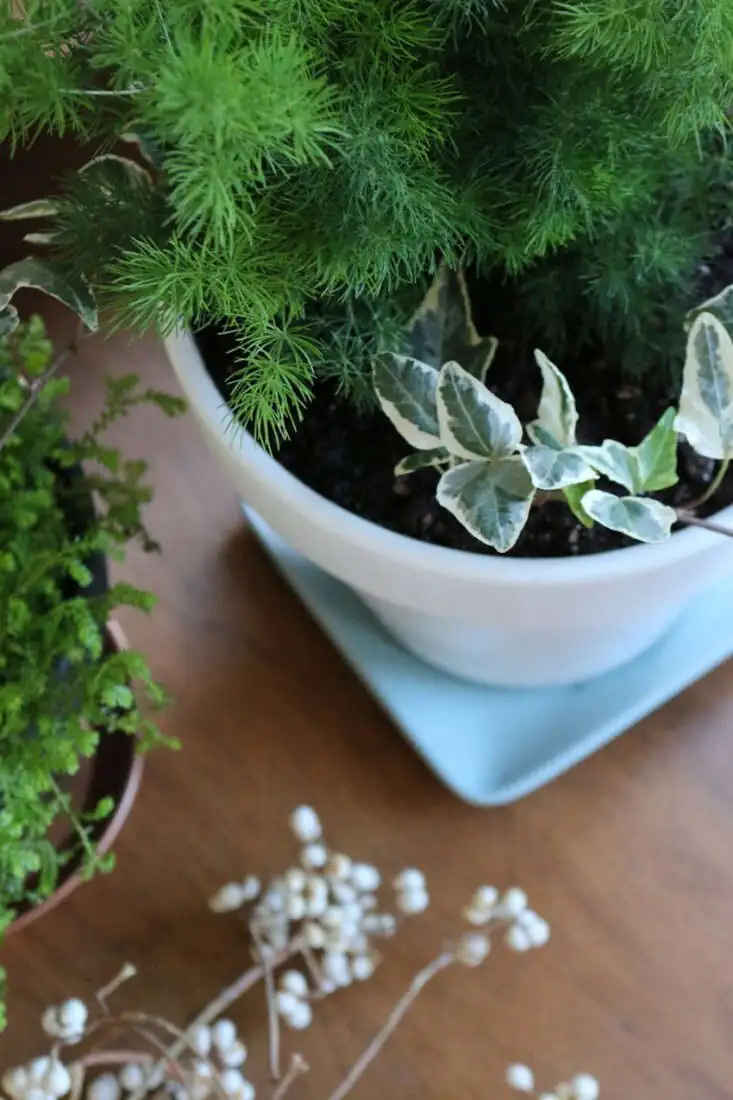
- Water: Warmer rooms = quicker drying. Water when the surface just starts to dry.
- Feeding: Keep the monthly rhythm.
- Light: Great month for a few hours of soft outdoor morning sun (acclimate over 7–10 days). Indoors, pull back from blazing south/west windows.
- Bonus: Flush the pot once this month (thoroughly water until it drains) to reduce fertilizer salts.
June
- Water: Consistent moisture is key. Never waterlog; never bone‑dry for long.
- Feeding: Half‑strength, once.
- Light: Bright, filtered. Outdoor vacations are fine if the light is dappled and heat is moderate.
- Grooming: Snip at the base any stem that crowds or looks tired to keep the spray elegant.
July
- Water: Heat management month. Check moisture more often, but keep your “surface‑dry, then water” rule.
- Feeding: Monthly, half strength.
- Light: Shield from fierce midday sun; bright shade is your friend.
- Humidity help: Pebble tray or occasional misting is nice (not essential), especially in very dry rooms.
- Pest patrol: Mites exploit heat and dryness—inspect closely.
August
- Water: Stay steady—thorough soaks, then drain. Don’t let the pot stew in saucers.
- Feeding: Monthly, half strength.
- Light: Maintain bright, indirect; avoid scorch.
- Planning: If it’s clearly root‑bound, note it and wait to repot next spring.
September
- Water: Start easing off as nights cool—let the surface dry a bit longer between drinks.
- Feeding: This can be your last feed of the season.
- Light: If it summered outdoors, bring it in before nights drop near 10°C (50°F). Give it the brightest indoor spot you have.
- Grooming: Remove any battered stems from the move.
October
- Water: Shift to winter mode—moderate, with light surface dry‑down.
- Feeding: Pause.
- Light: Shorter days—maximize brightness and consider a small grow light if your home is dim.
- Cleanse: A gentle shower (lukewarm) helps dust and deters pests. Let it drain fully.
November
- Water: Conservative and consistent. Err slightly dry rather than wet.
- Feeding: None.
- Light: Bright, filtered; keep away from drafts.
- Checkup: Look for yellowing from low light or watering swings; adjust placement and schedule.
December
- Water: As in January—measured and mindful.
- Feeding: Still off.
- Light: Park it where mornings are bright; rotate for balance. Holiday heat vents and fairy lights can dry air—keep a buffer zone.
- Safety: Keep curious pets away from berries and foliage.
Spring “explosion” checklist (do these and watch it plume)
- Prune hard in early spring: Remove brown, lanky, or crowded stems at the base.
- Refresh the root zone: Repot or divide if tight; use a loose, well‑draining mix and a pot with drainage.
- Resume feeding: Balanced liquid fertilizer at half strength, monthly.
- Dial in light: Bright, indirect with a little gentle morning sun after gradual acclimation.
- Water rhythm: Even moisture—water when the top 1–2 cm dries.
Reading the plant’s signals
- Yellowing or needle drop: Often from inconsistent watering, low light, or spider mites. Brighten the spot, reset watering, and inspect for pests.
- Brown tips: Usually dryness or fertilizer salt buildup. Water more evenly and flush the pot.
- Leggy, thin sprays: Not enough light—move closer to bright, indirect light.
- Mushy roots or sour smell: Overwatered/heavy mix—repot into a well‑draining blend and reduce watering.
Safety, pests, and other practicalities
- Pests: Spider mites, mealybugs, and scale are the usual suspects. Improve airflow, rinse foliage, and treat with insecticidal soap or horticultural oil as needed.
- Disease: Root rot if the mix stays wet. Drainage holes and a breathable mix are non‑negotiable.
- Toxicity: Mildly toxic if ingested; berries and foliage can upset pets and people. Sap may irritate sensitive skin—gloves help.
- Outdoors in warm zones (9–11): It can be an enduring landscape plant, but avoid frost. In some regions it can escape cultivation; don’t let berries spread and dispose of trimmings responsibly.
A quick note on names and looks
- Not a true fern: Those “leaves” are actually tiny modified stems called cladodes.
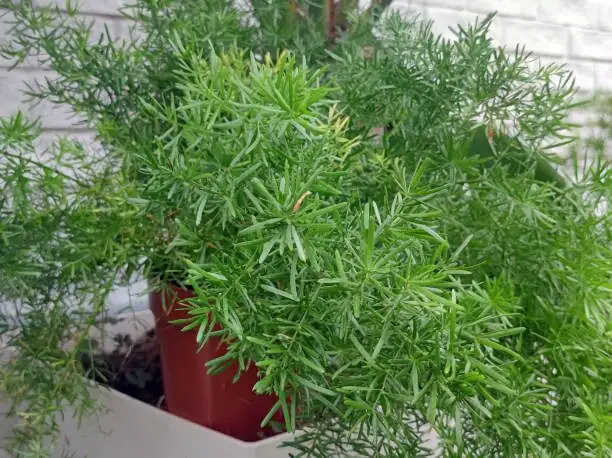
- Habits: Arching to cascading sprays look superb in hanging baskets or tall planters, where they can show off their plume‑like texture.
Symbolism (flower language) and why it fits
- Asparagus Fern is often linked with resilience and enduring affection. The origin is less from historic floristry codes and more from its modern reputation: a plant that presents softness yet endures real‑world conditions—missed waterings, dry apartments, and seasonal shifts. It’s a living reminder that gentleness and strength can share the same stem.
How to adapt for your climate
- Southern Hemisphere: Swap months by six (your September = Northern March).
- Tropical homes with steady light: The plant may grow year‑round; keep the “spring–autumn feed monthly, winter pause” pattern, but your “winter” may simply be the cloudiest stretch.
- Cool, dim apartments: Supplement with a small LED grow light 10–12 hours daily in winter; keep temperatures above 13°C (55°F).
With this cadence—lighter hands in winter, a little salon day and fresh mix in spring, steady watering and modest feeding in the growing months—your Asparagus Fern will not just survive the off‑season; it’ll pour over the pot rim in fresh green fountains when spring arrives.