

Soft as a cloud, tough as hiking boots—that’s the paradox that made Asparagus densiflorus, the so‑called Asparagus Fern, a modern emblem of enduring affection and resilience. It looks delicate, yet it keeps going through missed waterings and dry room air with surprising good grace. How did a not‑actually‑a‑fern earn meanings rooted in Victorian fern lore and today’s gifting and feng shui culture? Let’s trace the story.
Meet Asparagus densiflorus: a faux fern with staying power
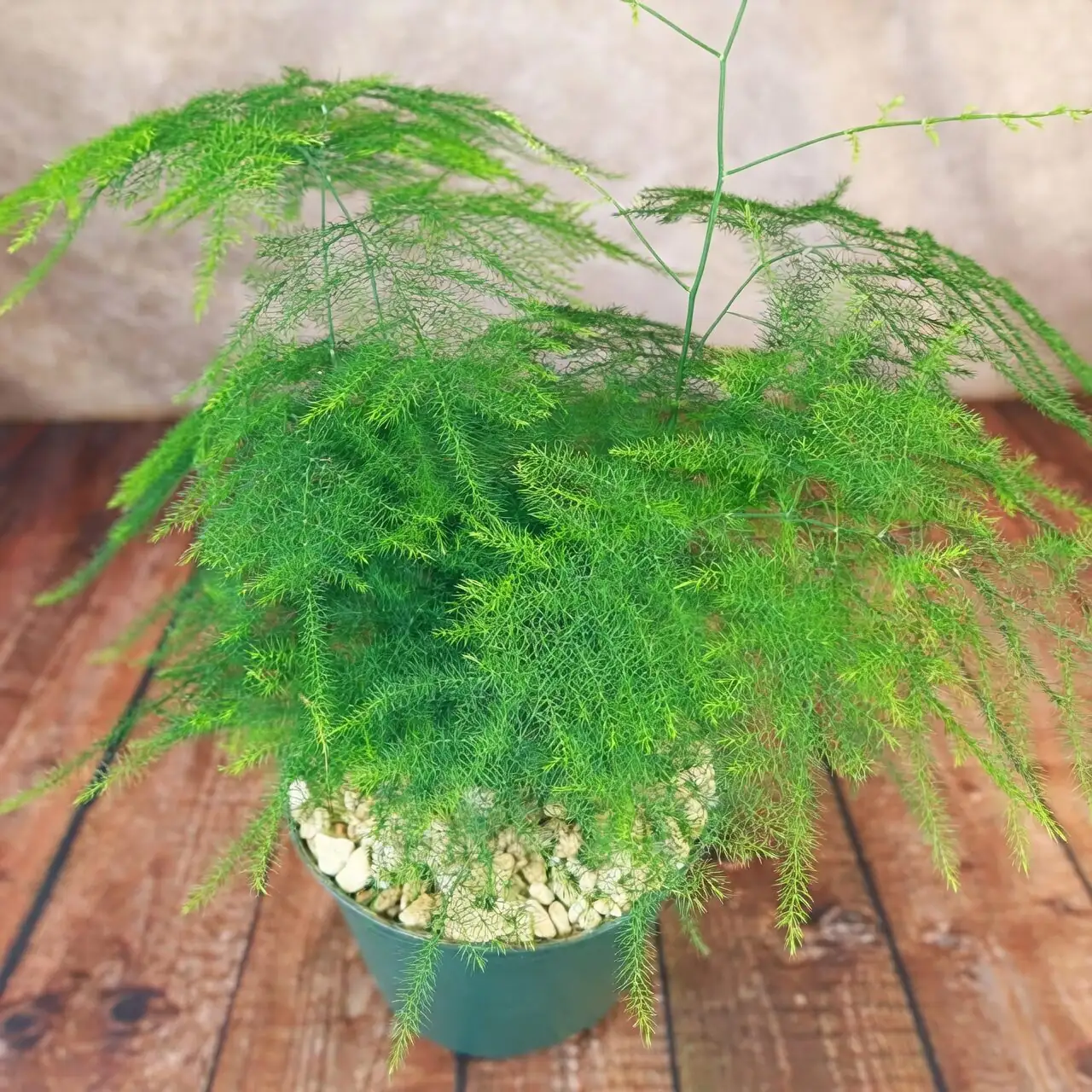
- Not a true fern: Its feathery “leaves” are actually needle‑fine cladodes (modified stems) arranged in plume‑like sprays.
- Native range: Southern Africa (notably South Africa and Mozambique).
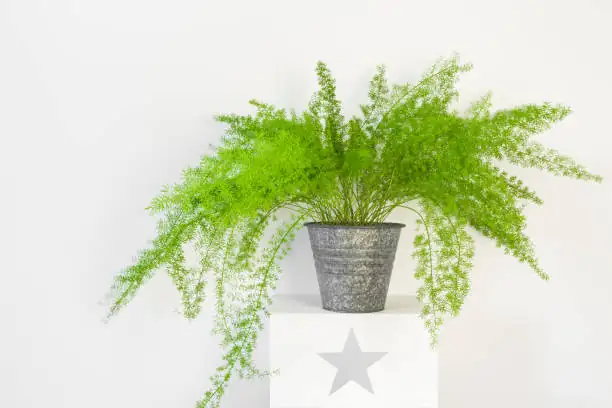
- Habit and size: Arching, trailing stems that cascade beautifully from hanging baskets or tall planters; typically around 60 × 60 cm (24 × 24 in) in containers.
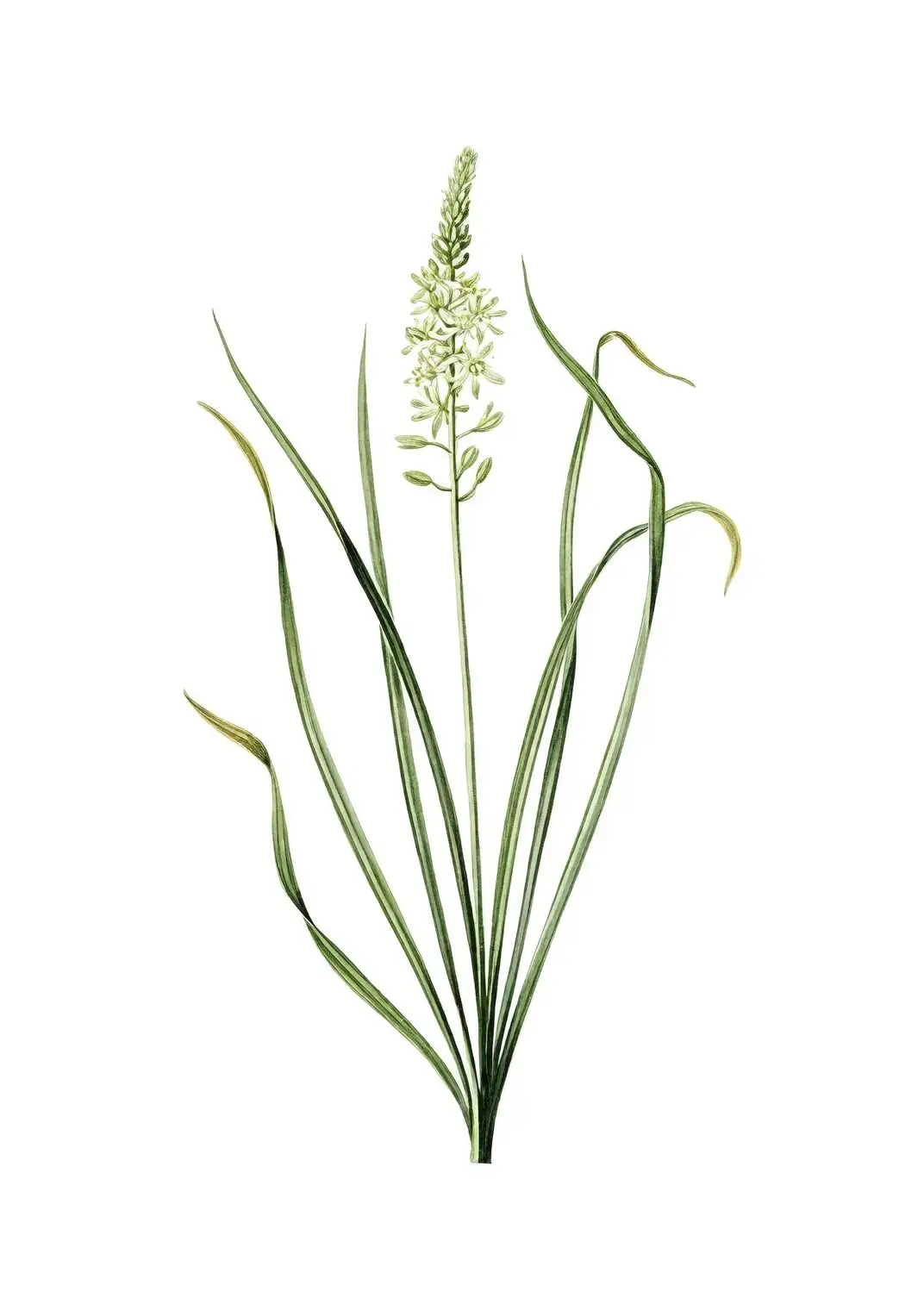
- Flowers and fruit: Mature plants may produce small, starry white flowers in late spring to summer, sometimes followed by red berries.
- Tough core: Tuberous, water‑storing roots help it ride out the occasional missed watering better than many true ferns.
- Also known as: Foxtail Fern, Plume Asparagus, Sprenger’s Asparagus—names you’ll still spot on plant labels and in the floral trade.
How did its meanings take root?
The Victorian fern craze set the stage
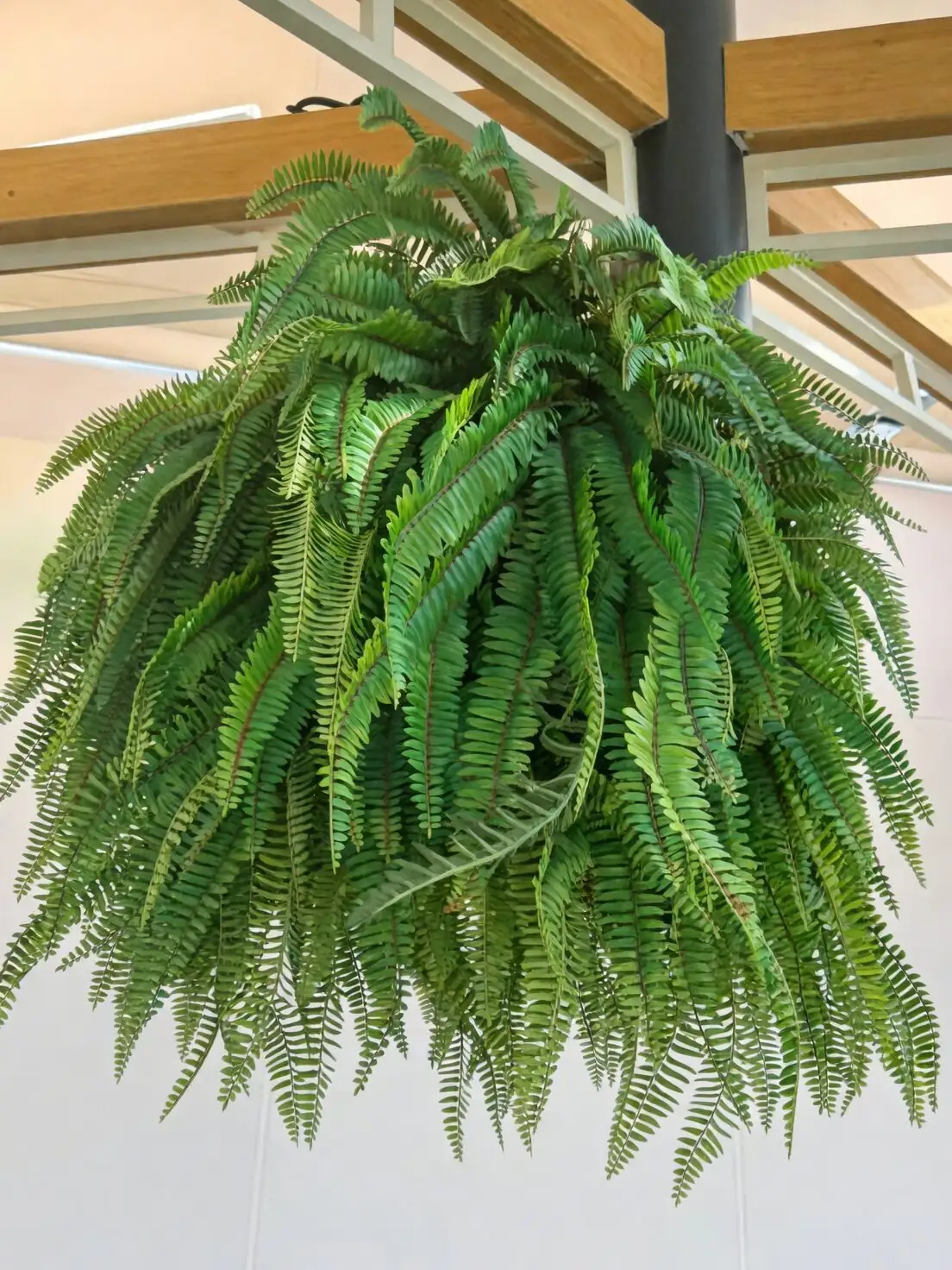
Nineteenth‑century Britain fell in love with ferns—pteridomania swept parlors, conservatories, and the “language of flowers.” Fern fronds came to signify sincerity, discretion/prudence, and even a brush of mystery or “magic.” While Asparagus densiflorus isn’t a fern, its fern‑like texture made it a natural understudy: a fern lookalike that could stand in when true ferns were tricky indoors.
From that period, two ideas lingered and later attached themselves to Asparagus Fern:
- Sincere, steady feeling (the fern’s Victorian “sincerity”)—easy to translate into “enduring affection” when you gift a plant that lasts.
- Quiet strength—akin to the fern’s reputation for resilience—now literalized by this plant’s robust, water‑storing roots and forgiving nature.
Important note: there isn’t a single, authoritative flower‑language canon for Asparagus densiflorus. Its modern meanings are a cultural blend: general fern symbolism filtered through horticulture and floristry, then updated by houseplant and gifting trends.
From florists’ benches to living rooms: why “enduring affection” stuck
In bouquets and arrangements, Asparagus Fern is prized as long‑lasting greenery. At home, it’s an “easy win”—feathery and elegant without the fuss of high‑humidity ferns. Put those together and you get a very contemporary message: I care for you in a way that lasts and doesn’t demand drama. The plant’s longevity in a hanging basket or tall planter makes that message visible day after day.
A feng shui–friendly feather duster of green
Modern feng shui practice often treats healthy plants as Wood‑element boosters—symbols of vitality, renewal, and steady growth.
- Where it fits: Use it in bright, indirect light in shared spaces to invite a gentle, calming energy. Many practitioners place lush plants in the East (Family/Health) or Southeast (Wealth) sectors.
- Why it resonates: Its soft, plume‑like texture tempers hard lines and brings movement without sharpness, aligning with the idea of growth that’s resilient but not aggressive.
As always, feng shui guidance varies by school and practitioner. Consider these placements as thoughtful options—not rigid rules—and prioritize the plant’s actual light and temperature needs.
The caveat on “flower language” for this species
- No single historical script: Asparagus densiflorus wasn’t assigned a dedicated meaning in classic Victorian dictionaries.
- Today’s meanings emerge from overlap: fern floriography (sincerity, prudence, quiet strength) + the plant’s proven toughness indoors + its popularity as enduring greenery in design and gifts.
- Result: Enduring affection and resilience are widely recognized modern themes, rather than strict traditional doctrine.
Symbolism cheat sheet (modern, widely used)
- Enduring affection: Long‑lasting, soft greenery that thrives with steady, moderate care mirrors reliable love and friendship.
- Resilience: Tuberous roots and forgiving nature make it a living emblem of bouncing back and quietly persevering.
- Sincerity and prudence: Echoes of Victorian fern lore that often ride along whenever “fern‑like” foliage appears in arrangements.
- Home and family: In some contemporary interpretations (and drawing on broader fern symbolism), its lush, protective look signals care for the household.
Gifting and styling ideas
- New home or new job: A wish for resilience and steady growth—place it where bright, indirect light abounds.
- Long‑distance friendship: A living reminder that affection continues to cascade, even across miles.
- Weddings and anniversaries: As a potted gift or as filler greenery in arrangements, it underscores lasting commitment with airy elegance.
- Styling tips:
- Hang in an east‑facing window or lift it on a stand to showcase the spill.
- Pair with matte ceramic or woven baskets to echo its soft texture.
- For bouquets, use its plume‑like sprays to add movement and a light, romantic frame.
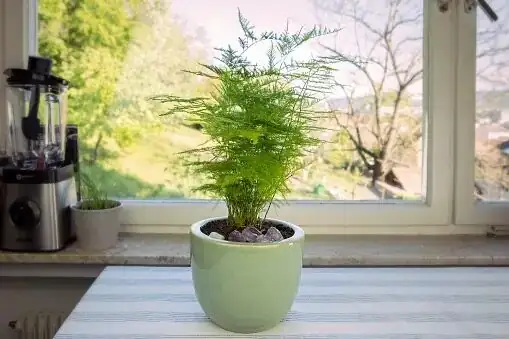
Care that reinforces the message
Light and placement
- Bright, indirect light to partial shade; avoid harsh midday sun.
- A few hours of gentle morning or late‑afternoon sun are usually fine.
- Best spots: Near an east‑ or north‑facing window, or set back from south/west windows with filtered light.
Temperature and humidity
- Ideal range: 13–24°C (55–75°F); protect from cold drafts and avoid dips below about 10°C (50°F).
- Humidity: Copes with average indoor air better than most true ferns; occasional misting or a pebble tray is a bonus, not a must.
Water and soil
- Spring–autumn: Keep evenly moist, watering when the top 1–2 cm (0.4–0.8 in) dries.
- Winter: Water less; let the surface dry between waterings.
- Soil: Loose, well‑draining potting mix in a pot with drainage holes; avoid heavy, water‑retentive blends.
Feeding and grooming
- Feed monthly spring through autumn with a balanced liquid fertilizer at half strength; pause or greatly reduce in winter.
- Prune in spring: Remove brown, damaged, or overly long stems at the base to tidy and encourage fresh growth.
Repotting and propagation
- Repot every 1–2 years when root‑bound; size up just 2–5 cm (1–2 in) and refresh the mix.
- Best propagation: Division in spring—split the tuberous root ball so each section carries roots and several healthy stems.
Outdoors and hardiness
- USDA Zones 9–11 outdoors; not frost hardy. In cooler climates, keep it as a houseplant or bring containers in before cold arrives.
Safety and health
- Mild toxicity: Berries and foliage can cause gastrointestinal upset in pets and people; sap may irritate sensitive skin. Keep out of reach and wear gloves if prone to irritation.
- Pests/diseases: Watch for spider mites, mealybugs, and scale—especially in dry air. Improve airflow, rinse foliage, and treat with insecticidal soap or horticultural oil as needed. Avoid waterlogged soil to prevent root rot.
Quick FAQs
Why is my Asparagus Fern yellowing or dropping its “needles”?
Common culprits: inconsistent watering (too wet or too dry for too long), low light, or pests like spider mites. Aim for bright, indirect light, water when the top 1–2 cm dries, and inspect closely in dry rooms.
Can it take direct sun?
Gentle morning or late‑afternoon sun is usually fine. Strong midday sun can scorch and bleach the foliage—acclimate gradually if moving brighter.
Is it actually a fern?
No. Those fine “leaves” are cladodes—modified stems. This helps explain why it tolerates average indoor humidity better than many true ferns.
A brief historical aside
Marketed for decades as a fern substitute—often under names like “Sprenger’s Asparagus”—Asparagus densiflorus earned its place in both hanging baskets and flower shops as the soft, durable greenery that looks delicate but lives tough. That contrast is exactly why today’s messages of enduring affection and resilience feel so right for this plant: the symbolism didn’t arrive from a single old dictionary—it grew organically from how we’ve lived with it, styled it, and gifted it.