

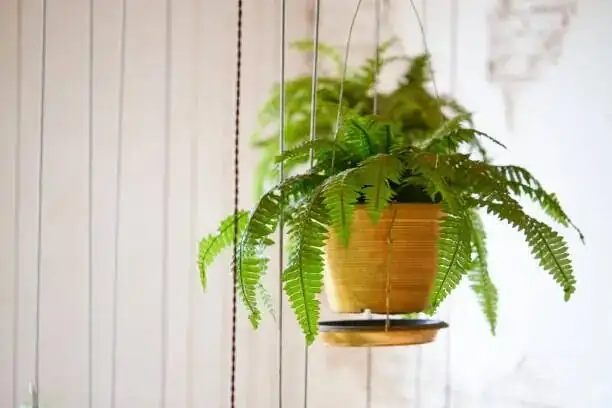
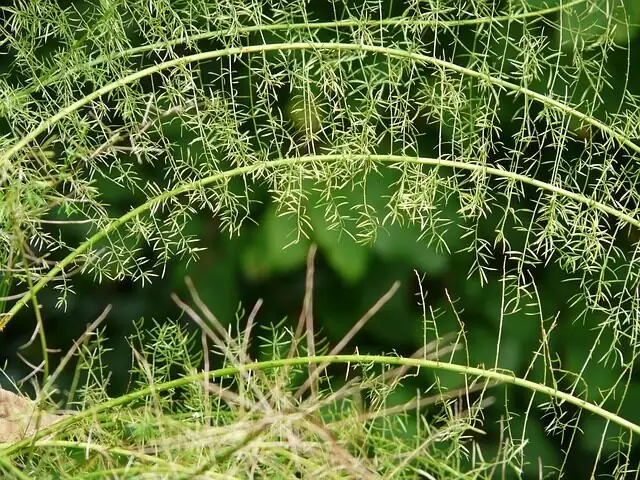
Meet the so-called “fern” that isn’t. Asparagus densiflorus—better known as Asparagus Fern—serves big, fluffy, feathery vibes while secretly living life as a tough-as-nails Asparagus relative. It spills gracefully from hanging baskets, stashes water in underground tubers like a camel, and may even surprise you with tiny scented flowers and bright berries indoors. Soft look, steely constitution—what’s not to love?
Quick ID: What you’re looking at
- Names you’ll see: Asparagus Fern, Foxtail Fern, Plume Asparagus, Sprenger’s Asparagus (scientific: Asparagus densiflorus; family Asparagaceae)
- Origin story: Southern Africa (especially South Africa and Mozambique)
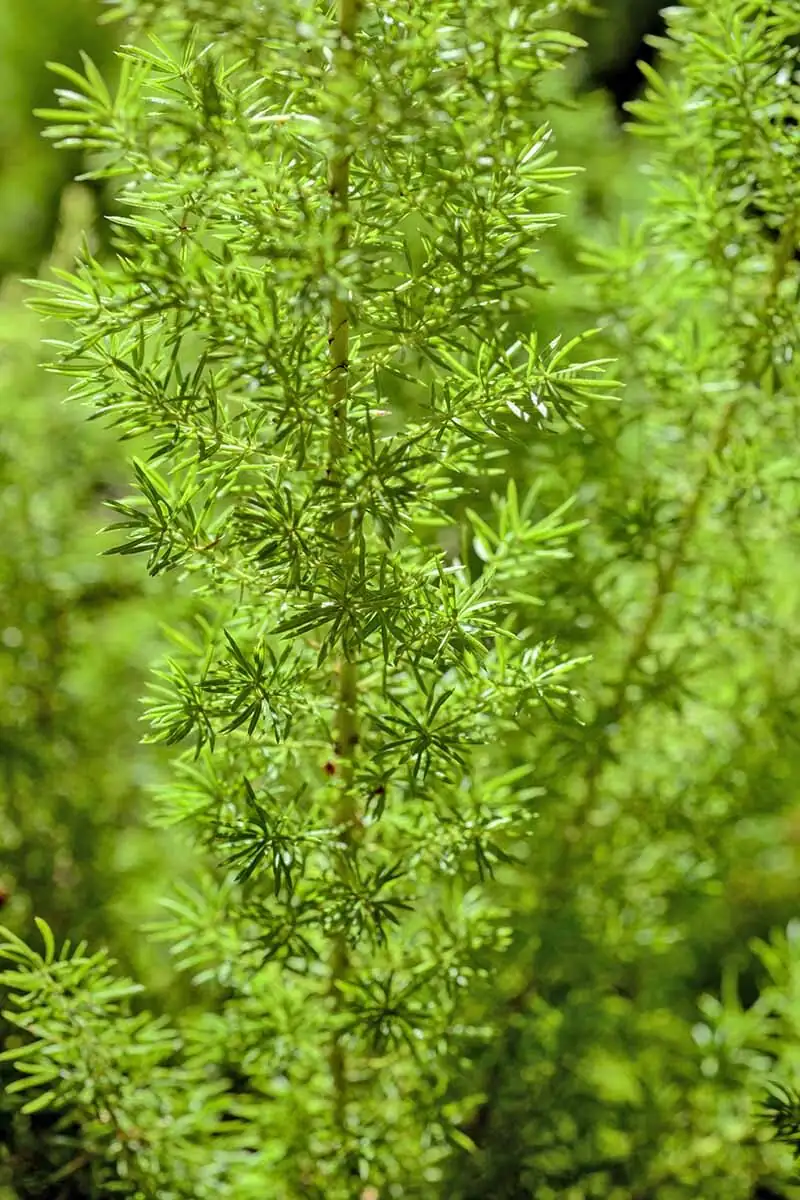
- Look and size: Cloudy, bright-green “needles” on arching, cascading stems; typically about 60 × 60 cm (24 × 24 in) in containers
- Where it shines: Hanging baskets and tall planters where it can drape dreamily
The great fern fake-out
- Not a true fern: Those soft “needles” are actually cladodes—modified stems that pretend to be leaves. Real leaves are teeny scales you’ll barely notice.
- Built-in water bottle: Tuberous roots store moisture, so it forgives the occasional missed watering far better than soggy soil.
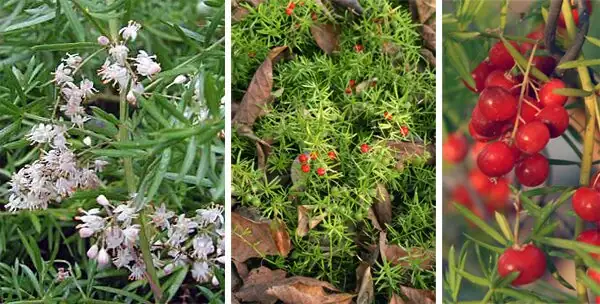
- Bloom-and-berry bonus: Mature plants sometimes produce small, starry white, sweetly fragrant flowers (late spring–summer), followed by little berries indoors (often red). Treat them as ornamental—don’t taste-test.
Light, placement, and temperature
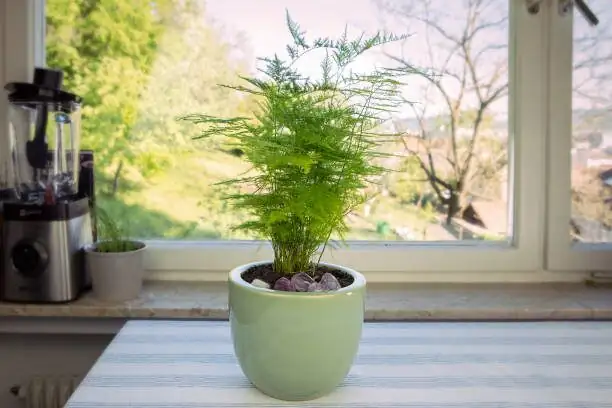
- Light sweet spot: Bright, indirect light to partial shade. A little gentle morning or late-afternoon sun is fine; harsh midday rays can scorch.
- Best seats in the house: Near an east or north window, or set back from a bright south/west exposure with filtered light.
- Temperature: 13–24°C (55–75°F). Keep it cozy—avoid cold drafts and dips below ~10°C (50°F).
- Humidity: Handles average indoor air better than many true ferns. Occasional misting is a nice spa day, not a requirement.
Watering and feeding: the easy rhythm
- Spring–autumn: Keep evenly moist. Water when the top 1–2 cm (0.4–0.8 in) of mix begins to dry.
- Winter: Dial it back—let the surface dry between waterings.
- Fertilizer: Feed monthly at 1/2 strength with a balanced liquid fertilizer from spring through autumn; pause or greatly reduce in winter.
- Pro tip: Those tubers mean it’s safer to be slightly late with water than to keep the mix soggy.
Soil and pots that make it happy
- Mix: Loose, well-draining potting mix (peat- or coco-based or a light soil-based blend). Avoid heavy, water-retentive recipes.
- Pot: Always use drainage holes. It often starts strong in a 10–15 cm (4–6 in) pot.
- Hardiness outdoors: USDA Zones 9–11; not frost hardy, so it’s a houseplant in cooler climates.
Bloom-and-berry moments indoors
- Timing: Late spring to summer, but timing is variable indoors.
- Scent: The small white flowers can be surprisingly fragrant up close.
- Afterparty: Small, often red berries may follow. Enjoy the look—keep away from curious mouths and paws.
Grooming, repotting, propagation
- Pruning: In spring, snip brown, damaged, or too-leggy stems off at the base to refresh the shape and prompt new, plush growth.
- Repotting: Every 1–2 years or when root-bound. Move up just 2–5 cm (1–2 in) in diameter and refresh the mix. Roots are dense and tuberous—handle with care.
- Propagation: Best by division in spring. Split the root ball so each piece includes tuberous roots and several healthy stems, then pot separately.
Year-round care calendar
- Spring: Prune, repot, or divide if crowded. Resume regular watering/feeding.
- Spring–autumn: Keep evenly moist; fertilize monthly at half strength.
- Winter: Water less, keep warm and bright, and skip most feeding.
Styling ideas: instant softness and spill
- Hang it high or lift it up: Elevate in baskets or tall planters to show off those arching sprays.
- Pairing partners: Combine with upright foliage plants for contrast, or let it solo as a fluffy green statement.
- Arrangement ace: Stems make long-lasting, airy fillers in home-cut bouquets.
Troubleshooting (snack-size fixes)
- Yellowing or “needle” drop?
- Usual suspects: Overwatering, too-dry-for-too-long spells, low light, or spider mites.
- Fix: Brighten the light (indirect), adjust watering to the top 1–2 cm dry rule, and inspect for pests.
- Crisped tips or bleached patches?
- That’s sun scorch. Filter the light and rotate the pot for even growth.
- Pests to watch: Spider mites, mealybugs, and scale—especially in dry rooms. Improve airflow, rinse foliage, and treat with insecticidal soap or horticultural oil if needed.
- Root rot radar: Mushy roots and sour-smelling, wet mix signal trouble. Repot into fresh, airy mix and reset your watering.
Safety notes
- Mildly toxic if ingested: Berries and foliage can cause gastrointestinal upset in people and pets. Keep out of reach.
- Skin sensitivity: Sap may irritate sensitive skin. If your skin reacts easily, wear gloves when pruning or dividing.
Flower language and deeper meaning
Asparagus Fern is often linked with enduring affection and resilience—an apt match for a plant that looks whisper-soft yet shrugs off average indoor air and the occasional missed watering. Its “fern-like” delicacy suggests tenderness, while those water-storing roots and vigorous regrowth embody staying power. In short: a green emblem of gentle strength that lasts.
Fast, fun facts
- Not a fern at all—those “leaves” are cladodes (modified stems).
- Tuberous roots store water, making it more forgiving than many true ferns.
- Likes bright, indirect light; a little soft sun is fine, but avoid midday scorch.
- Often flowers with tiny, fragrant white stars, then develops small, showy berries indoors.
- Thrives in hanging baskets and tall planters—and tolerates typical indoor humidity.
- Best grown indoors in cool climates; outdoors year-round only in USDA Zones 9–11.
- Mildly toxic—admire the berries with your eyes, not your taste buds.
- A go-to for airy, long-lasting greenery in floral arrangements.
Soft as a plume, tough as a trooper—that’s Asparagus densiflorus in a nutshell. Keep the light bright-but-kind, the mix airy, and the water sensible, and you’ll have a perpetually plush green cascade that occasionally perfumes the room with tiny flowers.