

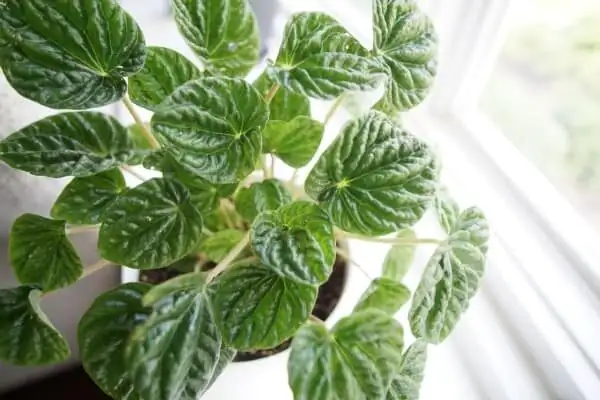
Ripple peperomia (Peperomia caperata) is the plant equivalent of a crisp, pleated shirt: neat, sculptural, and best kept dry enough to hold its shape. Get the soil and potting right, and those heart-shaped ripples stay compact and glossy; get it wrong, and you’ll meet its only true enemy—soggy roots. Here’s soil science made simple so you can dial in drainage, choose the right pot, and repot at the perfect time.
Meet the plant in a nutshell
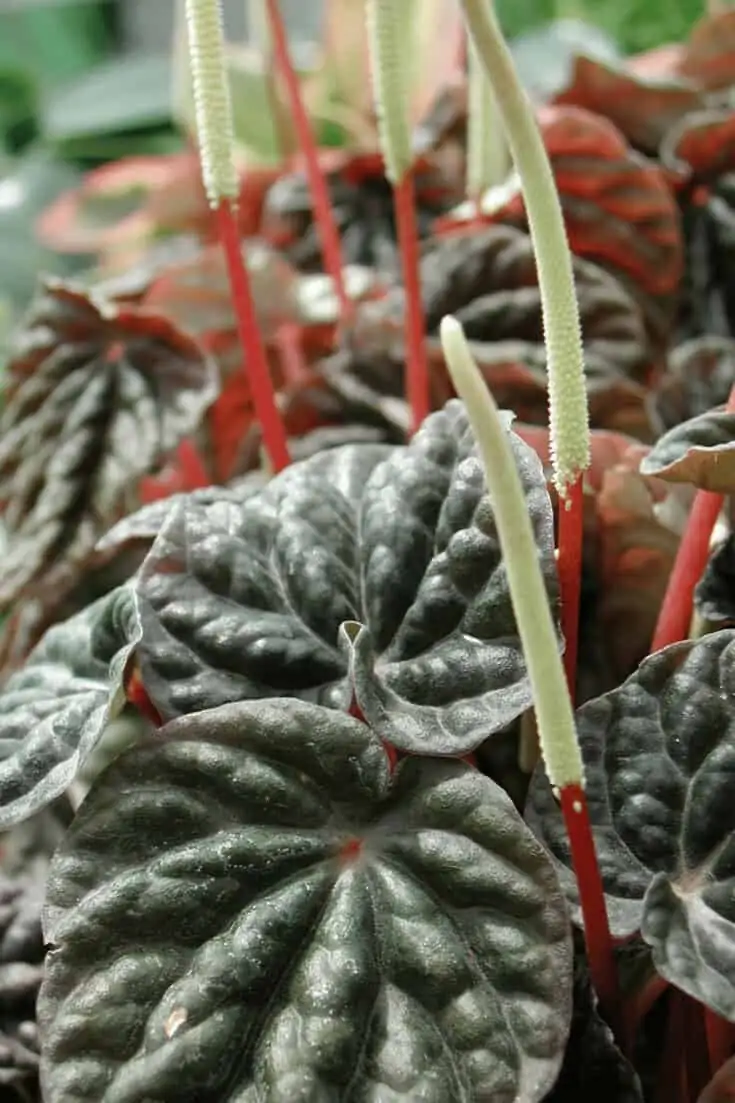
- What it is: A compact, clump-forming member of the Piperaceae family, loved for its heart-shaped, puckered leaves in deep green to burgundy tones. Summer brings slender cream-to-pale green flower spikes that perch above the foliage like tiny candle wicks.
- Size: Around 25 × 25 cm (10 × 10 in) at maturity. Naturally petite.
- Light and climate: Partial shade to bright, indirect light; 15–24°C (59–75°F); moderate to high humidity. Keep above 12°C (54°F) and out of harsh midday sun.
- Temperament: Very easy if you avoid overwatering. Err slightly on the dry side.
Soil science made simple
Think of Peperomia caperata roots as breathers more than drinkers. They like:
- Air between particles for oxygen
- Moisture that’s available but never stagnant
- Rapid drainage so the crown and fine roots don’t stew
A good mix keeps a bit of moisture while sending the rest briskly through.
The no-fuss base mix that just works
- Start with a quality houseplant potting mix.
- Add a generous handful of perlite and blend evenly. This single step transforms average potting soil into a loose, airy, fast-draining home that prevents waterlogging and root issues.
Tip: If your environment is very bright and warm, keep the base mix as-is + perlite. If it’s dimmer or cooler, be extra cautious with watering rather than adding water-retentive components.
Drainage amendments, compared
Use these like tools in a toolkit—choose one or two to tweak your base mix for your space and watering habits.
- Perlite (default choice)
- What it does: Increases air pockets, speeds up drainage, lightens heavy mixes.
- Best for: Most indoor conditions; handy if you tend to water on schedule.
- How much: A generous handful per small pot or about 25–35% of the mix.
- Pumice
- What it does: Like perlite but heavier, so it won’t float up.
- Best for: Fans, radiators, or open windows where mixes dry fast and you don’t want light particles shifting around.
- How much: 20–30%.
- Orchid bark (fine-grade)
- What it does: Adds chunky structure and airflow; mimics the airy spaces epiphytic roots appreciate.
- Best for: Extra aeration without going bone-dry too fast.
- How much: A small handful mixed in (10–20%) alongside perlite or pumice.
- Coco coir
- What it does: Holds moisture evenly while remaining fibrous.
- Best for: Very dry homes where mixes flash-dry. Use sparingly—this plant dislikes wet feet.
- How much: Blend lightly into the base (under 20%) and balance with plenty of perlite.
- Horticultural charcoal (optional)
- What it does: Adds porosity; can help keep mixes fresh.
- Best for: Small additions in snug pots; not a substitute for drainage holes.
- How much: A tablespoon or two in small pots, up to a thin sprinkle in larger ones.
- Coarse sand (horticultural, not play sand)
- What it does: Adds weight and some drainage in limited amounts.
- Caveat: Too much makes mixes dense; use perlite or pumice instead if possible.
Bottom line: You can keep it incredibly simple—houseplant mix + perlite—and grow a beautiful, compact ripple peperomia.
Pot size and container choices
Keeping P. caperata slightly snug is key to compact, tidy growth and quick drying between waterings.
Ideal size and shape
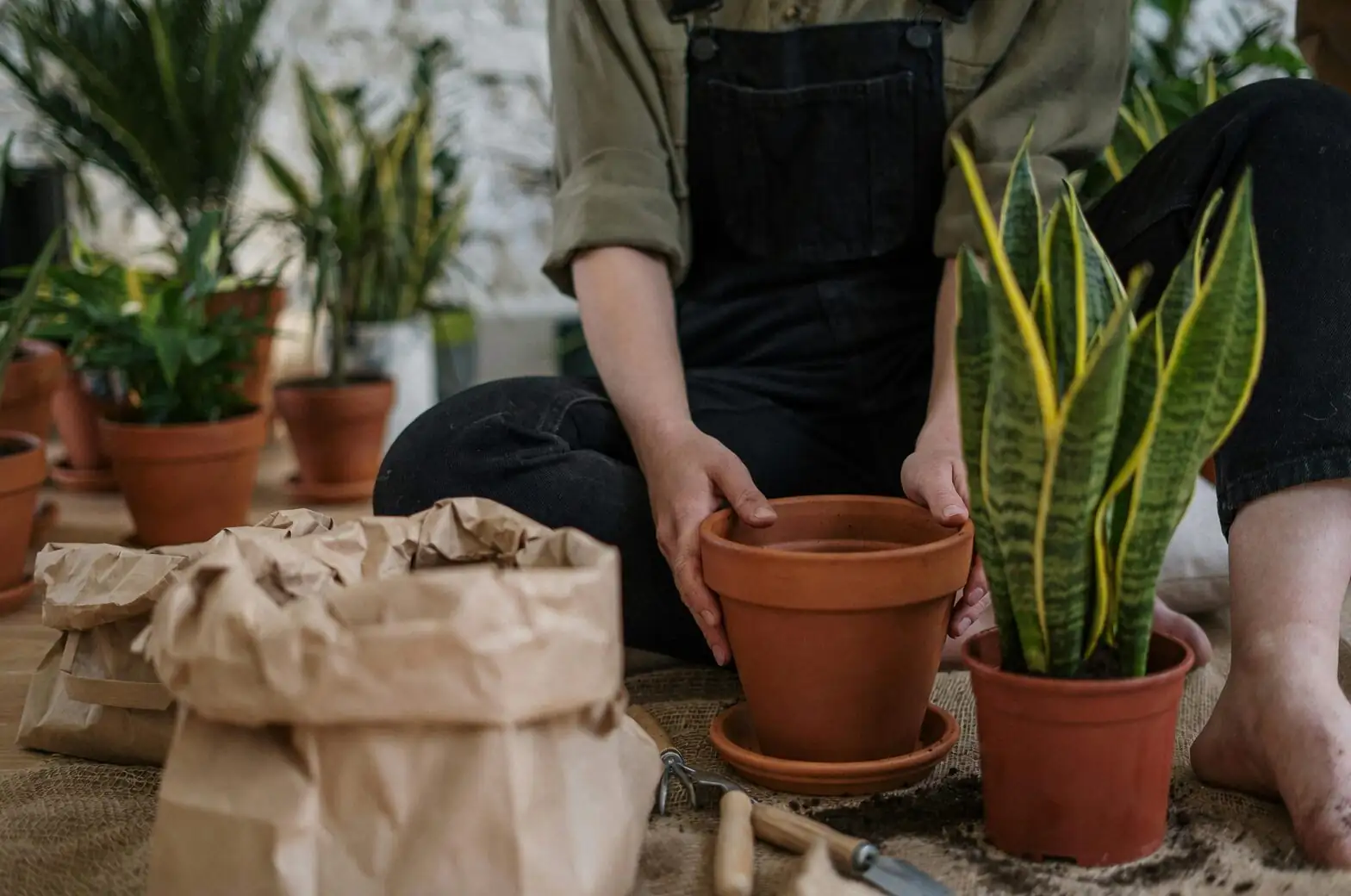
- Start small: A pot around 10 cm (4 in) suits most young to mid-size plants.
- Upsize modestly: Move up just one size (about 2.5 cm / 1 in wider) when clearly rootbound.
- Depth: Standard or slightly shallow is fine; roots are relatively fine and not deeply aggressive.
- Drainage holes: Non-negotiable.
Pot materials: pick your helper
- Terracotta: Breathes and wicks moisture—great if you tend to water generously or your room runs cool.
- Plastic or glazed ceramic: Slows drying—handy in hot, bright rooms or if you forget to water. Just be extra attentive to not overwater.
Cachepots are fine—just ensure the grow pot drains freely and never sits in pooled water.
When to repot (and when not to)
Ripple peperomia enjoys being a little tight in its shoes. Repot only when:
- Roots are circling densely or escaping the drainage holes
- Water runs straight through or lingers uncomfortably long
- The plant has been in the same mix for 2–3 years
- The plant is top-heavy or the soil has compacted
Best season: Spring. Avoid oversized pots that stay wet for too long.
Step-by-step: a gentle, root-friendly repot
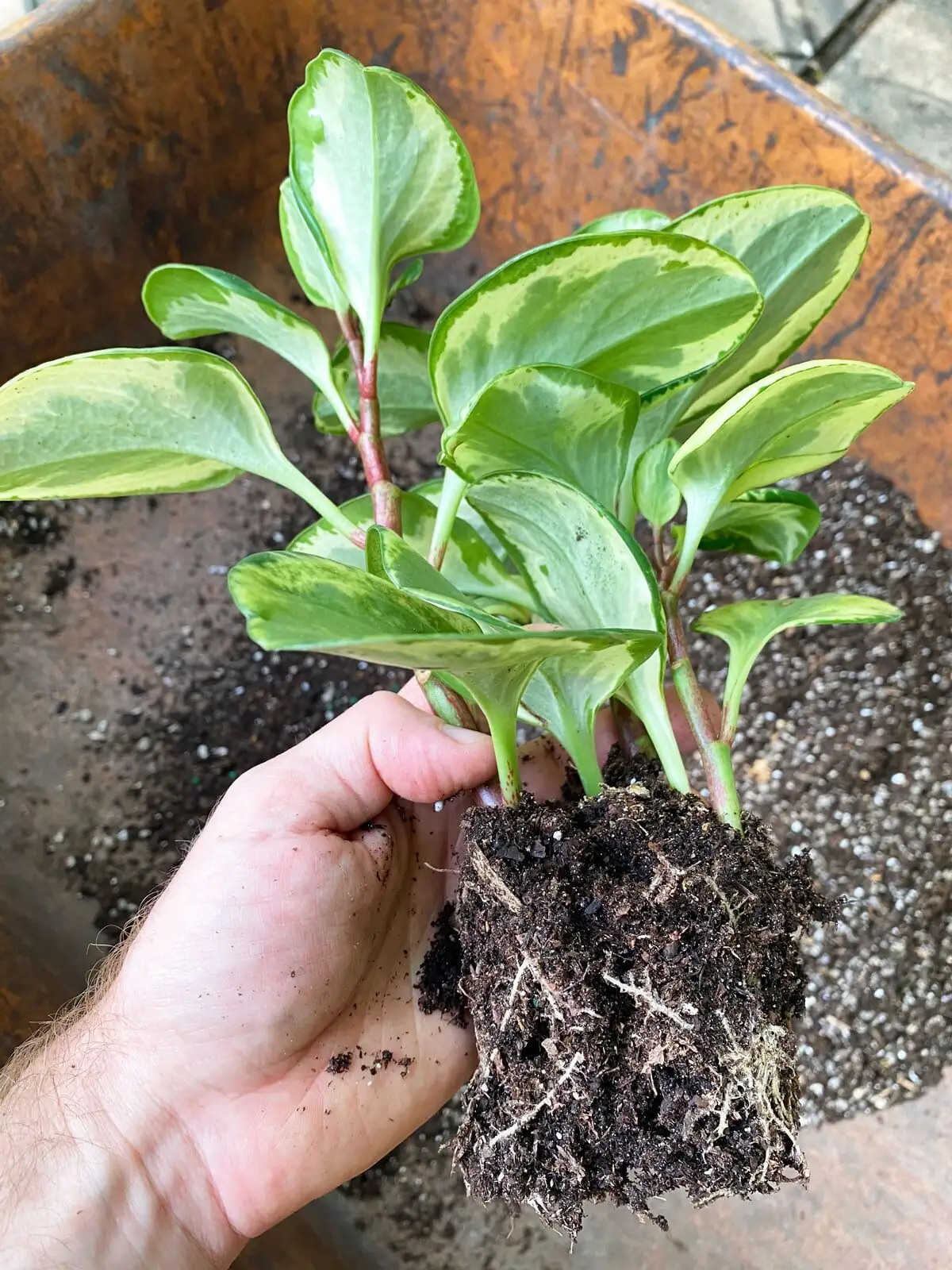
- Water lightly the day before so the root ball slides out cleanly.
- Loosen the root ball with fingers—trim only mushy or blackened roots.
- Choose a pot just 1 size up with drainage holes.
- Fill the base with your airy mix. Set the plant so the crown stays at the same height; don’t bury petioles.
- Backfill and tap to settle (don’t compress).
- Water once to seat the mix, then let the top dry before the next watering.
- Hold fertilizer for 3–4 weeks while new roots knit in.
Watering that keeps leaves crisp, not soggy
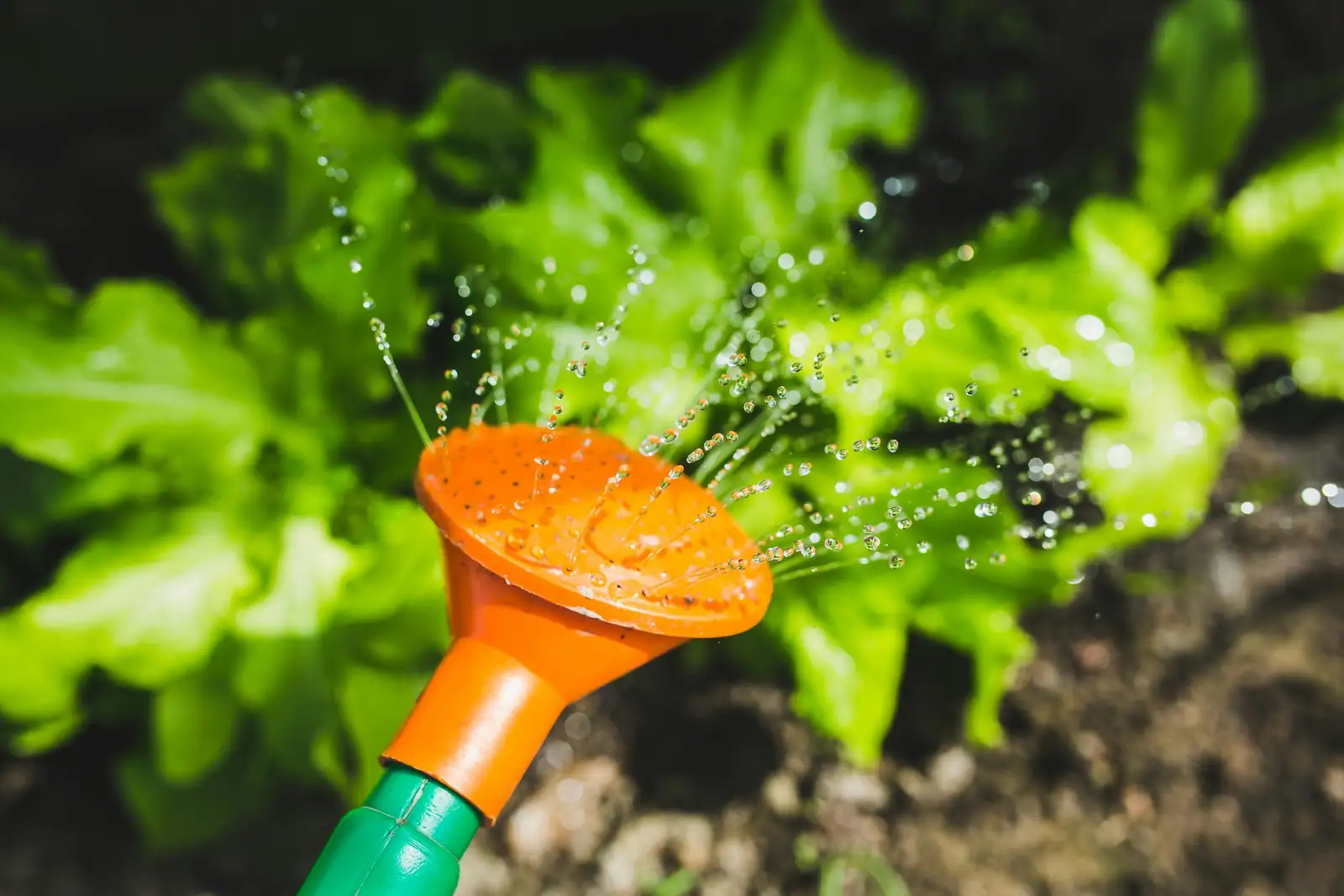
- Spring to autumn: Water when the surface of the mix has dried.
- Winter: Keep the mix almost dry and water sparingly.
- Technique: Water thoroughly, drain fully, and empty saucers. In low light/cool rooms, lengthen the dry time between waterings.
- Humidity: Aim for moderate to high. A pebble tray (pot above the waterline) helps. Skip misting—droplets can sit in those leaf ripples and cause spotting.
Pro tip: If you’re unsure, slide a wooden skewer into the mix. If it emerges clean and dry at the top few centimeters, it’s time to water.
Keep growth compact and beautifully “crisp”
- Light: Bright, indirect light brings out that two-tone sheen and keeps internodes short. Avoid harsh midday sun that can scorch.
- Pot size: Slightly snug pots keep growth tight and help mixes dry at a healthy pace.
- Feeding: In spring through autumn, use a balanced liquid fertilizer at half strength monthly; reduce or stop in winter.
- Grooming: Remove yellowing leaves and spent flower spikes to keep the plant neat and energy focused on foliage.
- Airflow: Good air movement reduces pest pressure and helps surfaces dry quickly.
Troubleshooting soggy vs. thirsty
- Overwatered signs: Mushy stems, blackened roots, persistent wet soil, fungus gnats. Action: Unpot, remove rotten roots, repot into fresh airy mix, and adjust watering frequency.
- Underwatered signs: Loss of leaf turgor and slight droop, especially in warm, bright rooms. Action: Water thoroughly and resume your usual schedule. Occasional light droop can happen if you wait too long, but chronic extremes stress the plant.
Common pests indoors: Mealybugs, spider mites, scale—more likely in dry air. Wipe leaves, improve airflow, and treat early with insecticidal soap or horticultural oil.
Quick care refresher
- Light: Partial shade to bright, indirect light.
- Temperature: 15–24°C (59–75°F); keep above 12°C (54°F).
- Humidity: Moderate to high; pebble tray over misting.
- Water: Let the surface dry between waterings; nearly dry in winter.
- Soil: Loose, airy, fast-draining mix; houseplant soil with a generous handful of perlite.
- Repot: Every 2–3 years or when rootbound; avoid oversized pots.
- Propagation: Leaf or stem cuttings in a moist, airy medium; keep 20–24°C (68–75°F) until rooted.
- Pet safety: Generally considered non-toxic to cats and dogs.
A little plant poetry
Ripple peperomia is often linked with quiet resilience and gentle charm—a small plant that looks like living sculpture. Its demure summer flower spikes may not steal the show, but they hint at the same message: steady, unshowy beauty that lasts when the roots can breathe.
Mix smart, pot small, repot on time, and let this compact beauty keep its sculpted poise—no soggy drama required.