

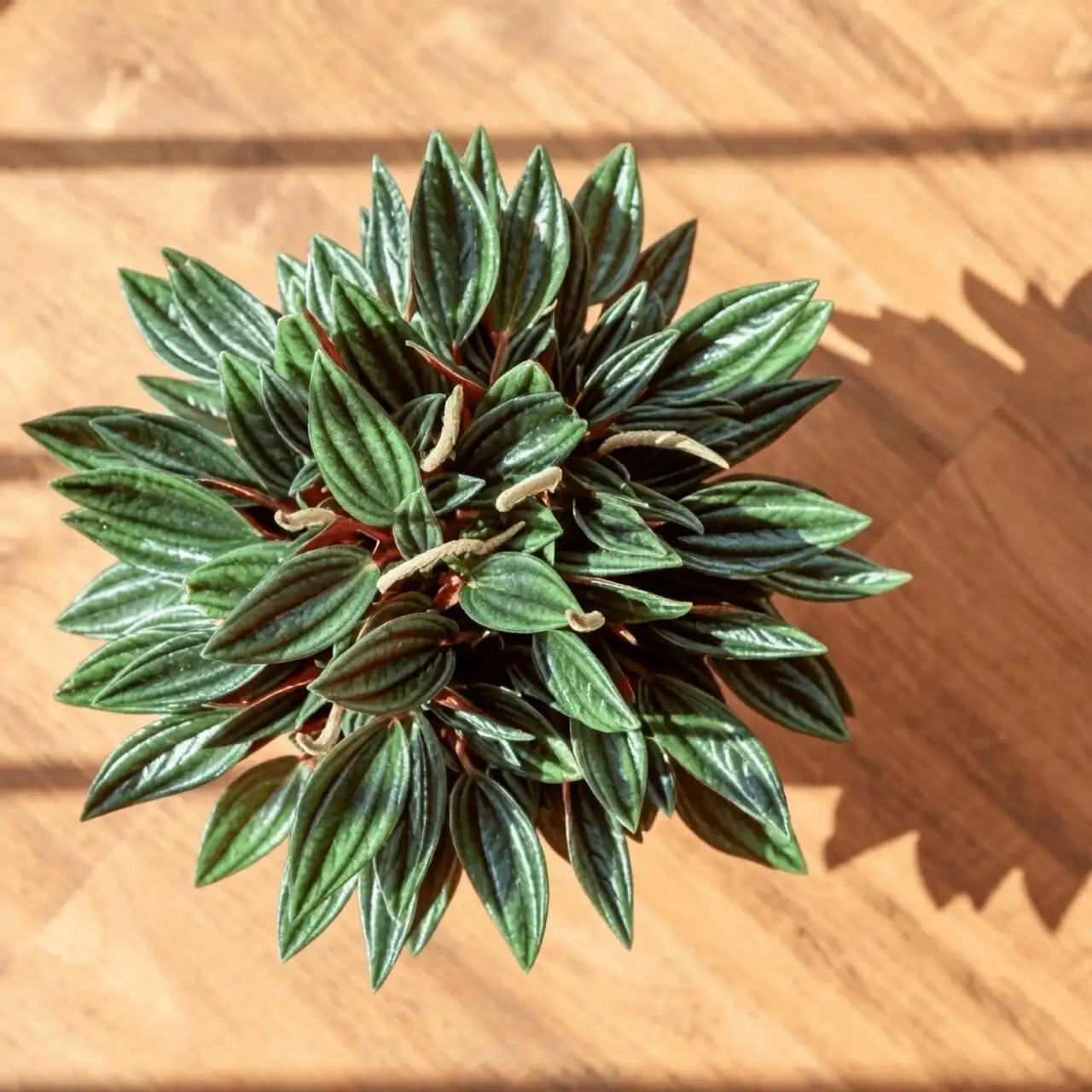
Consider this your VIP pass to the tiniest textural drama on your desk: a plant that puckers, ripples, and then—surprise—throws up skinny “rat‑tail” flower spikes like celebratory sparklers. Meet Peperomia caperata, the Ripple Peperomia: a small plant with big personality and an even bigger fan club.
Meet the Ripple Peperomia (Peperomia caperata)
- Family: Piperaceae (yes, the pepper family)
- Common names: Ripple Peperomia, Emerald Ripple Peperomia, Radiator Plant
- Origin: Tropical South America (commonly Brazil); now a favorite houseplant worldwide
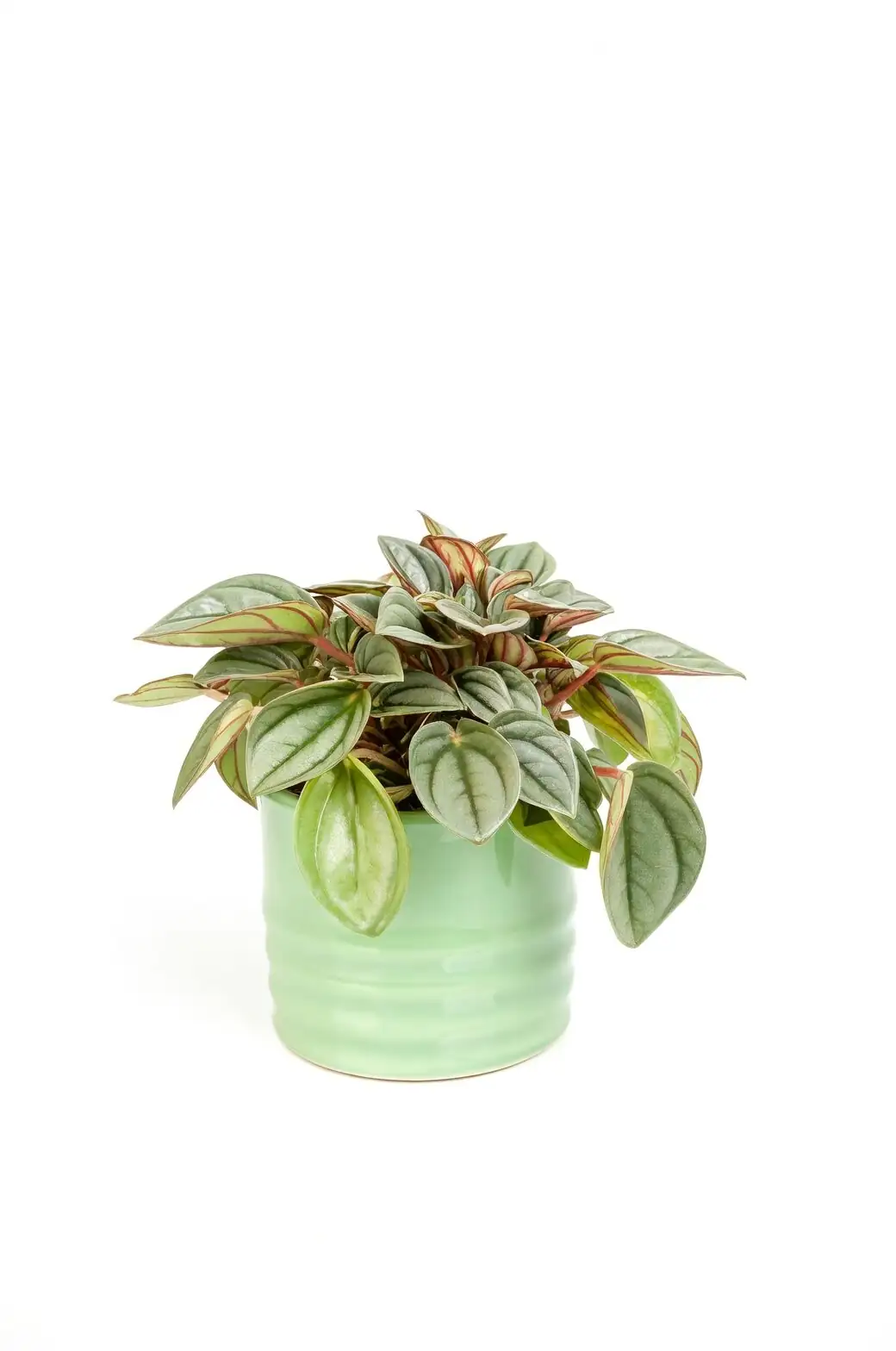
- Look: Heart-shaped leaves with sculpted, rippled texture; colors vary by cultivar from deep green to red and burgundy, often with a subtle two-tone sheen in bright, indirect light
- Size: Compact—about 25 × 25 cm (10 × 10 in)
- Vibe: Foliage-first, with summer flower spikes that pop up like tiny candle wicks
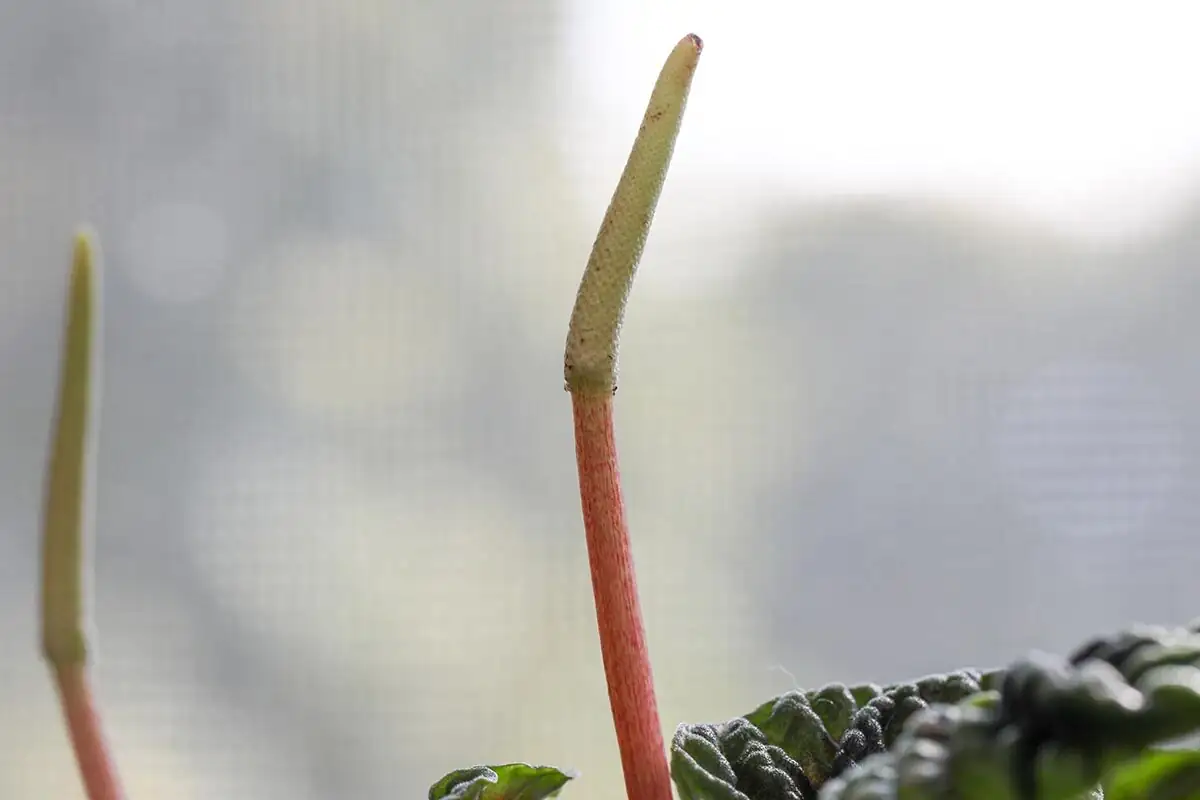
Quirk #1: The “rat‑tail” flowers
Those slender cream-to-pale green spikes standing above the leaves? They’re the classic Peperomia inflorescences—more intriguing than showy. Up close they’re a micro-forest of tiny flowers packed onto a spike (think: a very minimalist bouquet). Expect them mainly in summer, especially when the plant is happy.
Quirk #2: Ripples that don’t love raindrops
Rippled leaves are gorgeous, but the very texture that makes them irresistible can trap water droplets. When water sits in those dimples, it may cause spotting. That’s why misting—though tempting—often backfires. Keep reading for better humidity hacks.
Where it thrives (and why your desk counts)
- Light: Partial shade to bright, indirect light. No harsh midday sun; it can scorch.
- Temperature: 15–24°C (59–75°F); keep it above 12°C (54°F) and away from drafts.
- Humidity: Moderate to high (aim for ~50%+). It’s fabulous in bathrooms and kitchens—places that pair gentle light with naturally moist air.
- Outdoors: Not frost-hardy; realistically a year-round outdoor option only in USDA Zones 11–12.
Between its compact size and tolerance for bright, indirect and even medium light, Ripple Peperomia became the quintessential office companion. It sits neatly on shelves and desktops, behaves under steady indoor conditions, and won’t turn into a jungle vine during your lunch break.
Watering: small sips, great relationships
Think “consistent, not constant.”
- Spring to autumn: Water when the surface of the potting mix dries.
- Winter: Keep the mix almost dry and water sparingly.
- Golden rule: It forgives slight dryness better than soggy soil. Overwatering is the fast track to root and stem rot.
Why misting and ripples don’t mix
- The leaf surface is deeply puckered, so droplets linger in the valleys.
- Lingering moisture = leaf spotting and potential issues.
- Better options:
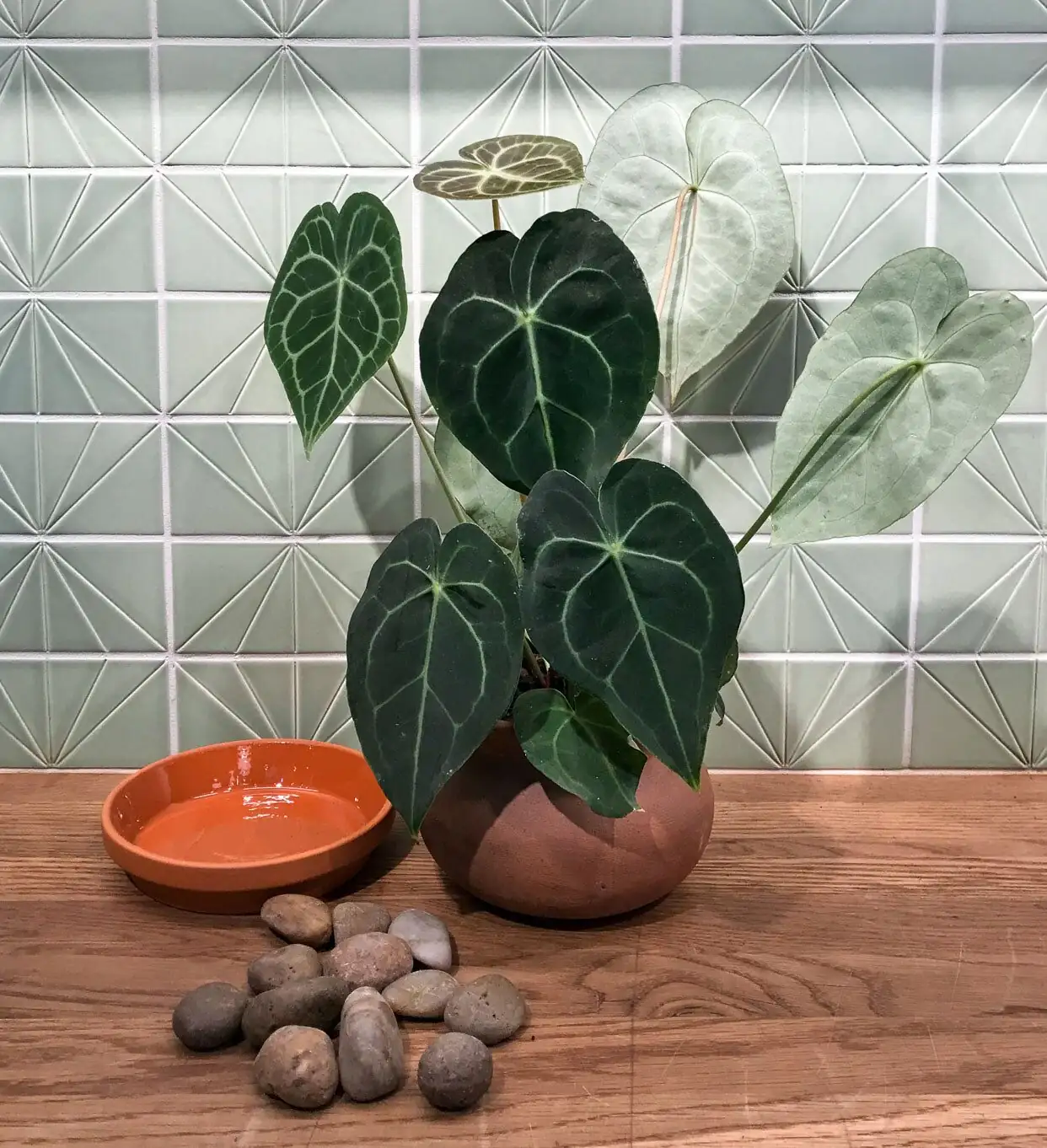
- Use a pebble tray (keep the pot above the waterline).
- Group plants to create a small humidity zone.
- Park it in a naturally humid room.
Potting mix and the “cozy pot” principle
- Soil: Loose, airy, fast-draining potting mix. A quality houseplant mix with a generous handful of perlite works beautifully.
- Pot size: Small and snug—around 10 cm (4 in) to start. Oversized pots stay wet too long and invite trouble.
- Repotting: Every 2–3 years, or when it’s clearly rootbound.
Feeding for ripple radiance
- Spring to autumn: Feed once a month with a balanced liquid fertilizer at half strength.
- Winter: Reduce or pause feeding.
Pruning and tidying
- Minimal needed. Snip yellowing leaves and cut spent flower spikes at the base.
- Keep airflow gentle and steady; wipe leaves occasionally to clear dust from those handsome ribs.
Propagation: leaf or stem—dealer’s choice
- Method: Take a healthy leaf with a short petiole, or a stem tip cutting.
- Medium: Moist, airy propagation mix.
- Conditions: Warmth helps—20–24°C (68–75°F)—and bright, indirect light.
- Timeline: Be patient; roots form first, then new growth unfurls like a tiny corrugated postcard.
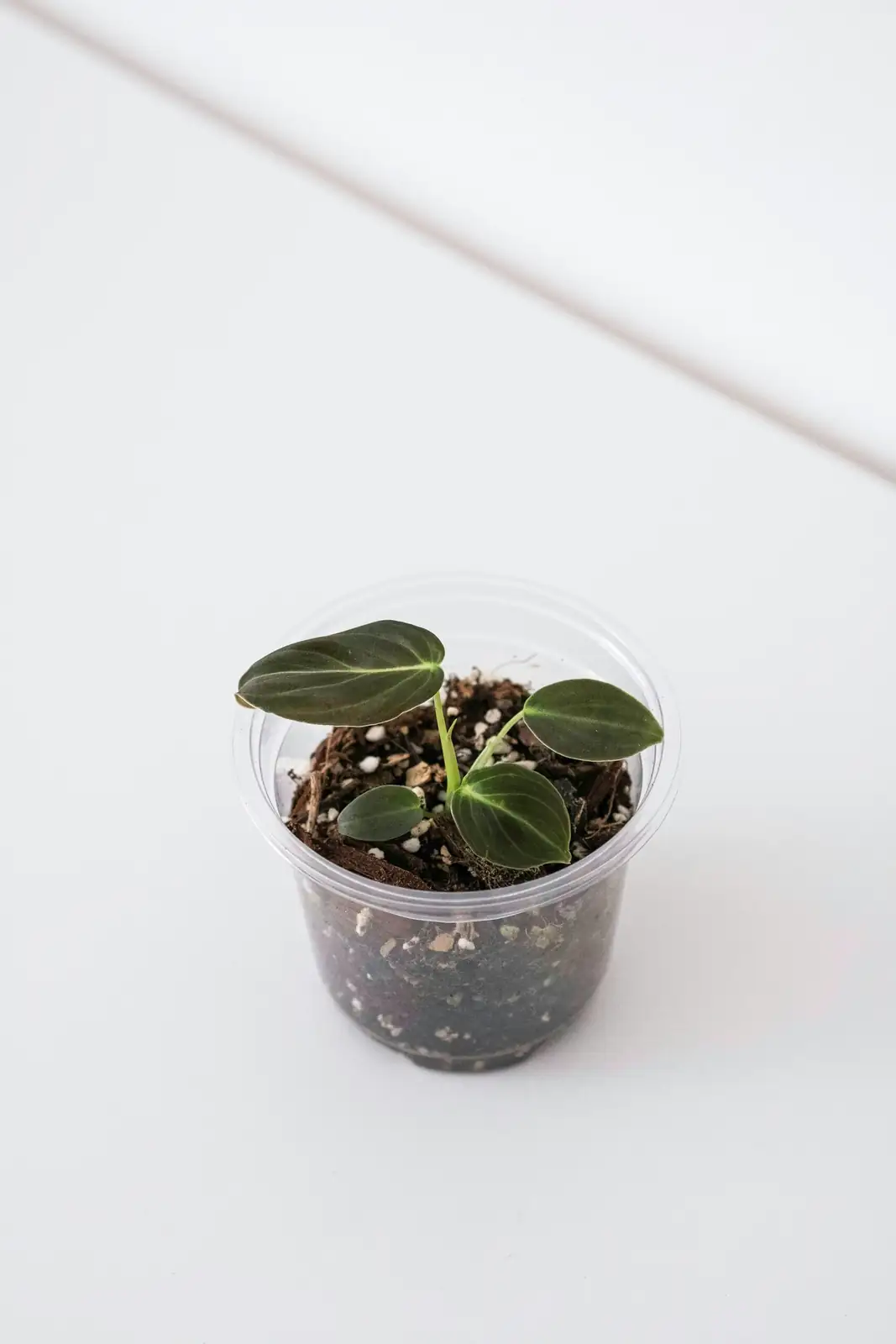
Pests and plant health
- Common indoor culprits: Mealybugs, spider mites, and scale (especially in dry air).
- Prevention: Good airflow, routine leaf checks, and thoughtful watering.
- Treatment: Early action with insecticidal soap or horticultural oil.
- Big risk to avoid: Overwatering leading to root/stem rot.
Styling the desktop classic
- Best placements: Desks, shelves, bedside tables, bathroom ledges—anywhere with steady warmth and gentle light.
- Plant pairings: Looks great alongside smoother-leaved houseplants for contrast; its sculptural texture steals the scene without hogging space.
Safety first
- Generally considered non-toxic to cats and dogs. (Any plant chewing can cause mild tummy upset, so display it just out of paw’s reach if your pets are curious nibblers.)
Symbols, stories, and the “flower language” angle
Ripple Peperomia is often linked with quiet resilience and gentle charm—its foliage is like living sculpture that holds its poise when life gets busy. As for “flower language” (花语), most meanings attached to modern houseplants are contemporary interpretations rather than historic traditions. In this case, the plant’s compact strength and calm texture comfortably symbolize subtle confidence—a reminder that small, steady beauty can reshape a space (or a workday) without making a fuss.
Seasonal cheat sheet
- Spring–autumn:
- Water when the surface dries.
- Fertilize monthly at half strength.
- Expect occasional flower spikes.
- Winter:
- Keep nearly dry; cut back or pause feeding.
- Any time:
- Repot every 2–3 years when snug.
- Keep away from harsh sun and cold drafts.
Quick answers to big questions
- Best light? Bright, indirect; handles partial shade. Skip harsh direct sun.
- Ideal temps? 15–24°C (59–75°F); never below ~12°C (54°F).
- How often to water? When the top of the mix dries in growing season; go lighter in winter.
- Humidity help without misting? Pebble trays, grouping, or naturally humid rooms.
- When to repot? Every 2–3 years or once rootbound—keep it cozy.
- Pet-safe? Generally non-toxic to cats and dogs.
Fun little truths
- Those “flowers” are slim, rat‑tail inflorescences—charming up close, but the leaves are the headliners.
- Ripples trap water, which is why misting can leave spots—humidity without wet leaves is the winning strategy.
- Its naturally small size and forgiving nature made it a global desktop icon: a genuine small plant with a big resume.
If your workspace needs a calm, textured co-star, Peperomia caperata is the ripple that keeps on giving—no micromanagement required.