

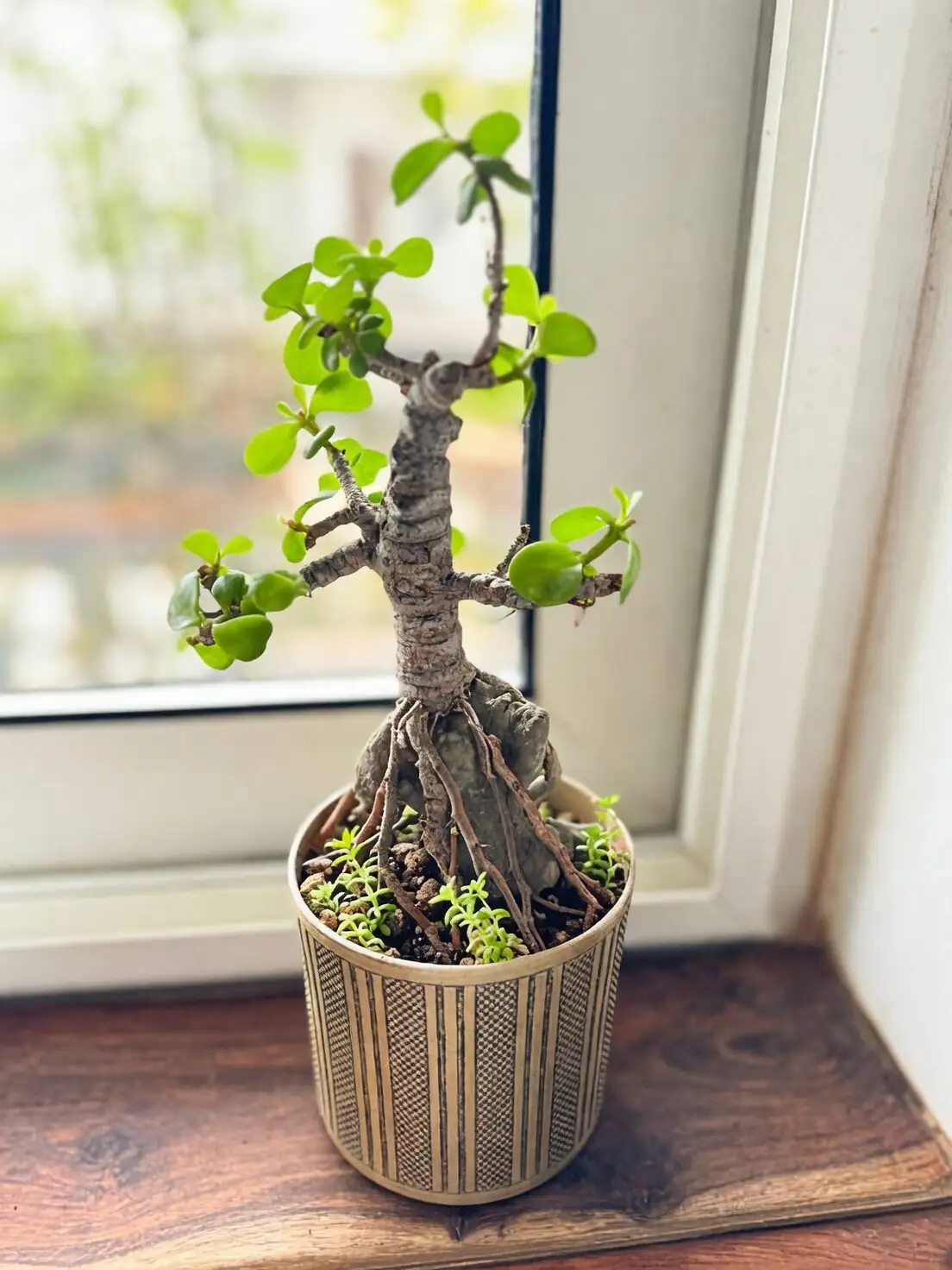
If you’ve ever been gifted a “money plant” and told to mist it lovingly and keep it in a dim corner to bring in wealth—this one’s for you. Crassula ovata, the jade plant, is a sun-seeking, drought-tough succulent that thrives on bright light and restraint, not spritz bottles and soggy soil. Let’s bust the biggest myths so your jade looks like a tiny tree of prosperity, not a cautionary tale.
Meet the Plant: Tough, Tree-Like, and Timeless
- Botanical name: Crassula ovata (family Crassulaceae)
- Also called: Jade Plant, Lucky Plant, Friendship Tree, Money Plant
- Origin: South Africa and Mozambique; now a classic, neglect-tolerant houseplant worldwide
- Look and habit: Thick, branching, woody stems with glossy, oval leaves that can blush red at the edges in strong light; often forms a miniature “bonsai” silhouette in a pot
- Size in containers: Usually 60–100 cm tall and wide; easy to keep smaller with pruning
- Bonus: Mature plants may produce clusters of tiny white to pale pink starry flowers, typically in winter to early spring
Myth 1: “Jade Is a Low-Light Plant.”
Truth: It’s a sun-lover that stays compact and colorful with strong light.
- Indoors, give it the sunniest window you have—bright light to direct sun is best.
- In excellent light, leaves can develop a red edge (a good sign), and the plant grows sturdy and compact.
- In poor light, it stretches, leans, and drops lower leaves. Darkness is a slow (but sure) jade killer.
Pro tip: Acclimate to stronger sun gradually to avoid leaf scorch. Shift it closer to the window over 1–2 weeks, especially if it’s been living in lower light.
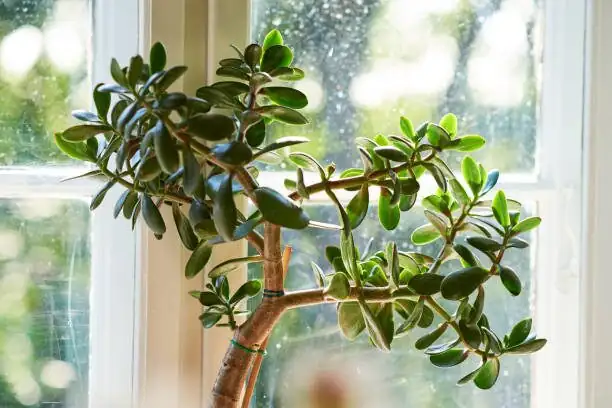
Myth 2: “Jade Needs Humidity—Misting Helps.”
Truth: It prefers dry air; misting is pointless and can be harmful.
- Jade thrives in low to average indoor humidity. Desert-style air suits it fine.
- Misting doesn’t hydrate a succulent. Its leaves are literal water tanks—spraying the surface won’t refill them.
- Regular misting can trap moisture in leaf crevices, inviting fungal spots, mealybugs, and rot, especially in stagnant air.
Better alternatives:
- Water the roots thoroughly, then let the mix dry well.
- Keep air moving; avoid perpetually damp rooms.
- Clean dusty leaves with a soft brush or a barely damp cloth—no spritzing required.
Myth 3: “Just Water Every Week.”
Truth: Follow a soak-and-dry rhythm that changes with seasons.
- Spring to autumn: Water thoroughly only after the surface and much of the mix has dried.
- Winter: Water sparingly—just enough to prevent severe shriveling. A cooler, brighter, slightly drier winter rest helps keep the plant healthy and may encourage flowering on mature plants.
- Never, ever leave the pot sitting in water. Soggy roots = fast track to rot.
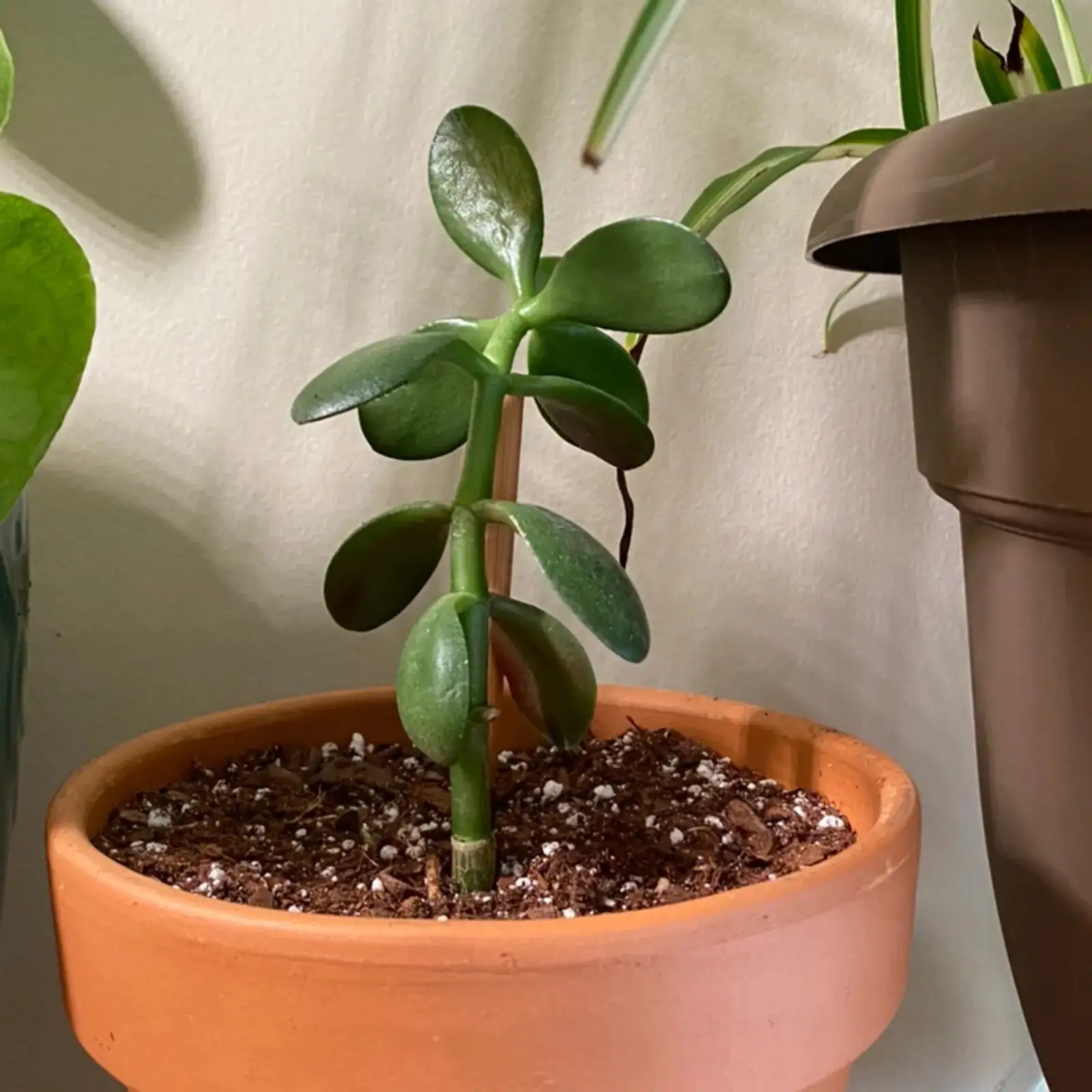
How to tell it’s time:
- Check 2–5 cm deep with a finger; or learn the pot’s “light” vs “heavy” feel.
- Wrinkly, slightly soft leaves? Time to water. Mushy leaves or a blackened base? You likely went too far.
Myth 4: “Jade Is Totally Safe for Pets.”
Truth: It contains irritating sap and is toxic if ingested.
- Keep jade away from pets and children. Ingestion can cause gastrointestinal upset.
- The ASPCA classifies jade plants as toxic to cats and dogs, with signs like vomiting, depression, and incoordination.
- What to do: If a pet nibbles, contact your veterinarian or the ASPCA Animal Poison Control Center at 888-426-4435. Wear gloves if you’re sensitive to sap when pruning.
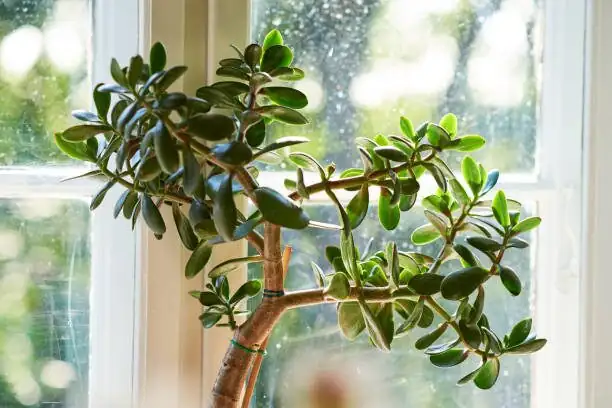
The Real Killers: Overwatering and Darkness
Two mistakes end more jade plants than anything else.
- Overwatering:
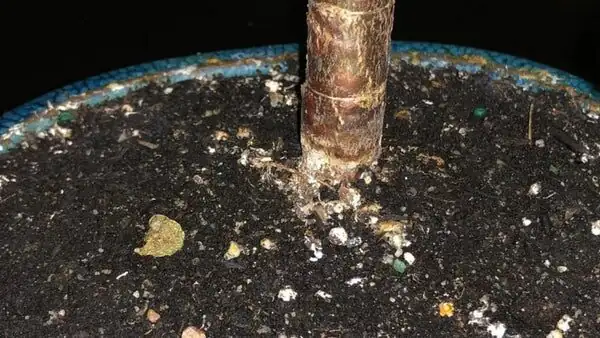
- Warning signs: Mushy leaves, a sour smell, dark or blackened stem bases, leaves dropping in clusters.
- Fix: Unpot, trim away rot, let healthy cut surfaces dry and callus, repot in fresh, gritty mix, and water lightly after recovery.
- Darkness (chronic low light):
- Warning signs: Stretched, floppy stems, sparse foliage, leaning toward light, dull color.
- Fix: Move to the brightest window; rotate the pot weekly for even growth. Consider a bright balcony or patio in warm seasons (protect from frost).
Set It Up Right (So It Practically Grows Itself)
- Light: Full sun to bright, direct light indoors; sunniest window is ideal.
- Temperature: Best at 15–25°C (59–77°F). Protect from frost; keep above 5°C (41°F).
- Soil: Fast-draining cactus/succulent mix. A simple DIY blend: about 3 parts potting mix to 1 part sharp sand, or amend with perlite/pumice for extra drainage.
- Pot: Always use a drainage hole. Terra-cotta helps the mix dry faster.
- Feeding: During active growth (spring to autumn), feed 2–3 times with a balanced liquid fertilizer at half strength. Skip in winter.
- Pruning: Spring or summer to shape and encourage branching. Let cut ends dry/callus. Remove weak or damaged growth.
- Repotting: Every 2–3 years or when rootbound, preferably in spring. For small to medium plants, a pot around 15–20 cm wide is a sweet spot. Wear gloves if sap irritates your skin.
- Propagation: Ridiculously easy. Let stem cuttings or single leaves dry and callus for several days, then place into a dry, gritty mix. Water lightly only after roots begin forming.
Pests and Problems (And How to Keep Them Minor)
- Usual suspects: Mealybugs, scale insects, spider mites—often invited by dusty leaves, low light, or overwatering.
- Strategy: Improve light and airflow, isolate infested plants, and treat with insecticidal soap or horticultural oil. Keep the mix fast-draining and the room from getting swampy.
Flowers Without Folklore
- Expect starry white to pale pink clusters on mature plants, most likely in winter to early spring.
- Make it more likely: Very bright light and a cooler, drier winter rest. Indoors, blooming is still hit-or-miss—think of it as a bonus, not a promise.
Symbolism and “Flower Language”: A Clear-Eyed Take
Jade’s reputation for attracting wealth and good fortune—especially celebrated in parts of Asia—comes from its longevity, resilient nature, and coin-like, glossy leaves. It’s also a classic housewarming gift. While “flower language” and feng shui traditions lend it a rich cultural story, there’s no botanical mechanism behind prosperity. What jade can realistically bring you: a living symbol of steadiness, patience, and growth—values that, with time, often do pay off.
Quick Troubleshooting
- Red leaf edges? Usually a good sign of strong light and sometimes cooler nights. If you also see scorch, back off from harsh midday sun and acclimate gradually.
- Shriveling leaves? Underwatering or a very dry winter rest—water thoroughly, then let the mix dry again.
- Leaves turning mushy and dropping? Overwatering. Let the plant dry, improve drainage, and check roots.
- Leaning, leggy growth? Not enough light. Move to a brighter spot and rotate the pot weekly.
A Simple Seasonal Game Plan
- Spring–summer: Maximum light, soak-and-dry watering, light feeding 2–3 times, optional shaping prune.
- Autumn: Reduce watering as growth slows.
- Winter: Keep cool and bright; water sparingly to prevent rot. A slightly drier rest can encourage flowering on mature plants.
Final thought: Treat your jade like a sun-seeking camel with tree ambitions—give it brilliant light, a gritty mix, and long, dry breaths between drinks. Skip the mist, dodge the dark, and your “money plant” will pay dividends in glossy leaves, sculptural form, and decades of easy charm.