

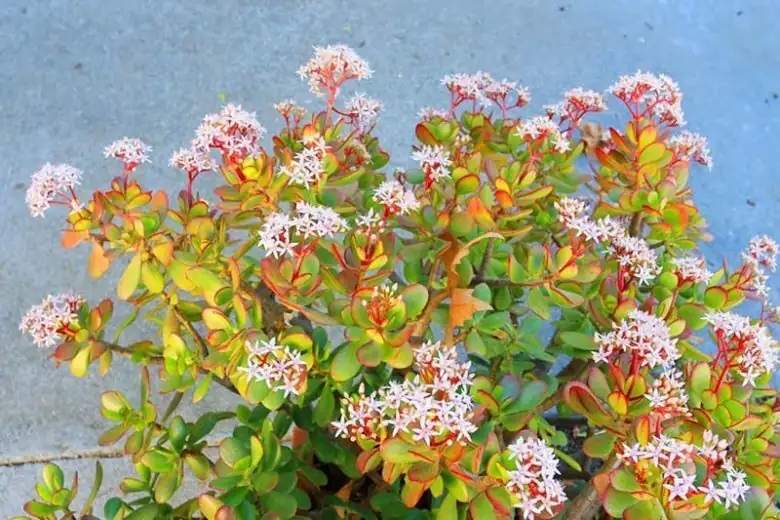
If you’ve ever eyed those cloud-like clusters of tiny white-to-blush pink stars on a neighbor’s jade plant and thought, “Mine never blooms,” you’re not alone. Crassula ovata will absolutely flower indoors—but only if you mimic the seasonal cues it expects: a cool, bright winter rest, lean watering, and a patient, steady hand. Here’s a realistic, data-backed game plan to get mature plants over the finish line, plus the telltale signs you’re on the right track.
First, make sure your plant is bloom‑ready
Jade plants don’t rush into flowering. They tend to bloom on mature, well-lit, well-established plants.
- Look for age and structure: thick, branching, woody stems and a tree-like form.
- Rooted and stable: slightly pot-bound is fine; avoid an oversized pot that stays wet.
- Health check: firm, plump leaves; no rot at the base; no active pest issues.
Tip: Heavy pruning resets the clock on blooming. Save shaping cuts for spring or early summer, not autumn or winter.
The bloom‑induction formula: cool, bright, lean
Flowering is most likely when your jade enjoys very bright light and a cooler, drier winter rest—without crossing into frost or rot territory.
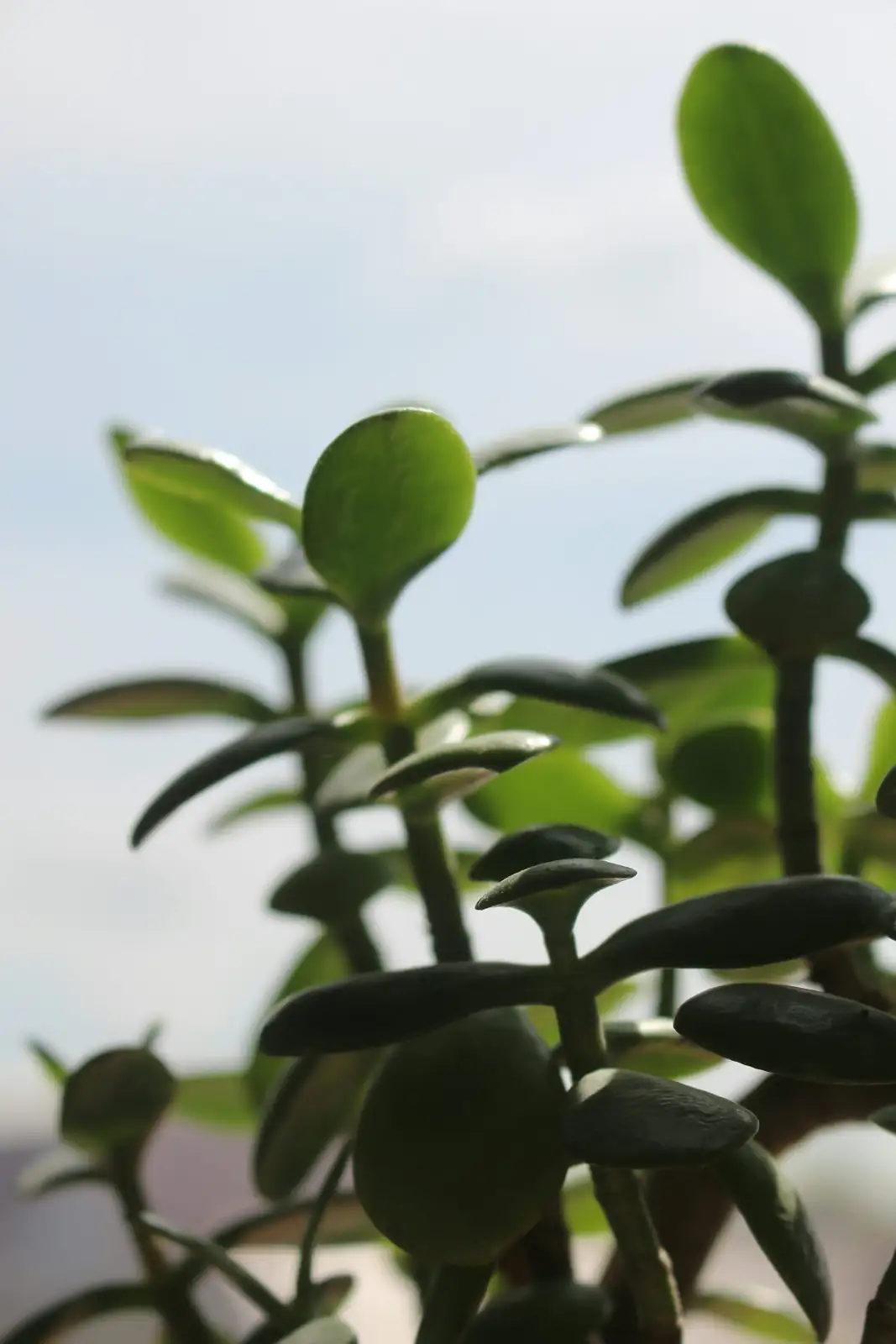
Light: maximum brightness, especially in winter
- Indoors, give it the sunniest window you have (south or west exposure is ideal). Aim for several hours of direct sun in winter.
- Acclimate gradually to stronger rays to prevent leaf scorch.
- Keep growth compact by rotating the pot every few weeks during the growing season; once buds form, rotate minimally to avoid sudden changes.
Signs it’s bright enough:
- Leaves develop red or blushed edges (a normal response to high light and cooler nights).
- New growth is short‑jointed and sturdy, not stretched.
Temperature: cool nights, never frosty
- Year-round comfort zone: 15–25°C (59–77°F).
- Winter rest target: keep it bright and cool, with nights around 10–15°C (50–59°F) if you can manage it safely—always stay above 5°C (41°F).
- Bright, unheated rooms, enclosed porches that don’t freeze, or a cool sunny stairwell can work well. Avoid cold drafts that dip near freezing.
Water: lean in winter, measured in summer
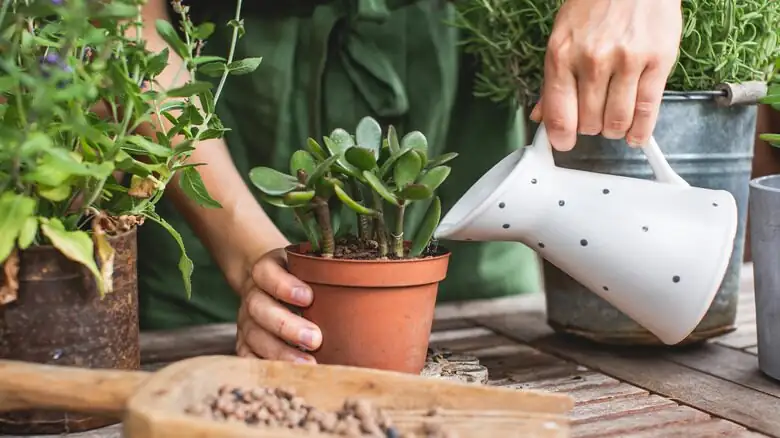
- Spring to autumn: water thoroughly only after the mix has dried well. Let excess drain; never let the pot sit in water.
- Winter: go sparse—just enough to prevent severe shriveling. Think measured sips every few weeks, guided by the soil, not the calendar.
- Tools that help: a wooden skewer or moisture meter, and the “lift test” (a very dry pot feels noticeably light).
Red flags:
- Mushy, translucent leaves and a sour soil smell signal overwatering and potential rot.
- Severe, persistent wrinkling signals it’s time for a careful drink.
Soil and pot: fast drainage is non‑negotiable
- Use a gritty, fast-draining cactus/succulent mix. A simple baseline is 3 parts potting mix to 1 part sharp sand, or amend generously with perlite/pumice.
- Choose a pot with a drainage hole; avoid jumping multiple sizes up when repotting.
Feeding: build reserves, then stop
- During active growth (spring to autumn): feed 2–3 times with a balanced liquid fertilizer at half strength.
- Autumn through winter: skip feeding entirely. Rich nitrogen late in the year pushes leafy growth at the expense of blooms.
A realistic seasonal plan (and what to expect)
Spring–summer: bank the energy
- Location: as much bright light as possible; gentle outdoor sun in warm seasons is a bonus (acclimate gradually).
- Water: soak-and-dry—water only after the mix dries down.
- Feed: two or three half-strength feedings through the season.
- Groom: prune for shape in spring or early summer; remove weak or damaged growth. Tackle any pests promptly.
Outcome to watch for: compact, sturdy growth; perhaps a red edge on leaves in strong light.
Early autumn: shift gears
- Reduce watering as growth slows.
- Stop fertilizing.
- Move to the brightest, coolest safe spot you have for the coming months.
Outcome to watch for: slower growth; soil takes longer to dry between leaner drinks.
Winter: cool, bright, and dry(ish)
- Temperature: cool nights above 5°C/41°F; 10–15°C/50–59°F is a sweet spot if available.
- Light: maximize direct sun at the window.
- Water: sparing sips only to prevent significant shrivel—never keep the mix constantly damp.
- Hands off: avoid repotting and major pruning.
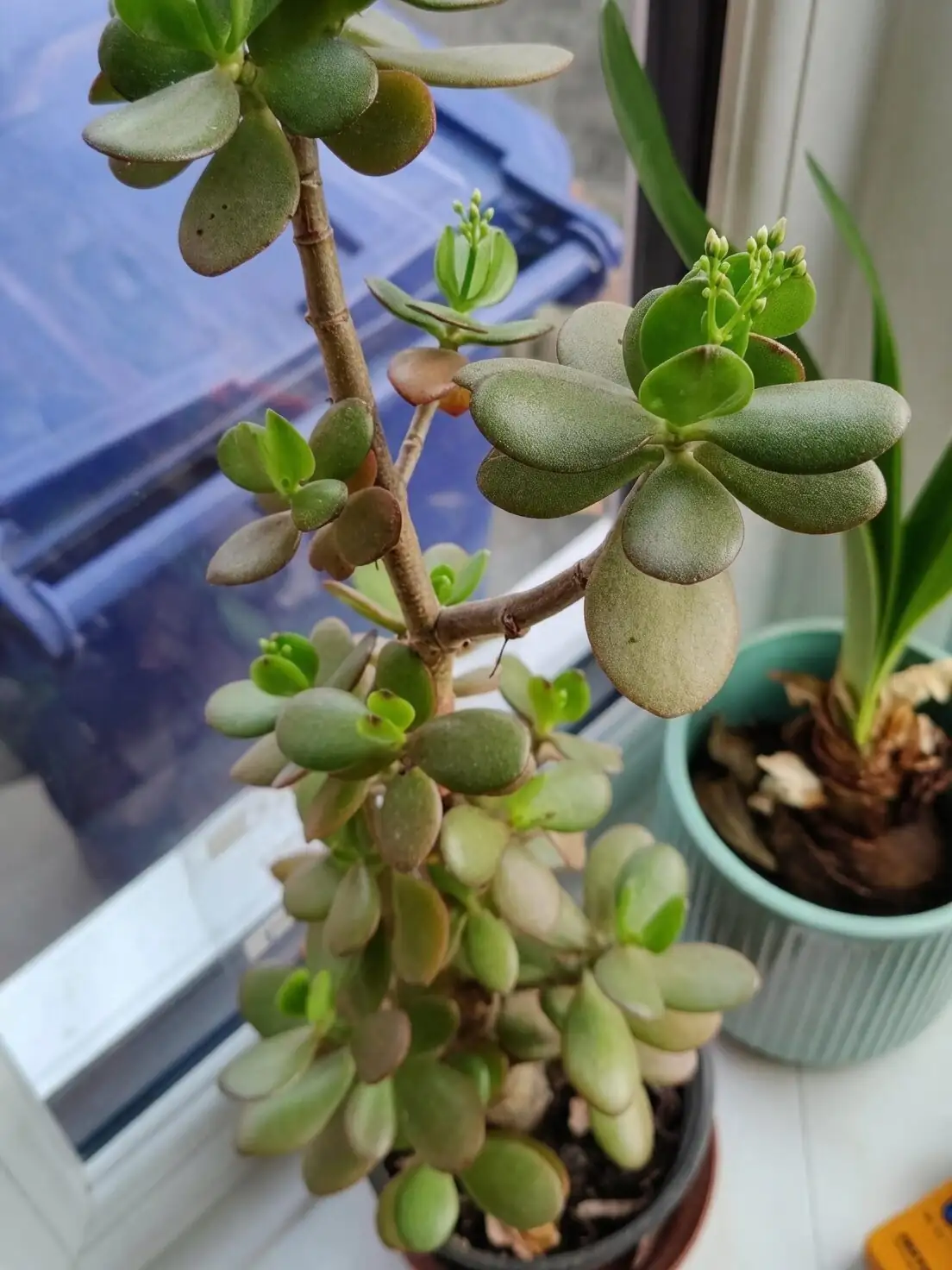
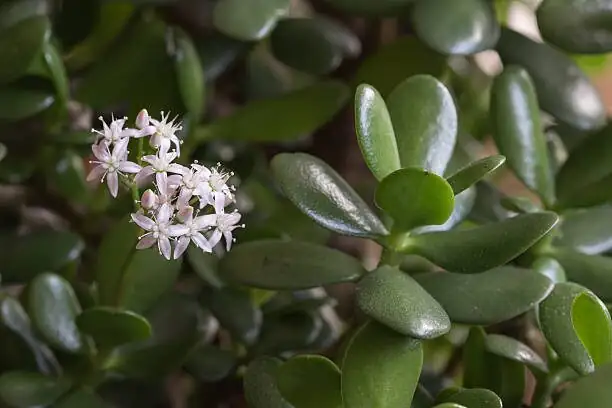
Outcome to watch for: on mature plants, small clusters of starry buds can form at stem tips from mid-winter to early spring.
After flowering (or early spring if it doesn’t bloom yet)
- Gently ramp up watering as days lengthen.
- Resume light feeding.
- Repot if due (every 2–3 years), and do any shaping cuts now—not in autumn.
Signs you’re on the right track
- Leaf margins blush red, especially after bright days and cool nights.
- Stems stay compact with short internodes—no lanky, light-starved growth.
- The plant holds its leaves well through winter; only a few older leaves wrinkle slightly between conservative waterings.
- You spot tiny greenish “grainy” nubs or star-like clusters forming at stem tips mid-winter.
- Come late winter to early spring, flowers open white to pale pink with a light, sweet scent.
Common bloom blockers (and quick fixes)
- Not enough light: move to the sunniest window; consider supplemental light if winters are very dim.
- Winter too warm: try a cooler bright room, but never below 5°C/41°F.
- Overwatering in winter: let the mix dry more thoroughly; switch to a grittier soil if it lingers wet.
- Heavy feeding late in the year: stop fertilizer by early autumn.
- Recent repotting or hard pruning: wait a cycle; do these in spring/summer only.
- Pests (mealybugs, scale, spider mites): inspect stems, leaf undersides, and buds; isolate and treat promptly with insecticidal soap or horticultural oil.
Care caveats while buds form and bloom
- Keep conditions steady: bright light, cool nights, sparing water.
- Don’t fertilize.
- Water from the soil line and keep flowers dry to reduce pest attraction.
- Provide gentle airflow to discourage mealybugs on new growth and clusters.
Quick reference: where and how it thrives
- Light: full sun to partial sun; indoors, the brightest window you have.
- Temperature: ideal 15–25°C (59–77°F); protect from frost; keep above 5°C (41°F).
- Soil: fast-draining cactus/succulent mix; amend with sand, perlite, or pumice.
- Water: spring–autumn when dry; winter very sparingly.
- Hardiness: USDA 11–12 outdoors; typically grown as a houseplant in cooler climates.
Safety and health
- The sap can be irritating; wear gloves if you have sensitive skin.
- Keep away from pets and children—ingestion may cause gastrointestinal upset.
- Biggest risk is rot from overwatering. Good light, a gritty mix, and patience are your best insurance.
A note on symbolism (and patience)
Often called the Money Plant, Lucky Plant, or Friendship Tree, jade’s long life and easy nature made it a classic housewarming gift in parts of Asia, where it’s linked with prosperity and good fortune. That symbolism isn’t botanical “flower language” in a strict sense; rather, it reflects cultural tradition—longevity, resilience, and a steady accumulation of growth that mirrors the virtues of saving and stability. Let that be your cue: go steady, not splashy. Cool, bright winters, lean watering, and time are the real currency of jade blossoms.
With this plan, you’re not forcing anything—you’re simply speaking your plant’s native language. Give your Crassula ovata a crisp, sunny winter rest and a thoughtful summer build-up, and those starry blooms become a realistic goal rather than a lucky accident.