

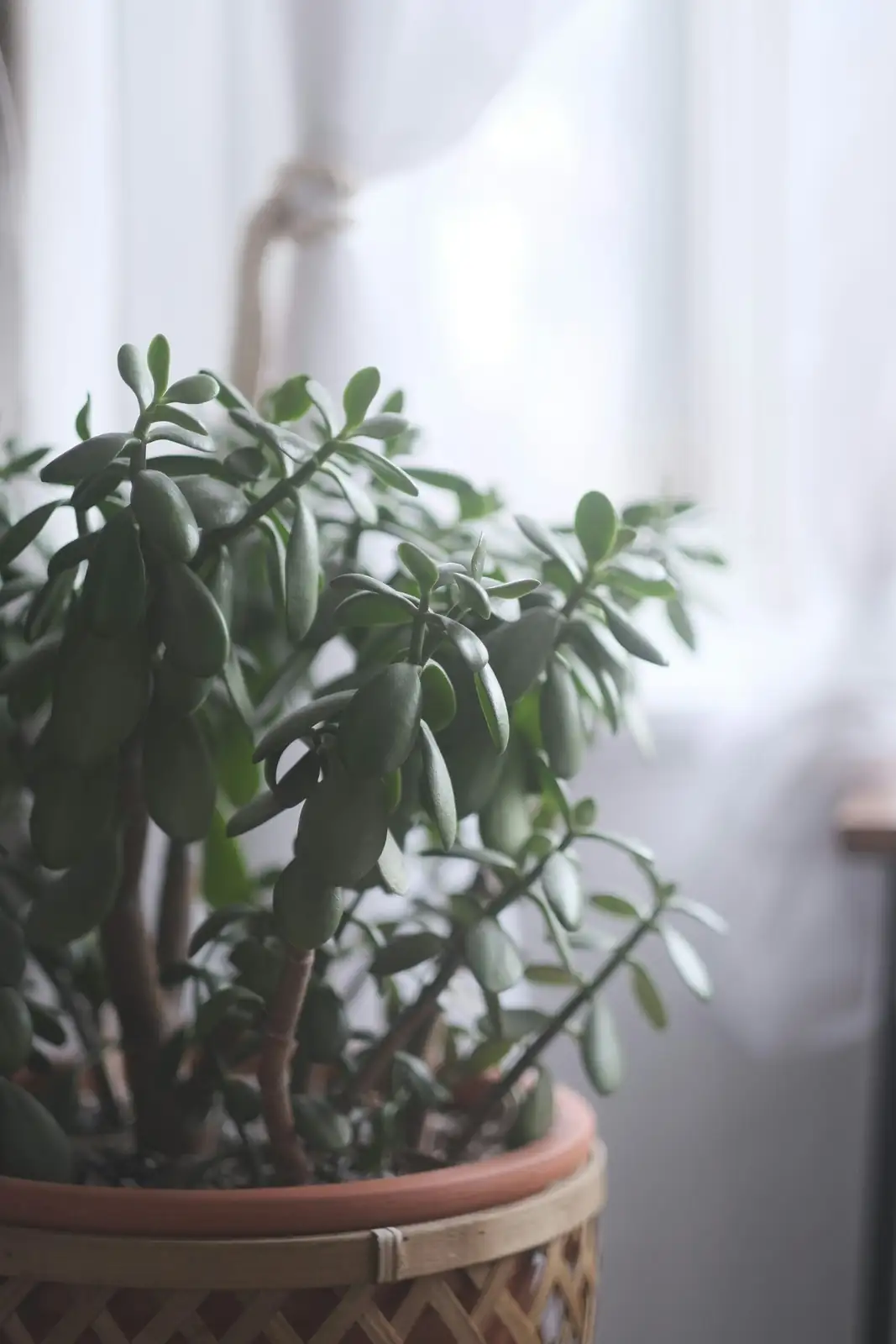
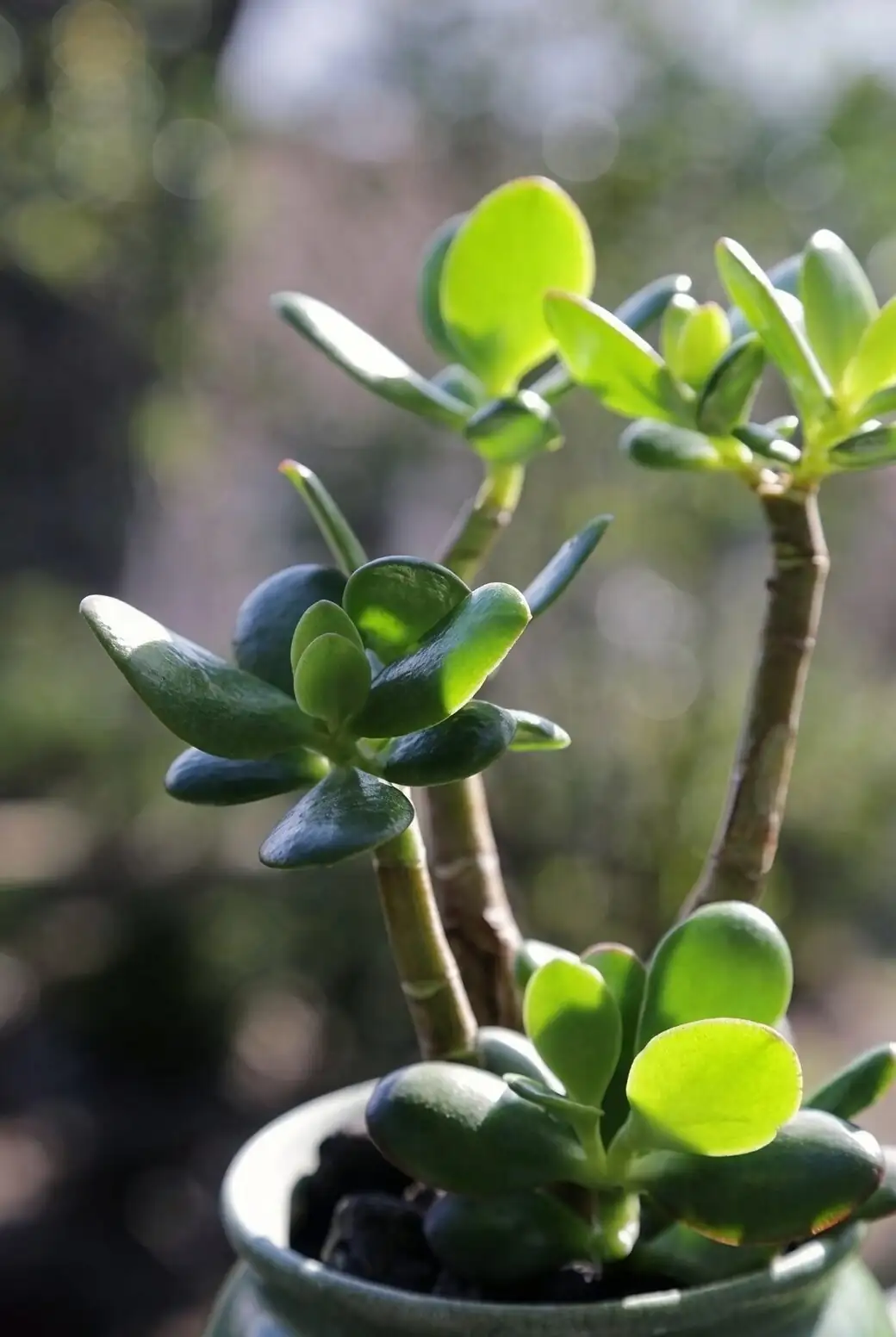
Stand a healthy jade plant in a sunlit entry, and it looks like a dish of glossy coins catching the morning light. That image—a pot brimming with coin-like, jade-green leaves—is the heart of Crassula ovata’s flower language and why this unassuming succulent has become a global emblem of wealth, good fortune, and enduring friendship.
The “flower language” (huayu) of a plant that rarely needs flowers
In classical huayu (花语), people read moral lessons, wishes, and emotions in plant forms. With Crassula ovata, the message isn’t carried chiefly by blossoms (which are tiny, starry, and appear only on mature plants). Instead, the symbolism springs from its leaves and character.
- Coin-shaped, jade-green leaves: Each plump, oval leaf evokes a little coin. “Jade” in Chinese culture is more than a gemstone—it symbolizes virtue, protection, status, and prosperity. The plant’s glassy green sheen mirrors that auspicious material, making it feel like a living talisman of abundance.
- Evergreen resilience: As a famously tough houseplant that forgives the occasional missed watering, jade plant suggests stability, steady growth, and longevity—prosperity that endures.
- Tree-like silhouette in miniature: Over time, it develops woody, branching stems and a bonsai-like form. That tree-ness in a pot hints at a fortune that grows, ripens, and can be shaped with care.
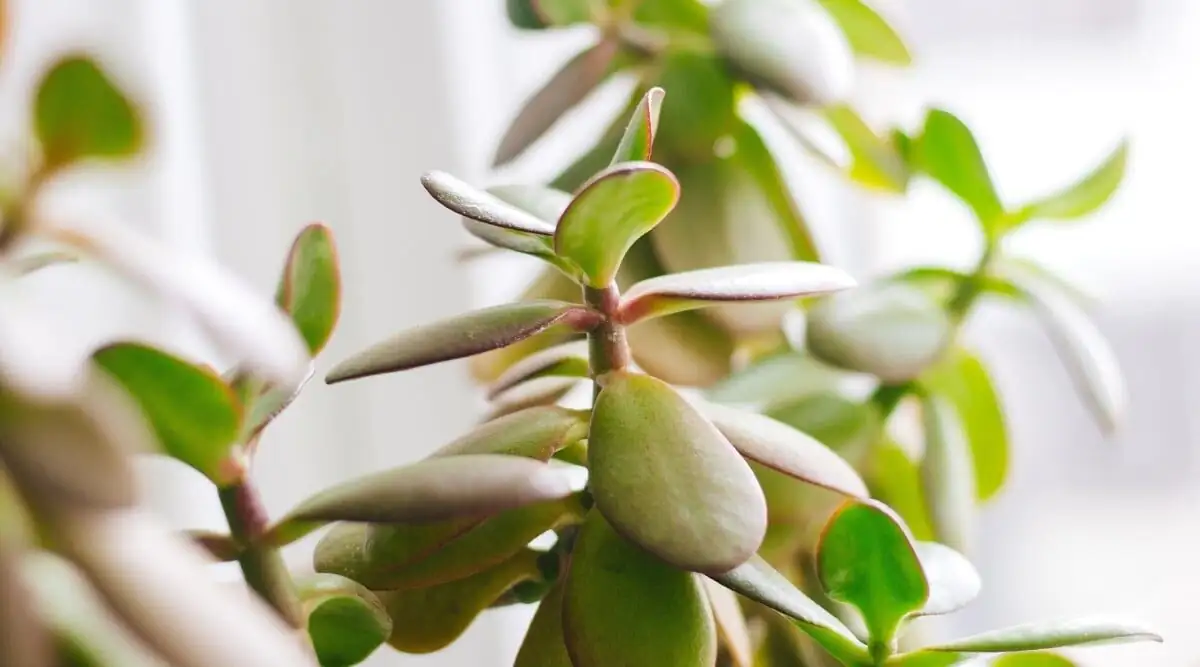
Together, these features gave rise to its huayu: wealth, good luck, and prosperity. The plant’s many common names reinforce the message—Jade Plant, Lucky Plant, Money Plant, and Friendship Tree. In Chinese, it’s known as 燕子掌 (yànzi zhǎng).
From African origins to a global lucky charm
Native to South Africa and Mozambique, Crassula ovata spread worldwide thanks to its rock-solid constitution and sculptural beauty. As it became a beloved houseplant across Asia, its jade-like leaves dovetailed with longstanding cultural reverence for jade itself and with popular feng shui practice. From there, the symbolism traveled with immigrant communities, design trends, and the modern succulent wave—until a plant once rooted in African hillsides became the cheerful “money plant” on windowsills from Shanghai to São Paulo.
Feng shui focus: where to place a jade plant for “wealth luck”
While traditions vary, two placements recur in contemporary feng shui practice:
- By the entrance: Positioning a jade plant near the front door is said to welcome prosperity into a home or business. Think entry consoles, a bright foyer corner, or just inside a shop door.
- In the southeast “wealth area”: The southeast sector of a home or office is often associated with financial growth. A thriving jade plant there is believed to “activate” wealth energy.
Practical note from a plant’s point of view:
- Light: This succulent loves brightness. Choose a spot with full sun to partial sun to keep growth compact and leaves glossy (edges often blush red in strong light).
- Avoid sogginess: Never park it where it sits in water or stays damp; overwatering is the surest way to sink your “fortune.”
The art of gifting: when a jade plant says “fortune favors you”
Jade plants are classic gifts because their message is so clear and cheerful. Popular occasions include:
- Housewarmings: “May your new home be prosperous and protected.”
- New business launches or office openings: A potted wish for steady profits and growth.
- Lunar New Year: To invite good luck for the coming year.
- Milestones like graduations, promotions, or new jobs: A symbol of opportunity and upward momentum.
- Friendship gestures: As the “Friendship Tree,” it celebrates bonds that deepen with time.
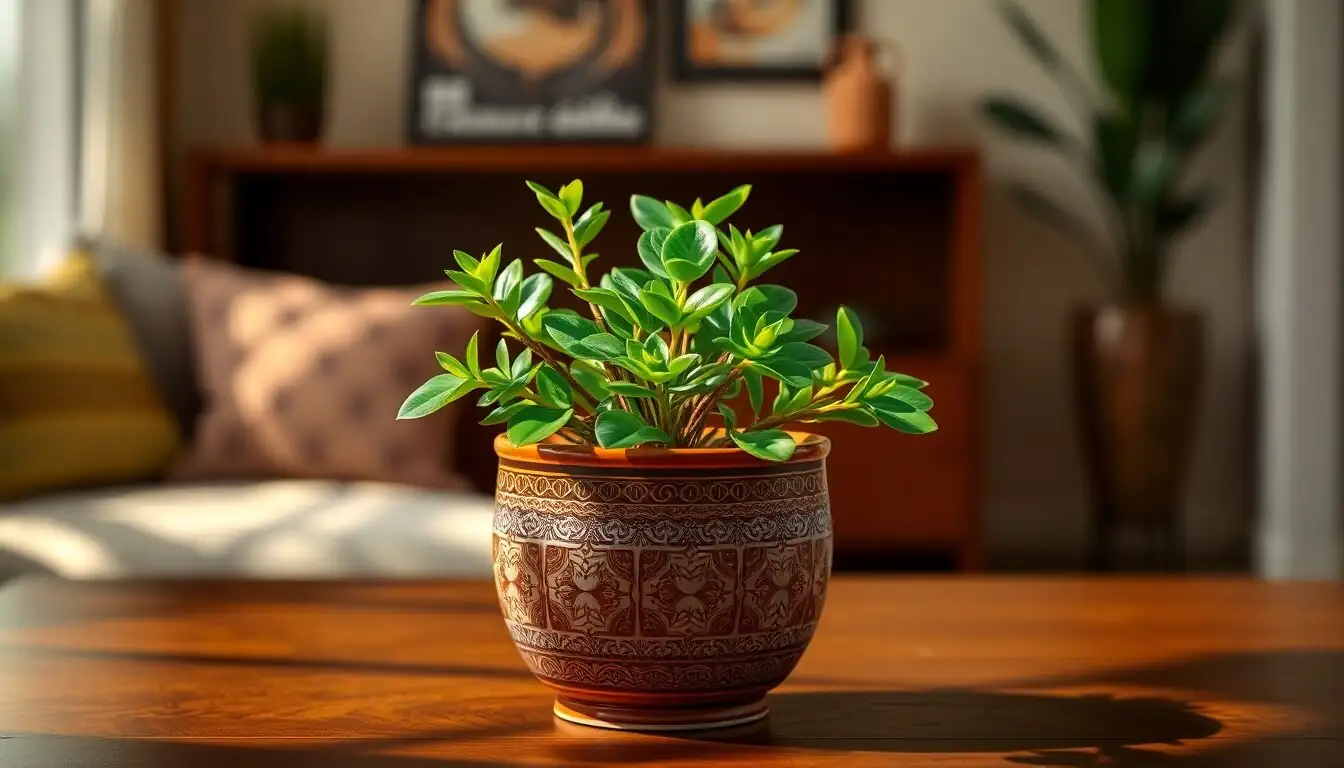
Gifting tips:
- Choose a plant with firm, plump leaves and sturdy stems—signs of vigor.
- Present it in a well-draining pot; include a short care note so the luck keeps growing.
- A bright ribbon or auspicious-colored planter highlights the festive intent.
How the tradition went global
- Diaspora and Chinatowns: Gift shops and family businesses kept the custom visible and vibrant.
- Feng shui meets interiors: From the 1980s onward, feng shui advice filtered into design magazines and home shows, often spotlighting easy “wealth” cures like a jade plant by the door.
- The succulent boom: Social media and urban gardening favored compact, photogenic, forgiving plants—exactly what Crassula ovata offers. Garden centers around the world leaned into the “lucky” story, and it stuck.
When a jade plant blooms: a special flourish of meaning
Mature jade plants may produce clusters of tiny, starry white to pale pink flowers in winter to early spring—an indoor treat that’s unpredictable. Culturally, flowering is taken as a sign of exceptional care and thriving energy, adding layers of friendship, joy, and “good fortune realized.”
To nudge blooms:
- Provide very bright light year-round.
- Allow a cooler, drier winter rest (but never frost).
- Be patient—flowering is more about age and conditions than any single trick.
Quick care to keep the luck alive
- Light: Bright light is best; give full to partial sun. Indoors, the sunniest window prevents stretching.
- Water: Spring to autumn, water thoroughly only after the mix has dried well. In winter, water sparingly—just enough to prevent severe shriveling. Never leave the pot standing in water.
- Soil: A fast-draining cactus/succulent mix; amend with perlite or pumice for extra drainage.
- Temperature and humidity: Ideal 15–25°C (59–77°F); keep above 5°C (41°F). Tolerates low indoor humidity.
- Pruning: Shape in spring or summer to encourage branching; let cuts callus.
- Propagation: Easy—from stem cuttings or even single leaves. Let cut pieces dry, then root in a gritty mix.
- Repotting: Every 2–3 years in spring, into a slightly wider, well-draining pot.
- Safety note: The sap can be irritating and the plant is toxic if ingested. Keep away from pets and children, and wear gloves if you have sensitive skin.
Why the symbolism endures
Crassula ovata condenses a big wish into a small, living emblem. Its coin-like leaves echo wealth, its jade-green luster nods to cherished cultural values, and its forgiving nature models the kind of steady, sustainable growth most of us hope for. Place it where it can bask in light—by the door to greet opportunity, or in the southeast corner to nourish aspirations—and let its quiet abundance take root. With time, attention, and a pinch of patience, your “lucky plant” can become a family heirloom that passes both stories and good habits from one generation to the next.