

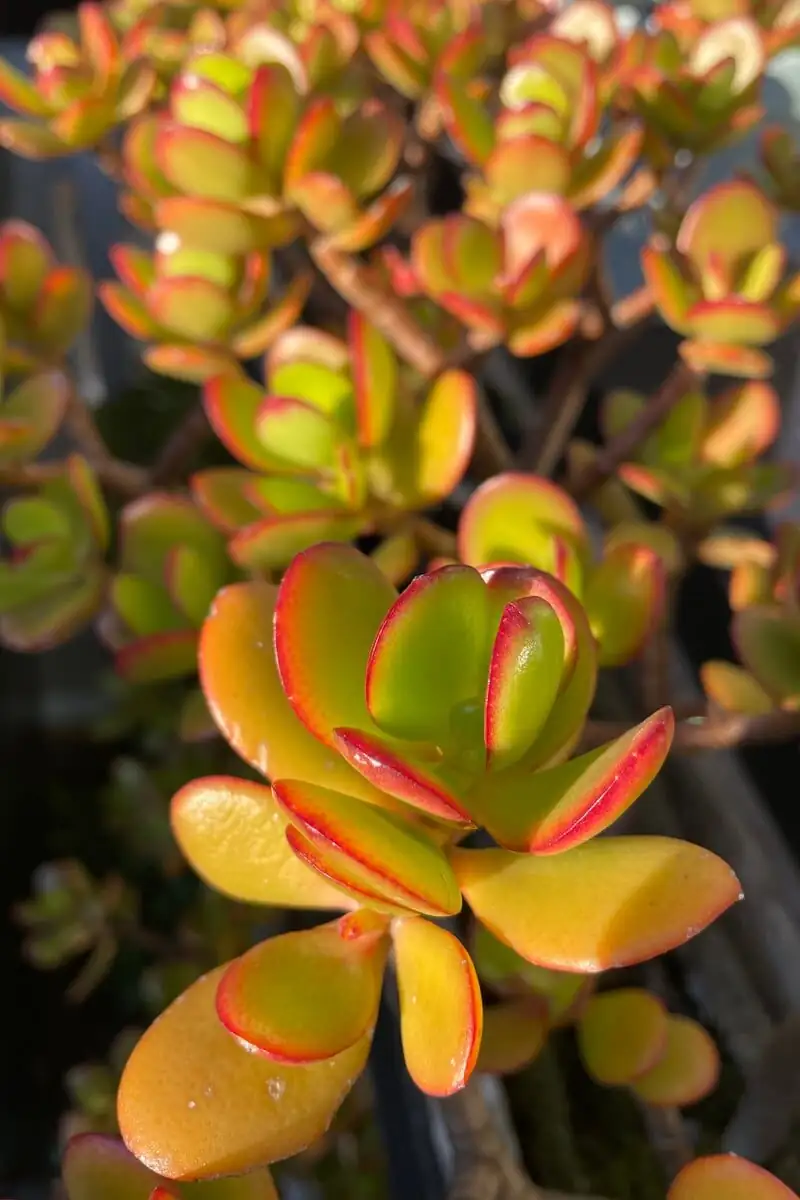
If a houseplant could wear lipstick, the jade plant would swipe on a ruby edge every time the sun comes out. That red blush isn’t just good looks—it’s plant “sunscreen,” and the chemistry behind it is as cool as a crisp autumn night. Meet Crassula ovata, the classic jade plant: a sculptural, long-lived succulent with woody trunks, coin-like leaves, and a surprising secret to its color (and occasional flowers).
Meet Crassula ovata (aka Jade Plant, Friendship Tree, Lucky Plant)
- Scientific name: Crassula ovata (family Crassulaceae)
- Origin: Native to South Africa and Mozambique; now a beloved, tough-as-nails houseplant worldwide
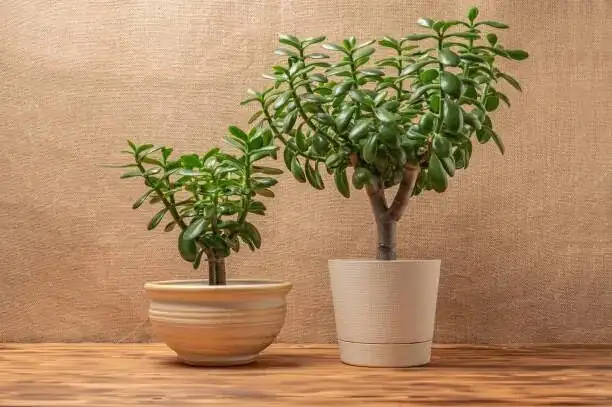
- Look: Plump, glossy, oval leaves; branching, woody stems that turn your pot into a miniature “bonsai tree”
- Size in containers: Usually 60–100 cm tall and wide; easy to keep smaller with pruning
- Fun bonus: In strong light, leaf edges take on a red blush; mature plants may produce starry white to pale pink blooms in winter
The red edge explained: anthocyanins, your jade’s built‑in sunglasses
Those crimson margins are thanks to pigments called anthocyanins. Think of them as the plant’s sunglasses—absorbing and dissipating excess light energy so the chloroplasts don’t get “sunburned.”
What turns the dial up on red?
- Bright light: More sun, more need for protection, more visible anthocyanins
- Cool nights: Especially after bright days, cool temps can intensify the blush
- Drought stress and other nudges: Mild dryness can spike pigment production; some cultivars color more readily than others
A little stress can be beautiful. A healthy jade often shows a tasteful red rim under strong light and cooler nights. But if leaves bleach, scorch, or shrivel, it’s time to soften the conditions and acclimate more gradually.
How to coax that perfect blush (without crispy edges)
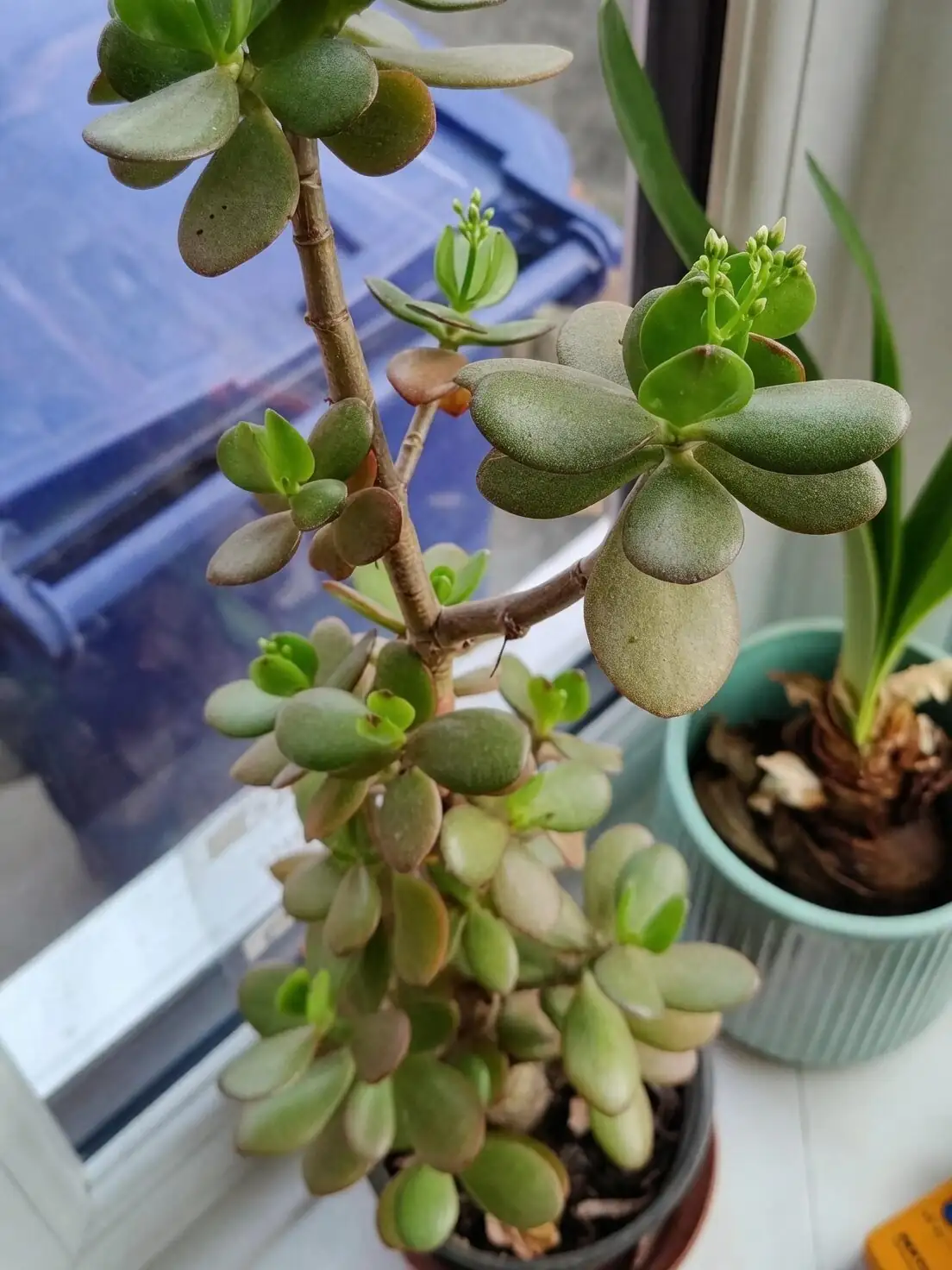
- Give maximum brightness indoors: South or west-facing window is ideal
- Acclimate to stronger sun over 1–2 weeks, especially after a low-light winter
- Aim for a gentle day–night temperature drop in fall and winter (keep above 5°C / 41°F)
- Keep soil on the dry side between waterings to mimic its native rhythm, but don’t let it collapse from thirst
Light, temperature, and the seasonal rhythm
- Sunlight: Bright light is best—full to partial sun. Indoors, the sunniest window keeps growth compact and colorful
- Temperature: Ideal 15–25°C (59–77°F); protect from frost and cold drafts; never below 5°C (41°F)
- Humidity: Low to average is perfect; avoid stagnant, constantly damp conditions
This seasonal ebb and flow—bright days, slightly cooler, drier winters—doesn’t just boost color. It also sets the stage for possible blooms.
That tree‑in‑a‑pot vibe: woody trunks and natural bonsai flair
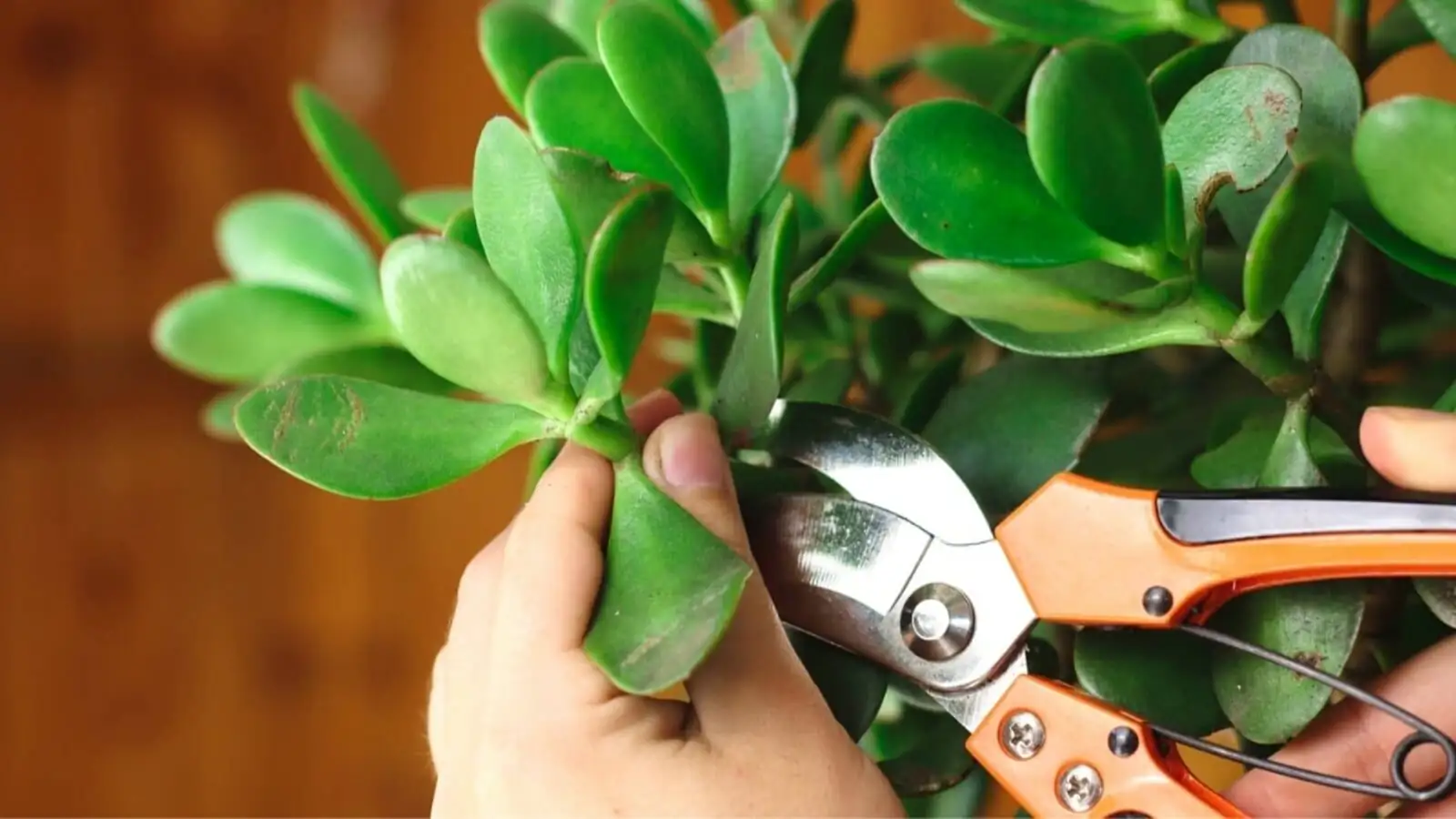
Over time, jade plants thicken into branching, woody shrubs. It’s part of their charm:
- Prune in spring or summer to encourage branching and shape a miniature “tree”
- Let cut surfaces dry and callus before watering again
- Handle the sap with care—some people find it irritating; gloves help
A plant that outlives fads (and sometimes its first owner)
Jade plants can live for decades and become heirlooms. Their secret is simple: slow, steady growth and remarkable tolerance for minor neglect. The real danger is too much love in the form of water.
- Main weakness: Overwatering and soggy soil, which lead to root and stem rot
- Repotting: Every 2–3 years (spring is best) into a fast-draining succulent mix
- Pot choice: Stable containers with drainage; a gritty mix keeps roots happy for the long haul
Flowers: why your jade won’t bloom (yet)
Indoors, flowers are a happy surprise, not a promise. Blooming is most likely on mature plants given:
- Very bright light
- A cooler, drier winter rest (keep it bright, water sparingly, no winter feeding)
- Patience: Even with perfect care, blooming indoors is unpredictable
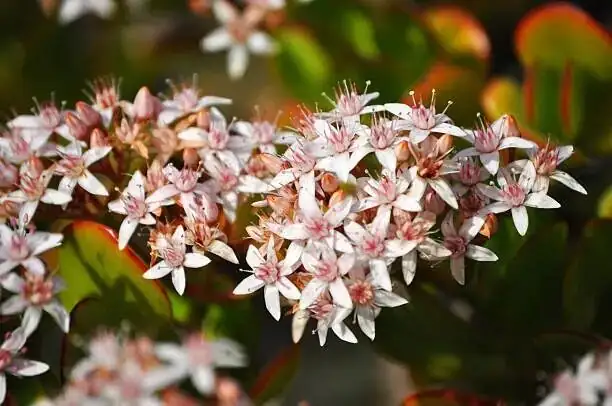
If you do get flowers, they’re small, star-shaped, and usually white to pale pink—often appearing in winter to early spring.
Care cheat sheet
- Sunlight: As bright as you can offer; sunniest window indoors
- Soil: Fast-draining succulent/cactus mix; amend with pumice or perlite
- Watering:
- Spring–autumn: Soak thoroughly, then wait until the surface and much of the mix have dried
- Winter: Water sparingly—just enough to prevent severe shriveling
- Never let the pot sit in water
- Feeding: 2–3 light feeds (half-strength, balanced liquid fertilizer) in active growth; skip winter
- Pruning: Spring or summer for shape; remove weak or damaged growth
- Propagation: Easy from stems or single leaves; let cuttings callus for several days, then pot dry and water lightly once roots form
- Pests: Watch for mealybugs, scale, and spider mites; improve light/airflow and treat with insecticidal soap or horticultural oil if needed
- Safety: Sap can irritate skin; wear gloves if sensitive. Keep away from children and pets—ingestion may cause gastrointestinal upset
- Outdoors: Only year-round in USDA Zones 11–12; elsewhere, enjoy it on a bright patio in warm months and bring it in before chills
Red edges: chic accent or distress signal?
Lovely:
- Even, ruby margins with firm, glossy leaves
- Compact growth in strong light
- Slightly drier soil between waterings
Needs adjustment:
- Bleaching or brown patches (sun scorch) → reduce harsh midday sun; acclimate gradually
- Wrinkled leaves and limp stems (underwatering) → water thoroughly, then drain
- Mushy stems or leaf drop (overwatering) → let soil dry more, improve drainage, check roots
Symbolism and the “money plant” mystique
The jade plant’s association with wealth and good luck comes from its coin-like leaves, generous longevity, and a long tradition of gifting it for housewarmings—especially in parts of Asia. It’s less a formal “flower language” born of Victorian floriography and more a cultural symbol: resilience, prosperity, and steady growth. In practice, that “good fortune” is a reminder to cultivate patience and consistency—much like the plant itself.
Quick FAQ
- Why are my jade plant’s leaves turning red at the edges?
- It’s usually a good sign of strong light (and sometimes cooler nights) boosting protective anthocyanins. If the plant looks stressed or scorched, back off from harsh midday sun and acclimate gradually.
- What’s the fastest way to kill a jade plant?
- Overwatering. Use a gritty, fast-draining mix, let it dry well between waterings, and never leave the pot in a saucer of water.
- How can I encourage flowering indoors?
- Give a mature plant very bright light and a cooler, drier winter rest. Even with this setup, indoor flowering can still be hit-or-miss.
Fun to know
- Red leaf edges deepen with stronger light and cooler nights
- Many jade plants live for decades and become true family heirlooms
- Brighter light and a gritty mix make care dramatically easier
In short: give your jade bright days, cool-ish nights, and a lean, well-drained diet. You’ll be rewarded with a sculptural, long-lived companion that shows its gratitude in glossy greens, ruby-trimmed leaves, and—if you’re lucky—winter stars.