

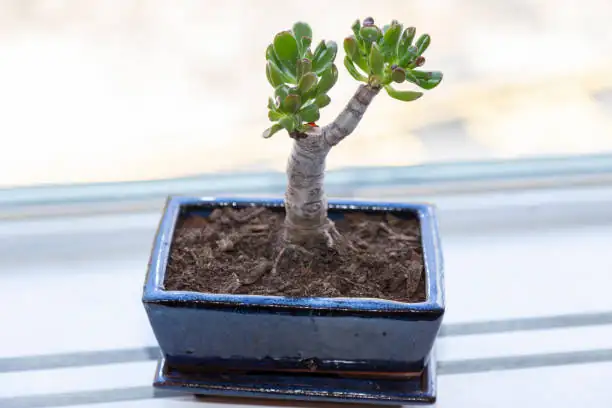
Meet the jade plant you’ve always wanted: compact, red-edged, and convincingly tree-like—without constant fussing. Crassula ovata (aka Jade Plant, Friendship Tree, Lucky Plant, Money Plant) is famously forgiving, yet it truly shines when you sync your care to the seasons. Here’s a crisp, calendar-style guide to light, water, pruning, and feeding that keeps your jade stocky, sculptural, and photo-ready all year.
Spring: Wake-up, Build Structure, Set the Tone
As days lengthen, your jade rubs the sleep from its eyes and pushes fresh growth. This is the moment to shape and strengthen.
Light
- Aim for the sunniest window you have (south or west indoors). More light = tighter internodes and richer red leaf edges.
- If you plan a summer patio vacation, begin gradual acclimation to brighter light now to prevent scorch.
Water
- Water thoroughly only after the surface and much of the mix have dried. Then drain fully—never let the pot sit in water.
- A good rhythm: soak, then wait until leaves feel a touch less taut and the mix is notably dry.
Feed
- Start light feeding as growth ramps up. Use a balanced liquid fertilizer at half strength, 2–3 times between spring and early autumn.
- Skip slow-release pellets that can encourage overly lush, floppy growth.
Prune (the smart way for a tree-like silhouette)
- Best window: spring into early summer.
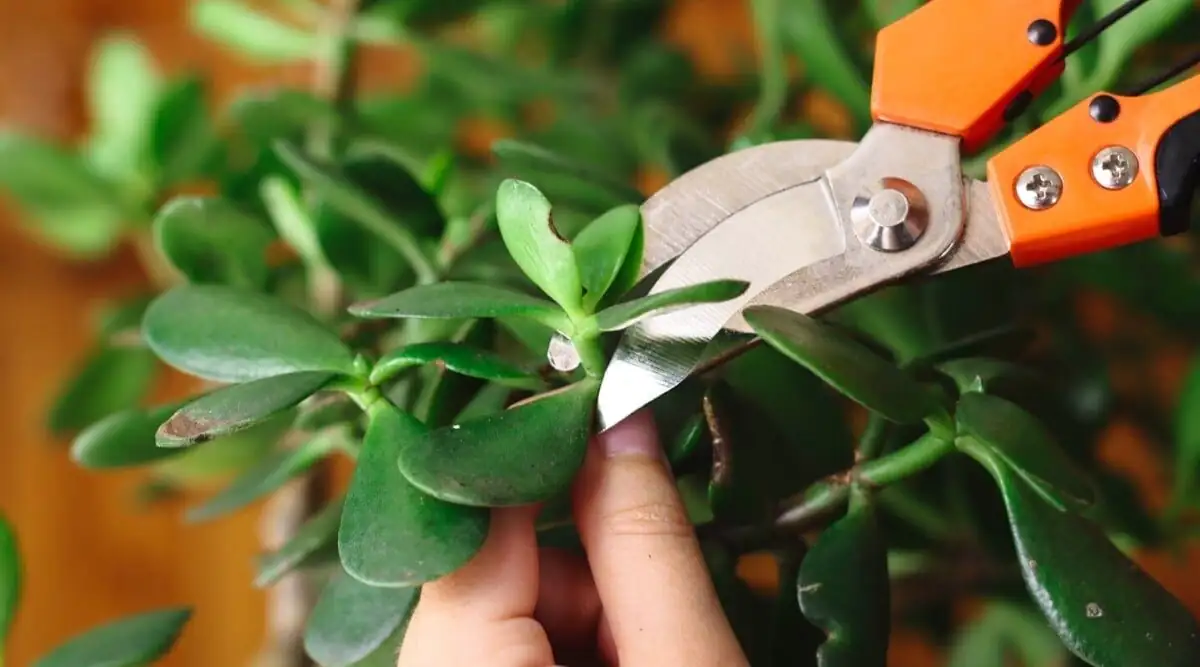
- Tip back long shoots just above a node to encourage branching; remove weak or crossing stems.
- As a rule of thumb, don’t remove more than about one-third of the plant at once.
- Let cuts dry and callus; the sap can irritate skin—wear gloves if sensitive.
Repot (only if needed)
- Every 2–3 years or when truly rootbound; spring is ideal.
- Use a fast-draining succulent mix—try roughly 3 parts potting substrate to 1 part sharp sand, plus extra perlite or pumice.
- Choose a sturdy, not-too-deep pot with a drainage hole. For small to medium plants, 15–20 cm (6–8 in) wide is a sweet spot.
Summer: Manage Light for Color and Compactness
Summer is your color-boost season. Done right, you’ll see those coveted red leaf margins and dense branching.
Light
- Indoors: keep it at the brightest window. Rotate weekly for even shape.
- Outdoors (mild climates only): acclimate over 10–14 days. Provide morning sun plus dappled midday shade to avoid scorch.
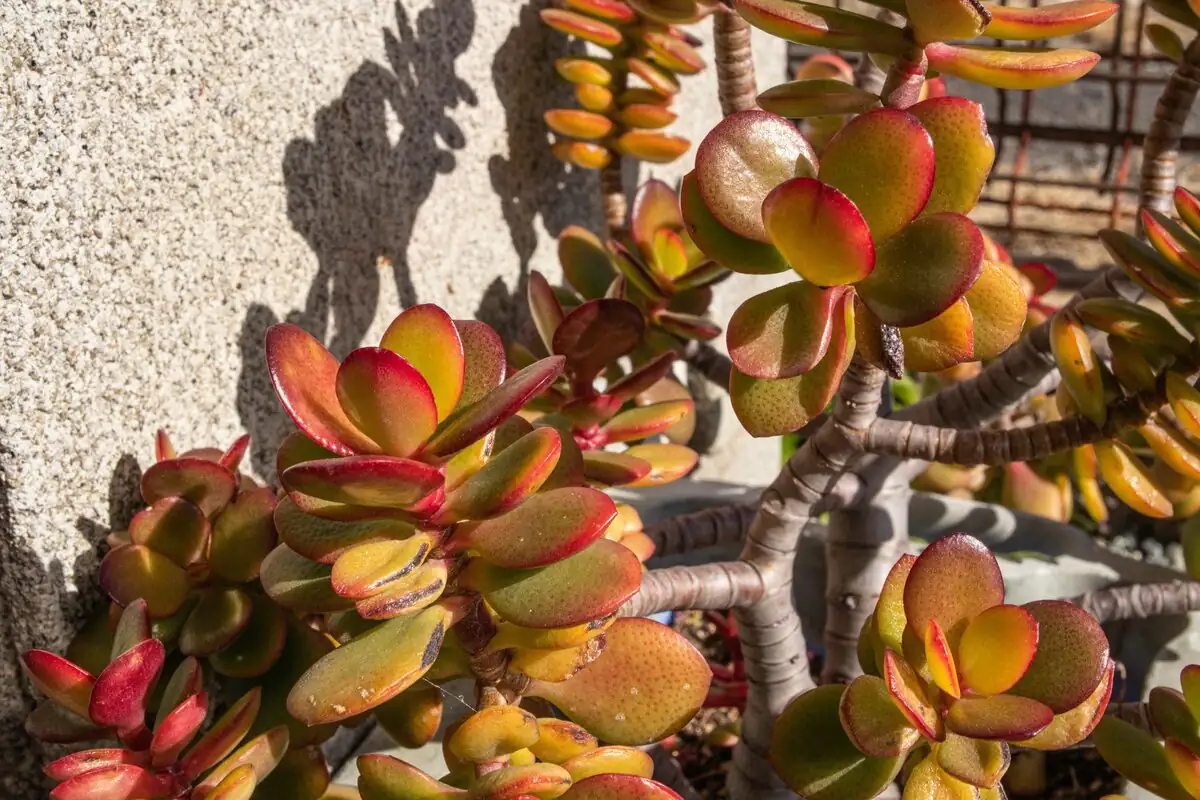
- Strong light and (later) cooler nights intensify the red edging.
Water
- Heat speeds drying, but the golden rule stands: water only when dry. Never on a schedule; always by feel and weight of the pot.
- Empty saucers immediately to avoid root rot.
Feed
- If growth is active, give one more half-strength feeding mid-summer. Otherwise, skip—less is often more with jade.
Groom and Guard
- Pinch soft tips to keep the canopy compact.
- Dust leaves to maximize photosynthesis.
- Watch for mealybugs, scale, and spider mites. Isolate, then treat with insecticidal soap or horticultural oil; improve airflow.
Autumn: Slow the Pace, Prime for a Cool, Bright Rest
Growth eases off now. Your job is to dial everything back without starving the plant of light.
Light
- Keep it at the sunniest window as days shorten—this prevents stretching.
Water
- Increase the interval between waterings as the mix takes longer to dry. Still water thoroughly when dry, then drain well.
Feed
- Stop feeding. You’re guiding the plant gently toward rest.
Housekeeping
- If your jade summered outdoors, inspect closely for pests before bringing it in.
- Avoid major pruning now; save shaping for spring.
Winter: Cool, Bright Rest = Red Edges and Possible Blooms
This is the secret sauce for compact form, flushes of red, and occasional winter-to-early-spring flowers on mature plants.
Light
- Park it in the brightest, sunniest window you own. Full sun to bright partial sun is best indoors.
- Low light = lanky growth. Bright light = tight nodes and color.
Temperature
- Ideal range is 15–25°C (59–77°F); cooler nights are fine. Protect from frost and keep above 5°C (41°F).
- A cool, bright, slightly drier winter rest can encourage flowering on mature plants.
Water
- Water sparingly—just enough to prevent severe shriveling. The mix should be dry for extended stretches.
- Never keep the root zone cold and soggy.
Feed and Prune
- Skip fertilizer entirely.
- Hold major pruning until spring; only remove damaged bits now.
The Bonsai Look, Without the Fuss
- Structure: Prune above a node to split a branch into two, building a tiered canopy. Keep a balanced silhouette so the woody trunk thickens without toppling.
- Light and restraint: High light, modest water, and conservative feeding keep leaves smaller and spacing tighter.
- Safety: The sap can irritate skin, and ingestion can upset pets and children. Wear gloves when pruning and keep plants out of reach.
Soil, Pots, and Drainage: The Non-Negotiables
- Mix: Fast-draining succulent substrate is essential. A simple recipe is potting mix with sharp sand at about 3:1, plus perlite or pumice for extra grit.
- Pot: Always use a container with a drainage hole. Terracotta helps the mix dry faster; weight helps anchor this naturally top-heavy plant.
- Air: Jade prefers low to average indoor humidity with good airflow—avoid stagnant, damp rooms.
Propagation: Share the Luck
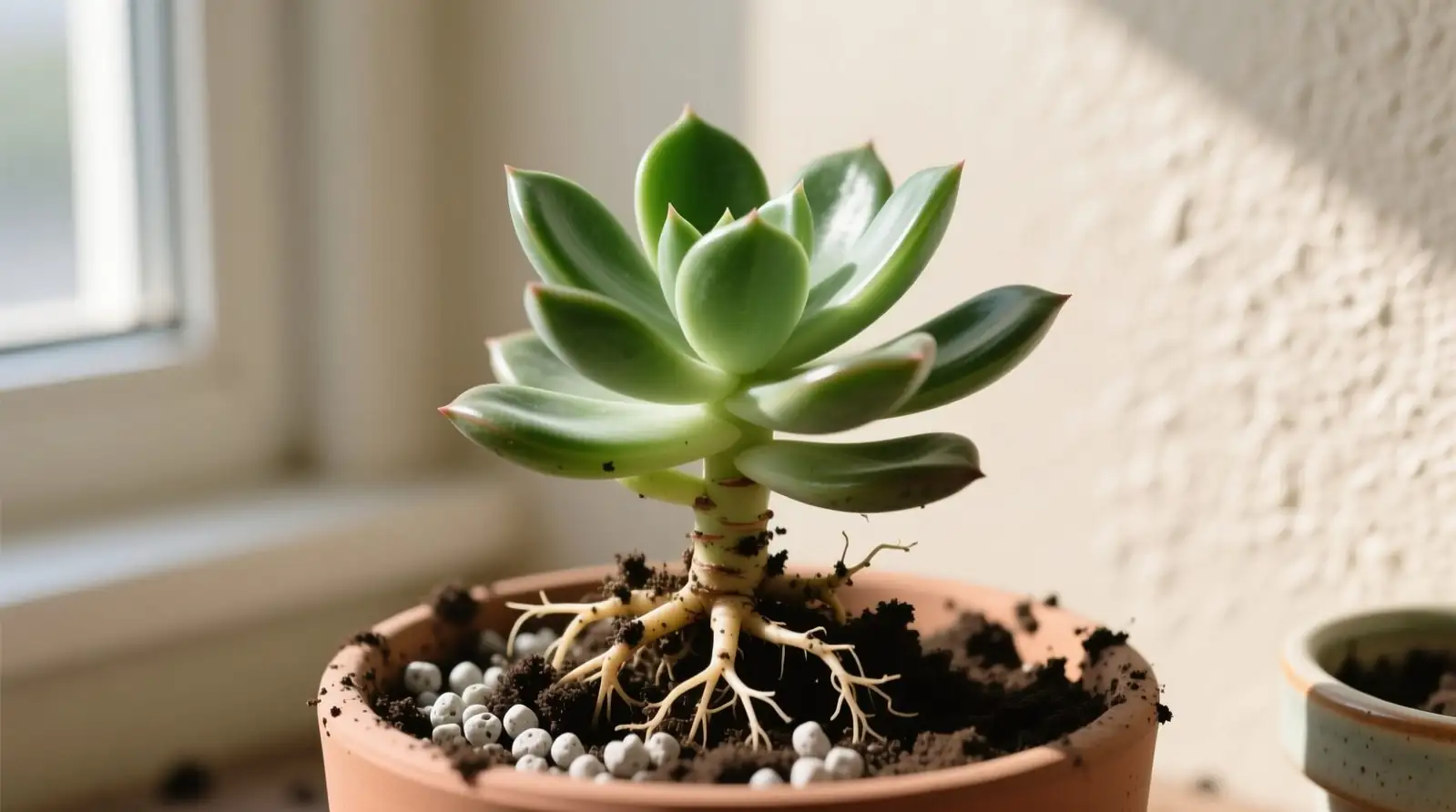
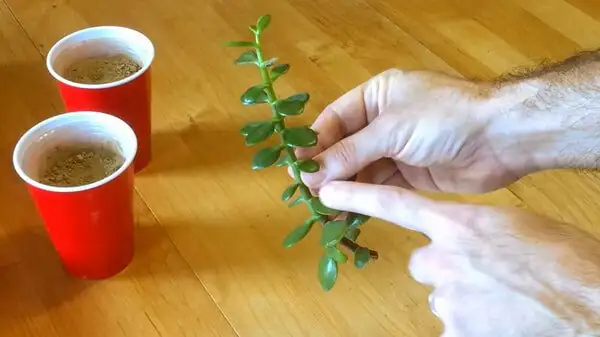
- Stem cuttings or single leaves both work.
- Allow cut pieces to dry and callus for several days.
- Set on/in dry, gritty mix. Water very lightly only after roots begin to form; then transition to your normal “water only when dry” routine.
Quick Troubleshooting, Any Season
- Wrinkled leaves: Thirst. Water thoroughly, then let dry again.
- Mushy, translucent leaves or blackened stems: Overwatering and potential rot. Let dry, improve drainage, and trim back to healthy tissue.
- Stretched, floppy growth: Not enough light. Move to a sunnier spot.
- Sticky residue or cottony clusters: Scale or mealybugs. Isolate, wipe, then treat with insecticidal soap or horticultural oil.
- Sudden leaf drop: Soil staying wet, cold drafts, or a big change in light—correct conditions and be patient.
Symbolism and “Flower Language”
Jade plants are widely gifted as emblems of wealth, luck, and prosperity, especially in parts of Asia—hence the nicknames “Lucky Plant” and “Money Plant.” This isn’t a botanical guarantee of fortune so much as a cultural metaphor: thick, enduring stems and long life mirror stability and prosperity. If there’s a “flower language” here, it’s less about blossoms and more about the plant’s character—resilience through drought, steady growth, and, on mature specimens, clusters of starry white-to-pale-pink winter flowers that feel like a quiet reward for patience and care.
At-a-Glance Seasonal Checklist
- Spring
- Maximize light, resume careful watering, start light feeding.
- Prune to shape; repot if needed into a gritty mix.
- Summer
- Bright light with midday protection outdoors or a sunny window indoors.
- Water when dry; one optional half-strength feed if growth is active.
- Scout for pests; rotate for symmetry.
- Autumn
- Reduce watering frequency; stop feeding.
- Keep very bright light; avoid major pruning.
- Winter
- Cool, bright rest; water sparingly.
- No fertilizer; no repotting; enjoy red edges—and, if you’re lucky, winter blooms.
Where this plant comes from: Native to South Africa and Mozambique, jade has conquered windowsills worldwide because it forgives forgetfulness yet rewards good habits. Give it fast-draining soil, your brightest light, and a seasonal rhythm—and watch your “bonsai in a pot” grow into a lifelong companion.
Safety note: Keep away from pets and children; ingestion can cause gastrointestinal upset. Wear gloves if you’re sensitive to the sap.
Hardiness reminder: Typically grown as a houseplant in cooler climates; outdoors year-round only in USDA Zones 11–12.