

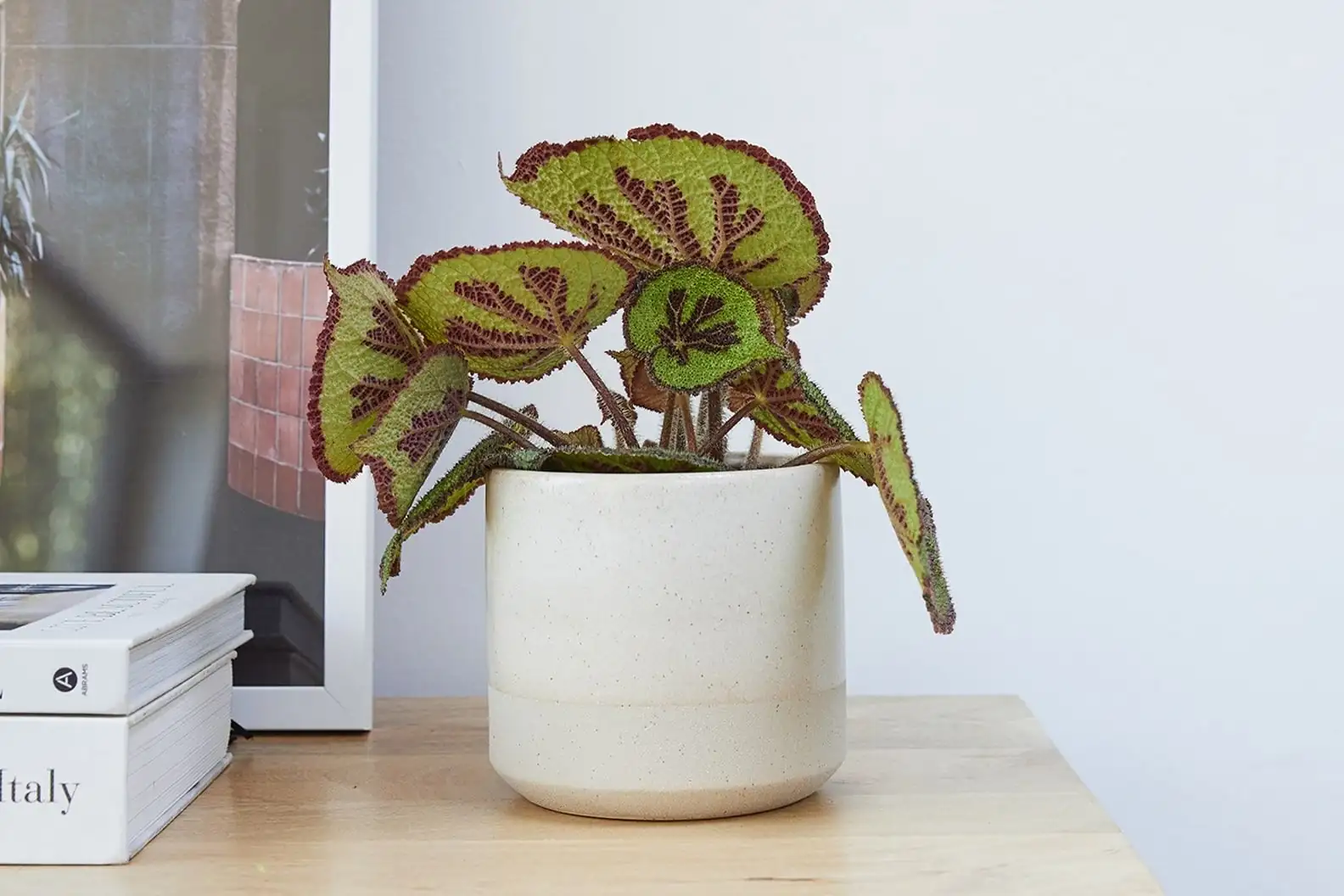
If you love lush, sculptural foliage but also have a curious cat or a nosy pup, the Iron Cross Begonia (Begonia masoniana) lets you have both beauty and peace of mind—with a bit of smart placement, gentle training, and clever decor. Those heart-shaped, bright-green leaves stamped with a dramatic “iron cross” are pure plant theater. They’re also lined with calcium oxalate crystals that can irritate a pet’s mouth if chewed. The solution? Design your space so the plant shines while paws and whiskers keep a respectful distance.
Meet the plant: bold, tactile, and unforgettable
- Botanical name: Begonia masoniana
- Common names: Iron Cross Begonia, Mason’s Begonia (also sold as “Brazilian Begonia”)
- Origin: Southern China to Vietnam; now widely grown for ornamental foliage
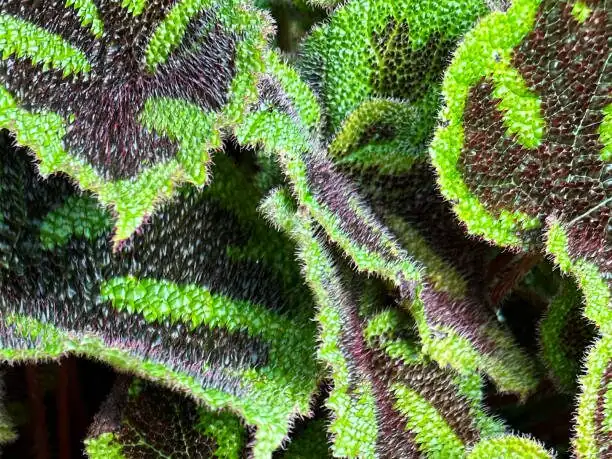
- Look and feel: Heart-shaped leaves in bright green, each marked with a deep wine-red to brown cross; surfaces are famously rough—think fine sandpaper
- Size and habit: Compact, clump-forming rhizomatous perennial, typically 12–18 in (30–45 cm) tall and wide, spreading more horizontally than upright
- Flowers: Small, pale pink to whitish—pretty, but the leaves steal the show
Safety snapshot for pet homes
Begonia leaves (and especially the rhizomes/roots) contain calcium oxalate crystals. If a cat or dog chews them, you may see:
- Oral irritation and drooling
- Pawing at the mouth
- Mild vomiting or refusal of food for a short time
What to do if your pet nibbles:
- Gently remove plant matter from the mouth if safe to do so.
- Offer fresh water; you can lightly rinse the mouth if your pet allows.
- Call your veterinarian for guidance. You can also contact ASPCA Animal Poison Control (888-426-4435; a fee may apply).
- Monitor for worsening symptoms.
Prevention is your superpower. The rest of this guide is about making “look, don’t touch” effortless.
Safety-first placement that still looks designer
This begonia thrives in bright, indirect light with warmth and moderate-to-high humidity—perfect conditions for creative, elevated displays that keep leaves out of reach.
Light and climate sweet spot
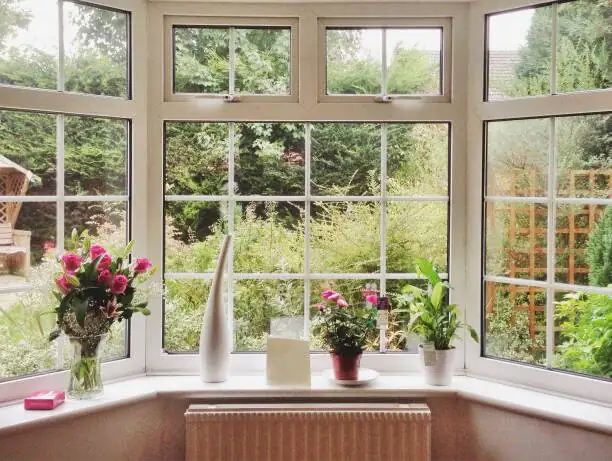
- Best windows: East or north. Or set the plant several feet back from a bright south/west window to avoid harsh direct sun that can scorch leaves.
- Temperature: 64–81°F (18–27°C), never below 55°F (13°C).
- Humidity: 50–70% with airflow. A small fan on low across the room helps prevent powdery mildew and leaf spots.
High, handsome, and hands-off
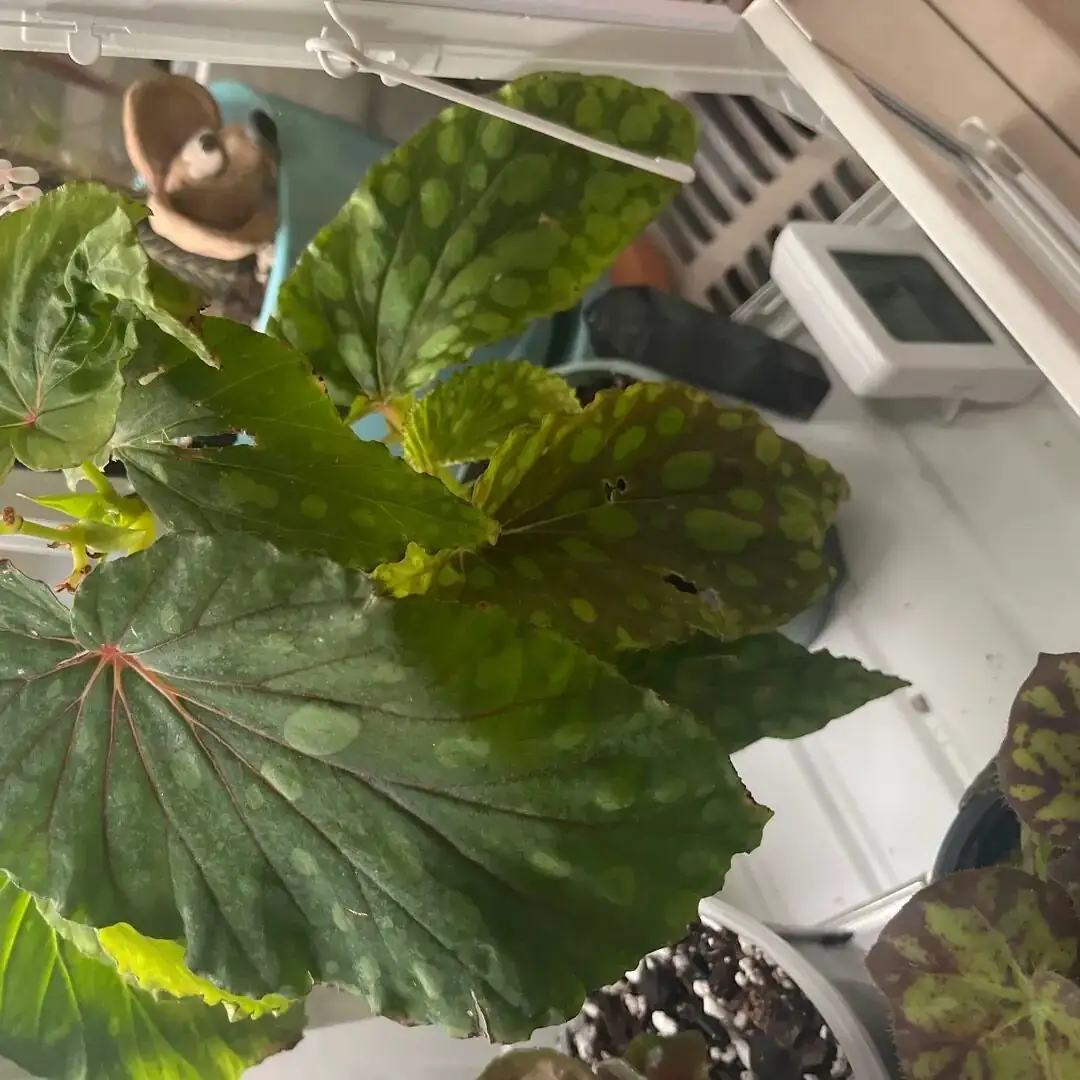
- Tiered wall shelves with a front lip: Mount a staggered trio and place the begonia on the highest shelf. Add a clear acrylic guard strip to the edge for a near-invisible barrier.
- Closed-but-breathable display: An IKEA greenhouse cabinet or vintage-style display case with cracked-open doors or vent fans gives humidity and airflow while making the plant off-limits.
- Hanging solutions—smartly: Use sturdy ceiling anchors and hang the pot away from furniture your cat can launch from. Keep leaves a good distance from bookcases, refrigerators, or window sills that act as cat runways.
- Plant pedestals with presence: Choose a heavy, tip-resistant stand, then place the plant toward the back corner of a room—not along traffic routes or near favorite pet napping spots.
Terrarium style (with a twist)
Begonia masoniana loves humidity but needs air movement. Try:
- A tall glass cloche with a vented top or propped slightly for airflow.
- A mesh or wire “birdcage” cloche that blocks nibbling but breathes beautifully.
- A conservatory shelf: open terrarium frames or glass-front cabinets with discreet fans.
Tip: Avoid regularly wetting leaves, especially late in the day—damp, stagnant conditions invite fungal issues.
Training that actually works (and feels good to your pet)
Physical barriers are great; pairing them with positive training is better.
- Teach “Leave it” and “Off”: Reward immediate eye contact and retreat from the plant with tiny treats. Short, daily sessions pay off fast.
- “Place” command: Give pets a comfy bed or perch in the same room. Reward relaxing there. Your begonia becomes background, not a target.
- Give a better option:
- Cats: Offer a lush tray of cat grass or wheatgrass in a sunny spot they already love.
- Dogs: Provide chew toys, food puzzles, or snuffle mats during peak curiosity hours.
- Gentle deterrents:
- Motion-activated air puff near a plant shelf helps cats learn boundaries without fear.
- Double-sided tape on jump-off ledges (temporarily) makes those launchpads less appealing.
- Skip leaf sprays: Bitterants and scented deterrents can spot or stress begonia leaves and may bother pets. If you use a no-chew spray, apply it to furniture edges—not the plant.
Decor hacks that double as protection
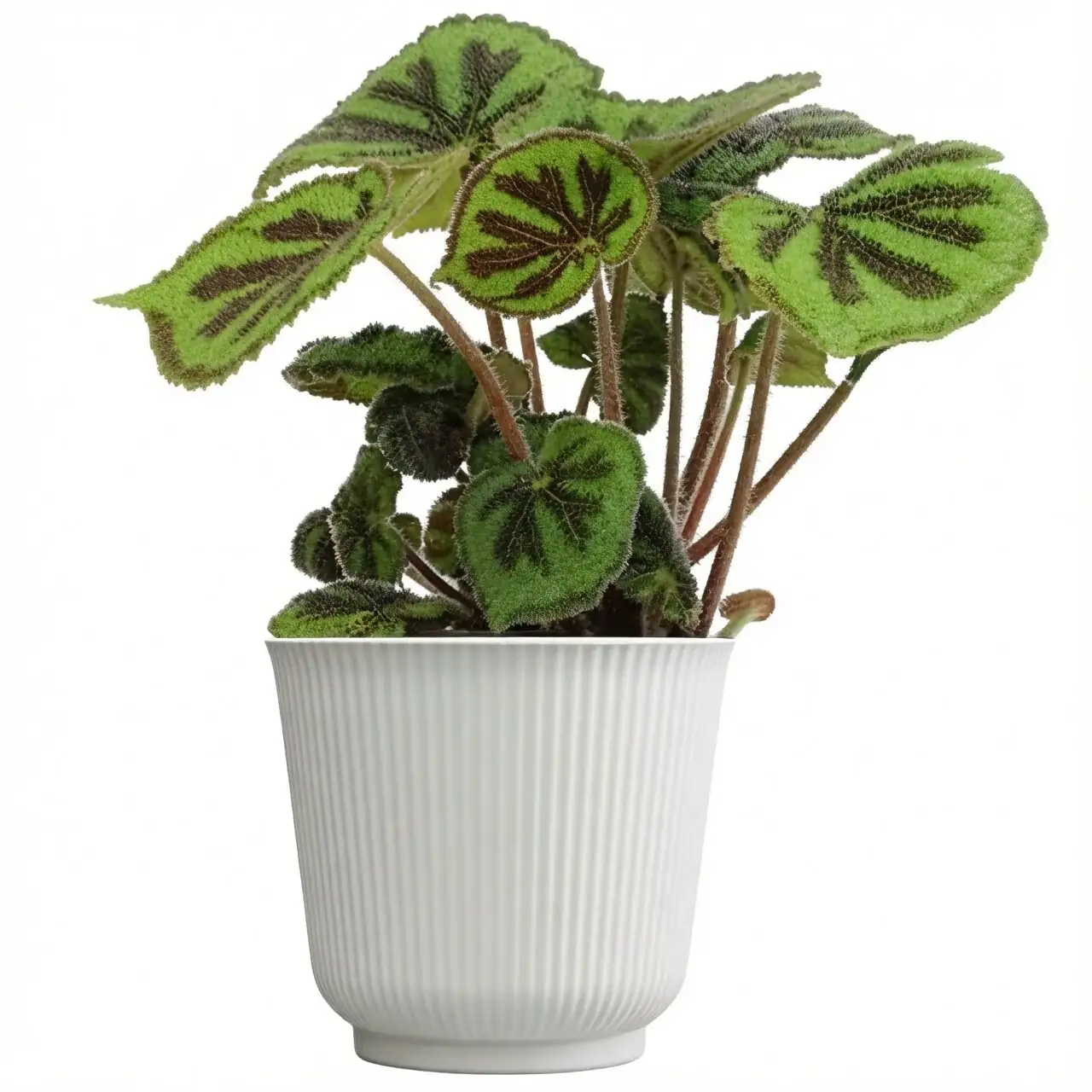
Make your safety plan look intentional and chic.
- The “cachepot lift”: Nest the nursery pot inside a taller decorative cachepot so leaf edges sit higher than a curious nose. Raise the inner pot on a small inverted saucer—just don’t let water pool at the bottom.
- Top-dress like a pro: A layer of chunky decorative pebbles or river stones hides soil (less digging temptation), helps deter fungus gnats, and looks polished. Leave gaps so water penetrates easily, and always drain excess—no standing water.
- Gallery shelves with accents: Flank the begonia with taller, pet-safe decor objects (books, vases, sculptures) that create a gentle “moat” without boxing in airflow.
- Bathroom beauty: In a warm, bright bathroom with a window and ventilation, this begonia thrives. Keep it on a high shelf away from towels or the sink to avoid splashes and temptation.
- Stable and shallow: Use a wide, shallow pot (perfect for its spreading rhizomes) with a weighted base or heavy substrate layer to resist tipping.
Care pointers that keep it thriving (and less tempting)
A healthy plant is less likely to drop crispy edges or sap that might pique pet interest.
- Watering: Let the top 1 inch (2–3 cm) of mix dry, then water thoroughly and drain completely. Never leave the pot sitting in water. Ease up a bit in winter.
- Potting mix: Loose, airy, and fast-draining—think a peat or coco base with perlite and some bark. Repot every 1–2 years in spring; shallow, wider pots suit the rhizomes.
- Feeding: Spring through early fall, use a balanced fertilizer at 1/4–1/2 strength every 2–4 weeks. Little to none in winter.
- Grooming: Remove yellowing or damaged leaves at the base to keep the display crisp (and reduce pet curiosity).
- Pests: Spider mites, mealybugs, thrips, and fungus gnats are the usual suspects. Treat early with insecticidal soap or horticultural oil and keep airflow up. Avoid systemic insecticides in pet homes.
Quick placement recipes (by room)
- Living room spotlight: Top shelf of a bookcase with an acrylic guard, set back from a bright window. Add a small, quiet fan across the room.
- Home office chic: Greenhouse cabinet beside a north window; keep door cracked and run a mini USB fan.
- Entryway calm: Heavy pedestal in a low-traffic corner; decorative stones over soil; motion air deterrent for adventurous greeters.
- Spa-bath vibe: On a high, ventilated shelf by an east window. Humidity here is your friend.
Fast FAQ for pet parents
- Is it safe around pets if they can’t reach it? Yes. The plant is risky if chewed; smart placement plus training is key.
- Are the roots worse than the leaves? The underground parts generally hold more oxalate crystals, but any chewed part can cause irritation—keep the whole plant off-limits.
- Can I mist to raise humidity? Light, occasional misting is okay, but regular wet leaves invite disease. A humidifier or pebble tray (pot never sitting in water) is safer.
A note on “flower language” and symbolism
While many Western “flower language” traditions focus on blooms, foliage plants earn meanings too—often through form and pattern. With its bold cross-like marking and rugged leaf texture, the Iron Cross Begonia is often linked to individuality and celebrating unique beauty. That symbolism resonates in modern interiors: a single pot becomes a statement of personal style, especially when displayed thoughtfully—and safely—above pet temptation.
—
Design your space so everyone wins: you get luminous, touch-me-not leaves; your pets keep their happy, healthy curiosity; and your home looks curated, not cordoned off. With the right height, a little airflow, and positive training, Begonia masoniana becomes the easiest conversation piece you’ll ever keep out of paw’s reach.