

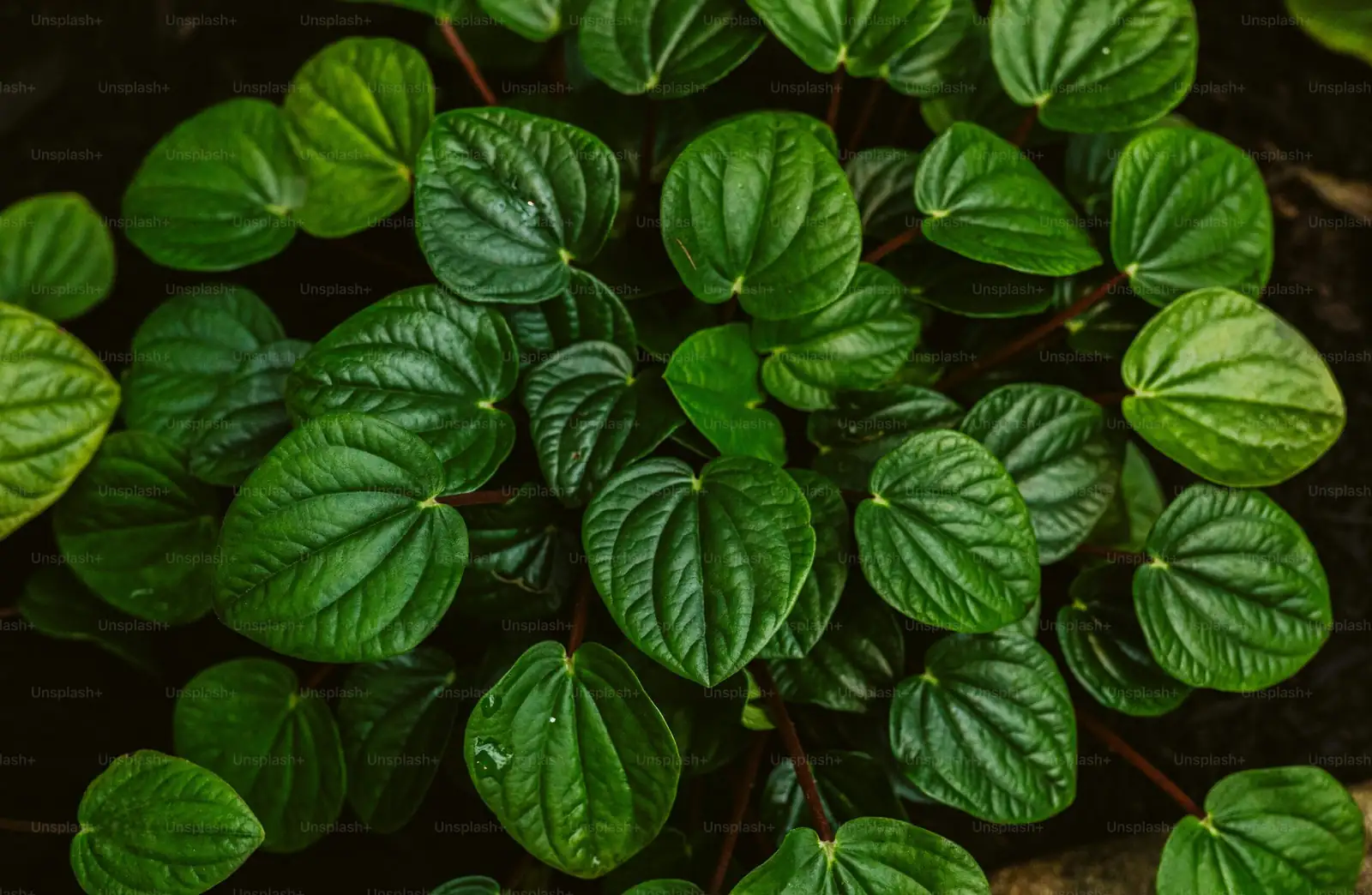
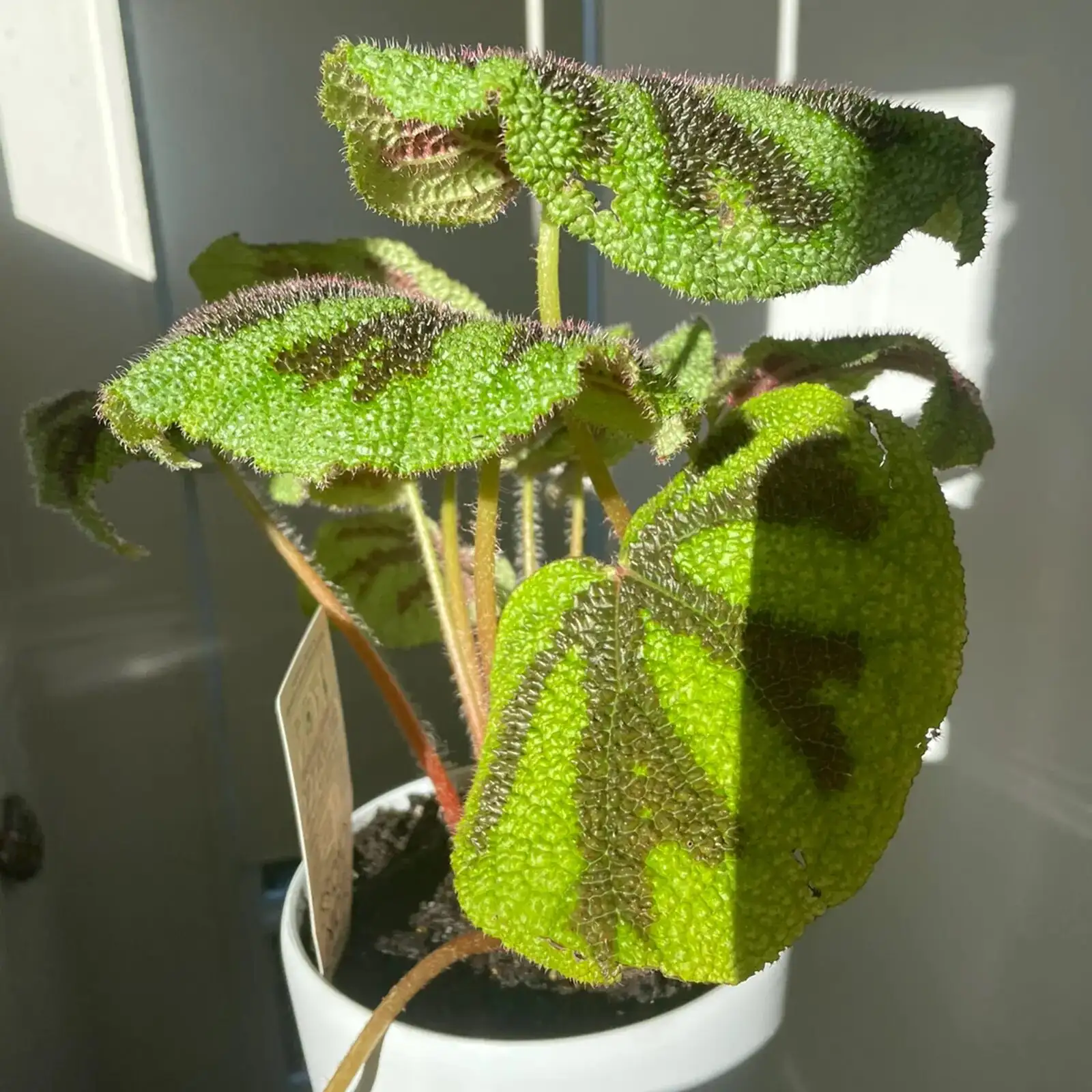
Walk past an Iron Cross Begonia and you’ll want to touch it. Those heart-shaped leaves feel like fine sandpaper, glowing lime with a bold wine-red “cross” stamped in the middle—a living emblem on a rugged canvas. It looks like a terrarium darling, but here’s the myth to bust: sealing this beauty in glass isn’t the magic ticket. Begonia masoniana craves humidity, yes—but also air. Let’s talk smart, semi-enclosed displays that keep it lush without inviting mildew, and exactly when to say “no” to a sealed terrarium.
Meet Begonia masoniana (Iron Cross Begonia)
- Also known as: Iron Cross Begonia; aliases include Brazilian Begonia and Mason’s Begonia
- Origin: Southern China to Vietnam; now a beloved ornamental worldwide
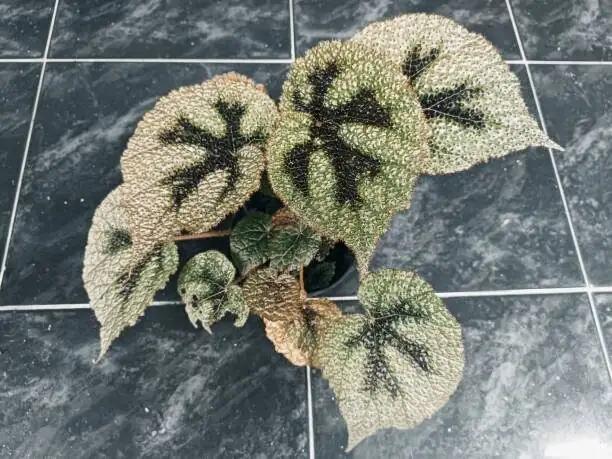
- What makes it special: Heart-shaped, bright green leaves with a dark wine-red cross and a famously rough, tactile surface
- Size and habit: Compact, clump-forming rhizomatous perennial; typically 30–45 cm (12–18 in) tall and wide
- Light and temperature: Bright, indirect light; avoid harsh direct sun. Prefers 18–27°C (64–81°F), keep above 13°C (55°F)
- Humidity: Likes moderate to high humidity—ideally 50–70%—but with good airflow
- Soil: Loose, airy, fast-draining mix (peat/coco + perlite + a bit of bark)
- Why people grow it: The foliage is the show; flowers are small, pale pink to whitish and secondary to the leaves
The big myth: “More humidity is always better”
High humidity without air movement is like a steam room with no door—great for fog, not for foliage. In stagnant, moist air, leaf surfaces stay damp, and that’s when trouble (like powdery mildew or leaf spot) finds you. This fungus doesn’t need dripping-wet conditions to spread; what really tilts the odds in its favor is poor airflow and persistently wet leaves.
The truth: Iron Cross Begonia thrives where humidity is balanced with ventilation. Think warm, bright, and softly breezy—never swampy.
What to aim for instead
- 50–70% RH plus gentle air movement so leaves dry after watering
- Water the potting mix, not the leaves—especially not late in the day
- Keep the plant out of direct hot sun (scorch) and away from heat vents (crispy edges)
Semi-enclosed displays that begonia actually likes
Forget sealed bottles. Choose ventilated setups that hold humidity while letting fresh air in.
Smart enclosure ideas
- Vented cloche or bell jar: Prop the lid slightly with a cork, or use a cloche with a top vent
- Glass cabinet with gaps (e.g., vintage curio or greenhouse-style cabinet): Add a small, quiet fan on a timer for air exchange
- Aquarium with a mesh or perforated lid: Add side vents for crossflow
- Prop box with drilled holes: Great for propagation; include two vent points for intake and exhaust
Design principles that work
- Cross-ventilation: Two vents (low intake, high exhaust) beat one
- Vent area: Keep 5–10% of the lid or side area open to prevent constant condensation
- Airflow feel: Gentle—leaves barely move
- Light: Bright, indirect; east or north window, or a soft grow light. Avoid direct sun on glass to prevent overheating
Potting and watering inside a semi-enclosure
- Pot and mix: Use a shallow, wider pot to suit the spreading rhizome; mix of peat/coco + perlite + a bit of bark for airflow
- Elevate: Keep the pot on risers above any moist reservoir or pebbles—no standing water
- Watering rhythm: Water thoroughly when the top 2–3 cm (about 1 in) of mix feels dry; then drain well. In semi-enclosures, you’ll water less often
- Feeding: Spring to early autumn, use a balanced fertilizer at 1/4–1/2 strength every 2–4 weeks; ease off in winter
A simple routine
- Daily: Check the glass. If it’s beading with condensation, crack the lid 15–30 minutes or increase venting
- Weekly: Wipe the glass (spores love damp film), check for pests, remove any yellowing leaves
- Sensors help: A small hygrometer-thermometer inside keeps you honest about RH and heat
Mildew prevention playbook (and what to do if it shows up)
- Space and airflow: Don’t crowd leaves against glass or neighboring plants
- Keep foliage dry: Especially in the evening; avoid habitual misting that leaves surfaces wet
- Water early: Morning watering lets any incidental splashes dry
- Grooming: Remove and discard affected leaves as soon as you see powdery patches or spotting
- Air tweak: Temporarily lower RH to the 45–55% range and increase ventilation to disrupt mildew
- Treatments: If needed, use an appropriate fungicide labeled for ornamental houseplants and follow directions carefully
- Sanitize: Clean the enclosure walls and tools; spores can linger on damp surfaces
Pro tip: Powdery mildew spreads more readily in still air. A tiny fan that keeps air gently moving often makes the difference between “powdered donut” and pristine leaves.
When to say no to a sealed terrarium
Skip the seal and go semi-enclosed or open if:
- Your room RH already sits near 50–60% (a humidifier or pebble tray will finish the job)
- You’ve battled powdery mildew or leaf spot before
- You tend to overwater, or your mix is dense—sealed setups magnify rot risk
- You get direct sun on the container (heat buildup can cook the plant)
- The plant is big enough that leaves would touch the glass (constant wet contact = leaf problems)
- You can’t commit to routine venting or can’t add a fan
Bottom line: Iron Cross Begonia is terrarium-friendly only if there’s adequate airflow. “Closed forever” is a no; “closed with vents and a breeze” can be fantastic.
Propagation and pruning in semi-enclosures
- Pruning: Pinch or trim leggy stems to keep a compact silhouette; remove damaged leaves at the base
- Propagation: Leaf cuttings or rhizome divisions root beautifully in warm, humid conditions (around 21–24°C / 70–75°F). Use a vented prop box to prevent mold; keep the medium evenly moist, not soggy
Quick care cheat sheet
- Light: Bright, indirect; protect from harsh sun
- Temperature: 18–27°C (64–81°F); never below 13°C (55°F)
- Humidity: 50–70% with airflow
- Water: When the top 2–3 cm (1 in) dries; water thoroughly and drain. Reduce in winter
- Soil: Airy, fast-draining (peat/coco + perlite + some bark)
- Feeding: Spring–early autumn, light and regular; pause in winter
- Repotting: Every 1–2 years in spring; shallow, wider pots suit the rhizome
- Pests: Watch for spider mites, mealybugs, thrips, and fungus gnats; treat promptly with insecticidal soap or horticultural oil
- Safety: Toxic to pets if chewed (insoluble calcium oxalates); causes mouth irritation and drooling—keep out of reach
Seasonal notes
- Spring–summer: Brighter indirect light, regular watering, and light feeding
- Autumn: Taper fertilizer; allow slightly more drying between waterings
- Winter: Keep warm, reduce watering; avoid cold drafts and soggy soil
A quick word on blooms and symbolism
You might see small, pale flowers from late winter to spring, but the foliage is the star. With its bold cross and rugged leaf texture, Begonia masoniana has become a symbol of individuality—unmistakable and unapologetically different. It’s a plant that says, “Look closer.”
Final myth-busts, rapid-fire
- “A sealed terrarium is safest for humidity-loving begonias.” Not for this one—use vents and air movement.
- “Misting all the time prevents crispy edges.” Occasional light misting is fine, but chronic wet leaves invite mildew. Aim for room-level humidity with airflow instead.
- “If leaves get spots, just water more.” Leaf spot and mildew aren’t thirst—they’re often airflow and hygiene problems. Adjust the environment first.
Curate a habitat, not a haze: warm, bright, humid—but always breathing. Do that, and your Iron Cross Begonia will keep flashing that dramatic emblem on leaf after leaf, no glass bubble required.