

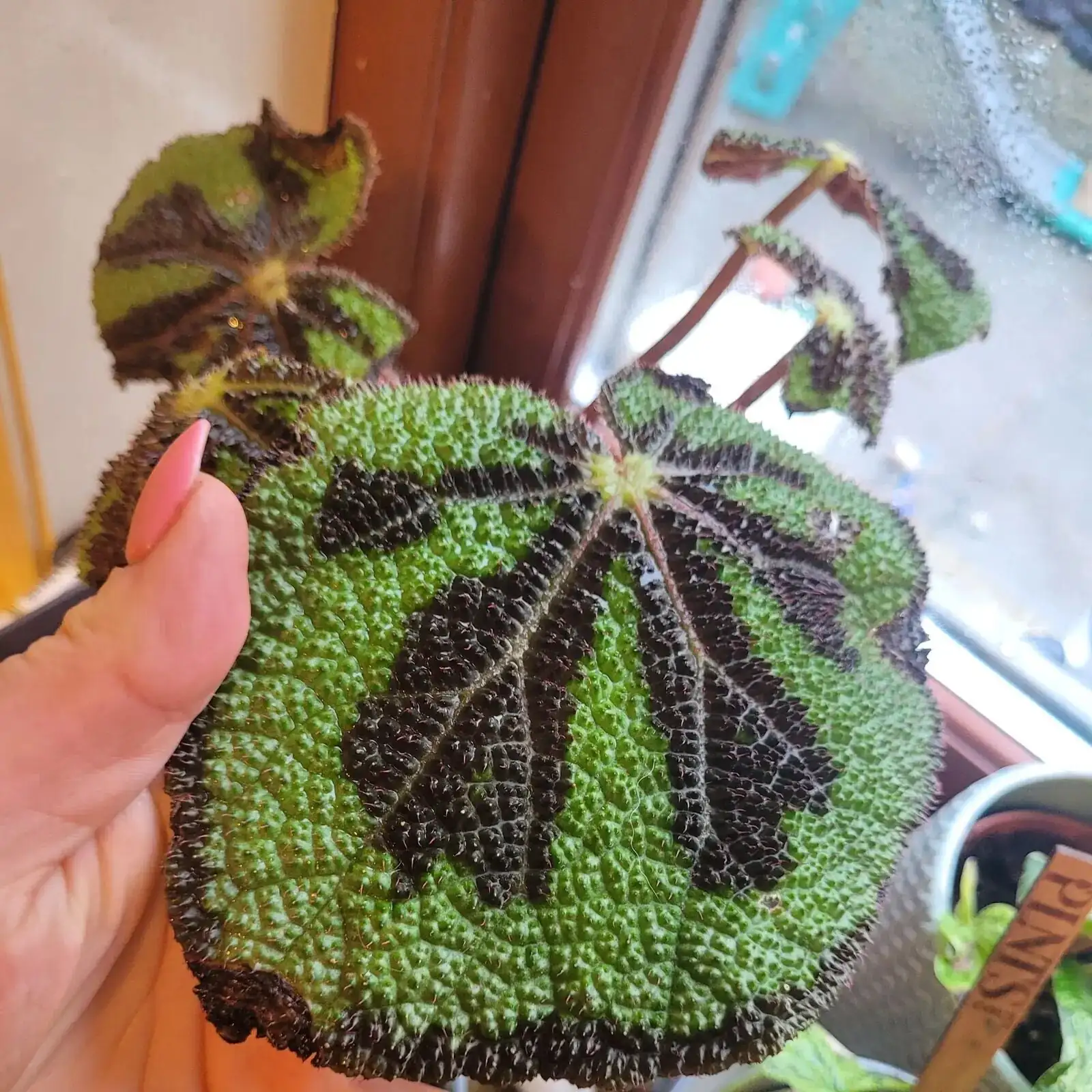
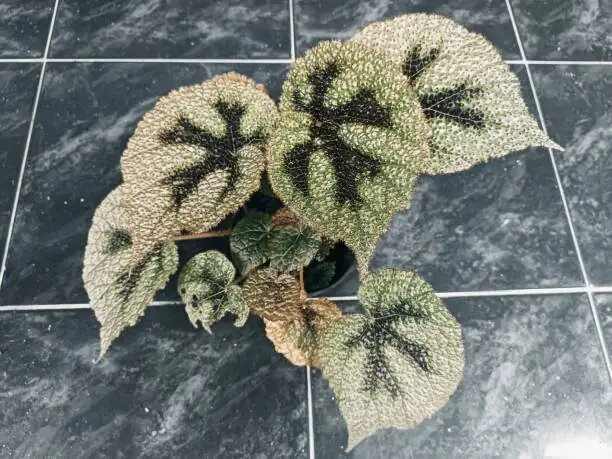
If you’ve ever run your fingers over the leaf of an Iron Cross Begonia (Begonia masoniana), you know it’s a plant that insists on attention. Those rugged, sandpapery hearts stamped with a wine-red cross can look museum-grade—or mysteriously dull—depending on how you treat them. Here’s a practical, season-by-season playbook for light, watering, humidity, temperature, and airflow so the cross stays dark and the greens stay bright.
Meet the Iron Cross Begonia
- Scientific name: Begonia masoniana
- Also called: Iron Cross Begonia, Mason’s Begonia (sometimes sold as “Brazilian begonia,” but it’s actually from southern China to Vietnam)
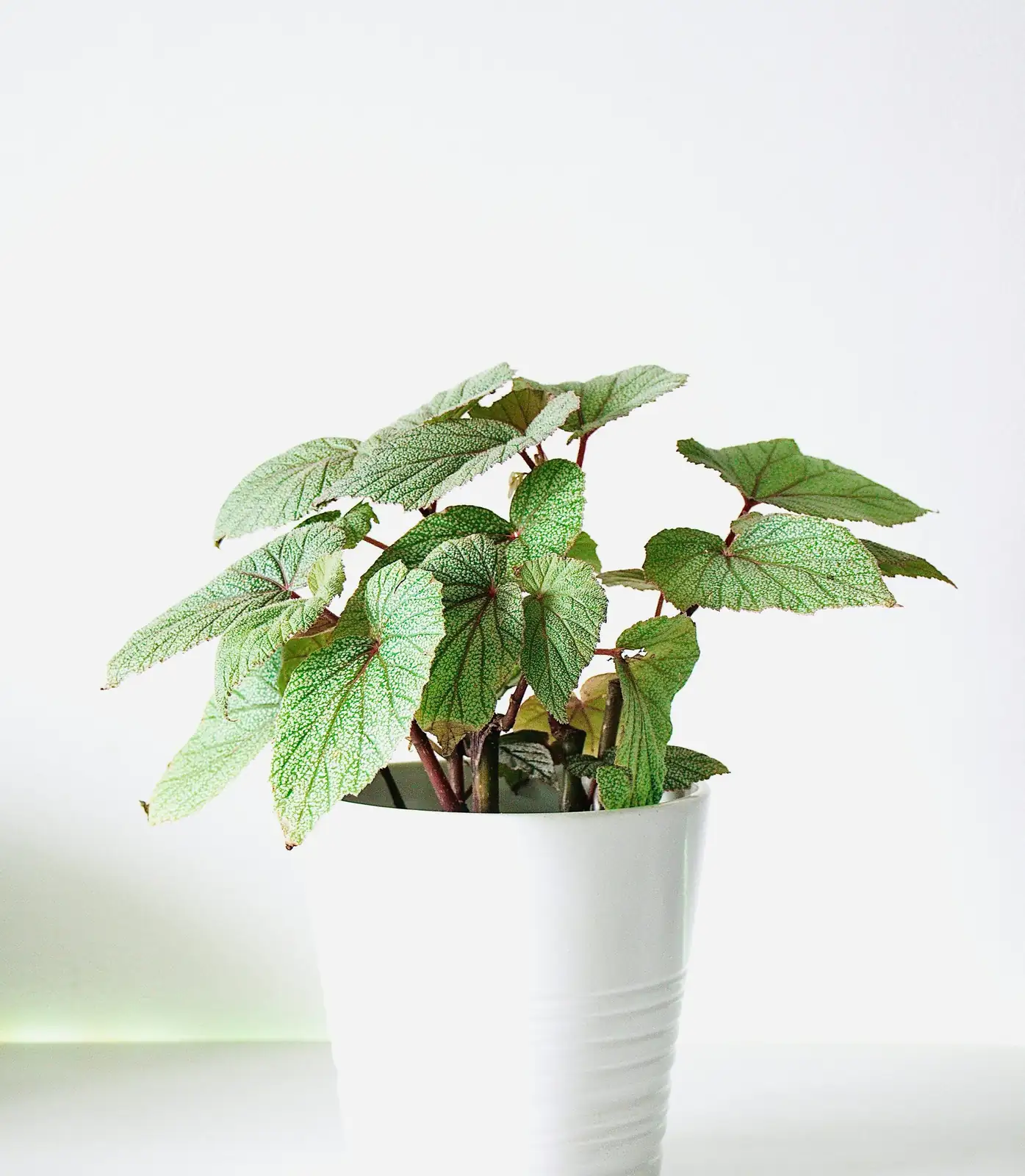
- Look: Bright green, heart-shaped leaves with a bold, dark cross; rough, tactile texture
- Size: Typically 30–45 cm (12–18 in) tall and wide in a pot
- Habit: Rhizomatous, clump-forming, more spreading than tall
- Flowers: Small, pale pink to whitish (late winter to spring indoors), but foliage steals the show
The Color-Quality Formula
Think of color as a balance of five dials:
- Light: Bright, indirect light builds chlorophyll (vivid greens) and supports those wine-red pigments. Too little light = faded cross; too much direct sun = scorch and washed-out greens.
- Water: Even moisture keeps leaves plump and saturated; soggy soil mutes color and invites rot.
- Humidity: Aim for 50–70%—enough to prevent crisping edges without inviting mildew.
- Temperature: A steady 18–27°C (64–81°F) is the sweet spot. Cold stress (below 13°C/55°F) is a one-way ticket to mushy rhizomes.
- Airflow: Gentle, consistent air movement keeps leaves clean, reduces mildew, and preserves that crisp contrast.
Pro tip for light: Use the “soft-shadow test.” If your hand casts a clear but soft-edged shadow at midday where the plant sits, you’re in bright, indirect territory.
Season-by-Season Care
Spring: Wake-up and Brighten
- Light
- Move to brighter indirect light (east window is perfect; or set back from a bright south/west window).
- Avoid sudden jumps to high sun—acclimate over 1–2 weeks to prevent scorch.
- Water
- Increase gradually. Water when the top 2–3 cm (about 1 in) of mix feels dry.
- Water thoroughly, then drain completely—never let the pot sit in water.
- Humidity (50–70%)
- Room humidifier or pebble tray (pot above the waterline). Occasional light misting is fine, but avoid regularly wet leaves.
- Temperature
- Keep 18–27°C (64–81°F). No cold drafts during spring storms.
- Airflow
- Start a gentle, indirect fan across the room. Aim for leaf movement like a slow exhale, not a wind tunnel.
- Feeding
- Begin light feeding at 1/4–1/2 strength every 2–4 weeks with a balanced fertilizer.
- Repotting & Grooming
- Best time to repot if the rhizome crowds the pot. Choose a shallow, wide pot and an airy mix (peat/coco + perlite + a bit of fine bark).
- Remove winter-tired leaves at the base; pinch leggy growth for a compact clump.
Summer: Color Max, Heat Watch
- Light
- Maintain bright, indirect light. Shield from harsh midday sun to keep greens vivid and prevent cross “bleaching.”
- Water
- Warm weather = faster drying. Still follow the top-1-inch-dry rule; never keep the mix constantly wet.
- Humidity (50–70%)
- Indoors can get dry with AC—counter with a humidifier. A bright bathroom with good airflow can be ideal.
- Temperature
- Keep within 18–27°C. Hot windowsills can spike temps—pull back if leaves feel hot to the touch.
- Airflow
- Consistent, gentle air movement is your mildew insurance policy.
- Feeding
- Continue low-strength fertilizer every 2–4 weeks to support lush, saturated foliage.
Autumn: Ease Back, Hold the Glow
- Light
- As days shorten, move slightly closer to the window to maintain brightness (still indirect).
- Water
- Begin to space out waterings—growth slows, so let the top 2–3 cm (1 in) dry as usual and avoid soggy soil.
- Humidity (50–70%)
- Heating dries the air—bump up humidity methods before edges crisp.
- Temperature
- Stable warmth matters now; keep well away from drafts and heat vents.
- Airflow
- Keep gentle airflow, especially with rising indoor humidity and cooler nights.
- Feeding
- Taper feeding; stop or greatly reduce by late autumn.
Winter: Warm, Bright, and Dry-Edges Prevention
- Light
- Give it your brightest indirect spot (clean the window glass to squeeze out more lumens). Expect flowers late winter to spring if conditions suit.
- Water
- Reduce frequency, but don’t let the mix go bone dry for long. Avoid wet, cold soil at all costs.
- Humidity (50–70%)
- Humidifier > misting. If you mist, do it early in the day so leaves dry quickly.
- Temperature
- Never below 13°C (55°F). Keep off cold sills and away from exterior doors.
- Airflow
- Gentle circulation helps prevent powdery mildew during short, dim days.
- Feeding
- Pause feeding until spring.
Placement Cheat Sheet
- Best spots: Near an east or north window; a step back from bright south/west light.
- Good alternative: A warm, bright bathroom with airflow.
- Avoid: Direct midday sun, cold drafts, and hot/dry blasts from radiators or vents.
Watering, Soil, and Pots: The Textbook Setup
- Watering rhythm
- Check soil by touch; water when the top 2–3 cm (1 in) is dry.
- Drench, drain, discard excess. Never leave the pot standing in water.
- Soil mix
- Loose, airy, fast-draining: peat or coco base + perlite + some fine orchid bark.
- Pot choice
- Shallow and wider is better for spreading rhizomes.
- Repot timing
- Every 1–2 years in spring or when roots/rhizome crowd the pot.
Humidity and Airflow: The Anti-Crisp, Anti-Mildew Duo
- Target 50–70% humidity. Combine a humidifier with a small, indirect fan.
- Pebble trays work if the pot sits above the waterline.
- Avoid constantly wet leaves and late-day splashing; it invites leaf spots and mildew.
- Dusting rough leaves: Use a soft brush or puff of air; skip vigorous wiping.
Feeding for Leaf Saturation (Spring–Early Autumn)
- Use a balanced fertilizer at 1/4–1/2 strength every 2–4 weeks.
- Flush the pot with plain water occasionally to avoid salt build-up.
- Stop or greatly reduce feeding in winter.
Propagation (For Backup Beauty)
- Rhizome division
- In spring, slice a healthy rhizome section with at least one growing eye. Plant shallowly in moist, airy mix; keep warm (21–24°C / 70–75°F) and humid with airflow.
- Leaf cuttings
- Leaf wedges or whole leaves pinned to a moist, airy medium root readily with warmth and high humidity.
Troubleshooting Color and Texture
The cross looks pale or patchy
- Increase brightness (still indirect). Move closer to an east window or add sheer curtains to a brighter exposure.
- Check feeding schedule; resume low-strength fertilizer if it’s the growing season.
- Verify the mix isn’t staying wet—soggy roots dull leaf color.
Greens look washed-out or yellowing
- Light may be too low—relocate to brighter indirect light.
- Review watering; alternating drought and drench can stress foliage.
- Rule out root troubles: ensure fast drainage and no standing water.
Brown, crispy edges
- Usually low humidity, underwatering, or hot direct sun.
- Restore 50–70% humidity, follow the top-1-inch-dry rule, and shield from harsh rays.
Leaves dropping or base turning mushy
- Classic overwatering and/or cold stress.
- Let the mix dry a bit more between waterings, improve drainage, and keep temps above 13°C (55°F).
Pests and leaf diseases
- Common pests: spider mites, mealybugs, thrips, fungus gnats.
- Prevention: steady humidity with airflow, don’t overwater, and avoid late-day wet leaves.
- Treatment: insecticidal soap or horticultural oil; repeat as needed and improve cultural conditions to prevent rebounds.
Safety Note
- Toxic to pets (cats/dogs) if chewed due to insoluble calcium oxalates. Can cause mouth irritation and drooling. Keep out of reach of pets and small children.
A Little Story and Symbolism
Iron Cross Begonia has charmed plant lovers for decades with its unmistakable, almost heraldic leaf mark and rugged texture. It’s often linked with individuality and the appreciation of unique beauty—fitting for a plant that looks hand-painted. While “flower language” traditions vary, the meaning most often attached to this begonia celebrates distinctiveness and tactile, visual wonder rather than romance—an homage to leaves that demand both a look and a touch.
Quick Care Card
- Light: Bright, indirect; no harsh direct sun
- Water: When top 2–3 cm (1 in) is dry; drench and drain
- Humidity: 50–70% with airflow
- Temperature: 18–27°C (64–81°F); never below 13°C (55°F)
- Soil: Airy, fast-draining; shallow, wide pot preferred
- Feed: 1/4–1/2 strength every 2–4 weeks in spring–early autumn
- Airflow: Gentle, continuous; avoid cold drafts and hot vents
Nail this balance, and your Iron Cross will put on a foliage show worthy of its name—greens that glow, a cross that stays decisively dark, and leaves that beg to be touched.