

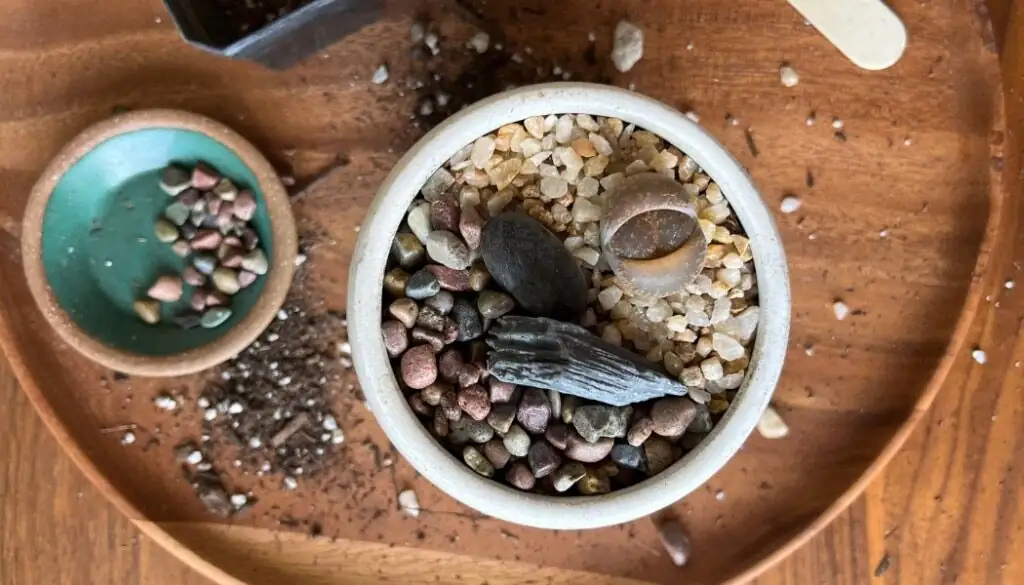
If you’ve ever stared at a pot of gravel only to realize one of the “pebbles” is flowering, welcome to the world of Lithops—living stones with habits so strange and delightful they border on mischief. Native to the deserts of southern Africa, these tiny Aizoaceae succulents have evolved a bag of botanical tricks to survive blazing sun, hungry grazers, and long droughts. Here’s a list-style deep dive into their weirdest behaviors—and how to enjoy them at home without accidentally watering them to death.
The Weird Wonders of Lithops: 9 Behaviors You Won’t Believe
1) Camouflage so perfect, you’ll misplace them
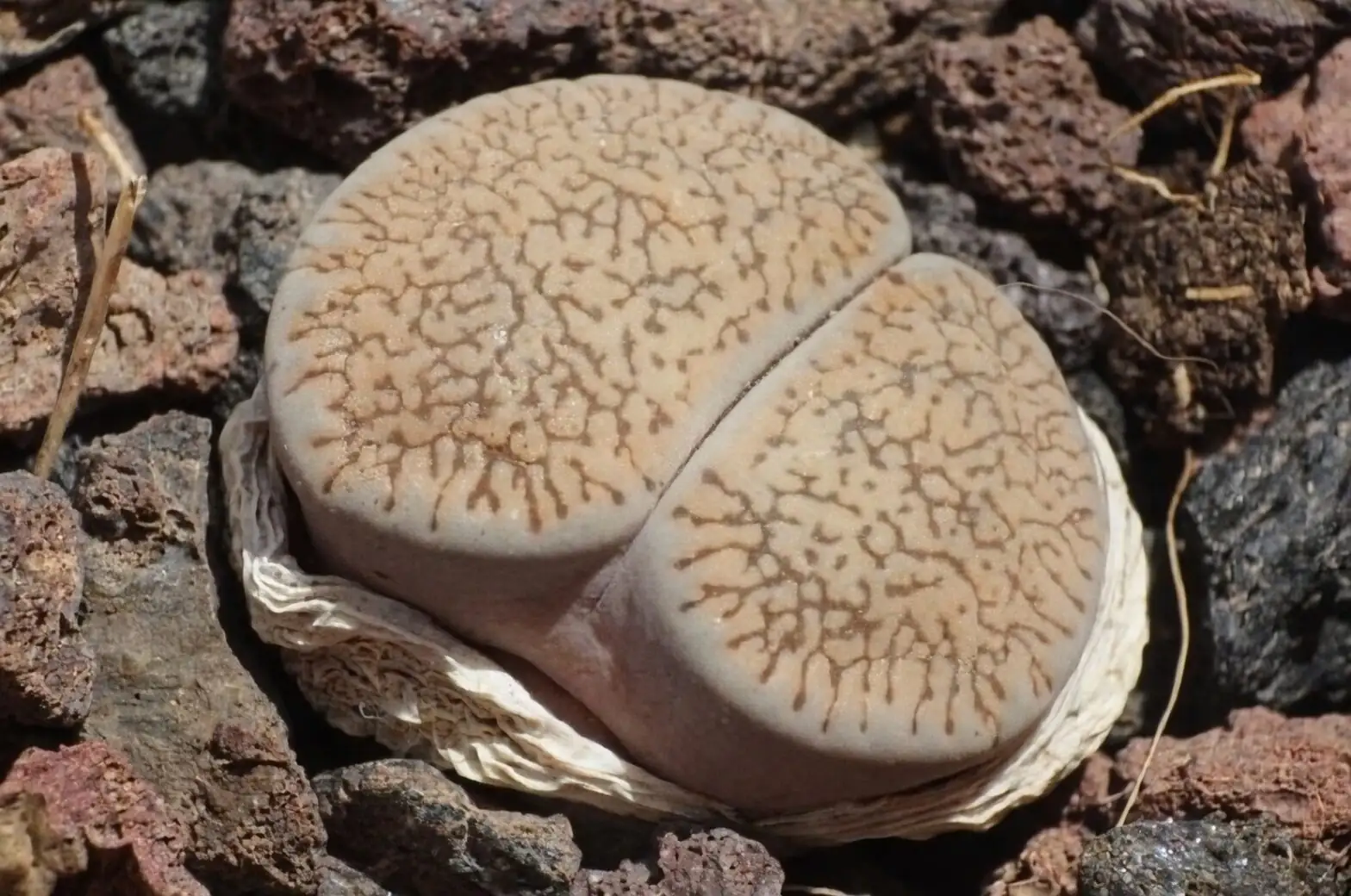
- Lithops are pebble mimics. Their tops are patterned in greys, tans, and browns, often with speckles and marbling that mirror the surrounding gravel.
- Set them in a pot with a stone top-dressing and you might genuinely “lose” them in plain sight.
- Evolutionary bonus: looking like a rock discourages grazers and reduces sun stress in the wild.
2) A plant made of… two leaves
- Each “head” is really one body composed of two thick, fused leaves split by a neat central fissure.
- There’s virtually no above-ground stem; most of the plant sits at soil level or slightly below.
- Those curious translucent areas on top? They’re “windows” that let light penetrate deep into the leaf for photosynthesis while most of the plant stays tucked in.
3) The annual self-replacement ritual
- Every year, a brand-new pair of leaves grows from the central slit, sipping stored moisture from the old pair.
- As the new pair plumps up, the old pair wrinkles and dries into a papery shell—nature’s slow-motion costume change.
- Care quirk: during this leaf replacement, hold off on watering until the old leaves have largely dried. Watering too soon risks splitting and rot.
4) Oversized daisy fireworks from a pebble
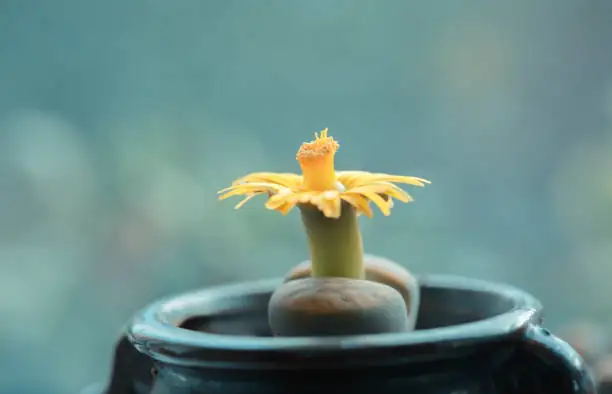
- In late summer through autumn, a single daisy-like flower erupts from the center fissure.
- The bloom is comically large compared to the plant, often white and sometimes yellow.
- Many open in the afternoon and close again toward evening—like a daily curtain call from a rock.
5) Rain-activated seed confetti (the splash trick)
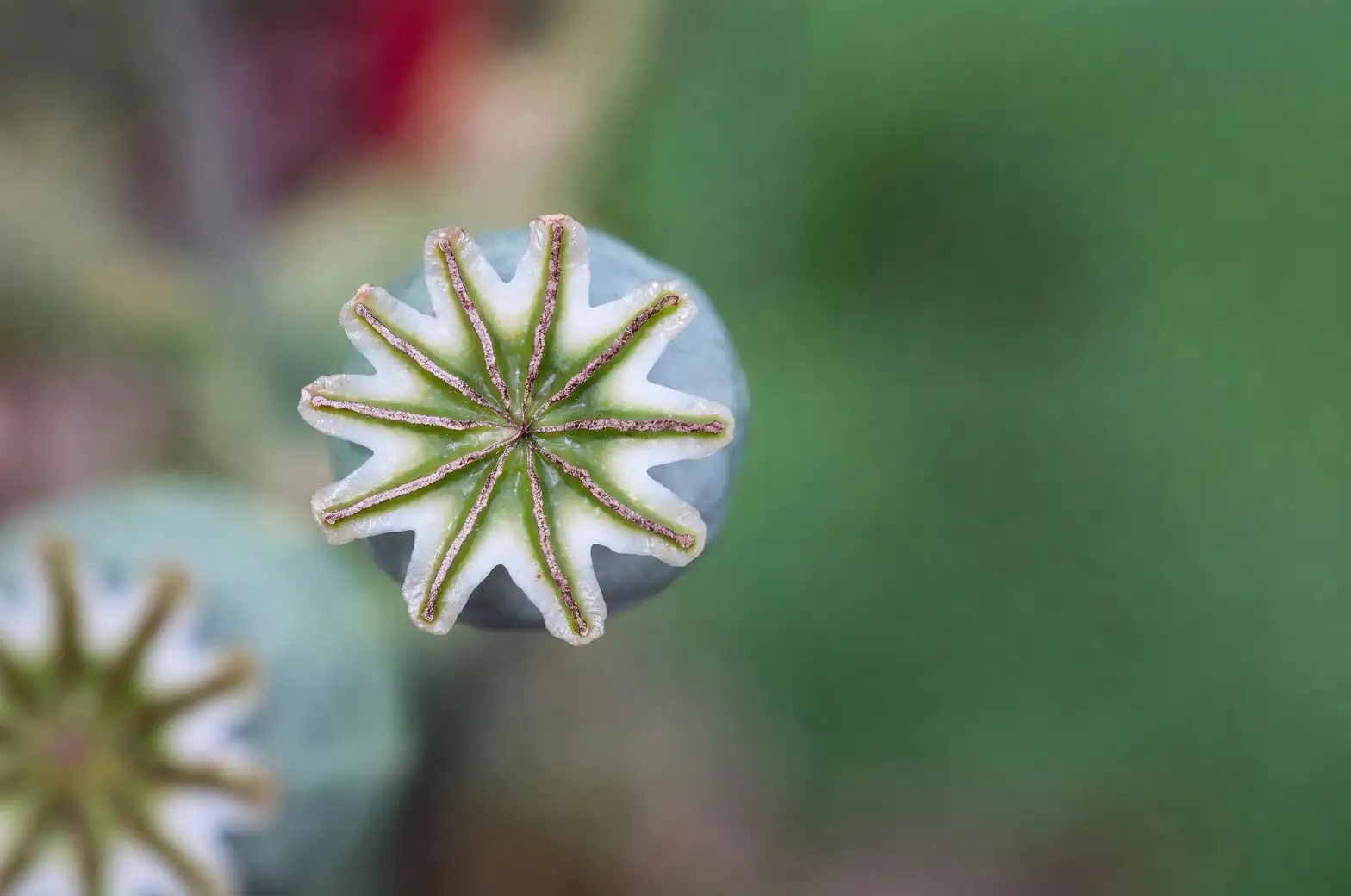
- After flowering, seed capsules form that naturally open when wet, helping raindrops splash the tiny seeds outward.
- Indoors, growers usually collect seeds and sow them purposefully. Germination can happen in about 7–10 days—but seedlings are slow, taking roughly 2–3 years to flower.
6) Sunroofs for photosynthesis
- Those leaf “windows” aren’t just pretty—they act like skylights, channeling sunlight into buried tissues.
- This lets Lithops stay low and stone-like while still powering up on desert sunshine.
7) Desert disappearing act
- In drought, Lithops can shrink and hunker down, sometimes slipping slightly below the soil surface to conserve moisture.
- In very hot summers they often pause growth—think of it as a mini siesta until cooler days return.
8) Miniature minimalism, maxed out
- Tiny is the point: individual heads are typically about 1–4 cm (0.4–1.6 in) across.
- They grow slowly and may form small clumps over time, one perfectly patterned “stone” multiplying into a tidy, low mosaic.
- Roots are relatively sparse and shallow—hence their love of small, shallow pots with fast drainage.
9) Drama with water (they’re strict!)
- The golden rule: bright light and very careful watering.
- Let the soil go fully dry between drinks and water lightly—especially during hot summer rest and most of winter.
- Biggest enemy: overwatering and poorly draining soil. If the mix lingers wet, rot moves in fast.
How to Coexist with Your Tiny Stone Impostors (Quick Care Cheats)
- Light: Bright light to full sun, ideally 6+ hours daily. A sunny south- or west-facing window works great. In extreme heat behind glass, give a touch of midday shade and airflow.
- Watering:
- Wait for a thorough dry-down; a hint of wrinkling is your cue.
- Go sparse in hot summer rests and keep mostly dry in winter.
- During leaf replacement, hold water until old leaves have mostly dried.
- Never leave water sitting in a saucer.
- Soil & Pot: Use a very gritty, fast-draining cactus/succulent mix with high mineral content (coarse sand, grit, pumice). Shallow pots suit their shallow roots. A 7.5–10 cm (3–4 in) pot fits a single plant; 10–12 cm (4–4.7 in) often holds 3–5.
- Temperature: Best around 15–26°C (59–79°F). Protect from frost; many growers keep winter temps above about 12°C (54°F).
- Humidity & Airflow: Low humidity, excellent ventilation. Stagnant, damp air is trouble.
- Feeding: Very light touch. Either feed once in autumn at 1/4 strength or use a very dilute, low-nitrogen cactus fertilizer only during active growth—then stop in summer rest and winter.
- Repotting: Infrequent. About every 2 years is common to refresh the mix—longer is fine if drainage stays snappy. Pebble top-dressing looks great but don’t let it trap moisture.
Buying Tips and Classic Mix-Ups
- Choose heads that are firm and plump with crisp patterns and an intact central slit. Avoid mushy bases, blackened tissue, sodden soil, or visible pests.
- Lithops vs. Conophytum:
- Lithops: looks like two fused lobes with a central slit dividing the top into two halves.
- Conophytum: often a single, rounded body with a small “mouth” at the top and many different shapes.
Propagation: The Slow-and-Steady Club
- Seeds: Common route. Sow in spring to early summer at around 19–24°C (66–75°F). Sprouts may appear in 7–10 days, but plants can take 2–3 years to bloom.
- Division: Possible when clumps are big enough.
- Leaf cuttings: Not the way—Lithops don’t play that game.
Pests, Problems, and Peace of Mind
- Watch for mealybugs (including root mealybugs), aphids, fungus gnats in overly moist mixes, and—above all—rot from excess water or slow-draining soil.
- Outdoors or near open windows, curious birds or rodents may peck at plants.
- Safety: Generally regarded as non-toxic to humans and pets, but they’re not food. Small, firm bodies can pose a choking hazard—display out of reach.
Symbolism: Beauty in Disguise
Collectors often link Lithops with resilience and “beauty in disguise.” It’s easy to see why: these desert specialists thrive where few plants dare, hiding in plain sight until they burst into improbable, daisy-like bloom. While you won’t find a centuries-old “flower language” tradition for Lithops, modern succulent lovers have adopted them as emblems of toughness, clever adaptation, and the quiet joy of looking closely.
Lightning-Quick FAQ
- What light do they need?
- Bright light to full sun; aim for 6+ hours daily. Indoors, a south or west window is ideal, with slight midday shade if summer heat is intense.
- How do I water without killing them?
- Let the mix fully dry, watch for slight wrinkling, then water lightly and let it dry fast. Keep mostly dry in winter and during leaf replacement until old leaves have dried.
- When do they flower?
- Typically late summer to autumn. Flowers are usually white; some are yellow.
- What’s the best pot and soil?
- A shallow pot plus a very gritty, fast-draining mix rich in mineral material (coarse sand, grit, pumice). Small pots fit these tiny, low growers perfectly.
Final tip: If you’re ever unsure whether to water, wait a bit longer. With Lithops, patience isn’t just a virtue—it’s survival.