

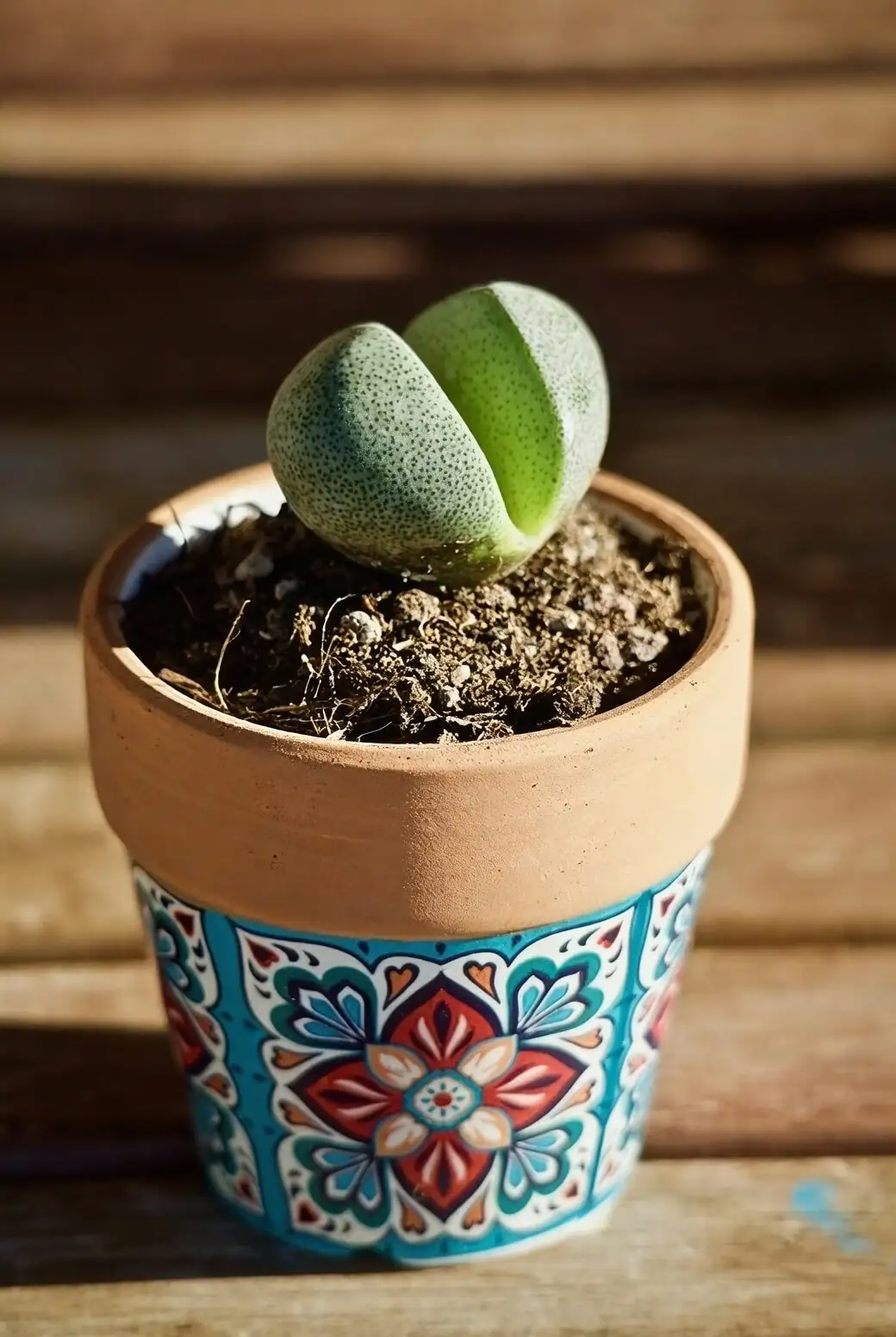
If Living Stones could talk, they’d whisper one golden rule: treat me like a desert, not a houseplant. Lithops barely look alive—two fused leaves posing as pebbles—yet they’re masters of timing, drought, and camouflage. The flip side? They’re also masters at dying from kindness. Here’s your simple, field-tested playbook to spot trouble early, act fast, and prevent the four big killers: overwatering rot, root mealybugs, aphids, and gnat-infested mixes.
Quick symptom decoder
- Bloated, glassy, splitting, or smelly: Overwatering rot
- Sudden shriveling despite “okay” watering; white fluff on roots or near the drain hole: Root mealybugs
- Sticky residue on buds/flowers, tiny green/black insects, ants visiting: Aphids
- Tiny flies hopping from the pot, algae on soil, constantly damp mix: Fungus gnats
A rapid-response field kit to keep on hand
- 70% isopropyl alcohol + cotton swabs
- Magnifying lens
- Yellow sticky cards
- Fresh, gritty succulent mix (high mineral)
- A shallow pot with a clean drain hole
- Pumice/grit for a dry top layer
- Sulfur dust or a labeled fungicide safe for succulents
- BTI (Bacillus thuringiensis israelensis) for gnats, used only when you do water
Overwatering rot (the number-one Lithops killer)
What it looks like early
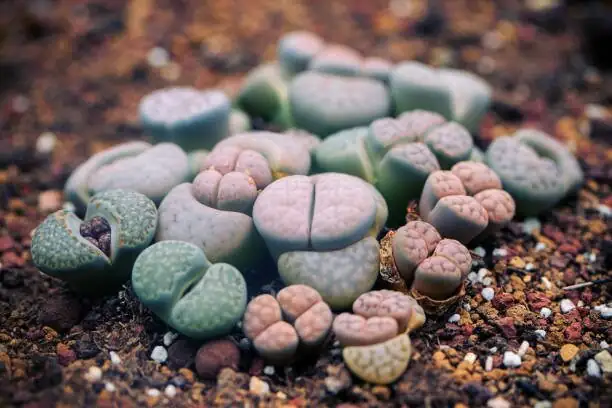
- Bodies look taut, overly swollen, or slightly translucent (“jelly belly”)
- The central fissure gapes or the body begins to split out of season
- Base discoloration; a sour or swampy odor if rot is advanced
- Old leaves refuse to dry down during leaf replacement (a sign you’re watering at the wrong time)
Rapid-response tactics
1) Stop watering immediately. Move to bright light with good airflow and low humidity.
2) If softness or discoloration is spreading, unpot. Trim all brown/black mush back to clean, firm tissue with a sterile blade.
3) Dust the cut with sulfur or an appropriate fungicide. Let the plant air-cure, unpotted, in bright shade for 3–7 days until a firm callus forms.
4) Repot into dry, very gritty mix. Do not water for 1–3 weeks. Resume with tiny sips only once the mix is fully dry and the plant shows slight wrinkling.
5) If rot consumed the base, survival is unlikely—but sometimes a sound crown will re-root after callusing and potting in dry mineral media. Keep completely dry while it attempts roots, then introduce minimal water sparingly.
Long-term prevention
- Water rhythm: Only when the mix is bone-dry and the body shows the first modest wrinkles. Keep mostly dry in winter. During leaf replacement, wait until the old pair is papery before watering again.
- Seasonal throttle: In hot midsummer many Lithops rest—reduce water sharply and ventilate. Late summer to autumn is the safer window for cautious watering and flowering support.
- Never let water sit in a saucer. Prioritize a shallow pot and lightning-fast drainage with high mineral content.
- Light and airflow: Bright light to full sun (6+ hours) with midday protection behind glass in extreme heat; strong ventilation discourages rot and gnats.
Root mealybugs (the hidden saboteurs)
What it looks like early
- Plant shrivels or stalls despite careful watering
- Wobbliness: the plant detaches easily because roots are compromised
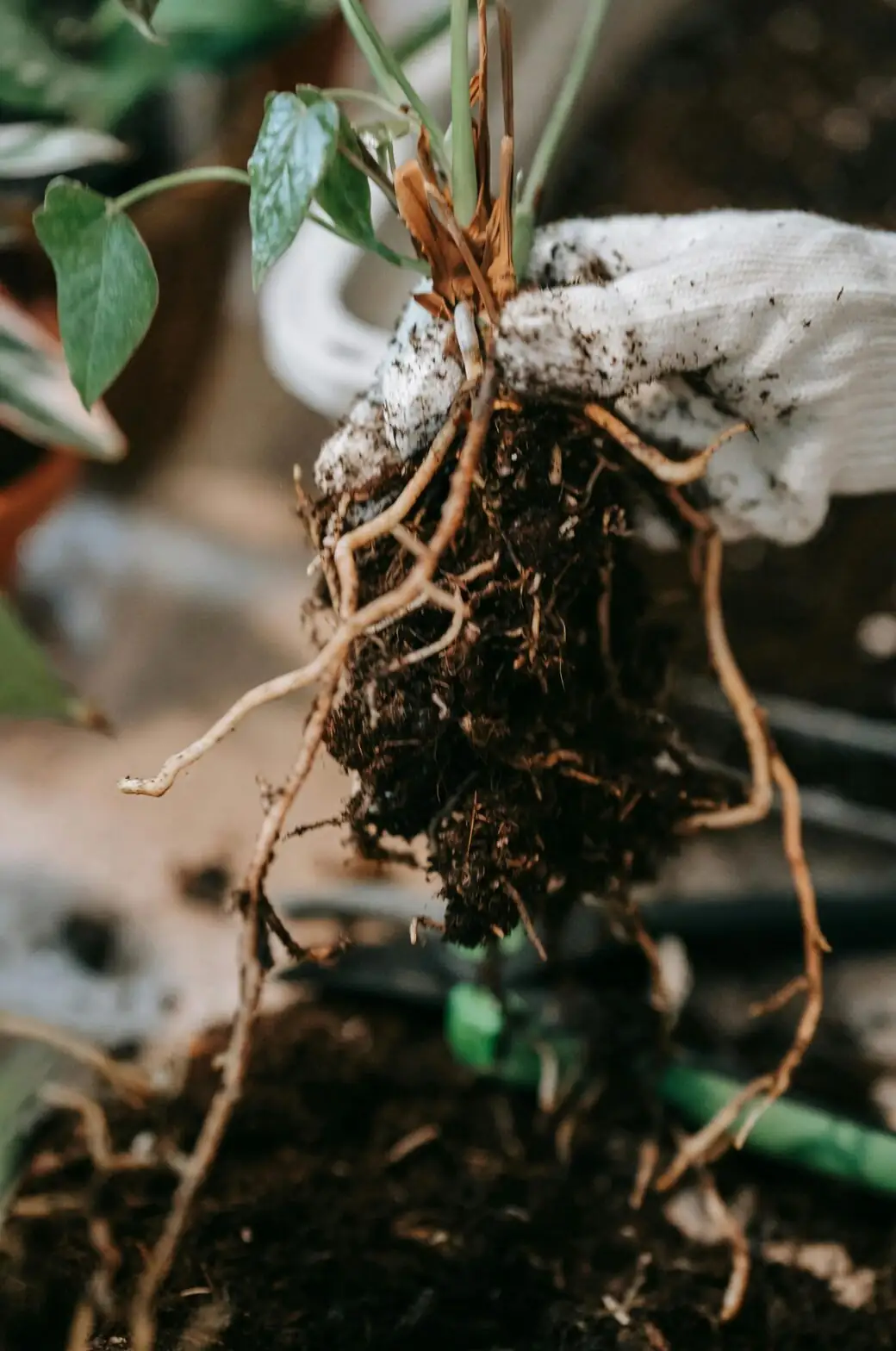
- Fine, white cottony tufts on roots or emerging from drainage holes
Rapid-response tactics
1) Quarantine and unpot. Discard all soil—do not reuse.
2) Rinse roots under a gentle stream to remove soil, then swab remaining clusters with 70% isopropyl alcohol. Avoid soaking the plant body.
3) Let roots dry a few hours in bright, airy shade. Sterilize the pot or use a new one.
4) Repot in fresh, sterile, gritty mix. Keep dry 7–10 days; then water lightly once fully dry.
5) For persistent cases, a labeled systemic used sparingly and only indoors can help—avoid use during flowering to protect pollinators if the plant is outside or near open windows. Always follow label directions and use the minimum effective dose.
Long-term prevention
- Start clean: Quarantine all new plants. Bare-root and inspect Lithops on arrival if pests are suspected.
- Use mineral-heavy, fast-drying media; root mealybugs thrive in dense, organic, always-damp mixes.
- Keep the potting zone tidy—no old leaf husks or debris buried in the mix.
- Periodic root checks during infrequent repots (every ~2 years or as needed) catch infestations early.
Aphids (flower and fissure invaders)
What it looks like early
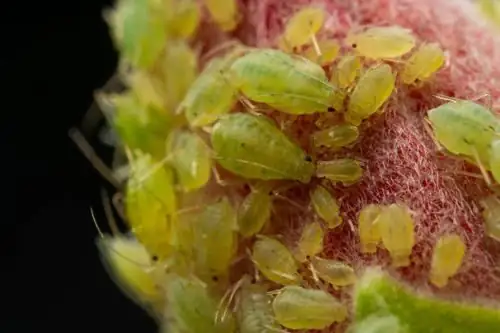
- Clusters of soft-bodied green/black insects on buds, flowers, or within the central slit
- Sticky honeydew; sooty mold on the surface; ants farming the honeydew
- Distorted petals or deformed new growth
Rapid-response tactics
1) Isolate the plant. If a bud is heavily infested, pinch it off to remove most aphids at once.
2) Dab remaining aphids with 70% isopropyl on a cotton swab or apply a mild, labeled insecticidal soap using a small brush for precision. Avoid soaking the plant body.
3) Wipe away honeydew and sooty mold so you can monitor fresh activity. Improve airflow.
4) Repeat spot treatments every 5–7 days until no aphids reappear.
Long-term prevention
- Keep Lithops bright and compact—soft, etiolated growth attracts pests.
- Avoid excess fertilizer, especially nitrogen, which invites aphids.
- Screen windows and separate Lithops from known aphid-magnets (like tender houseplants and herbs).
- Maintain cleanliness: remove spent petals and keep the crown debris-free.
Fungus gnats and gnat-infested mixes (annoying—and a red flag)
What it looks like early
- Tiny blackish flies hover or dash out when you water; they stick close to the pot
- Algae/green film on soil, or a perpetually damp surface
- Seedlings (or small heads) may collapse if larvae feed on tender roots
Rapid-response tactics
1) Let the mix dry thoroughly. Scrape off the top 1–2 cm of damp soil and replace with a dry, mineral layer.
2) Add a 0.5–1 cm top layer of coarse sand/pumice to deter egg-laying. Keep it breathable and thin so it doesn’t trap moisture below.
3) Place yellow sticky cards to reduce adult numbers.
4) When you next water (only when truly needed), use BTI as directed to target larvae. In severe cases, bare-root and repot into a cleaner, more mineral mix.
5) Ventilate well; avoid water pooling in saucers.
Long-term prevention
- Mix matters most: Use a very fast-draining, gritty, mineral-rich substrate with minimal organics. If the pot is still wet after a couple of days, increase the mineral fraction.
- Water discipline: Only after full dry-down; lighter sips are safer than soaks.
- Keep humidity low around the potting zone and maintain airflow.
- Store bagged soil sealed; avoid peat-heavy blends that stay wet.
- Clean tools and benches; don’t let damp debris linger.
Your long-term prevention blueprint
Soil and potting
- Choose a shallow pot with a generous drain hole.
- Use a very fast-draining, gritty succulent/cactus mix with high mineral content (coarse sand, grit, pumice). Adjust mineral content upward until the pot dries quickly.
- A thin, decorative mineral top-dress looks great and stabilizes plants—but keep it airy so it doesn’t lock in moisture.
Light, temperature, and air
- Bright light to full sun for 6+ hours daily. Indoors, south or west windows work best; acclimate new plants gradually to stronger sun.
- Best growth around 15–26°C (59–79°F). Protect from frost and prolonged cold below ~5°C (41°F).
- Low humidity and excellent ventilation are your allies against rot and gnats.
Watering calendar cues
- Spring: Light watering after full dry-down; if leaf replacement is underway, hold water until old leaves are papery.
- Summer heat: Many Lithops rest—water far less, provide airflow and light shade behind glass if scorching.
- Late summer to autumn: Carefully increase watering a little to support growth and blooms; never keep the mix wet.
- Winter: Keep warm, bright, and mostly dry.
Fertilizer finesse
- If you feed, do it lightly—either a single 1/4-strength balanced feeding in autumn or very dilute cactus feed during active growth only. Skip during summer rest and winter.
Hygiene and monitoring
- Quarantine new arrivals; consider a preventive bare-root inspection if pests are suspected.
- Do a two-minute weekly check: look into the fissure and around the base, scan for sticky residue or white fluff, and tap the pot—any gnats?
- Repot infrequently (typically ~every 2 years) to refresh the mix; longer is fine if drainage remains excellent.
Small wins that save plants
- Respect the dry season during leaf replacement. Watering then is the fastest road to splits and rot.
- Avoid misting—Lithops don’t need raised humidity, and damp surfaces invite gnats, fungi, and rot.
- Never let water gather on or around the plant body; avoid splashing fertilizer or soap onto the leaves.
A final word of confidence
Lithops aren’t fragile—just precise. With bright light, quick-drying grit, and a “less is more” watering hand, you’ll sidestep the usual pitfalls. Catch the early tells, act decisively, and your stone-like survivors will reward you with immaculate camouflage and those surprise daisy blooms from late summer into autumn.