

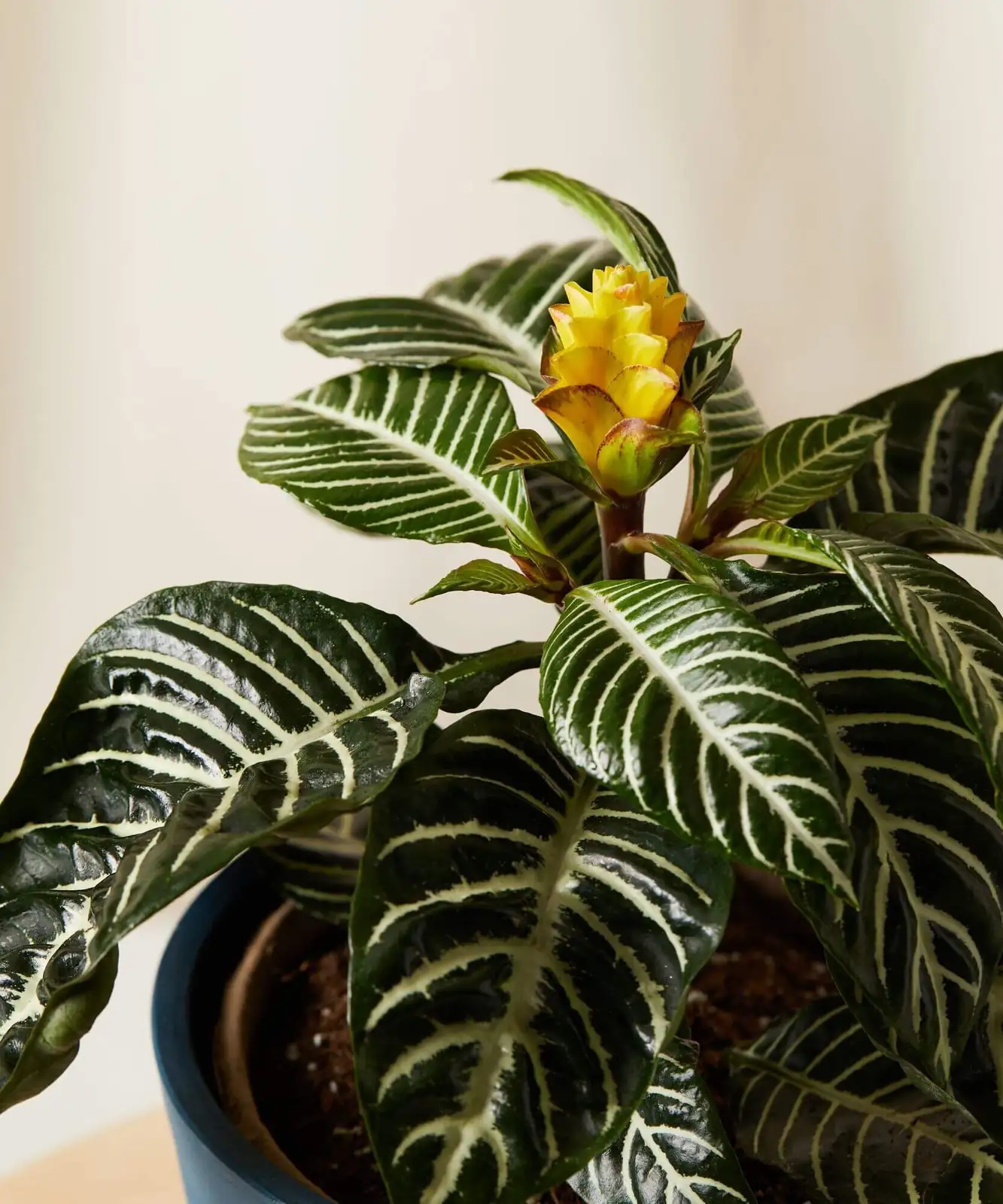
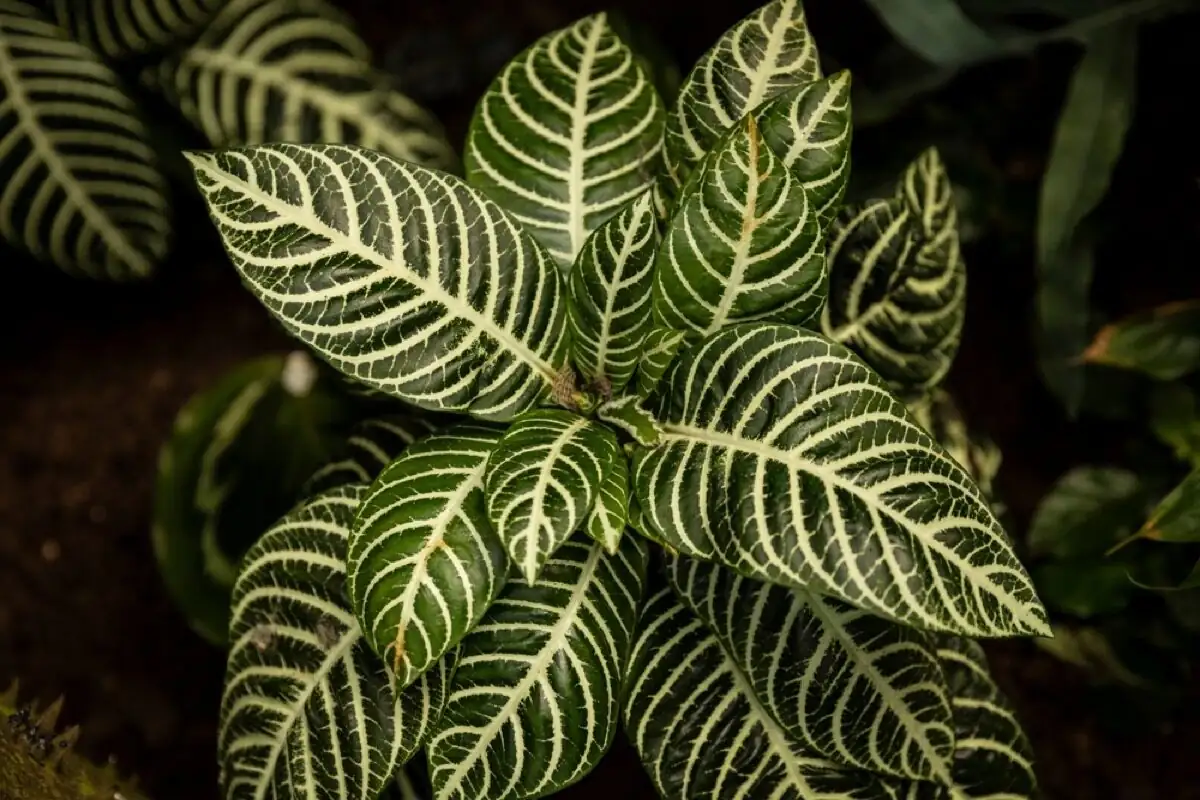
Think of Aphelandra squarrosa—better known as the Zebra Plant—as the houseplant equivalent of a couture jacket: high-contrast, glossy, and guaranteed to steal the scene. With deep-green leaves etched in creamy white “zebra” veins and golden, long-lasting bracts that crown the plant like a trophy, it’s irresistible in the store. The trick is picking a true winner before you reach the register—and then easing it into your home so it keeps that runway polish.
Here’s your smart shopping checklist (and first-week playbook) for buying—and keeping—this tropical beauty at its best.
Quick ID: What you’re buying
- Botanical: Aphelandra squarrosa (Acanthaceae), native to the Atlantic Forest of southeastern Brazil.
- Look: Glossy, evergreen leaves with bold white striping; upright spikes of bright yellow bracts with small orange tubular flowers tucked between.
- Size: Typically around 60 × 60 cm (24 × 24 in) indoors; stays compact with pinching and post-bloom pruning.
- Vibe: Loves bright, indirect light, steady warmth, and medium–high humidity; considered moderate to challenging if you skimp on those basics.
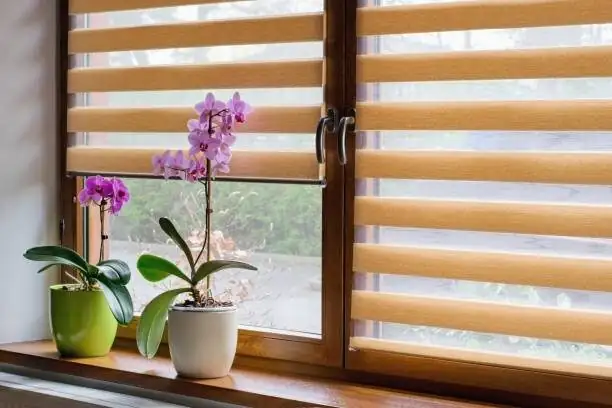
The Smart Shopper’s Checklist (Before Checkout)
1) Stems: the plant’s spine of confidence
- Green flags: Stems feel firm, upright, and evenly turgid; no kinks, creases, or mushy spots.
- Red flags: Wilting or rubbery stems, blackened nodes, or collapsed sections—these can signal root problems or cold damage.
2) Leaves: glossy, crisp, and patterned like a tuxedo
- Green flags:
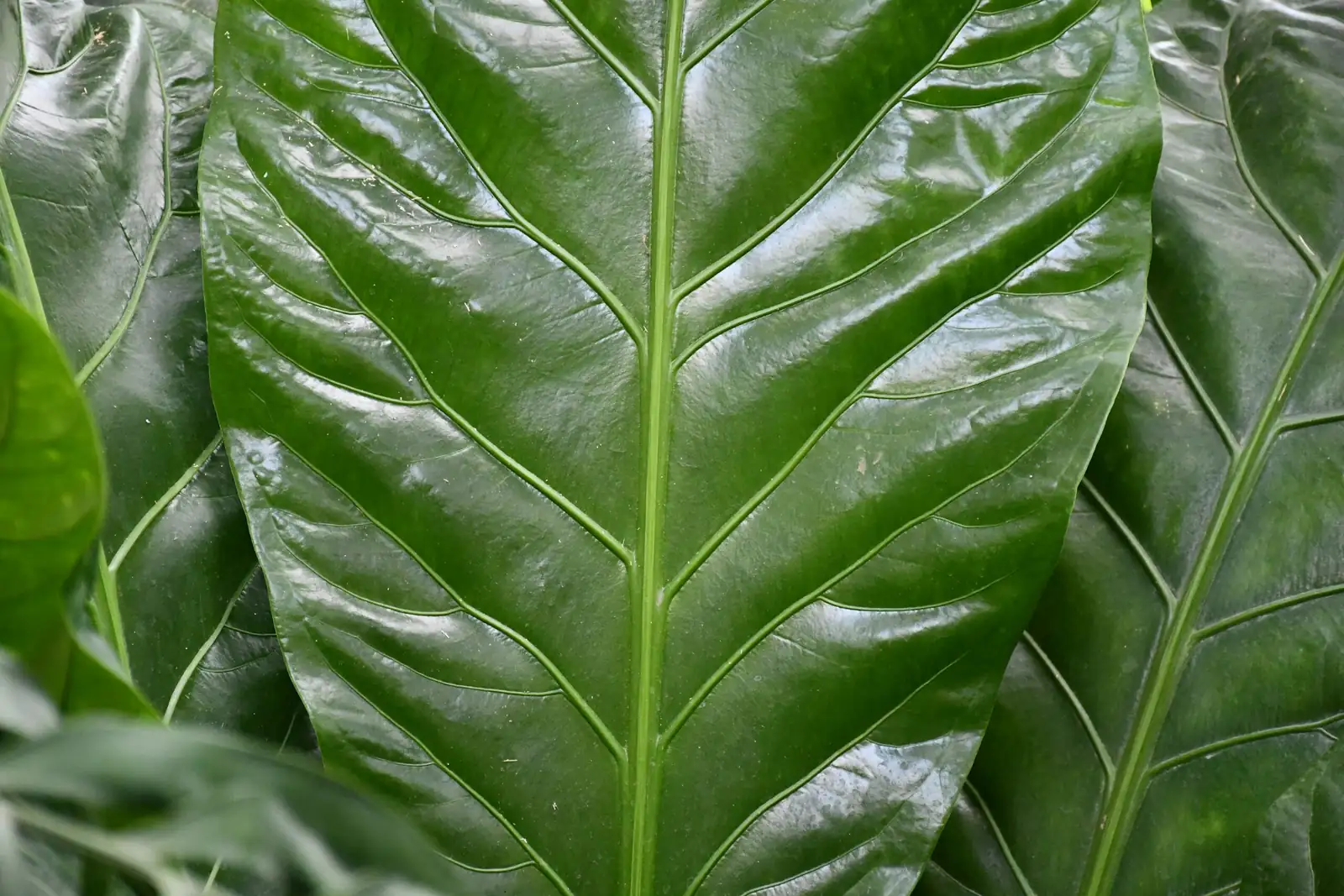
- Deep green leaves with rich, creamy-white veins.
- A naturally glossy, almost lacquered look; edges intact and smooth.
- New growth looks perky, not limp.
- Red flags:
- Brown, crispy edges (often low humidity or salt buildup).
- Dull, thin, or puckered leaves (thirst or root stress).
- Significant leaf drop under the bench (stress, chill, or neglect).
3) Soil and pot: structure and drainage over soggy guesswork
- Green flags:
- A rich, peat- or coco-based mix with added perlite/bark—moist but airy, not sludge.
- Pot has drainage holes; soil surface is level, not sunken like a “crater.”
- Weight check: pot feels moderately heavy after watering, not waterlogged-brick heavy.
- Red flags:
- Sopping-wet soil with a sour, swampy smell (anaerobic conditions = root rot risk).
- Fungus gnat swarms when you nudge the pot.
- Roots spiraling tightly out the drainage holes with mushy, compacted soil inside.
- Size note: Zebra Plants commonly sell in 12–15 cm (4.7–5.9 in) pots. Plan to move to 15–20 cm (6–8 in) as the plant fills out—never jump to an oversized pot.
4) Stealth pest check: don’t bring hitchhikers home
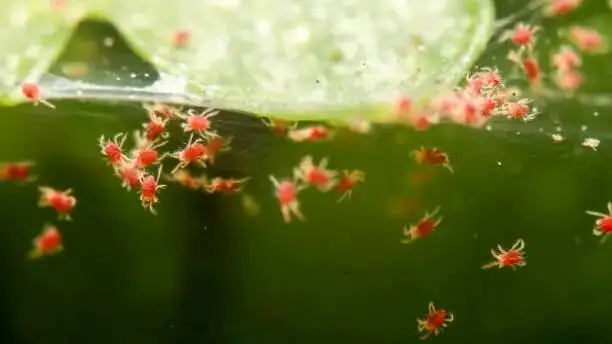
- Spider mites: Look for fine webbing or stippled, dusty-looking leaves—especially on undersides and along main veins.
- Mealybugs: Cottony tufts in leaf axils and along stems.
- Scale: Small domed bumps on stems/leaf midribs; sticky honeydew is a giveaway.
- Aphids and thrips: Inspect tender new growth and bracts. Gently tap a leaf over white paper; tiny moving dots = trouble.
- If you spot pests, pick another specimen—or be prepared to isolate and treat with insecticidal soap or horticultural oil.
5) Store conditions: context clues
- Avoid plants parked under a blasting AC/heater vent or by drafty entry doors.
- Skip trays where pots sit in standing water.
- Pass on scorched foliage (too much direct sun) or chilled plants (leaf drop risk).
Transport Like a Pro
- Shield from cold, hot dashboards, and wind. Bag it loosely, keep it upright, and support any flower spikes.
- Don’t leave it in the car; Zebra Plants dislike temperature swings.
Your First-Week Acclimation Playbook
Light and placement
- Bright, indirect light to gentle morning sun. An east window is often perfect; keep a little back from strong south/west exposures to prevent scorch.
- In winter, give it the brightest warm spot you have—just not pressed against cold glass.
Temperature and humidity
- Sweet spot: 15–27°C (59–81°F). Consistent warmth near or above 20°C (68°F) often encourages budding.
- Humidity: Aim for at least 50–60%; 60–80% is even better. Use a humidifier, pebble tray, or group plants. Avoid cold drafts.
Watering rhythm
- Keep the mix evenly moist during active growth. Water when the top layer just begins to dry; then thoroughly soak and let excess drain.
- Use rainwater or distilled if possible—this plant can be sensitive to mineral salts.
- Winter tweak: allow the surface to become nearly dry before watering again (often every 7–14 days), but never let the root ball go bone-dry.
Feeding
- After it settles in, feed about every 2 weeks in spring and summer with a balanced liquid fertilizer (many growers use half-strength to avoid salt stress).
- Reduce or pause feeding in autumn/winter unless it’s actively growing in warm, bright conditions (then light monthly feeding is fine).
Quarantine and cleanup
- Isolate new plants for 2–3 weeks away from your collection.
- Wipe leaves with a damp cloth to remove dust and to scout for early pest signs.
- If needed, deploy insecticidal soap or horticultural oil at the first hint of mites, mealybugs, scale, or aphids.
Repotting and soil refresh
- Best timing: annually in spring—or after flowering—into a fresh, rich but free-draining mix (peat/coco base with perlite/bark).
- Go up one pot size if rootbound; ensure excellent drainage. Avoid oversizing, which invites soggy soil.
- If the store soil is swampy or foul-smelling, consider an earlier repot once the plant stabilizes for a week or two.
Shaping and blooming
- Peak blooms often appear from late summer into autumn. Those “petals” you see are long-lasting yellow bracts; the true flowers are small, orange, and short-lived.
- After flowering, remove spent spikes and cut stems back to just above lower leaves to encourage branching and keep it compact. Tip-pinching helps prevent legginess.
Fast Troubleshooting
- Sudden leaf drop: Usually dryness (even once), cold drafts, low humidity, or temperature swings. Rebalance moisture, warmth, and humidity.
- Crispy edges: Often low humidity or salt buildup. Raise humidity and flush the soil with gentle, low-mineral water.
- Leggy growth: Not enough light or skipped pinching. Move closer to bright, filtered light and pinch tips.
- Yellowing with soggy soil: Overwatering/poor drainage. Improve airflow in the mix, ensure drainage, and adjust watering.
- Pests: Look for stippling, webbing, sticky honeydew, cottony clusters. Treat early with soap or horticultural oil and improve humidity/airflow.
Safety note
- Not widely listed as seriously toxic to cats or dogs, but any nibbling may cause mild stomach upset; sap can irritate sensitive skin. Keep out of reach as a precaution.
Why it’s worth the effort
Crack the warmth-and-humidity code and Zebra Plant becomes a reliable showstopper for bright bathrooms, steamy kitchens, and cozy corners with filtered light. Its graphic foliage telegraphs confidence, and those golden bracts are pure celebration—botanical confetti on a living canvas.
Symbolism: the plant that wears its confidence
Zebra Plant is often associated with boldness and vibrant energy—an easy leap when you see those high-contrast stripes and celebratory bracts. While it doesn’t have a centuries-old “flower language” tradition, modern plant lovers read its dramatic leaves as a visual metaphor for standing out with style and substance.
Bonus for the keen grower: easy propagation
- Take 8–15 cm (3–6 in) stem tip cuttings in spring to early summer.
- Strip lower leaves, place in a warm, humid propagator or bag over a moist, airy medium.
- Warmth speeds success—around 25–27°C (77–81°F)—with rooting often in 4–5 weeks.
Bring the right plant home, give it a soft landing, and your Zebra Plant will reward you with glossy foliage, architectural form, and a golden encore right when the year leans toward autumn.