


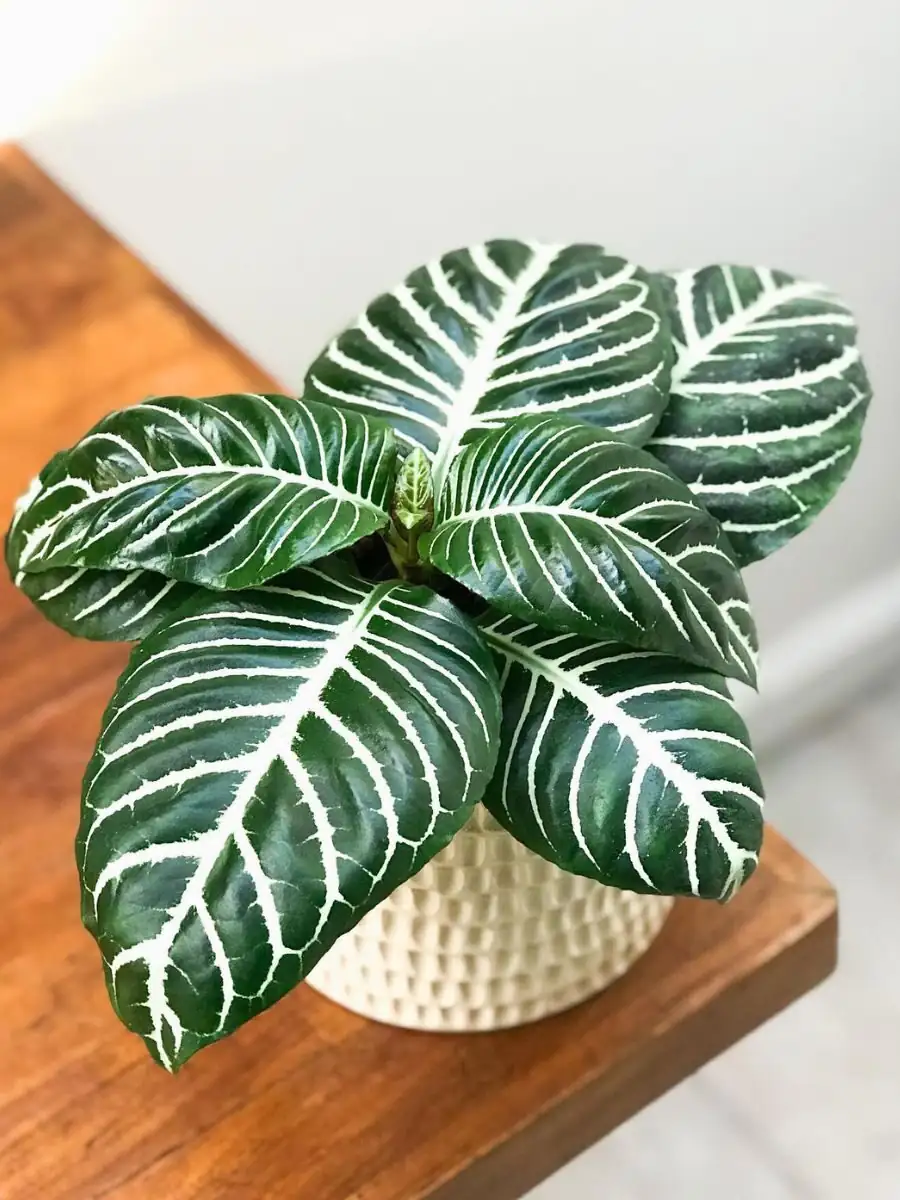
Imagine a plant that dresses in couture year-round and throws a golden party in late summer. That’s Aphelandra squarrosa—the Zebra Plant—with its glossy, deep-green leaves slashed by creamy-white veins and upright spikes of sunny bracts cradling little orange tubular flowers. It’s dramatic, yes—but it’s also a creature of habit. Give it a predictable rhythm of moisture, warmth, and humidity, and it will reward you. Below is your printable, fridge-friendly roadmap: seasonal watering targets, feeding intervals, pinching and pruning cues, repot timing, and built‑in pest checks to keep this showstopper strutting.
Quick profile (pin me)
- Name: Zebra Plant (Aphelandra squarrosa), Acanthaceae
- Origin: Atlantic Forest of southeastern Brazil
- Habit: Upright, compact evergreen subshrub; about 60 × 60 cm in a pot
- Light: Bright, indirect; gentle morning sun is fine; avoid harsh midday rays
- Temperature: 15–27°C (59–81°F); buds set best with consistent warmth above ~20°C (68°F)
- Humidity: 50–60% baseline; happiest at 60–80%
- Soil: Rich but airy, moisture‑retentive mix (peat/coco + perlite/bark); keep evenly moist, never waterlogged
- Bloom: Late summer to autumn indoors; yellow bracts with small orange flowers
- Difficulty: Moderate to challenging until you lock in warmth, humidity, and steady moisture
The Zebra Plant annual care roadmap
Use this as a seasonal checklist. Targets are guides—always adjust to your room’s light, pot size, and humidity.
Spring (reset and rebuild)
Watering targets
- Keep evenly moist; water when the top layer just begins to dry (don’t let the root ball bake).
- Typical rhythm: roughly twice per week indoors as days lengthen—use your finger and plant weight, not a calendar.
Feeding interval
- Feed every 2 weeks with a balanced liquid fertilizer (half‑strength is a safe, gentle baseline).
Pinching and shaping
- Begin tip‑pinching once new shoots reach 8–10 cm to keep growth compact and encourage branching.
- [ ] Pinch tips monthly if growth is fast.
Repot timing (prime window)
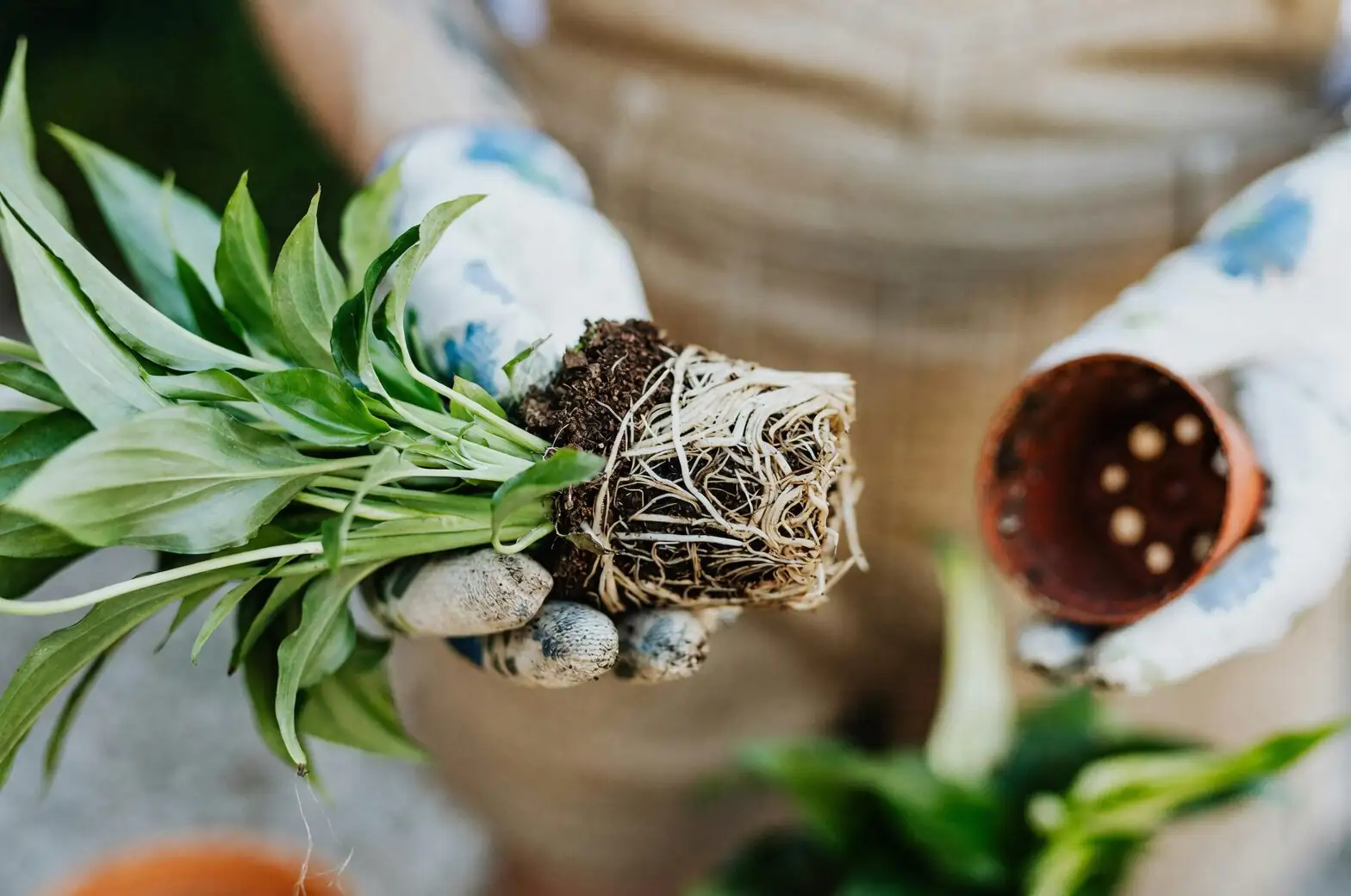
- [ ] Repot annually into fresh mix (move up one pot size only if rootbound; 15–20 cm pots suit most adult plants).
- Ensure excellent drainage; never oversize the pot.
Propagation window
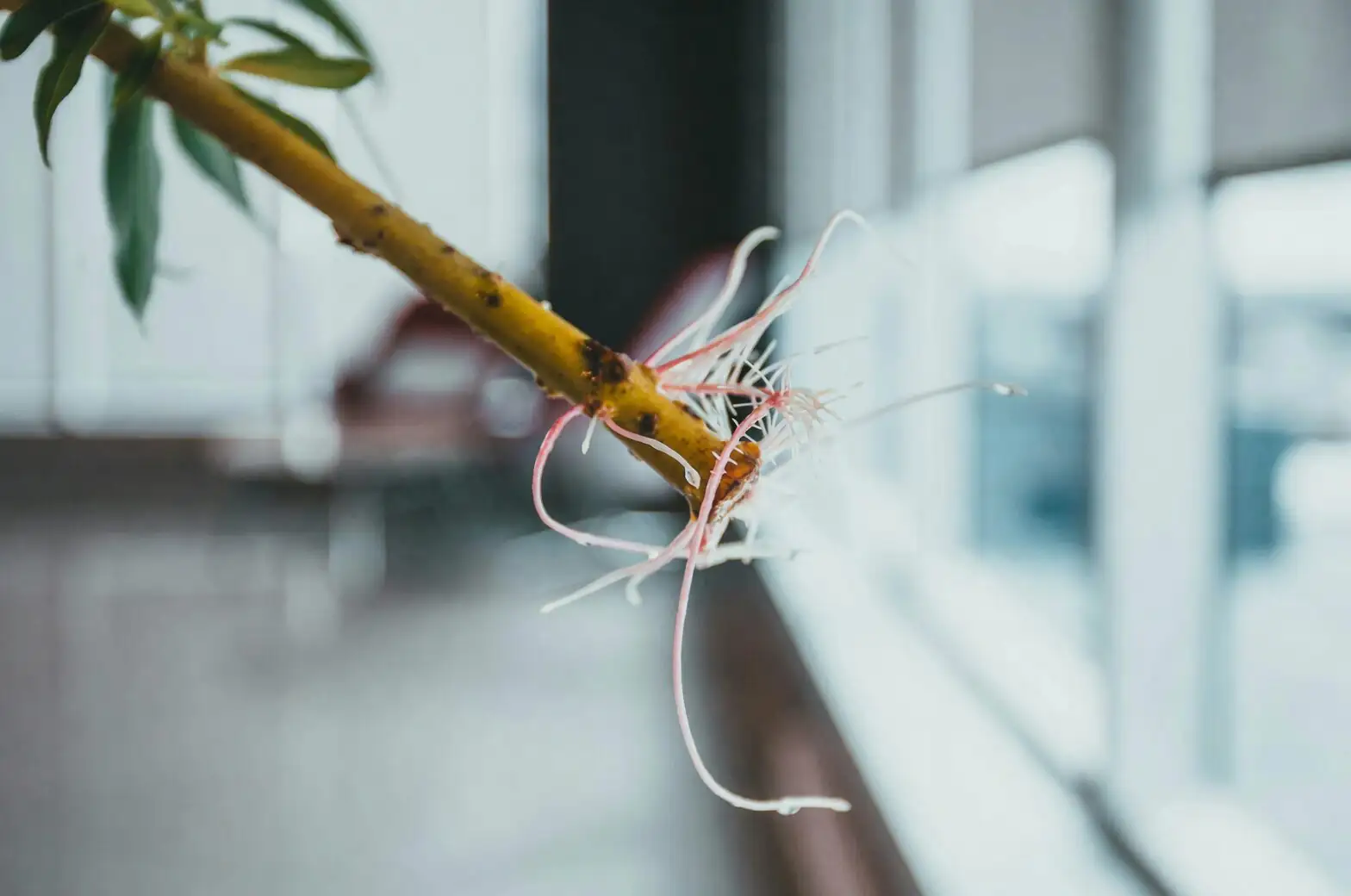
- [ ] Take 8–15 cm stem tip cuttings with 2–3 nodes; remove lower leaves.
- Root warm and humid (25–27°C) in a loose medium; expect roots in ~4–5 weeks.
Pest and health checks
- [ ] Weekly scan (leaf undersides, veins, nodes) for spider mites, mealybugs, scale, aphids.
- [ ] Wipe leaves with a damp cloth to remove dust and improve photosynthesis.
- If pests appear, treat early with insecticidal soap or horticultural oil; increase humidity and airflow.
Light and placement
- Bright, indirect light; east-facing windows are excellent. Keep a little back from south/west windows.
- [ ] Rotate the pot a quarter turn weekly to prevent leaning.
Summer (momentum and moisture)
Watering targets
- Even moisture is non‑negotiable; never soggy, never bone‑dry.
- Warm rooms + bright light = quicker drying; many plants still need roughly twice per week. Use rain or distilled water if possible.
Feeding interval
- [ ] Feed every 2 weeks (balanced liquid, gentle strength).
- If mineral salts build (crispy tips), leach the pot once mid‑summer with a thorough, free‑draining flush.
Humidity and heat
- Aim for 60–80% humidity. Use a humidifier, pebble tray, or plant grouping; avoid stagnant, constantly wet foliage.
- Protect from harsh midday sun to prevent leaf scorch.
Pinching and shaping
- [ ] Pinch when a stem adds 3–4 new leaves to maintain a bushy canopy.
Pest and health checks
- Dry spells favor spider mites—look for fine stippling or webbing.
- [ ] Weekly “tap test”: tap a leaf over white paper; moving specks = mites. Treat promptly with soap/oil.
Bloom prep
- Steady warmth above ~20°C and bright, indirect light help initiate late‑summer buds.
Autumn (the big show, then the haircut)
Watering targets
- Keep moisture steady while bracts are forming/at peak. As light wanes, allow the surface to dry a touch more between waterings—but never let the root ball fully dry.
Feeding interval
- Begin tapering.
- [ ] Last regular feeding early autumn; afterward, feed lightly only if the plant remains warm and actively growing.
Bloom time
- Enjoy long‑lasting golden bracts with orange flowers nestled between.
- Support the inflorescence if top‑heavy.
Post‑bloom pruning (crucial cue)
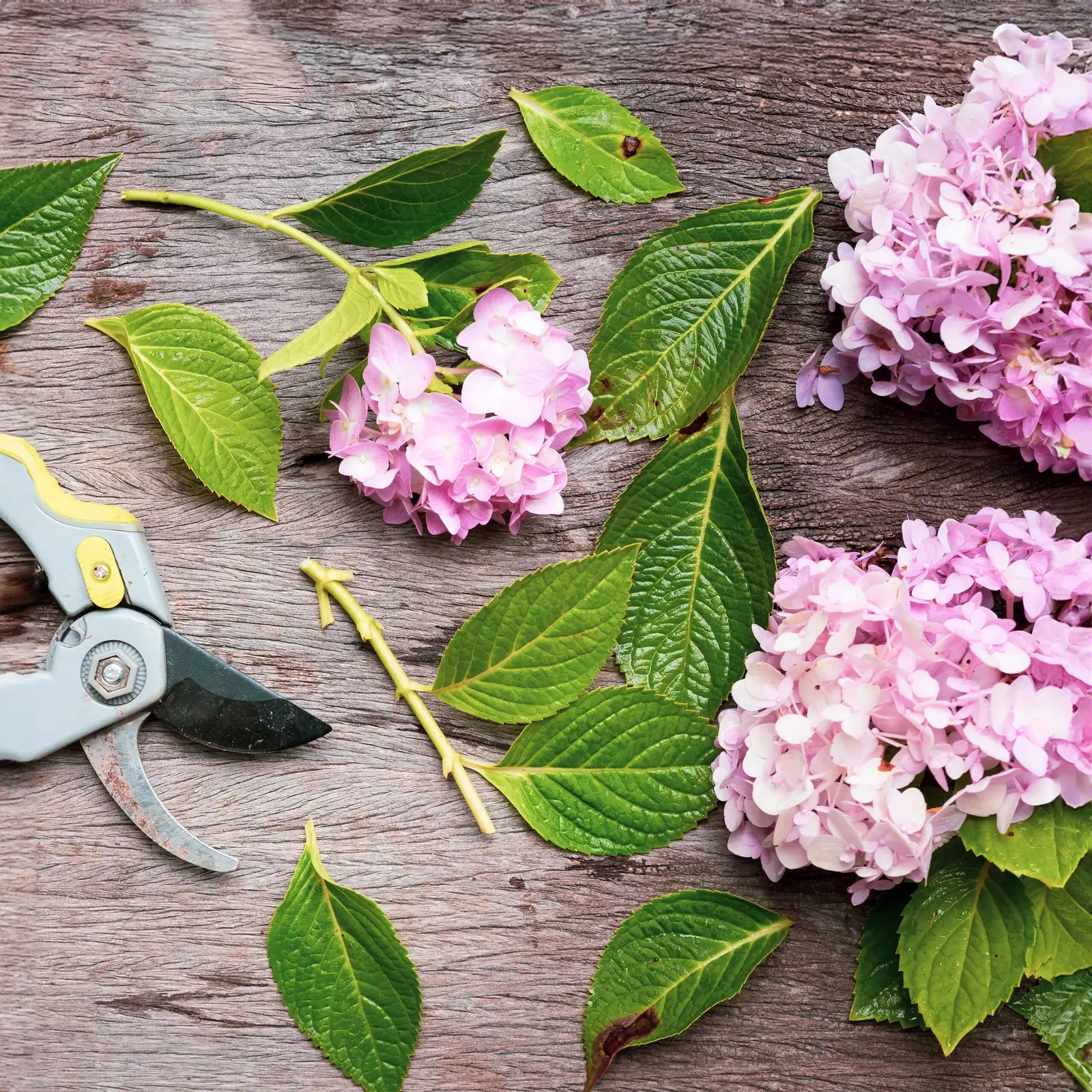
- When bracts fade, [ ] remove the spent spikes and cut stems back to just above lower leaves—often leaving about two sets of leaves. This resets shape and promotes branching.
Optional repot
- [ ] Post-bloom repotting into fresh mix is acceptable if you skipped spring.
Pest checks
- [ ] Inspect bracts and leaf bases for mealybugs/scale; treat early with soap/oil.
Winter (rest, light, and vigilance)
Placement and climate
- Brightest warm spot you have—often near a south‑facing window—but keep off cold glass and away from drafts.
- Aim for 50–60% humidity minimum; higher is better in heated homes.
Watering targets
- Allow the surface to become nearly dry before watering again.
- Typical rhythm: every 7–14 days indoors. Do not let the root ball fully dry out.
- Avoid cold, soggy soil—use room‑temperature water.
Feeding interval
- Pause feeding. If the plant remains warm and actively growing, offer a very light monthly feed.
Pest and health checks
- [ ] Weekly inspections for scale and mealybugs (common in winter).
- [ ] Leaf cleanup to prevent leaf spot; avoid splashing foliage late in the day.
Trouble signals to act on
- Sudden leaf drop? Think missed watering, low humidity, cold drafts, or temperature swings.
- Brown crispy edges? Typically dry air or salt buildup—raise humidity, flush salts gently, and resume half‑strength feeding come spring.
Care targets at a glance (clip this card)
- Light: Bright, indirect; soft morning sun ok; no harsh midday.
- Temperature: 15–27°C; try to stay ≥20°C for reliable budding; protect from drafts; keep winter ≥10–13°C.
- Humidity: 60–80% ideal; never below ~50% for long.
- Water: Evenly moist spring–autumn; winter when the surface is nearly dry (about every 7–14 days).
- Fertilizer: Every 2 weeks spring–summer (half‑strength balanced liquid); reduce/stop in autumn–winter unless actively growing.
- Pruning: Regular tip‑pinching; post‑bloom cutback to just above lower leaves (leave ~2 leaf pairs).
- Repot: Annually in spring (or after flowering) into fresh, airy mix; move up one size only if rootbound.
- Pest patrol: Weekly quick check; treat early with insecticidal soap or horticultural oil; improve humidity/airflow.
Mix, pot, and placement notes
- Potting mix: Peat/coco base + perlite and/or fine bark for airflow and gentle moisture retention.
- Pot: Always with drainage; don’t oversize. Typical adult pot: 15–20 cm.
- Placement: Humid bathrooms/kitchens with bright, indirect light are ideal. East windows shine; a north window can work in summer. In winter, go brightest and warmest.
Bloom better: three levers
- Light: Bright, indirect for long days; avoid deep shade.
- Warmth: Keep ≥20°C as consistently as possible in late spring and summer.
- Moisture: No drought stress—steady moisture is the difference between foliage only and a bract parade.
Built‑in monthly maintenance (year‑round)
- [ ] Rotate 90° weekly for even growth.
- [ ] Dust leaves biweekly; glossy leaves photosynthesize better.
- [ ] Quarantine new plants for 2 weeks before placing nearby.
- [ ] If using hard tap water, leach the pot every 6–8 weeks to reduce salt buildup.
Fast troubleshooting by cue
- Pale, leggy growth: Too little light—move closer to bright, filtered light.
- Scorched, bleached patches: Too much direct sun—add sheer curtain or shift back.
- Mushy stems, sour smell: Overwatering/root rot—improve drainage and watering rhythm.
- Speckling/webbing: Spider mites—raise humidity, treat with insecticidal soap or horticultural oil, repeat weekly until clear.
- Leaf spot in stagnant, wet conditions: Improve airflow, avoid late-day splashing; treat with a safe indoor fungicidal approach if needed after cultural fixes.
Symbolism and “flower language”
Zebra Plant is often linked with boldness and vibrant energy—its high‑contrast “zebra” leaves and luminous bracts command attention. Classic Victorian “flower language” rarely covered tropical houseplants like Aphelandra in depth; modern interpretations connect its striking contrast and confident blooms with themes of courage, charisma, and show‑stopping presence. Think of it less as an age‑old coded message and more as a contemporary emblem of confident color in quiet spaces.
Safety
Not widely listed as seriously toxic to pets, but any plant can cause mild stomach upset if nibbled. Sap may irritate sensitive skin. Keep out of reach of curious pets and small children.
—
Print this, check the boxes, and let your Zebra Plant’s calendar do the heavy lifting. Meet its warm-and-humid, evenly‑moist expectations, and those golden bracts will feel less like a miracle—and more like a well‑timed celebration.