

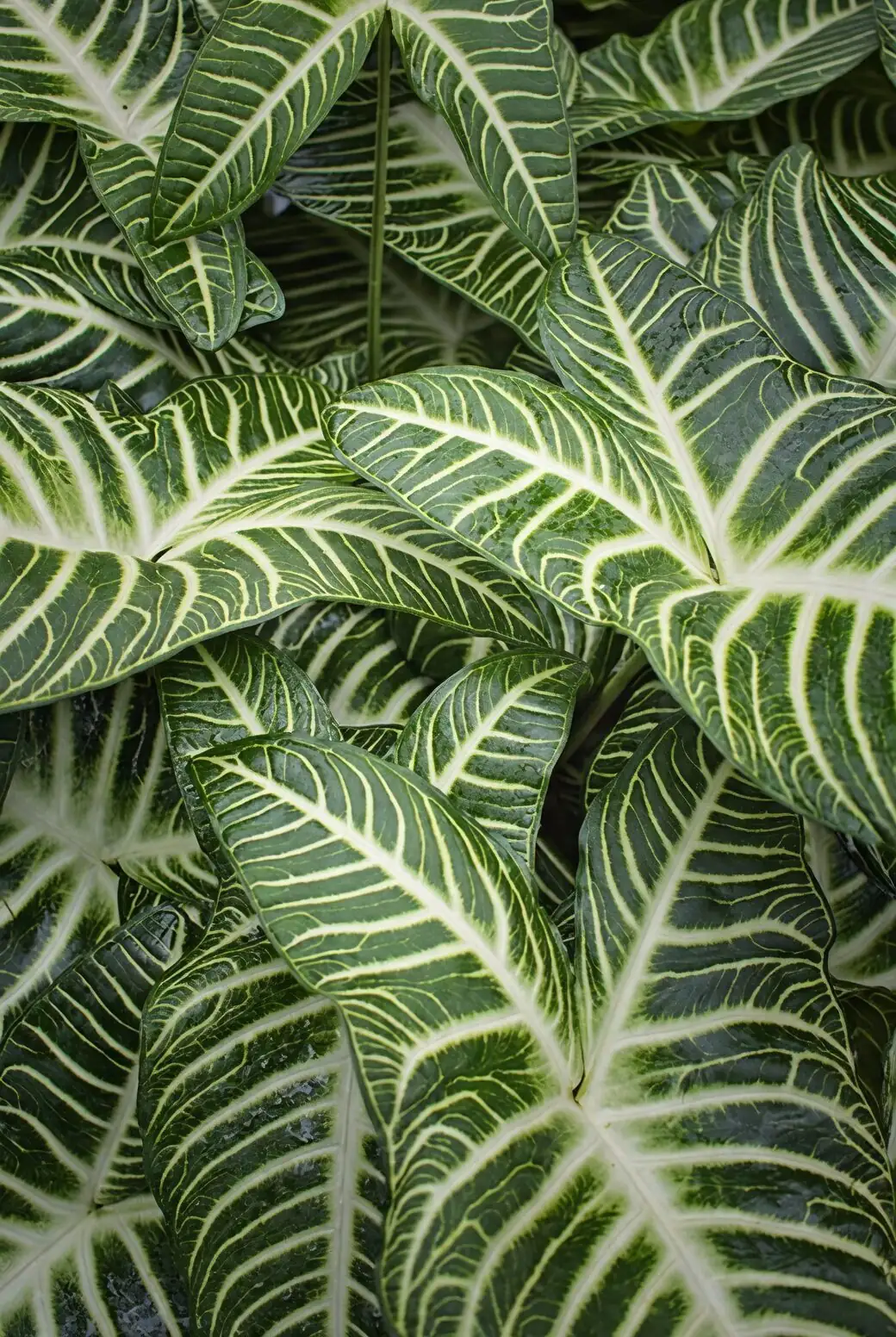
Want more zebra stripes for your jungle shelf without buying a second plant? Propagate your Aphelandra squarrosa (Zebra Plant) and turn one showstopper into many. With the right cutting size, the perfect node count, cozy warmth, and a simple humidity dome, rooting this tropical beauty feels less like guesswork and more like a recipe. Here’s the hands-on, week-by-week playbook to success.
What you’ll need
- Sharp, sanitized pruners or a sterile blade
- Small pots or a seed tray with cells (drainage holes mandatory)
- Airy rooting medium: a peat/coco base mixed with perlite and a bit of fine bark
- Optional rooting hormone
- A clear humidity dome, zipper bag, or DIY bottle cloche
- Heat mat or a reliably warm spot
- Plant labels and a spray bottle with clean water (rain/filtered if possible)
The “Goldilocks” cutting: length, nodes, and timing
- Ideal season: spring to early summer (when growth is active)
- Cutting length: 8–15 cm (3–6 in)
- Node count: 2–3 nodes per cutting
- Leaves: keep the top one or two; trim large leaves in half to reduce moisture loss
- Where to cut: just below a node on a healthy, non-woody tip
Why this matters: shorter cuttings dry out; long, leafy cuttings wilt. Two to three nodes give you one to bury, one to sprout roots, and one to carry on photosynthesis.
Dial in the rooting environment
- Temperature: a warm 25–27°C (77–81°F) speeds rooting and keeps spirits (and stems) high
- Light: bright, indirect light; think east window or a gentle grow light; no harsh midday sun
- Humidity: high. A dome or clear bag creates a mini rainforest so the cutting can root before it has to work for its water
- Medium: rich yet free-draining and airy. Try:
- 50% peat/coco
- 30–40% perlite
- 10–20% fine bark
- Moisture: evenly moist, never waterlogged
Should you root in water?
You can, but Zebra Plant generally performs better in a moist, airy medium. Roots formed in substrate are sturdier and transition to potting mix with less drama.
Step-by-step propagation
- Prep the parent: water your zebra plant the day before; well-hydrated stems root more reliably.
- Mix and moisten: blend your medium until it’s evenly moist and springy—no drips when squeezed.
- Take the cutting: snip a 3–6 in tip with 2–3 nodes. Strip lower leaves to reveal at least one bare node.
- Trim for balance: halve any large leaf blades to reduce stress and wilting.
- Hormone (optional): dip the cut end lightly; tap off excess.
- Plant it: insert the cutting so one node is buried; firm the medium for good stem-to-mix contact.
- Dome it: cover with a clear dome or bag; keep plastic off leaves (use a stick as a tent pole).
- Warm, bright spot: place somewhere 25–27°C with bright, indirect light.
- Label: date and variety info now will save you later.
Week-by-week rooting timeline
- Week 0–1: Settle and callus
- What’s happening: cut surface seals; root initials begin.
- Your job: keep warm and evenly moist. Vent the dome daily 5–10 minutes for fresh air.
- Red flags: droopy leaves touching wet plastic—prop them up; wipe excess condensation.
- Week 2: Root initials form
- What you’ll see: leaves firming; no tugging yet.
- Care notes: hold the course—bright, indirect light, steady warmth. Remove any yellowed leaf pieces.
- Week 3: First real roots
- Gentle “tug test”: slight resistance means roots are grabbing.
- Venting: open dome vents a crack or unzip bags slightly to start lowering humidity.
- Watering: keep the medium moist but not soggy; avoid fertilizing yet.
- Week 4–5: Root readiness
- Roots typically establish now under good conditions.
- Acclimation: over 5–7 days, increase venting until the cutting tolerates room humidity (ideally 50–60%+).
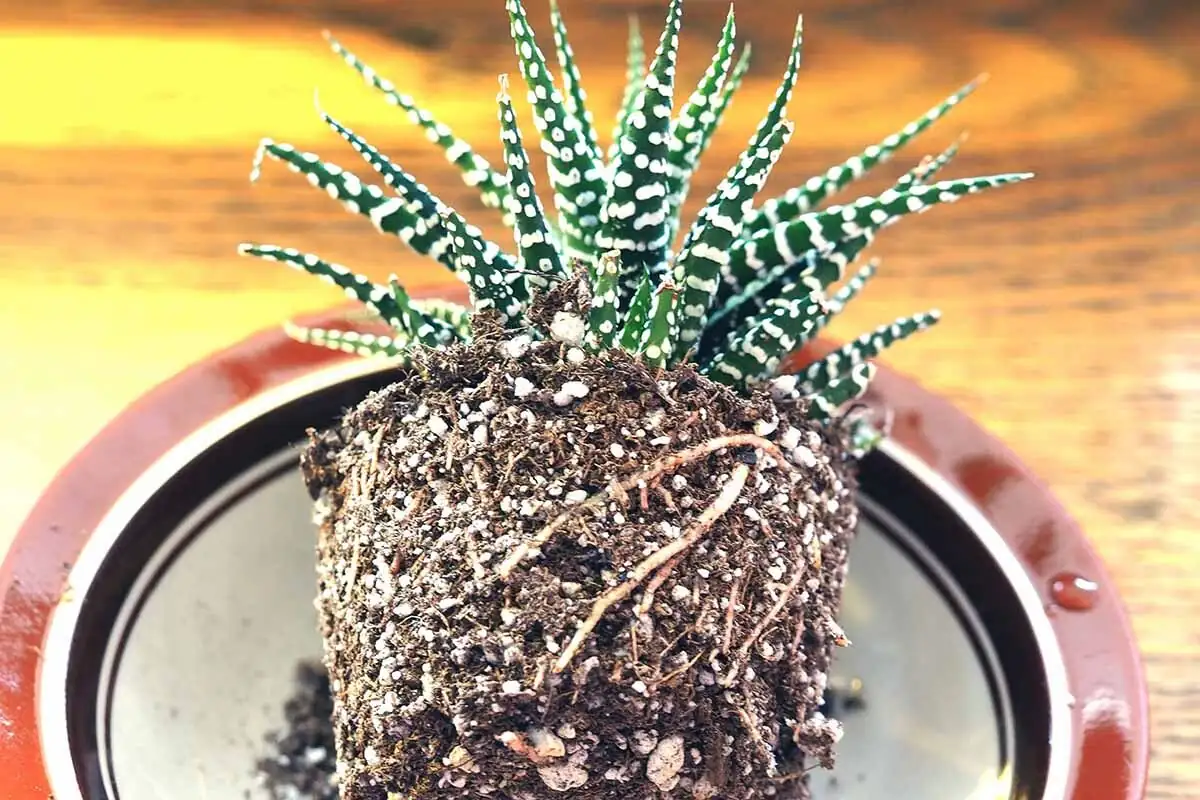
- Potting up: when you can see roots at drainage holes or feel good resistance, move to a 8–10 cm (3–4 in) pot with a rich, free-draining mix similar to the rooting medium.
- Week 5–6: New home, new growth
- Light: bright, indirect as before; gentle morning sun is okay.
- Watering: keep evenly moist; don’t let the root ball fully dry.
- First pinch: when new growth elongates, pinch the tip to encourage a bushy habit.
Note: If progress lags, double-check temperature. Zebra Plant often roots only once you keep it consistently warm.
Humidity dome methods that really work
- Seed tray + clear dome: classic, with adjustable vents to fine-tune humidity.
- Zipper bag “greenhouse”: slip over the pot; add a stick to keep plastic off foliage.
- 2-liter bottle cloche: cut the base off a clear bottle; top on = high humidity; top off = venting.
- Clear storage bin “prop box”: for multiple cuttings; wipe condensation and air daily.
Pro tips:
- Aim for a foggy but breathable setup—condensation on the walls, not puddles on the soil.
- Air at least once daily to prevent leaf spot.
- Keep leaves from pressing on wet plastic to avoid rot.
Troubleshooting your cuttings
- Wilting under the dome
- Likely cause: heat spike or leaves touching wet plastic.
- Fix: move to gentler light, lift foliage off the plastic, and ensure medium is moist but not saturated.
- Yellowing leaves, mushy stem base
- Likely cause: overwatering and stem rot.
- Fix: cut above the rot into clean tissue, re-dip in hormone (optional), and reinsert into fresh, slightly drier medium. Sanitize tools.
- White fuzz or green film on the surface
- Likely cause: stagnant, overly wet conditions.
- Fix: scrape off growth, increase daily airing, let the surface dry slightly between mists, and ensure drainage.
- No roots after 6 weeks
- Likely cause: too cool, too dim, or old wood.
- Fix: move to 25–27°C, brighten the light (still indirect), or start a fresh tip cutting.
Aftercare: from single stem to lush zebra clump
- Light: bright, indirect; avoid harsh midday sun to prevent leaf scorch.
- Water: keep evenly moist in active growth; never let the root ball fully dry.
- Humidity: 50–60% baseline; 60–80% makes it happiest. Bathrooms and kitchens are prime real estate.
- Feeding: in spring and summer, feed every 2 weeks with a balanced liquid fertilizer at a gentle dose. Reduce in autumn and winter.
- Shaping: pinch tips regularly to prevent legginess and build a compact, bushy canopy.
- Repotting: refresh mix annually in spring; step up only one pot size if rootbound.
Safety, pests, and cleanliness
- Safety: not widely listed as seriously toxic to pets or people, but any plant can trigger mild stomach upset if chewed. Sap may irritate sensitive skin—wear gloves if needed.
- Pests: spider mites love dry air; also watch for mealybugs, scale, and aphids. Treat early with insecticidal soap or horticultural oil and improve humidity and airflow.
- Disease: avoid constantly wet leaves and stagnant air to prevent leaf spot. Water the medium, not the foliage, especially late in the day.
A quick word on blooms and “flower language”
Those big, showy “petals” are actually bright yellow bracts—billboards for the true orange tubular flowers tucked between them. Indoors, the display often shines in late summer to autumn when warmth and light are steady.
Symbolically, Zebra Plant carries a vibe of boldness and vibrant energy—the high-contrast leaves and golden spires read as confident, even celebratory. Like much modern “flower language,” this meaning grows from horticultural culture rather than ancient lore: it’s the plant’s dramatic look that inspires the message.
Quick reference (pin this by your pot)
- Best season to propagate: spring to early summer
- Cutting size: 8–15 cm (3–6 in)
- Nodes per cutting: 2–3 (bury at least one)
- Rooting temperature: 25–27°C (77–81°F)
- Light: bright, indirect; no harsh midday sun
- Humidity: high under a dome; gradually vent to room levels
- Medium: peat/coco + perlite + fine bark; evenly moist, never waterlogged
- Rooting time: about 4–5 weeks under good conditions
- Aftercare: keep warm, humid, and evenly moist; pinch to encourage branching
Set up a little rainforest, mind the nodes, keep it warm—and in a few weeks, you’ll have fresh zebra stripes poised to steal the show.