


Meet the houseplant that throws a parade and then keeps the confetti up for weeks. Aphelandra squarrosa—better known as the Zebra Plant—pairs glossy, deep-green leaves striped in creamy white with upright, golden spires that look like blooms frozen in time. It’s tropical, a little dramatic, and full of sciencey surprises that explain its show-stopping looks and diva tendencies.
The bite-size curiosities that make Zebra Plant unforgettable
Why the “golden flowers” last so long
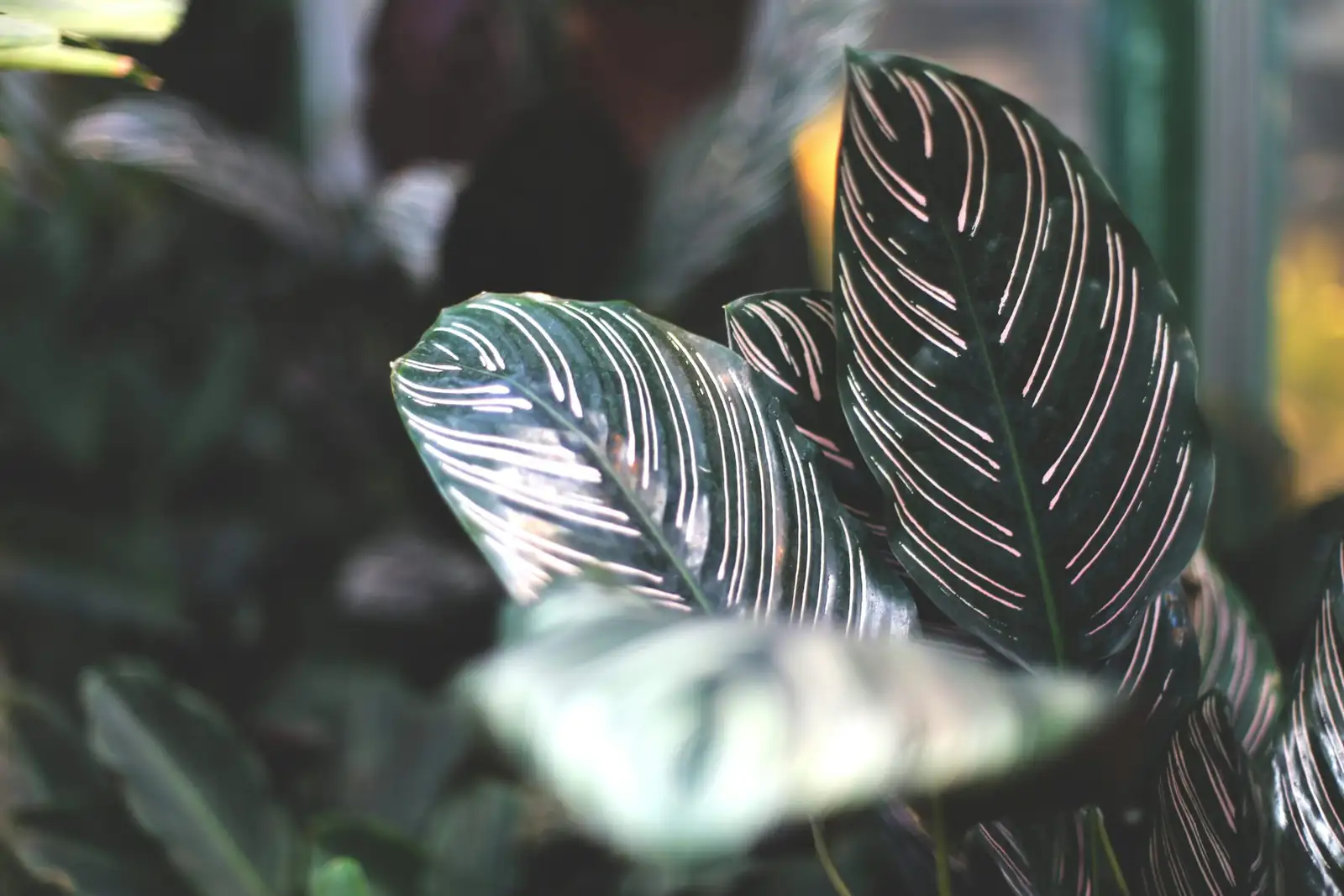
- Bracts, not petals: The big golden “petals” are actually bracts—modified leaves built to endure. The true flowers are the smaller, orange tubular blooms that peek out between them and fade quickly.
- Long-lasting color: Because bracts are leaflike structures rich in durable pigments, they don’t wilt the way delicate flower petals do. They can stay eye-popping for weeks, so your plant looks in bloom long after the fleeting flowers are gone.
- Efficiency bonus: Bracts act like billboards for pollinators while the plant conserves energy—one extended display instead of constantly producing fresh petals.
Temperature swings and the Zebra Plant’s leaf theatrics
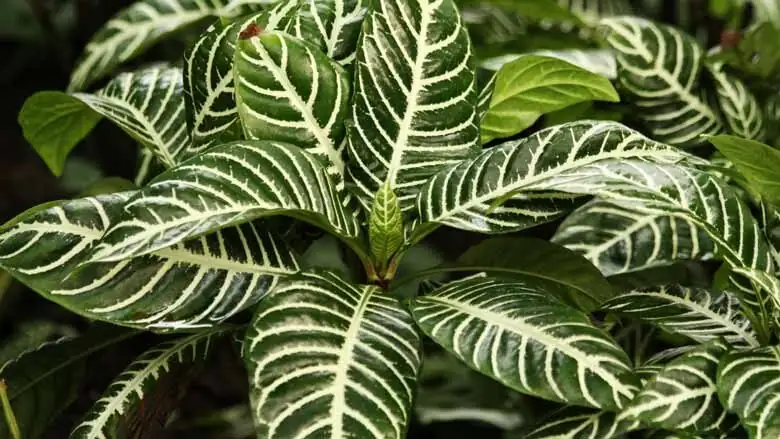
- The instant droop: See those leaves suddenly sag? That’s turgor pressure dropping as the plant closes stomata under stress (chill, drafts, or a brief dry-out). Rehydrate and warm it up and they often perk back in hours.
- The delayed drama: Cold drafts or sharp temperature dips can trigger leaf abscission (drop) days later. Keep it steady around 15–27°C (59–81°F); many plants set buds more reliably above about 20°C (68°F).
- Winter watchouts: Park it a little back from cold glass and away from door drafts. Brief dips to ~7°C (45°F) may be tolerated by established plants, but expect stress.
Humidity explains those crispy edges
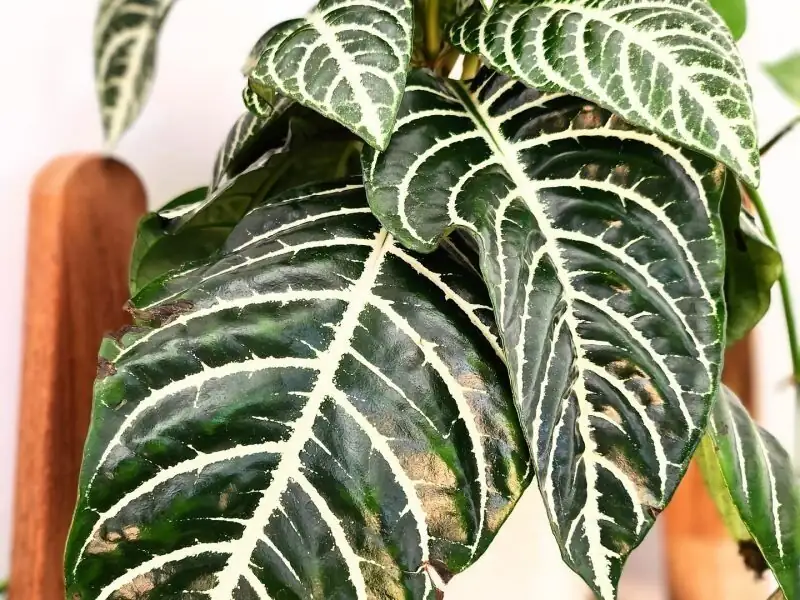
- The edge effect: Brown, crispy margins? That’s the leaf losing water faster than roots can replace it, especially in dry, heated rooms.
- Sweet spot: Aim for 50–60% humidity as a baseline; 60–80% and it’s bliss. A humidifier, pebble tray, plant grouping, and occasional misting help—without leaving leaves chronically wet.
Light stripes, shade smarts
- Built-in high-contrast: The creamy “zebra” veins are naturally light because major leaf veins have little to no chlorophyll. That sharp contrast is why the foliage looks painted.
- Leggy in low light: In dim conditions, stems stretch (a classic shade-avoidance response). Tip-pinching interrupts apical dominance, redistributes growth hormones, and rebuilds a fuller canopy.
Why it hates drying out—but also hates wet feet
- Tropical roots, fine margins: Zebra Plant evolved in warm, consistently moist forest habitats. Letting the root ball dry can cause rapid leaf loss; keeping it waterlogged invites root rot.
- The middle path: Use a rich, airy mix (peat or coco plus perlite/bark), keep evenly moist, and ensure excellent drainage.
Bloom triggers in a nutshell
- Warmth and light: Bright, indirect light plus steady warmth (often above 20°C/68°F) nudge it toward late-summer-to-autumn flowering indoors.
- Food, not feast: Gentle, regular feeding supports bract production without salt stress—think balanced liquid fertilizer at light to moderate strength in spring and summer.
Care cheat sheet (with the why behind it)
Light
- Bright, indirect light to partial shade; gentle morning sun is fine.
- Avoid harsh midday rays (thin leaves scorch easily) and very low light (leggy growth, poor flowering).
Temperature
- Best around 15–27°C (59–81°F). Keep winter temps at or above 10–13°C (50–55°F).
- Stable warmth helps buds; avoid drafts and abrupt swings.
Humidity
- 50–60% baseline; 60–80% ideal.
- Use a humidifier or pebble tray; group plants for a shared “humidity halo”; mist sparingly in dry spells.
Watering
- Spring–autumn: Keep the mix evenly moist—water when the top layer just begins to dry. In many homes, that’s roughly twice per week in warm seasons.
- Winter: Let the surface become nearly dry before watering again (about every 7–14 days). Never let the root ball fully dry out.
Soil
- Moisture-retentive yet free-draining: a peat/coco base with perlite and/or bark is perfect.
Feeding
- Spring–summer: every 2 weeks with a balanced liquid fertilizer; many growers use half-strength to avoid salt buildup.
- Autumn–winter: reduce or pause unless growth is robust (then feed lightly monthly).
Size and habit
- Typically to about 60 × 60 cm (24 × 24 in) indoors; compact, bushy, upright.
- Tip-pinching keeps it dense; low light leads to stretch.
Flowering
- Late summer to autumn indoors; bracts persist for weeks; tiny orange tubes are the short-lived true flowers.
Pruning
- After flowering, remove spent spikes and cut stems back to just above lower leaves to encourage branching. Regular pinching keeps a neat dome.
Propagation
- Stem tip cuttings (8–15 cm) in spring to early summer. Warmth (around 25–27°C/77–81°F) and high humidity speed rooting; expect roots in ~4–5 weeks.
Repotting
- Annually in spring into fresh mix; move up one pot size if rootbound (typical adult pot 15–20 cm/6–8 in). Don’t oversize; prioritize drainage.
Placement ideas
- East-facing window is a sweet spot; a north window can work in summer. In winter, the brightest warm spot available, but not pressed against cold glass. Bathrooms and kitchens often provide humidity heaven.
Tiny troubleshooting: what the drama means
- Sudden leaf drop
- Likely causes: a dry-out event, cold drafts, or temperature swings.
- Fix: Re-establish even moisture, raise humidity to 50%+, move from drafts, and keep it steadily warm.
- Crispy or brown edges
- Likely causes: low humidity or mineral-salty water.
- Fix: Increase humidity; switch to rainwater, distilled, or filtered water; leach the potting mix occasionally.
- Dull stripes, weak growth, no bloom
- Likely causes: low light or cool conditions.
- Fix: Brighter filtered light, steady warmth (aim above ~20°C/68°F for budding), and modest, regular feeding.
- Pests (spider mites, mealybugs, scale, aphids; occasionally thrips)
- Signs: stippling, webbing, sticky honeydew, cottony tufts on veins.
- Fix: Boost humidity and airflow; isolate; treat early with insecticidal soap or horticultural oil; repeat weekly until clear.
- Leaf spots
- Likely causes: stagnant, overly wet conditions and splashed foliage late in the day.
- Fix: Water the soil, not the leaves; improve drainage and airflow.
Origin story, style, and symbolism
- Where it hails from: The Atlantic Forest of southeastern Brazil—humid, warm, bright but filtered by canopy layers. Recreate that vibe and you’ll understand its preferences instantly.
- Interior style notes: The bold white-on-green “zebra” pattern reads like a graphic print; the golden bracts are living accent pieces. It’s a natural statement plant for bathrooms, entryways, and bright, cozy corners.
- Symbolism and “flower language”: Not rooted in old floral codes, Zebra Plant’s modern meaning leans toward boldness and vibrant energy—confidence made botanical. Those high-contrast leaves and trophy-like bracts embody a “go big or go home” aesthetic.
Safety notes
- Not widely listed as seriously toxic to cats or dogs, but any plant can cause mild stomach upset if chewed. The sap may irritate sensitive skin. Keep out of reach of pets and children as a sensible precaution.
Fast facts to tell your friends
- The golden display is mostly bracts—long-lived, leaflike structures—while the true flowers are short-lived orange tubes tucked between them.
- Temperature swings can cue leaf drop; steady warmth and humidity tame the drama.
- Buds often set more reliably when consistently kept above about 20°C (68°F).
- Tip-pinching flips the plant from leggy to lush by redirecting hormones that control branching.
- It’s happiest with humidity around 60–80% and bright, indirect light—think “tropical bathroom spa.”
A final nudge
Crack the code—steady warmth, bright filtered light, high humidity, and even moisture—and your Zebra Plant repays you with a foliage runway and golden spires that linger like sunshine in a vase. Keep it cozy, and it will keep the show going.